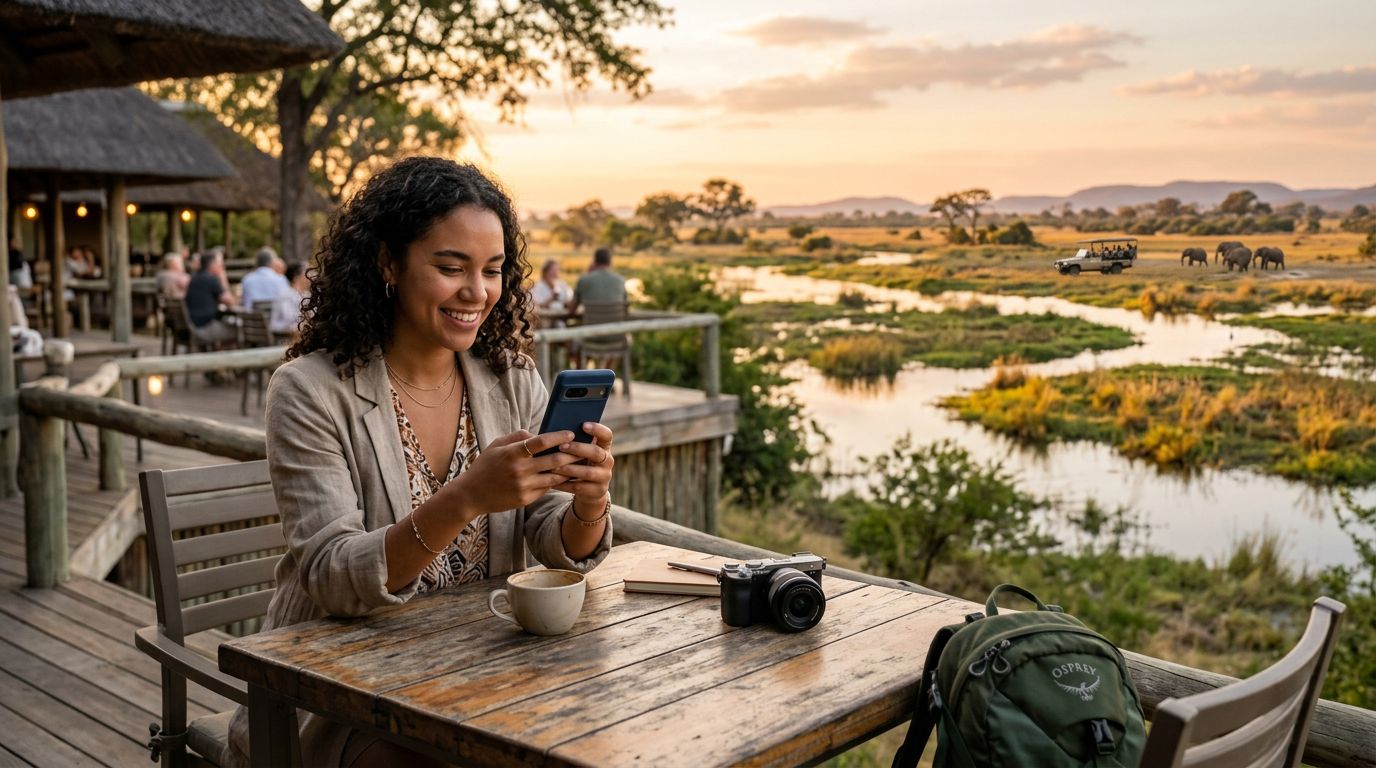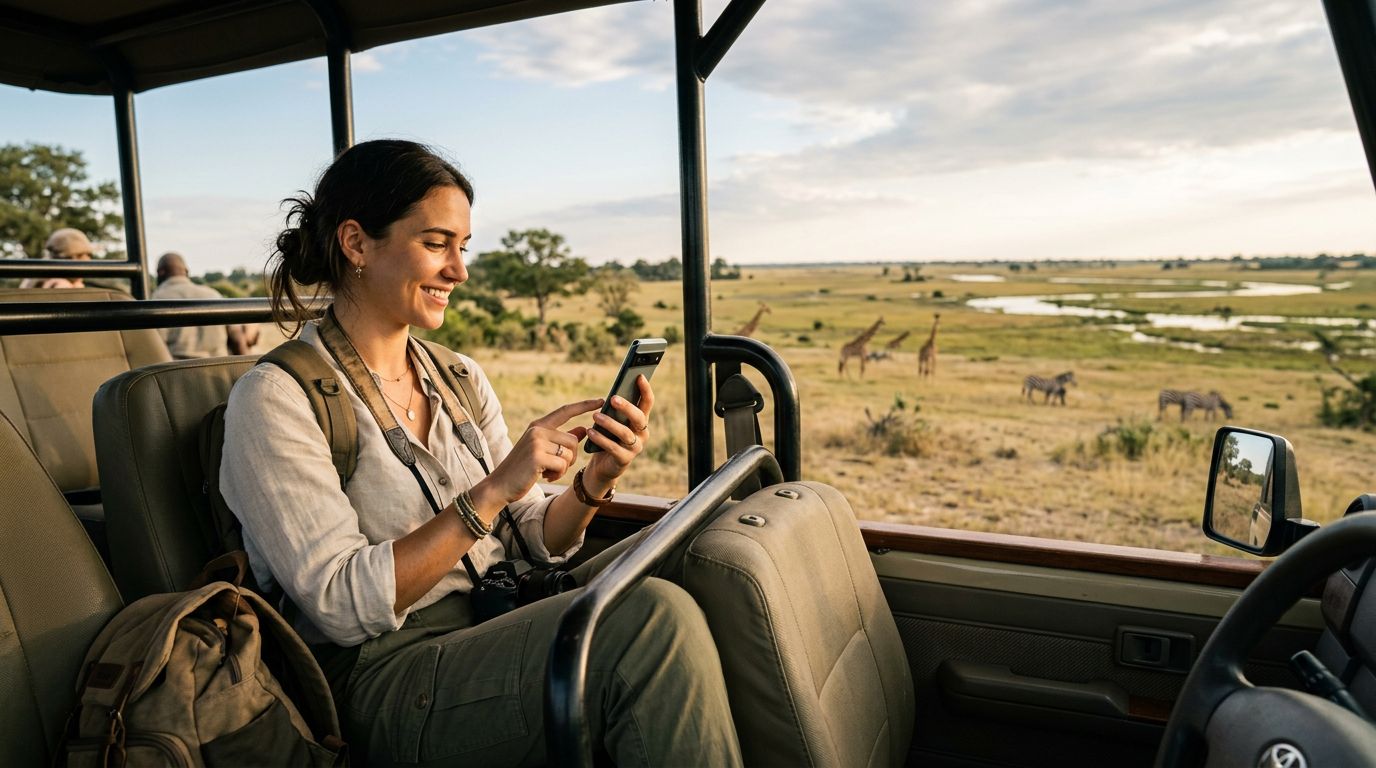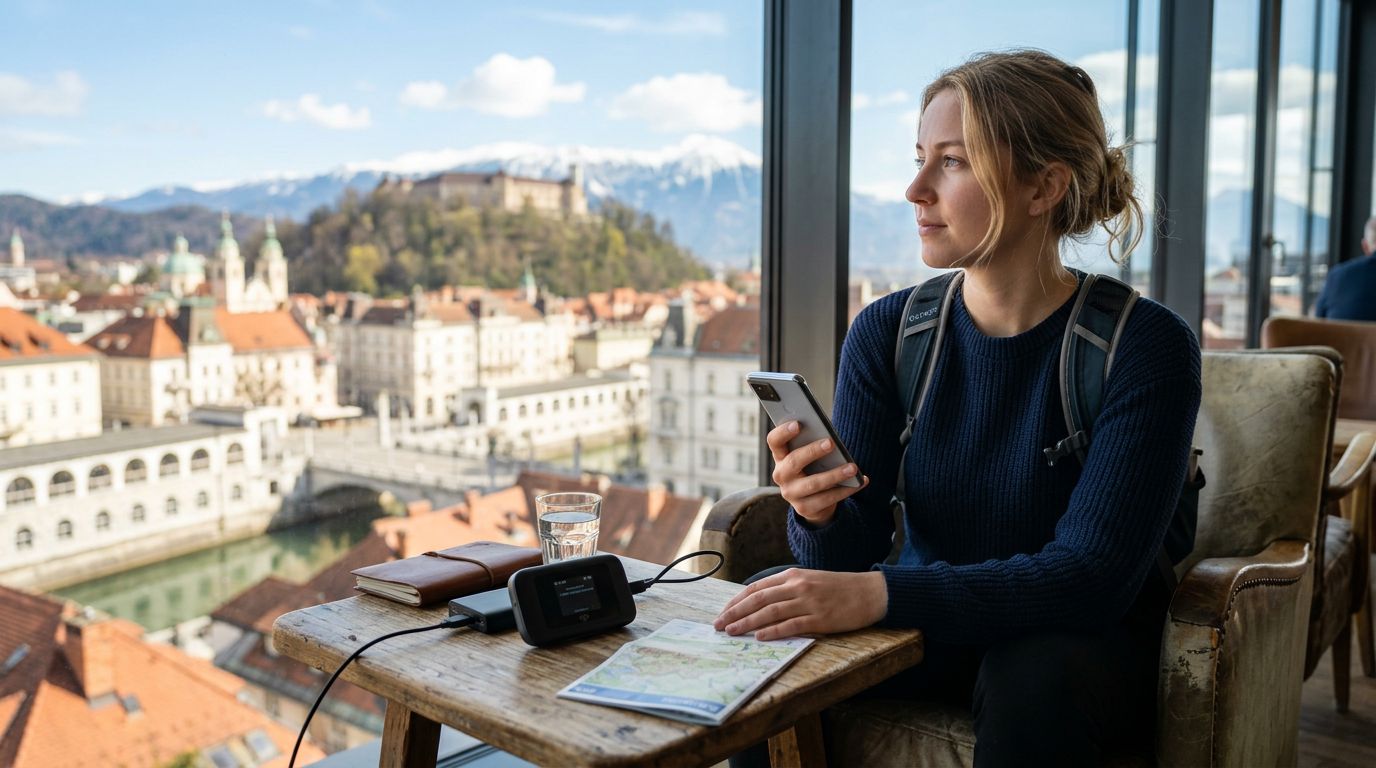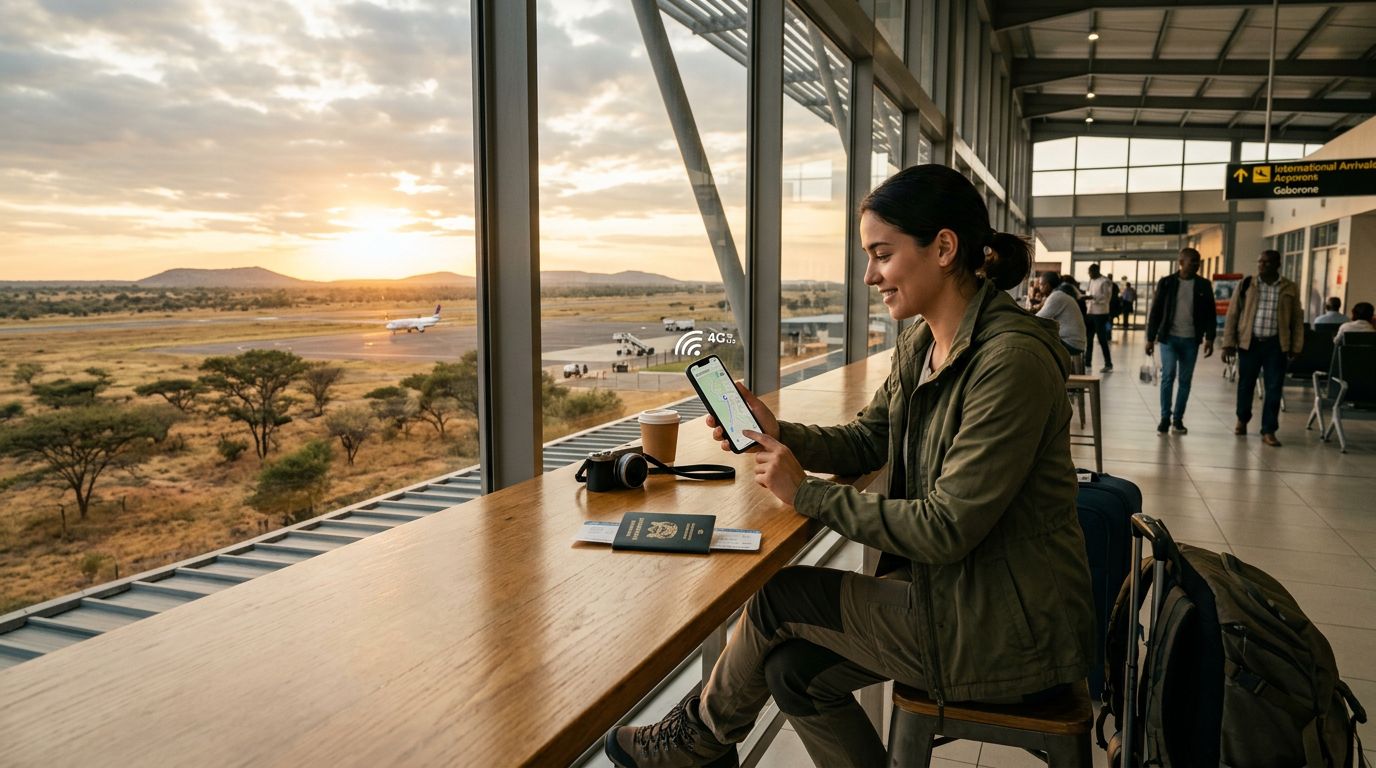
Botswana is a bucket-list destination for many travelers, offering everything from the vast, water-filled channels of the Okavango Delta to the arid, stark beauty of the Kalahari Desert. While you might be tempted to disconnect entirely while watching elephants at a watering hole, having a reliable internet connection is essential for safety, navigation, and sharing your experiences. When planning your trip, the debate between pocket WiFi vs eSIM for Botswana often comes down to convenience, reliability, and how much gear you want to carry through the bush.
Understanding the Connectivity Landscape in Botswana
Connectivity in Botswana is generally reliable in urban centers like Gaborone, Maun, and Kasane. However, once you venture into the national parks or remote safari concessions, the infrastructure changes drastically. Most local mobile networks rely on towers that provide decent coverage along main highways and near lodges, but signal strength can drop significantly in deep wilderness areas.
When you bring a pocket WiFi device, you are essentially carrying a dedicated router that connects to local cellular networks and creates a private hotspot. This hardware requires its own battery, a separate charging cable, and a physical SIM card from a local provider or a global rental service. Because the device is external, it relies on its own internal antenna, which can sometimes be more powerful than a smartphone. However, you must keep it charged, protected from dust and heat, and within range of your phone at all times.
An eSIM, or embedded SIM, operates differently. It is a digital version of a traditional SIM card that is downloaded directly onto your smartphone. Because it is integrated into your device, you use your phone’s built-in antenna to connect to the local cellular network. This eliminates the need for extra hardware. For travelers, this means you can land at Sir Seretse Khama International Airport, switch to your digital plan, and be connected before you even reach the baggage claim.
Comparing Convenience and Practicality
The primary advantage of choosing an eSIM is the seamless nature of the experience. With OneTapSIM, you can purchase and install your plan before you leave home. As soon as your plane touches down in Botswana, your phone registers on the local network. You do not need to visit a local kiosk, fill out registration forms, or swap out your physical home SIM card, which carries the risk of being lost or damaged.
Pocket WiFi units introduce several logistical hurdles. If you rent a device, you must coordinate pick-up and drop-off points. If you buy a device, you must ensure it is unlocked and compatible with the specific frequency bands used by Botswana’s mobile operators. Furthermore, you are responsible for the physical security of the device. In the rugged environment of a safari, where you might be moving between light aircraft, 4x4 vehicles, and walking trails, keeping track of a small plastic router and its charging accessories can become a burden.
Battery life is another critical factor. A pocket WiFi device is yet another piece of technology that requires a power source. If you are on a multi-day camping expedition in the Central Kalahari, finding a place to charge your router can be difficult. Conversely, an eSIM uses your phone’s existing battery. While using mobile data does drain your phone, you are likely already carrying a power bank for your camera and phone, meaning you do not need to carry a separate power solution for your connectivity hardware.
Performance and Reliability in the Field
When considering pocket WiFi vs eSIM for Botswana, performance is often a matter of hardware capability versus network access. A pocket WiFi device can sometimes provide a stronger signal in fringe areas because it is designed specifically for data transmission. If you are traveling in a group and need to provide internet access to multiple laptops or tablets, a dedicated router is a logical choice. It acts as a central hub, allowing everyone in your safari vehicle to connect their devices simultaneously.
However, for the solo traveler or a couple, an eSIM is usually superior. Modern smartphones are highly efficient at managing network signals. By using an eSIM, you are effectively turning your phone into its own hotspot if you need to share data with a companion. This removes the "middleman" of a second device. Furthermore, if you encounter a connectivity issue with an eSIM, troubleshooting is typically done through your phone’s settings menu. With a pocket WiFi device, you have to troubleshoot the router, the connection between the router and your phone, and the cellular signal itself.
There is also the matter of roaming and network switching. Many eSIM providers offer access to multiple local networks within Botswana. This is a significant advantage in a country where network coverage can be spotty. If one provider’s tower is down or congested in a specific region, your phone can often switch to a different available network if your eSIM profile supports it. A pocket WiFi device is usually locked to the specific SIM card inserted into it, meaning you are tied to a single network provider for the duration of your trip.
Ultimately, your choice depends on your travel style. If you are a professional photographer needing to upload large files to the cloud from a remote camp, or if you are managing a large group of travelers, the dedicated power and signal-boosting capabilities of a pocket WiFi device might be worth the extra luggage. For the vast majority of tourists, however, the simplicity of an eSIM is the better option. It keeps your gear list light, your connectivity immediate, and your focus where it belongs: on the incredible wildlife and landscapes of Botswana. By preparing your digital connection ahead of time, you ensure that you stay reachable without letting technology distract you from the experience of a lifetime.
Get an eSIM for
Plans for the destinations covered in this guide, with instant QR delivery.