The Evolution of Travel Connectivity in South Korea
South Korea is widely recognized as having some of the fastest and most reliable internet speeds on the planet. Whether you are navigating the intricate subway systems of Seoul, searching for the best hidden cafes in Busan, or uploading high-resolution photos of Gyeongbokgung Palace, a stable connection is an absolute necessity. For years, the standard solution for international travelers was to rent a pocket WiFi device. These small, portable routers allowed multiple devices to connect to a single signal, provided you were willing to carry an extra piece of hardware.
However, the landscape of mobile connectivity has shifted significantly with the introduction of eSIM technology. An eSIM, or embedded SIM, is a digital SIM card that allows you to activate a cellular plan from a carrier without having to insert a physical card into your device. For travelers heading to South Korea, the debate between pocket WiFi and eSIM has become a central part of trip planning. Understanding the functional differences between these two options is the first step toward ensuring your digital life remains seamless while you explore the peninsula.
Comparing Convenience and Logistics
The primary appeal of a pocket WiFi device is its ability to support multiple users. If you are traveling as a family or a large group, a single device can provide a shared internet connection for everyone. However, this convenience comes with logistical trade-offs. You must pick up the device at the airport upon arrival and, crucially, return it before you depart. This adds an extra step to your travel itinerary, and missing the return window can lead to logistical headaches or additional fees. Furthermore, you are responsible for keeping the device charged throughout the day. If the battery dies while you are wandering through a remote mountain temple or a bustling night market, you lose your connection entirely.
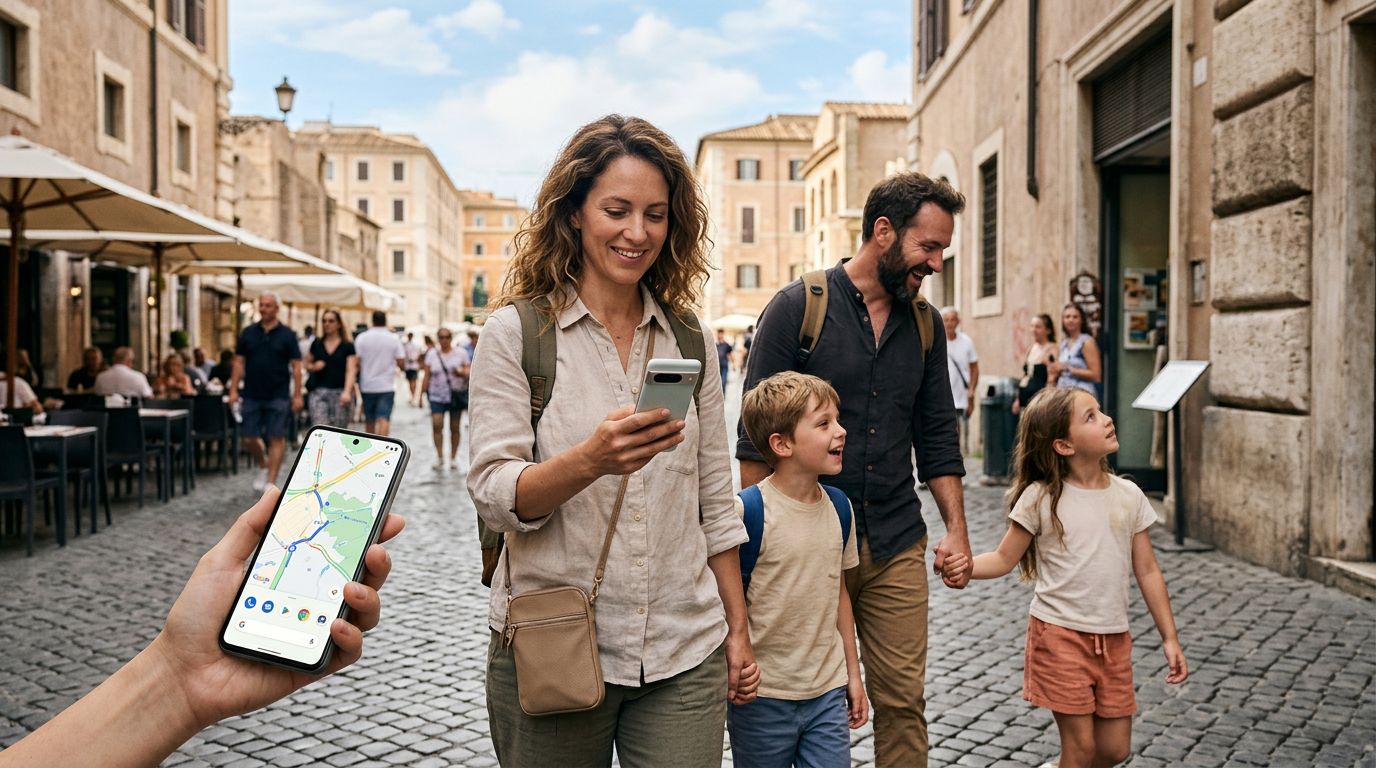
In contrast, an eSIM offers a level of convenience that is difficult to match. Because the technology is integrated directly into your smartphone, there is no hardware to carry, no battery to charge, and no return process to manage. You can purchase your data plan before you even board your flight, ensuring that you have connectivity the moment your plane touches down at Incheon International Airport. Services like OneTapSIM allow users to install their digital plan ahead of time, meaning you can bypass the rental counters and head straight to your transportation. Since the eSIM functions as a secondary line on your existing phone, you maintain the ability to receive calls or messages on your primary number while using the local data for navigation and social media.
Performance and Compatibility Considerations
When choosing between these two options, you must also consider your device’s compatibility. Most modern smartphones support eSIM technology, but it is always wise to verify that your specific model is unlocked and compatible before you leave home. If you are using an older device that does not support digital SIMs, a pocket WiFi device remains a reliable, albeit cumbersome, fallback. However, for the vast majority of travelers with current smartphones, the eSIM provides a cleaner, more efficient experience.
Performance-wise, both options generally tap into the same high-speed cellular networks that make South Korea a digital powerhouse. Whether you choose a physical router or an eSIM, you will likely experience exceptional 4G and 5G coverage across major cities and even in rural areas. The difference lies in how that signal is delivered to your device. A pocket WiFi device creates a local area network that your phone connects to via WiFi, which can sometimes lead to minor latency or connection drops if the device is tucked deep inside a backpack. An eSIM connects your phone directly to the local cellular towers, providing a more stable and direct link.
Furthermore, security is an often-overlooked factor. Public WiFi networks are notoriously insecure, and while a private pocket WiFi device is safer than a public hotspot, it is still an additional point of failure. An eSIM utilizes the same encrypted cellular protocols as a standard local SIM card, offering a higher level of security for your personal data. By removing the need for a third-party hardware device, you also reduce the risk of losing or damaging a rental unit, which is a common stressor for travelers who prefer to travel light.
Making the Final Decision for Your Trip
Deciding between pocket WiFi and an eSIM ultimately comes down to your personal travel style. If you are traveling with a group of four or five people who are never more than a few feet apart, a pocket WiFi device might be the more economical choice. It allows you to share one data pool across multiple laptops, tablets, and phones. However, for solo travelers, couples, or anyone who values the freedom of moving independently, the eSIM is the clear winner.
The ability to manage your connectivity entirely through your smartphone settings is a significant advantage. It allows for a "set it and forget it" experience, where you don't have to worry about carrying an extra gadget or managing a rental contract. As you plan your trip to South Korea, consider how much you value your time and mobility. If you prefer to land and immediately start exploring without stopping at a kiosk, an eSIM is the most streamlined option available. By opting for a digital solution, you free yourself from the burden of hardware management, allowing you to focus on what really matters: enjoying the vibrant culture, food, and scenery of South Korea. Whether you are checking transit schedules in Seoul or streaming music on a train to Busan, having a reliable, built-in connection ensures that your journey remains uninterrupted and stress-free.
Get an eSIM for
Plans for the destinations covered in this guide, with instant QR delivery.