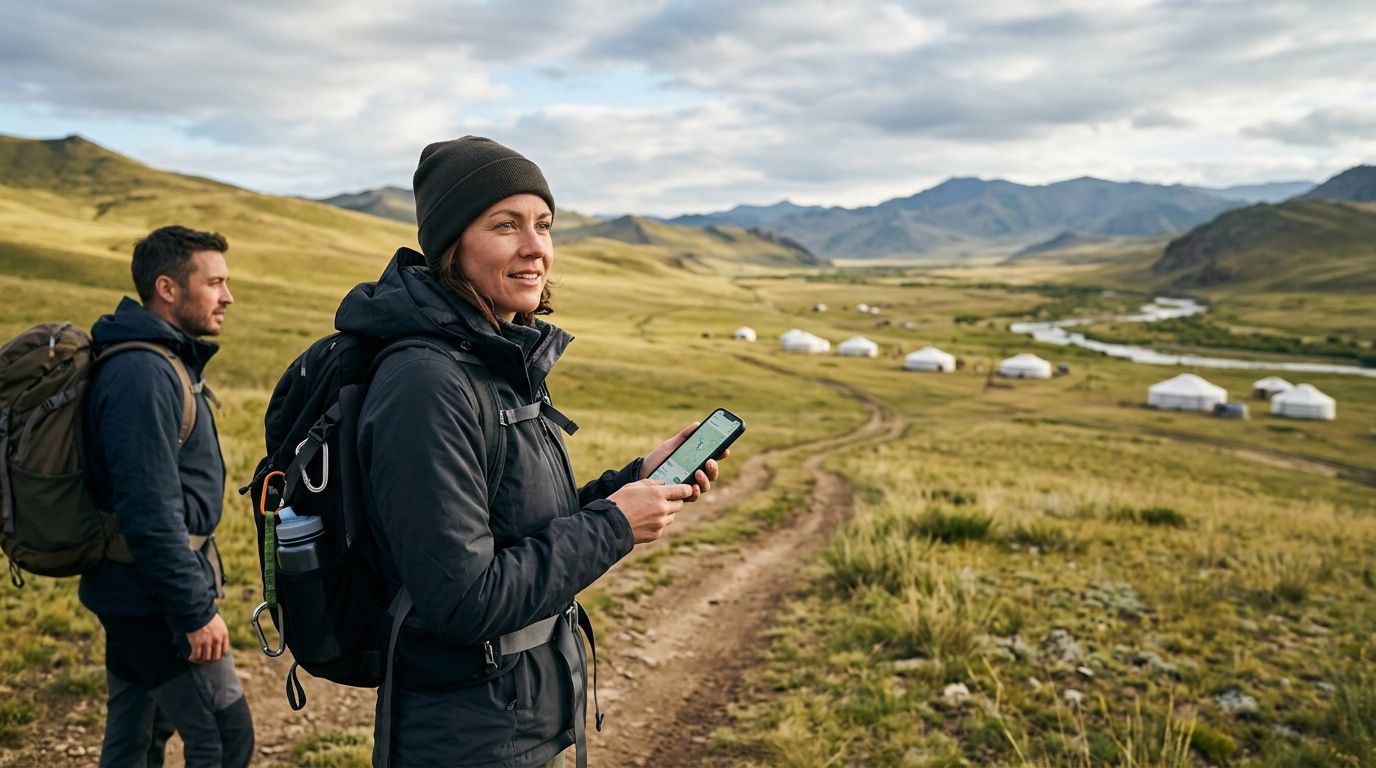
Entendiendo los desafíos de conectividad en Mongolia
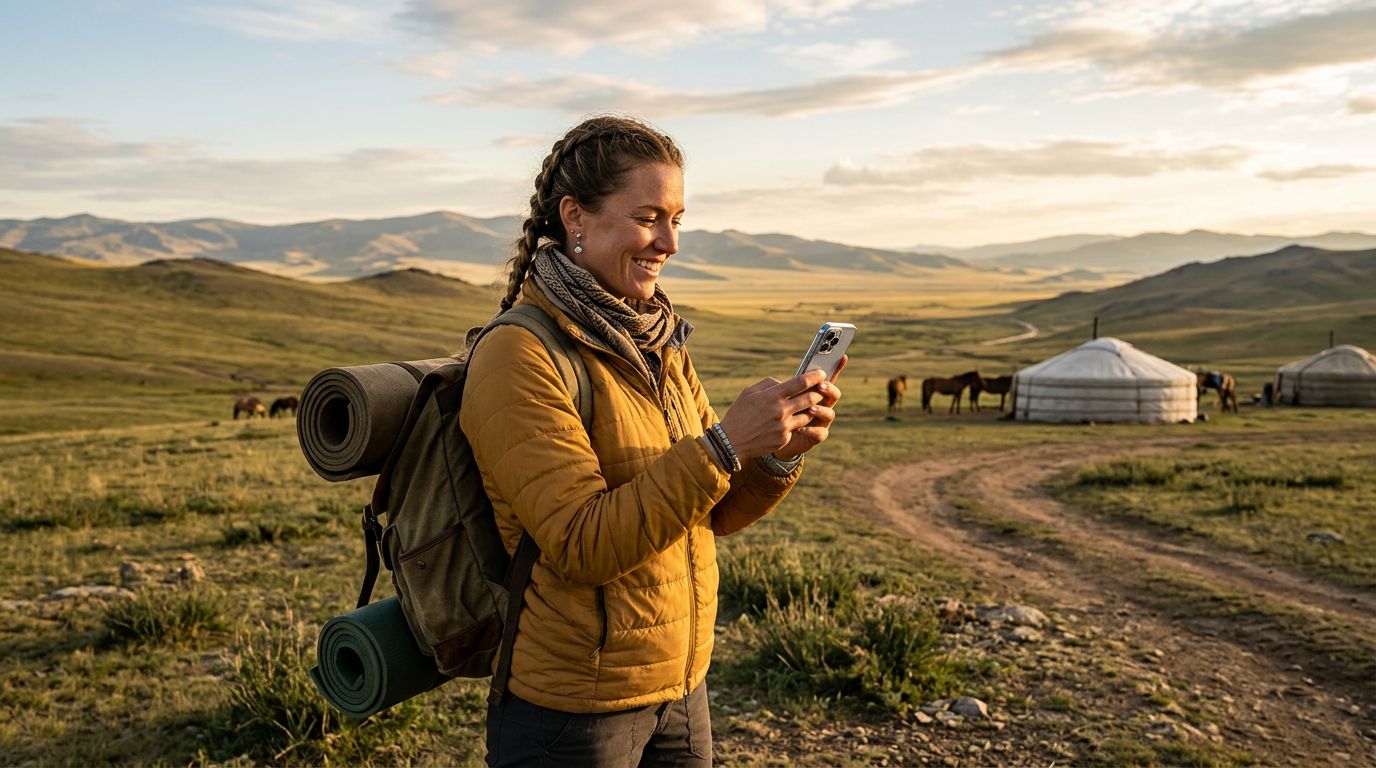
Mongolia es una tierra de vastos horizontes abiertos, cadenas montañosas escarpadas y el extenso desierto de Gobi. Para los viajeros, la inmensidad del paisaje es tanto su mayor atractivo como su obstáculo logístico más importante. Cuando planeas un viaje a través de esta región remota, mantenerse conectado no es solo una cuestión de comodidad; es una cuestión de seguridad y navegación. Ya sea que estés haciendo senderismo por las montañas Altai o alojándote en un campamento ger tradicional cerca del Parque Nacional Terelj, necesitas una forma confiable de comunicarte.
El debate sobre pocket wifi vs eSIM para Mongolia a menudo se centra en el equilibrio entre cobertura y comodidad. Debido a que el país está escasamente poblado, la infraestructura celular se concentra fuertemente en Ulán Bator y en los principales centros provinciales. A medida que te adentras en el campo, las señales pueden volverse intermitentes. Comprender cómo estas dos tecnologías interactúan con el entorno de red local es esencial para un viaje sin estrés. Si bien los planes de roaming tradicionales a menudo vienen con condiciones restrictivas o costos inesperados, las soluciones digitales modernas han cambiado el panorama, permitiendo a los viajeros gestionar su conectividad directamente desde sus smartphones.
El caso del Pocket Wifi: Pros y contras
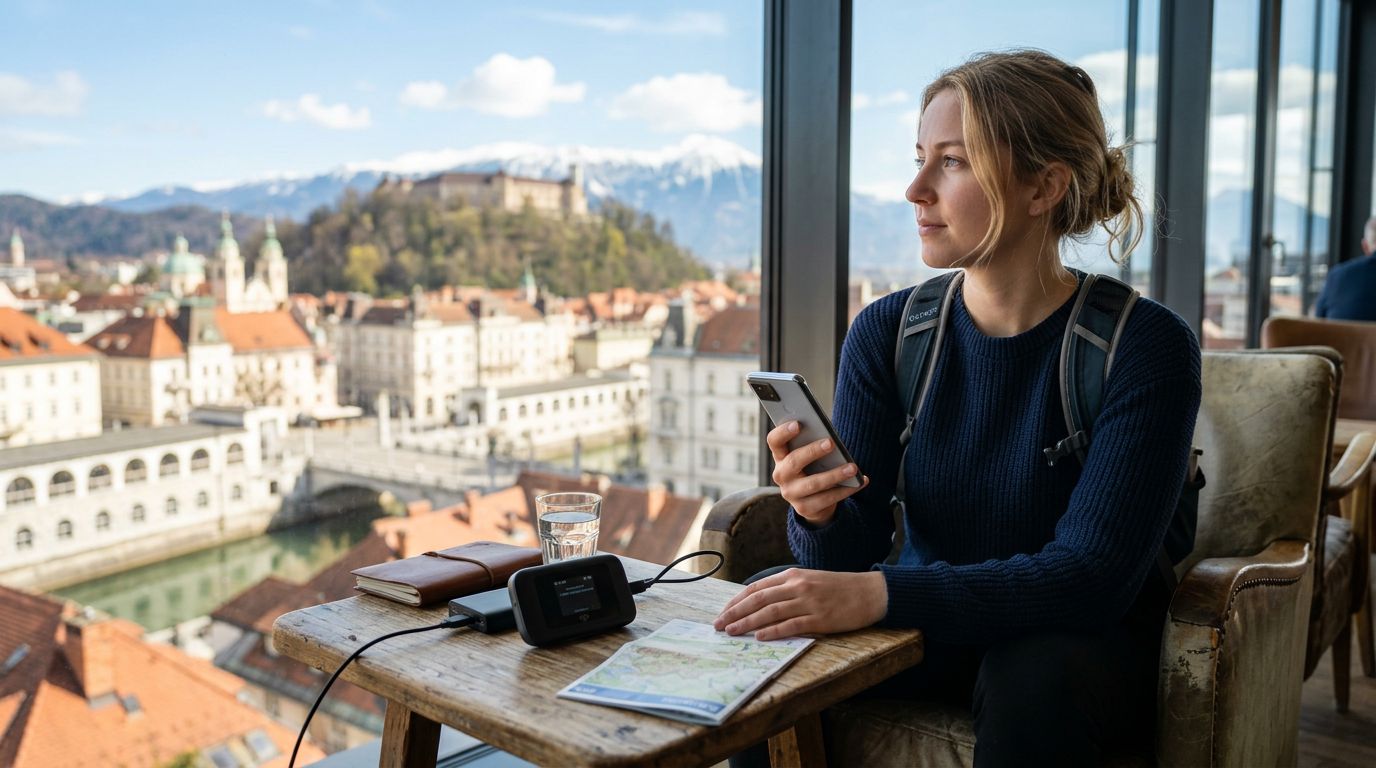
Un dispositivo pocket wifi, a menudo llamado hotspot móvil, funciona como un router portátil que crea una red local para tus dispositivos. Llevas una pequeña unidad de hardware en tu bolso, que se conecta a la red celular local y transmite una señal para que tu teléfono, tablet y laptop se conecten.
La principal ventaja de una unidad pocket wifi es su capacidad para admitir múltiples usuarios. Si viajas en familia o en grupo, un solo dispositivo puede servir a todos simultáneamente. Esto es útil si tienes varios dispositivos que no admiten datos celulares o si trabajas de forma remota y necesitas conectar una laptop mientras mantienes tu teléfono libre para otras tareas. Además, debido a que estos dispositivos a menudo están configurados para conectarse a múltiples operadores locales, a veces pueden proporcionar una señal ligeramente más estable en áreas periféricas al cambiar entre las redes disponibles.
Sin embargo, los inconvenientes son significativos para un país tan accidentado como Mongolia. Primero, eres responsable del hardware. Si pierdes el dispositivo, lo dañas o olvidas cargar la batería, te quedas sin conectividad. En un entorno desértico remoto, encontrar un reemplazo o una fuente de energía puede ser casi imposible. También tienes que lidiar con la logística de recoger el dispositivo al llegar y devolverlo antes de partir. Esto añade una capa extra de tareas a tu itinerario. Además, debes llevar el dispositivo, su cable de carga y un power bank a todas partes, lo que añade peso y desorden a tu mochila.
Por qué las eSIM están cambiando la conectividad de viaje
Una eSIM, o SIM integrada, es una versión digital de una tarjeta SIM física tradicional. Está integrada directamente en el hardware de los smartphones modernos. En lugar de cambiar un chip de plástico, simplemente escaneas un código QR o sigues un proceso de instalación digital para activar un plan celular. Para un destino como Mongolia, esta tecnología ofrece un nivel de libertad que el hardware físico no puede igualar.
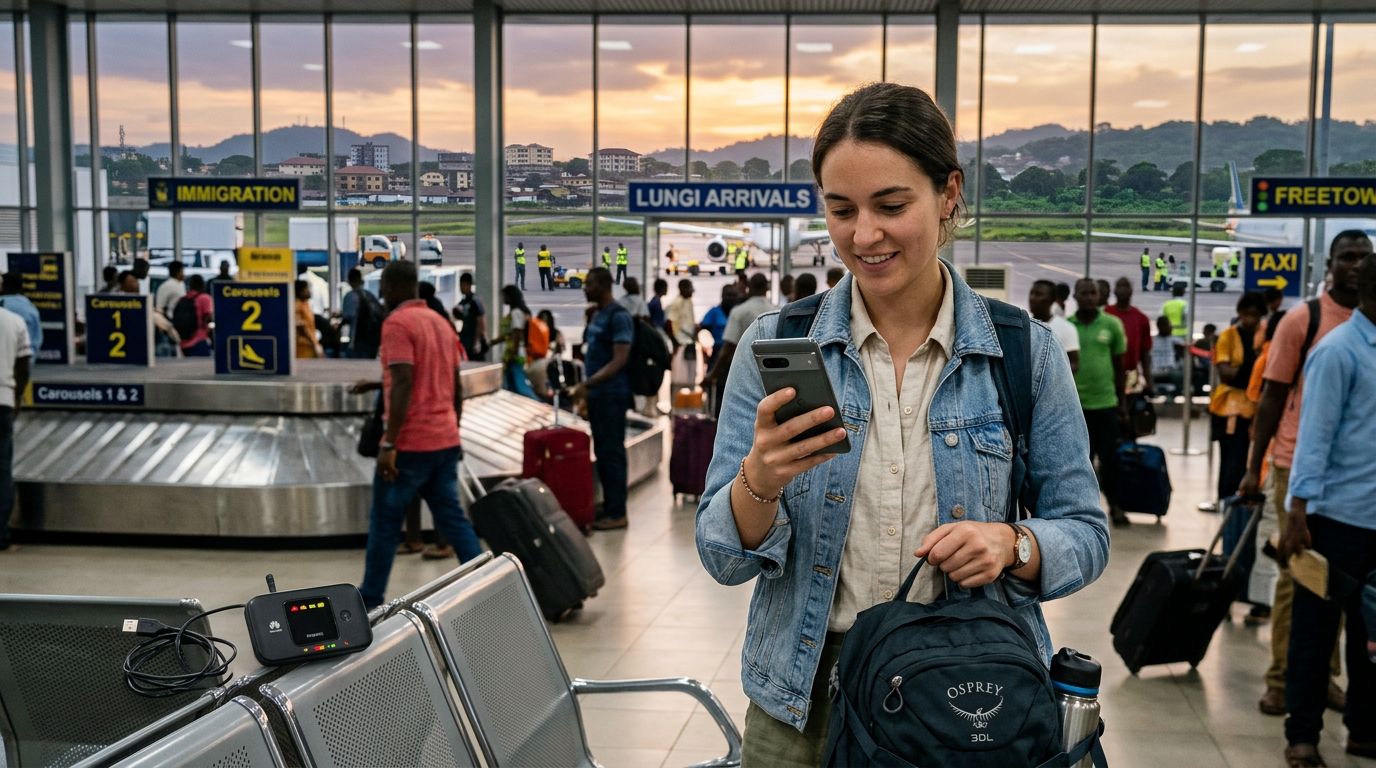
El beneficio más inmediato de usar una eSIM, como las proporcionadas por OneTapSIM, es la eliminación de la logística física. Puedes configurar tu plan de datos incluso antes de abordar tu vuelo. Para cuando tu avión aterrice en el Aeropuerto Internacional Chinggis Khaan, tu teléfono estará listo para conectarse a la red local. No hay necesidad de hacer fila en un quiosco de alquiler, no hay hardware que llevar y no hay riesgo de perder un dispositivo.
Desde un punto de vista técnico, las eSIM son altamente eficientes. Debido a que se integran directamente con la antena interna de tu teléfono, a menudo son más eficientes energéticamente que los hotspots externos. No estás atado a un dispositivo secundario que requiere su propia gestión de batería. Si estás haciendo senderismo o montando a caballo en la estepa mongola, tener una cosa menos de la que preocuparse es una gran ventaja. Puedes mantener tu teléfono en tu bolsillo, listo para tomar fotos o consultar un mapa, sin necesidad de sacar un router o gestionar una conexión separada.
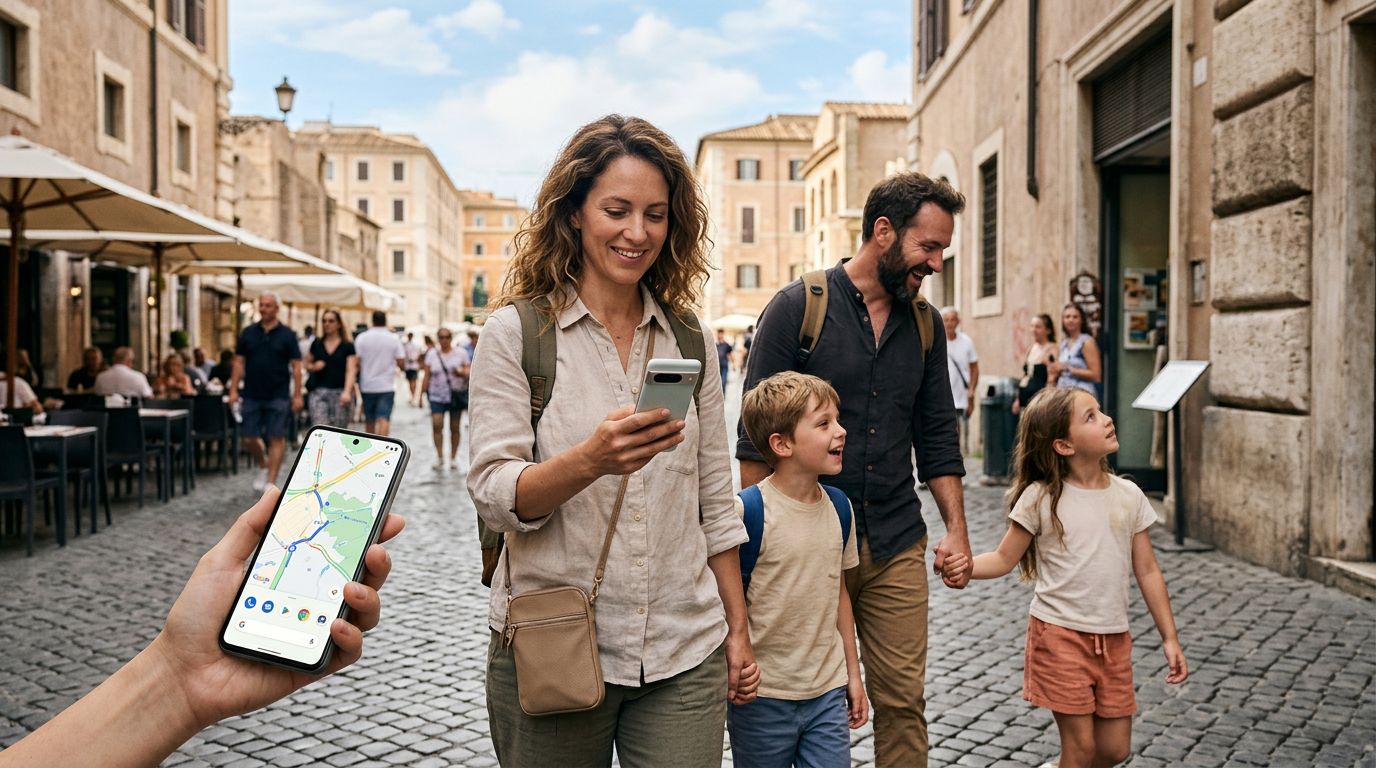
Además, una eSIM te permite mantener tu número principal para llamadas o SMS mientras usas los datos de la eSIM para tus necesidades de internet. Esta funcionalidad dual-SIM es perfecta para los viajeros que necesitan estar localizables a través de su número de origen para emergencias mientras disfrutan de los beneficios de las tarifas de datos locales.
Eligiendo la solución adecuada para tu aventura en Mongolia
Al decidir entre pocket wifi vs eSIM para Mongolia, considera la naturaleza de tu viaje. Si viajas en un grupo grande de cinco o más personas que requieren acceso constante a internet, un dispositivo pocket wifi podría ser una solución práctica, aunque engorrosa. Sin embargo, para viajeros solitarios, parejas o cualquier persona que priorice la movilidad y la facilidad de uso, la eSIM es la opción superior.
Mongolia es un destino que recompensa a quienes viajan ligero y se mueven con flexibilidad. Ya sea que estés navegando por las calles de Ulán Bator o explorando el corazón nómada, tu conectividad debe ser lo más fluida posible. Con una eSIM, evitas la molestia de los envíos de devolución, los depósitos de hardware y la ansiedad constante de mantener cargada una batería secundaria.
La instalación es sencilla. La mayoría de los dispositivos modernos admiten esta tecnología y el proceso de activación solo toma unos minutos. Al elegir una eSIM, estás optando por una solución moderna, confiable e invisible que te permite concentrarte en el impresionante paisaje en lugar de en los tecnicismos de tu conexión a internet. Mientras te preparas para tu viaje, asegúrate de que tu dispositivo sea compatible y esté desbloqueado para que puedas disfrutar de la tranquilidad que brinda tener un plan de datos listo en el momento en que aterrices. Ya sea que te encuentres en un mercado bullicioso o bajo los vastos cielos estrellados del Gobi, tener una conexión digital confiable asegura que nunca estés realmente desconectado del mundo, incluso cuando estás a kilómetros de la ciudad más cercana.
Consigue una eSIM para
Planes para los destinos de esta guía, con entrega instantánea por QR.