Understanding Connectivity Landscapes in Namibia
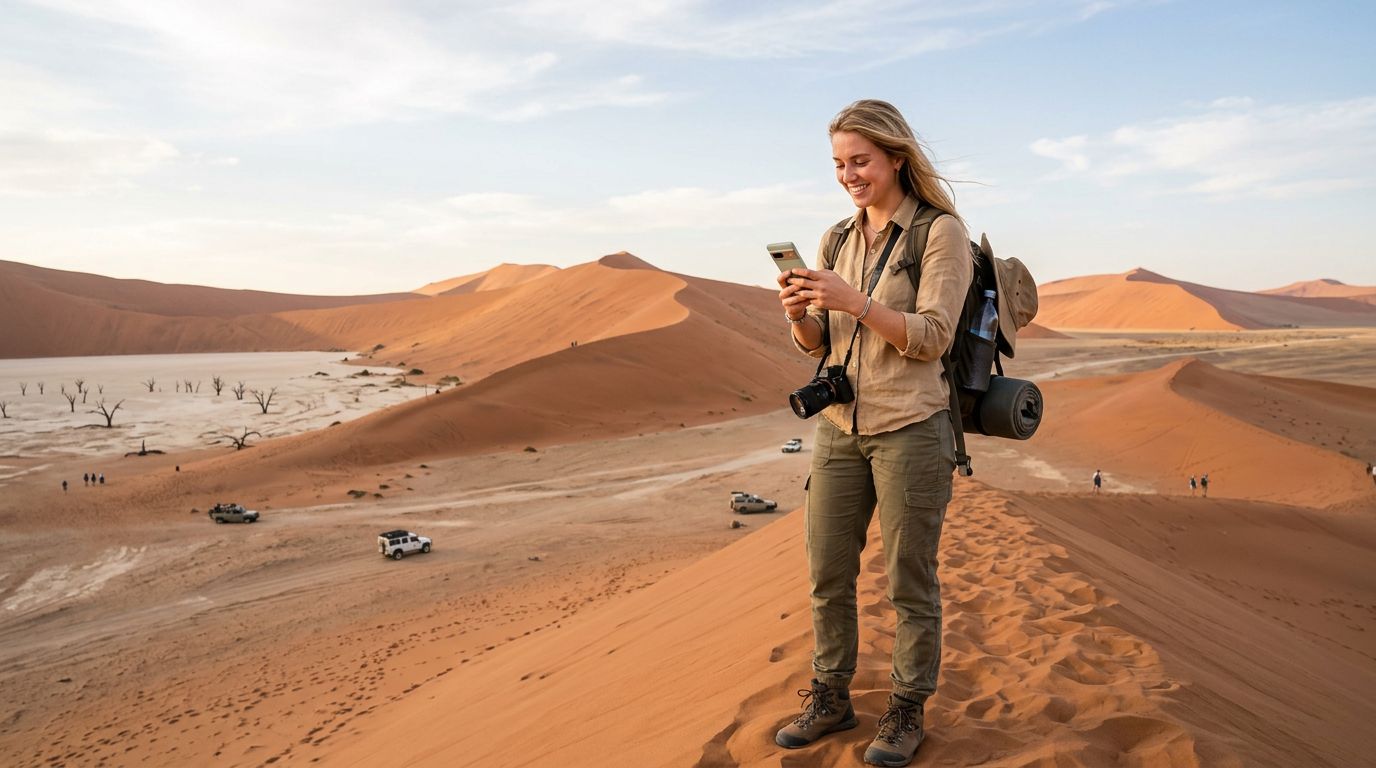
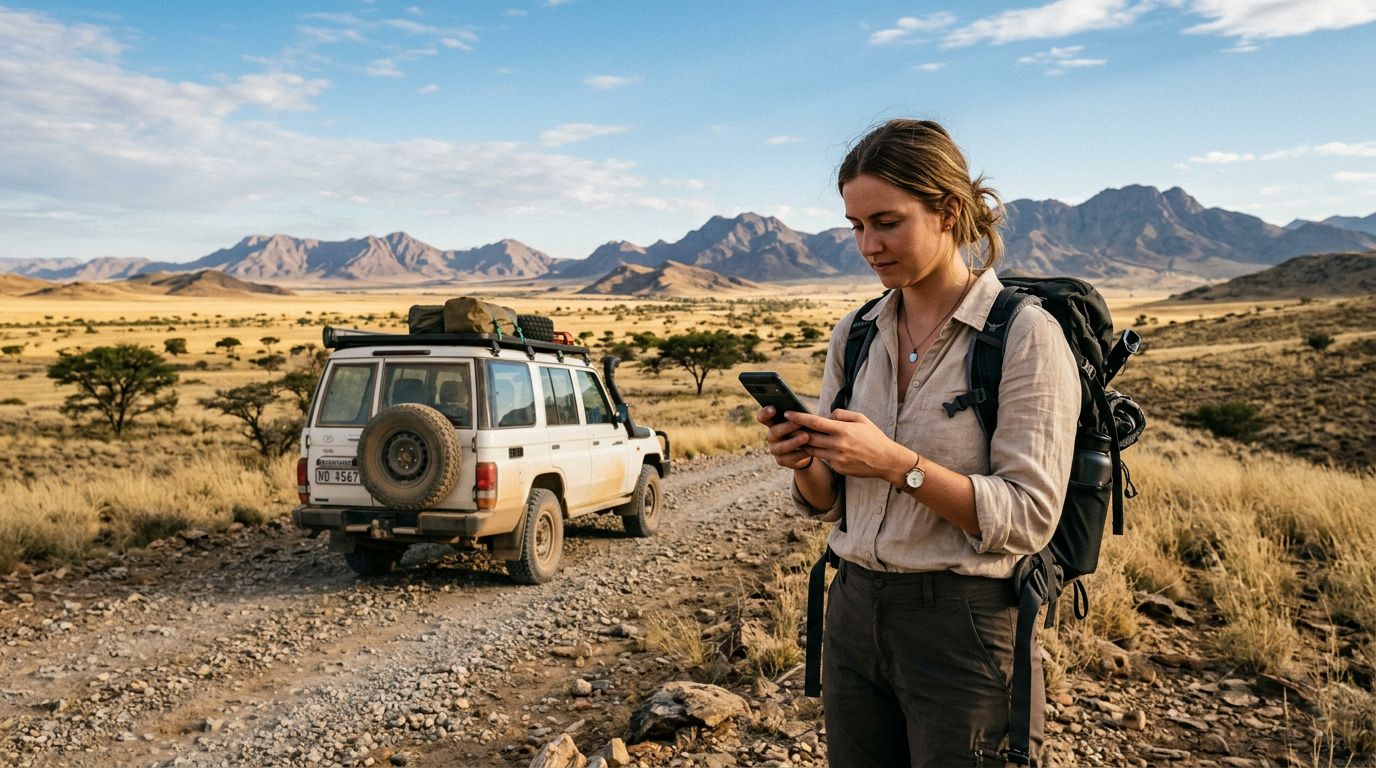
Namibia is a vast, sparsely populated country characterized by dramatic landscapes, from the towering red dunes of Sossusvlei to the rugged Skeleton Coast. While the scenery is breathtaking, the infrastructure for mobile connectivity can be challenging for the unprepared traveler. Much of the country is remote, and while major urban centers like Windhoek, Swakopmund, and Walvis Bay offer reliable network coverage, the expansive rural stretches between these hubs often experience significant signal drops.
Managing mobile data usage in Namibia requires a shift in mindset. You cannot rely on constant, high-speed streaming or background cloud syncing as you might in a dense metropolitan area. Instead, you must approach your data consumption strategically. Before you even set foot in the country, it is vital to understand that the network architecture relies heavily on a few primary providers. When you arrive, your device will attempt to connect to these local towers. If you are using a roaming plan from your home carrier, you may find that the connection is unstable or throttled.
This is where a travel eSIM, such as those offered by OneTapSIM, becomes a practical tool. By using an eSIM, you can connect directly to local networks without the logistical headache of purchasing physical SIM cards at a local kiosk or dealing with the exorbitant fees often associated with international roaming. Because you are essentially using a local data profile, your device is more likely to maintain a steady handshake with the infrastructure, provided you are within a coverage zone. However, regardless of how you connect, the physical reality of Namibia’s geography means that data management remains a priority for every traveler.
Strategies for Optimizing Data Consumption
Once you have your connection established, the goal is to stretch that data as far as possible. The most common pitfall for travelers is allowing background processes to consume their allotment without their knowledge. Modern smartphones are designed to stay connected, which means they are constantly checking for updates, syncing photos to the cloud, and refreshing social media feeds.
To manage your data effectively, start by adjusting your device settings. On both iOS and Android platforms, you can restrict background data usage for specific applications. Navigate to your settings menu to identify which apps are the biggest offenders. Social media platforms, video streaming services, and high-resolution map apps are usually at the top of the list. Turn off "Background App Refresh" for these services while you are on your travel data plan.
Another essential step is to modify your media settings. Many apps default to high-quality video playback or auto-play features. Manually configure these apps to use lower-resolution settings or disable auto-play entirely. If you are planning to use navigation apps, download offline maps before you leave your accommodation. While a live GPS connection is helpful, having a cached map of the Namibian desert or the Etosha National Park region ensures you can find your way even when you are in a complete dead zone.
If you find yourself needing to upload high-resolution photos or download large files, wait until you are connected to a stable Wi-Fi network at your lodge or hotel. Namibia’s tourism sector is well-equipped with Wi-Fi in major lodges, and this should be your primary vehicle for heavy data tasks. By treating your mobile data as a secondary, emergency-focused resource, you ensure that you remain connected for essential communication, such as checking weather updates, coordinating with tour operators, or using messaging apps to reach family.
Staying Connected Across Remote Regions
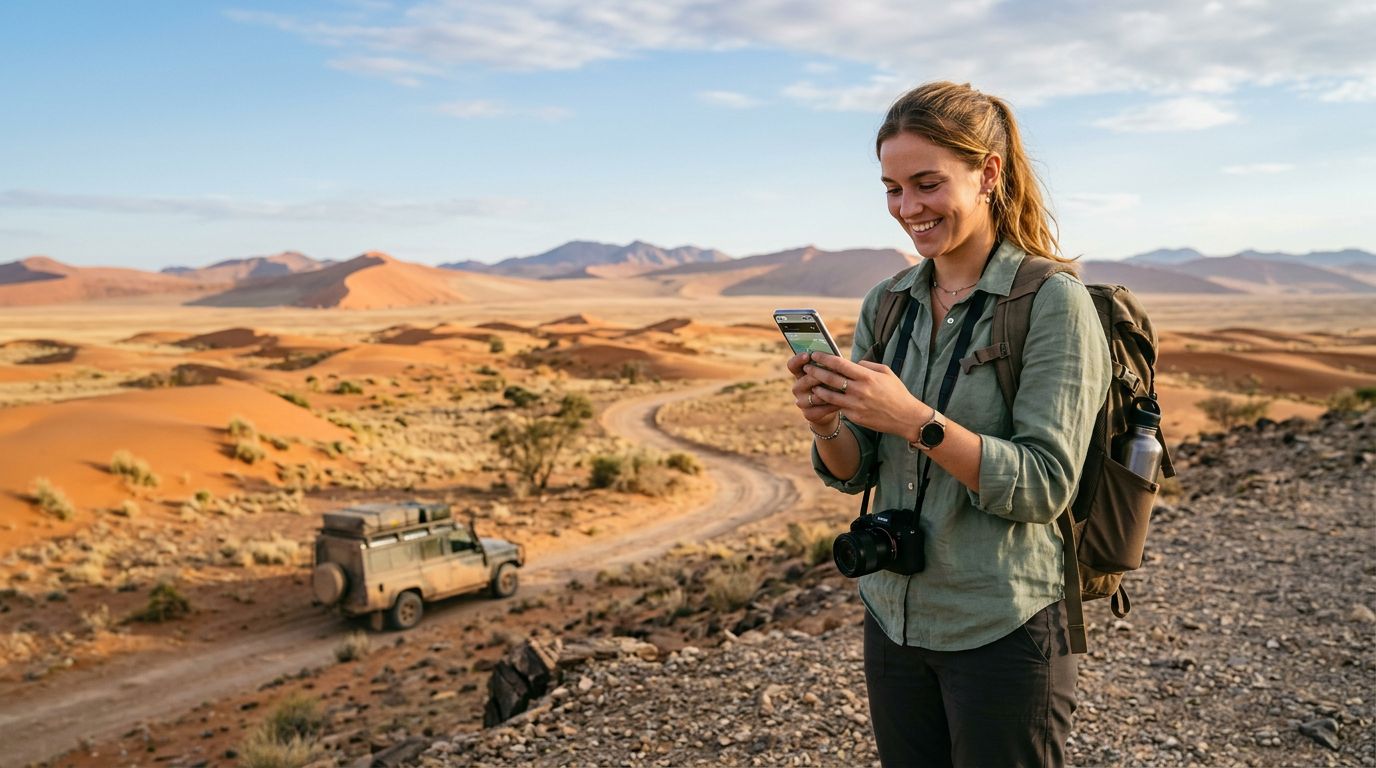
Traveling through Namibia often involves long drives on gravel roads where the next town might be hundreds of kilometers away. In these remote areas, your phone may constantly search for a signal, which drains your battery and creates a frustrating experience. To prevent this, consider putting your phone into Airplane Mode when you know you are entering a known dead zone. This stops the device from aggressively hunting for a signal that isn't there, preserving your battery for when you eventually reach a populated area where you can reconnect.
When you do have a signal, prioritize text-based communication over voice or video calls. Apps that utilize lightweight messaging protocols are far more efficient than those requiring high-bandwidth streams. If you must make a call, use a voice-only setting rather than a video call, as this significantly reduces the amount of data transmitted.
It is also wise to monitor your usage periodically. Most modern phones have a built-in data tracker in the settings menu that shows exactly how much data you have consumed and which apps are responsible. Checking this once a day will help you identify if a specific app is behaving unexpectedly. If you notice a sudden spike in usage, you can quickly intervene by force-closing the app or disabling its cellular access.
For those using an eSIM solution, the management interface provided by your service is often very user-friendly. You can keep an eye on your remaining data balance and, if necessary, top up your plan without needing to swap physical hardware. This flexibility is particularly useful in a country as large as Namibia, where your travel plans might change due to road conditions or spontaneous detours.
Ultimately, the key to managing mobile data usage in Namibia is preparation and discipline. By setting your device up for success before you head into the wilderness, you can enjoy the serenity of the Namib Desert or the wildlife of the north without the stress of unexpected data depletion. You are there to experience one of the most unique environments on Earth; keeping your digital footprint small allows you to stay connected when it matters most while ensuring that your focus remains on the incredible landscapes unfolding before you. With a reliable eSIM and a few smart habits, you can balance the convenience of modern connectivity with the rugged spirit of Namibian travel.