The Landscape of Connectivity in Namibia
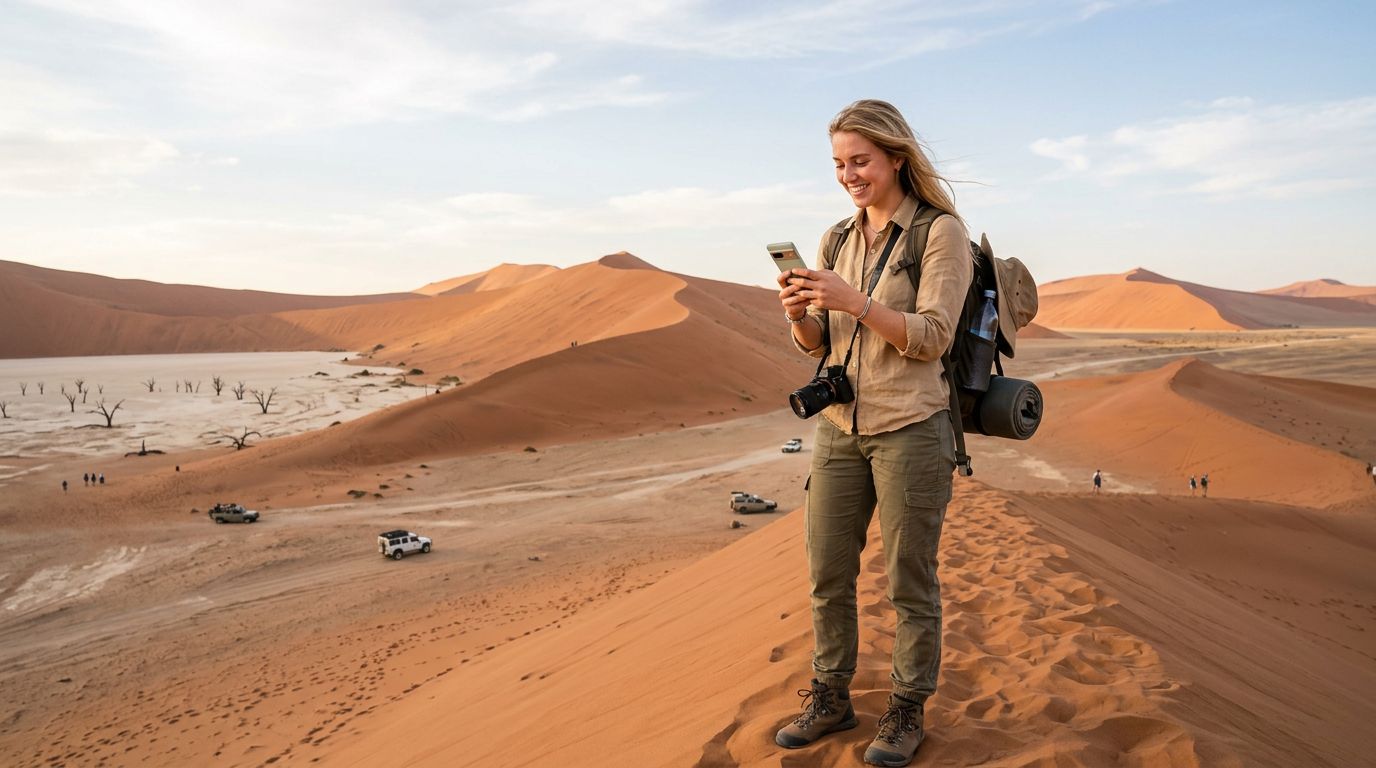
Namibia is a land of vast, breathtaking horizons, from the towering red dunes of Sossusvlei to the rugged skeleton coast and the wildlife-rich plains of Etosha National Park. While the scenery is remote and often feels untouched by time, the necessity of communication remains a priority for any modern traveler. Whether you need to upload photos of your safari, check local weather patterns, or navigate between remote lodges, having a reliable internet connection is essential.
Historically, travelers visiting Namibia faced the cumbersome process of finding a local mobile shop, presenting identification, and purchasing a physical SIM card. This often meant waiting in queues or dealing with compatibility issues upon arrival. Furthermore, physical cards are easy to lose or damage, which is a significant inconvenience when you are miles away from the nearest city.
Staying connected in Namibia with eSIM technology changes this dynamic entirely. By switching to a digital SIM, you can activate your data plan before you even board your flight. This ensures that the moment your wheels touch down in Windhoek, your device is ready to connect to the local network. Because eSIMs are embedded directly into your phone’s hardware, you eliminate the risk of losing a tiny plastic card, and you keep your primary home number active for important calls or verification codes, allowing you to use your secondary eSIM line strictly for high-speed data.
Why eSIM is the Preferred Choice for Namibian Adventures
The geography of Namibia presents unique challenges for connectivity. Distances between towns are immense, and infrastructure is concentrated in urban centers like Windhoek, Swakopmund, and Walvis Bay. When you are traversing the desert or driving through remote conservancies, you want a solution that is both robust and flexible.
OneTapSIM provides a streamlined experience for travelers who value efficiency. Instead of hunting for a kiosk at the airport, you can manage your connectivity through your device settings. This is particularly beneficial in Namibia, where you might be moving between diverse environments—from the bustling capital to the quiet solitude of the Namib Desert. With an eSIM, you do not have to worry about the physical limitations of your device’s SIM tray. You can store multiple profiles and switch between them as needed, though for most travelers, setting up a dedicated data plan for the duration of the trip is the most reliable method.
Another advantage is the ability to monitor your data usage directly through your phone’s operating system. You can set alerts or track how much data you have consumed, ensuring you do not run out of connectivity while documenting your travels. This level of control is a significant upgrade over traditional prepaid physical SIMs, which often require complex USSD codes or manual balance checks that can be difficult to navigate if you are not familiar with the local network provider’s specific interface. By choosing a digital solution, you gain transparency and peace of mind, allowing you to focus on the spectacular Namibian landscapes rather than the technicalities of your phone plan.
Practical Tips for a Seamless Digital Experience
Preparation is the key to a successful trip. Before you depart, verify that your smartphone is carrier-unlocked. If your phone is locked to a specific network provider, it will not accept an eSIM from a different source. You can usually check this in your device settings or by contacting your home carrier. Additionally, ensure your device is compatible with eSIM technology. Most modern smartphones released in the last few years support this feature, but it is always wise to consult the official support pages for your specific device manufacturer if you are uncertain.
Once you have confirmed compatibility, the installation process is straightforward. You will receive a QR code or an activation code that allows you to add the cellular plan to your device. It is recommended to perform this setup while you still have a stable Wi-Fi connection, such as at home or in the airport lounge before departure. Once the profile is downloaded, you can toggle it off and keep it dormant until you land in Namibia. Upon arrival, simply switch the line to "on" in your cellular settings, and your device will automatically search for the supported local network.
While traveling, keep in mind that Namibia’s vast open spaces can sometimes lead to fluctuating signal strength. In major towns, 4G and LTE coverage are generally reliable, allowing for smooth navigation and social media uploads. In extremely remote areas, signal may be limited or unavailable. This is a characteristic of the country’s geography rather than a limitation of the eSIM itself. To maximize your experience, download offline maps of the regions you plan to visit. This ensures that even if you move out of range of a cellular tower, your GPS will continue to function.
Furthermore, consider adjusting your phone settings to disable background data usage for non-essential applications. This helps conserve your data allowance for things that matter, such as checking emails, using messaging apps to keep in touch with family, or searching for information about the next stop on your itinerary. By taking these small, proactive steps, you can enjoy a smooth and connected journey across one of the most beautiful countries in Africa. Staying connected in Namibia with eSIM is not just about convenience; it is about empowering yourself to explore with confidence, knowing that you have a reliable link to the digital world whenever you need it.
Get an eSIM for
Plans for the destinations covered in this guide, with instant QR delivery.