Understanding the Connectivity Landscape in Angola
Traveling to Angola offers a unique experience, from the bustling streets of Luanda to the dramatic landscapes of the Tundavala Gap. However, staying connected requires a bit of preparation. The mobile infrastructure in Angola has seen significant improvements, but it is still developing. Relying on public Wi-Fi is rarely a viable strategy, as it is often restricted to high-end hotels or specific cafes and can be notoriously unreliable.
For most travelers, mobile data is the primary lifeline for accessing maps, translation tools, and communication apps. Because roaming charges from your home carrier can be exorbitant and unpredictable, managing your data consumption becomes a priority. Understanding how your phone interacts with local networks is the first step toward avoiding bill shock and ensuring you remain reachable throughout your journey.
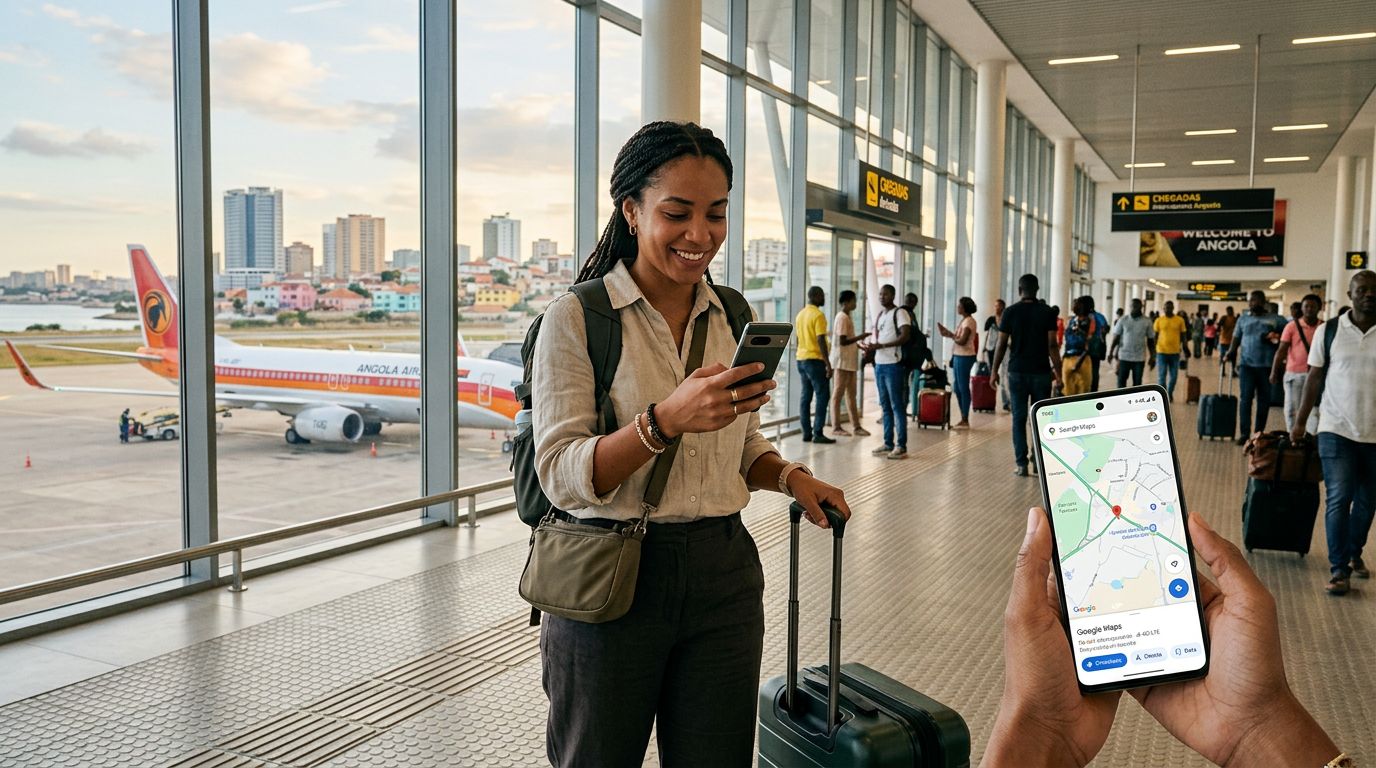
When you arrive, you will find that the local network landscape is dominated by a few key providers. While physical SIM cards are available, the process of purchasing and registering them can be time-consuming, often requiring a visit to a physical store and the presentation of your passport. This is where modern solutions like eSIM technology change the equation. By using a service like OneTapSIM, you can activate your data plan before you even land, bypassing the need to hunt for a kiosk or navigate language barriers at a local shop.
Practical Strategies for Data Conservation
Once you have your connectivity sorted, the next step is controlling how your device consumes that data. Background processes are the silent killers of a mobile data plan. Many applications are designed to refresh, sync, and update automatically, often without the user realizing it.
Start by adjusting your smartphone settings to prevent unnecessary data leakage. On both iOS and Android devices, you can view a breakdown of which apps are using the most data. If you notice a social media app or a cloud storage service consuming a significant portion of your allotment, restrict its background data access. This ensures that the app only uses data when you are actively using it, rather than updating your photo library or news feed while the phone is in your pocket.
Another essential step is disabling automatic updates for your operating system and individual applications. These updates can be massive, sometimes reaching several hundred megabytes or even gigabytes. Set your phone to only perform updates when connected to a stable, unlimited Wi-Fi network. Furthermore, consider turning off features like "Wi-Fi Assist" or its equivalent, which automatically switches your phone to cellular data if your Wi-Fi signal is weak. While this feature is intended to keep you connected, it can lead to accidental data usage when you believe you are safely on a local network.
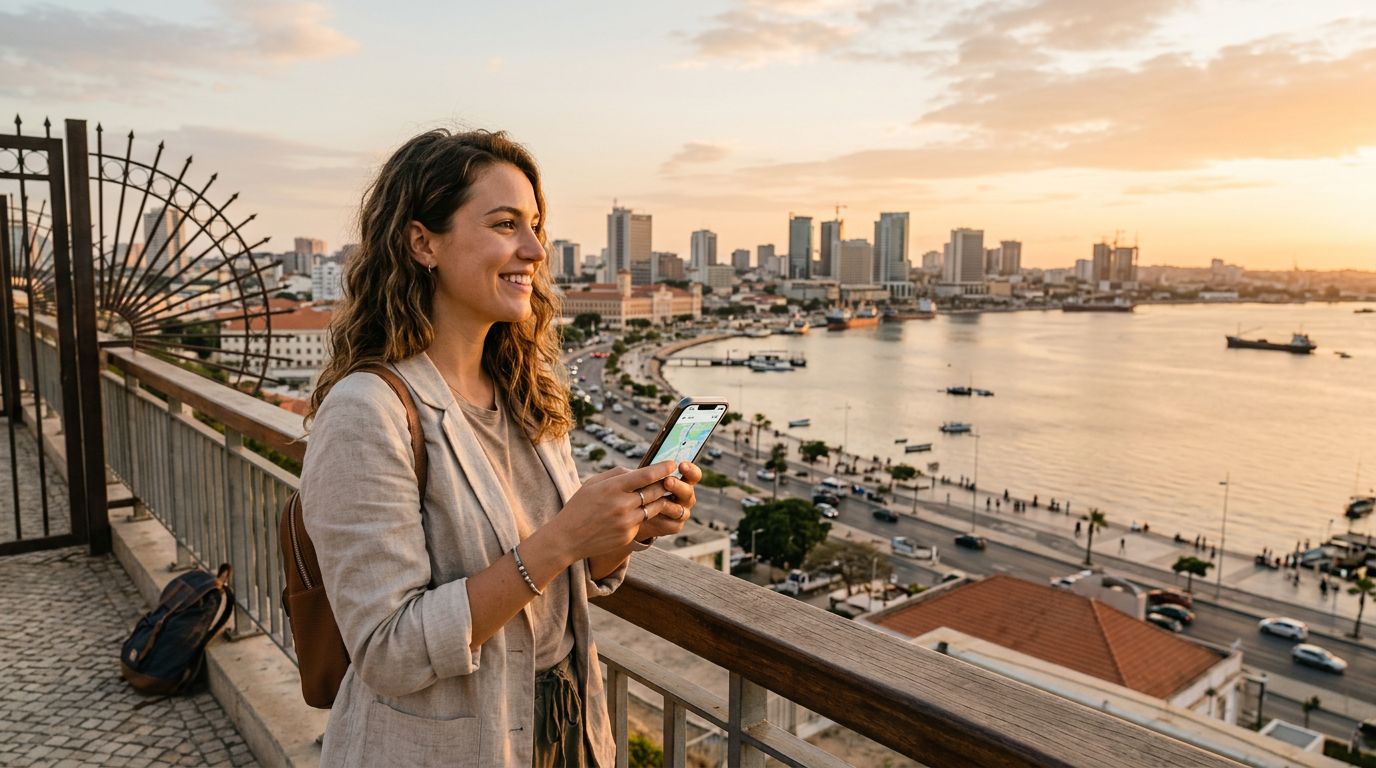
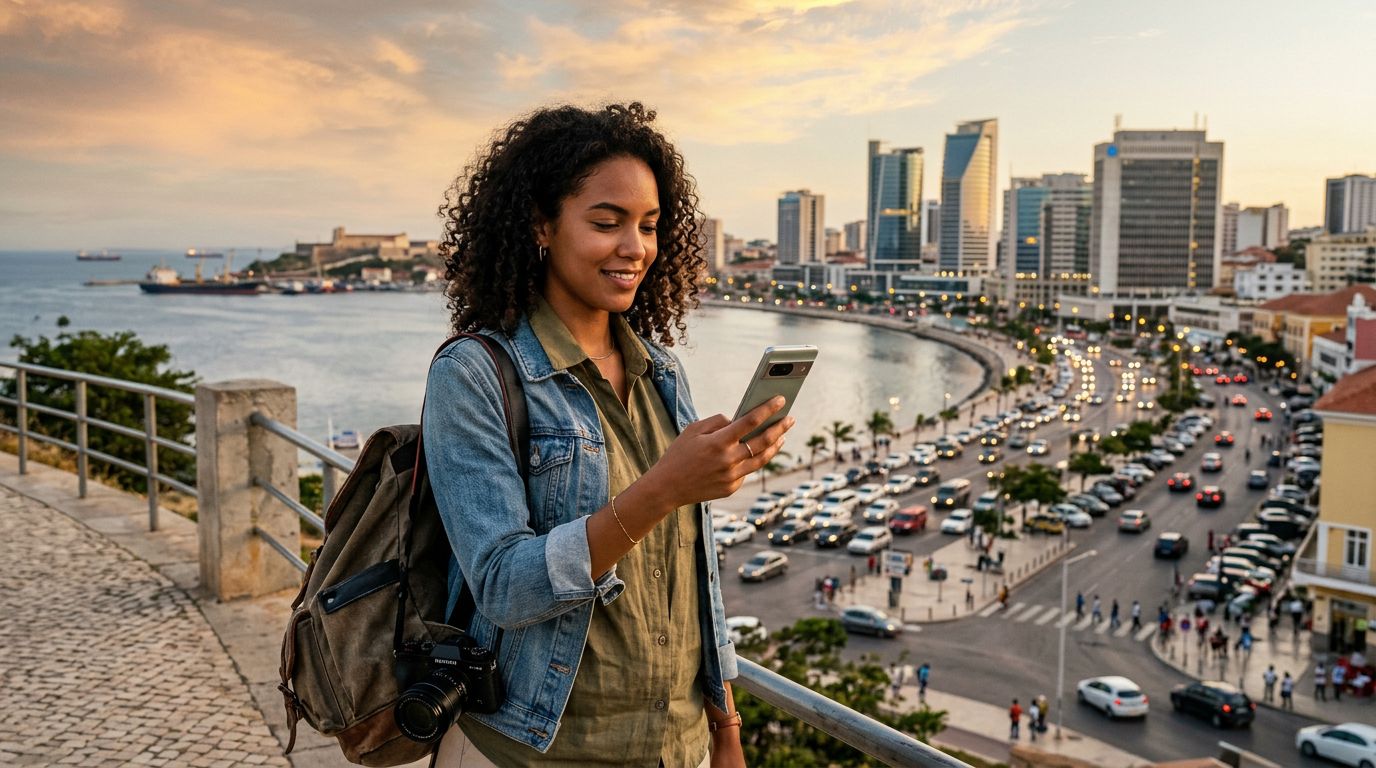
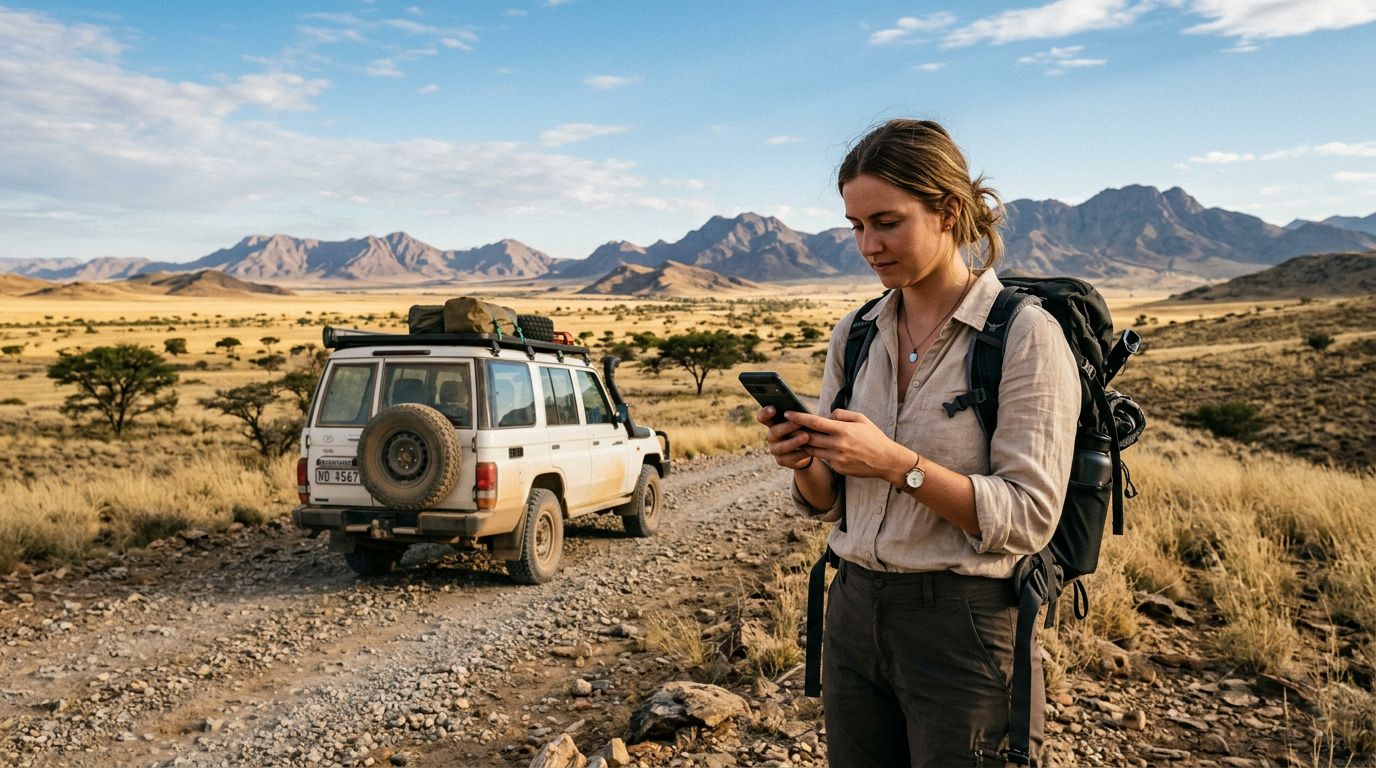
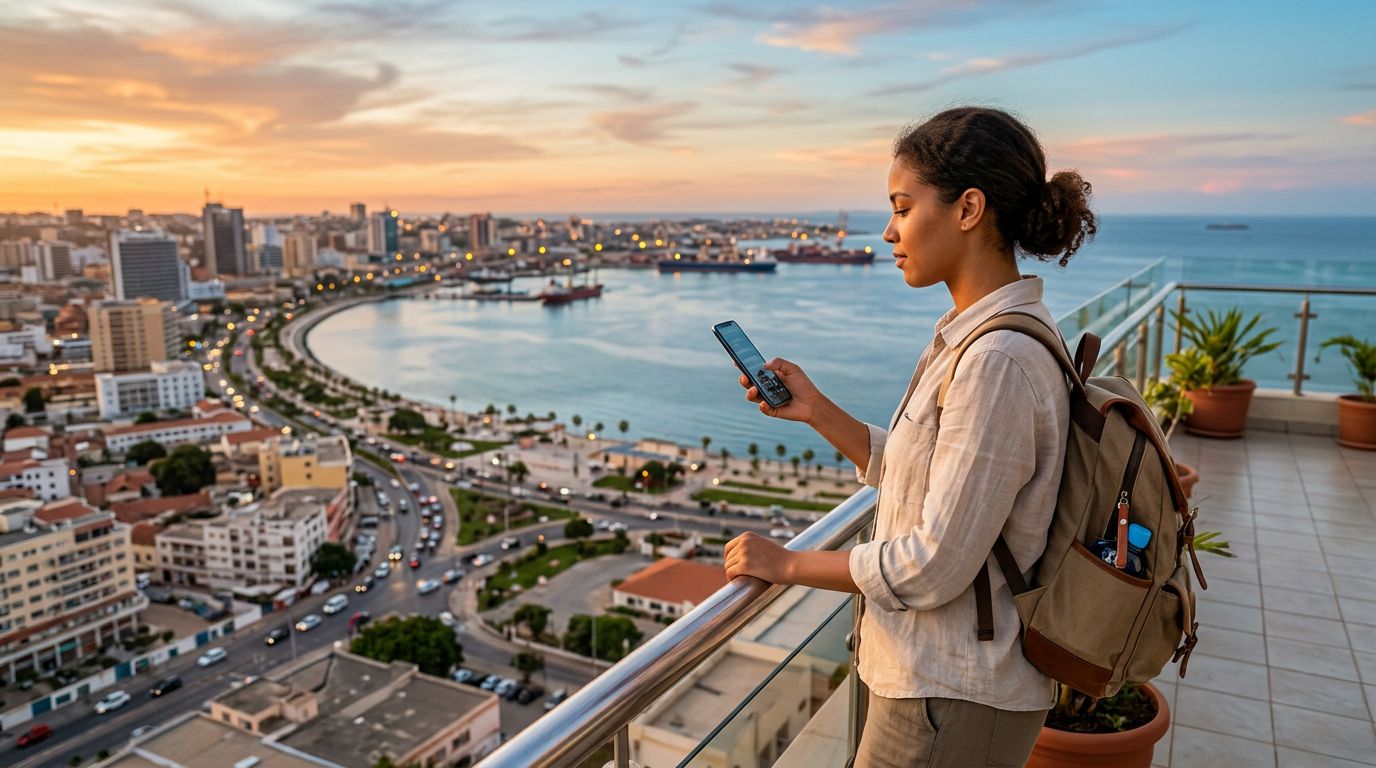
For navigation, download offline maps. Services like Google Maps allow you to save specific regions for offline use. By downloading the map of Luanda or the surrounding provinces while you have a strong connection, you can continue to use turn-by-turn navigation and search for points of interest without needing a constant data stream. This is particularly useful when traveling to more remote areas of Angola where network coverage may fluctuate.
Optimizing Media and Communication Settings
Media consumption is the most significant drain on a mobile data plan. High-definition video streaming, automatic image downloads in messaging apps, and high-quality audio streaming can exhaust a data allowance in a matter of hours. To manage this, adjust the settings within your most-used apps.
In messaging applications, disable the "auto-download" feature for media files. This ensures that videos and high-resolution photos sent to you are only downloaded when you tap on them, rather than cluttering your device and using data the moment they arrive. Similarly, if you use music or podcast streaming services, look for an "offline mode" or "download for offline listening" option. Preparing your media library before you leave your hotel or accommodation is a highly effective way to keep your data usage low throughout the day.
If you must use video conferencing or social media, check the quality settings. Many platforms allow you to lower the resolution of video streams. A slight reduction in visual quality is often imperceptible on a small screen but can result in a massive reduction in data consumption.
Finally, be mindful of how you use your device as a personal hotspot. Connecting a laptop or tablet to your phone’s data connection can deplete your balance rapidly, as these devices often assume they are on a high-speed, unlimited connection and will perform heavy tasks like cloud syncing or software updates. If you must share your connection, do so sparingly and monitor the data usage on your primary device closely.
By taking these proactive measures, you can enjoy the vibrant culture and natural beauty of Angola without the constant worry of running out of data. Using a flexible solution like OneTapSIM allows you to focus on your itinerary rather than your connectivity logistics. With a bit of foresight, you can stay connected efficiently and affordably, ensuring that your travel experience remains seamless from start to finish. Whether you are navigating the urban sprawl of the capital or exploring the rugged coastline, a disciplined approach to data management is the key to a stress-free trip.