Lithuania is a country of striking contrasts, where the medieval charm of Vilnius’s Old Town meets the modern, tech-forward pulse of its growing innovation hubs. Whether you are wandering through the cobblestone streets of the capital, exploring the haunting beauty of the Hill of Crosses, or relaxing on the sandy dunes of the Curonian Spit, staying connected is essential. However, managing mobile data usage in Lithuania requires a bit of strategy to ensure you remain connected without the frustration of unexpected overages or connectivity gaps.
Understanding Your Data Needs While Traveling
Before you land in Vilnius or Kaunas, it is helpful to assess how you actually use your phone while traveling. Many travelers assume they need unlimited data, but often, a few simple adjustments can make a moderate data plan last your entire trip.
The primary culprits for high data consumption are background processes. Apps like social media platforms, cloud storage services, and email clients often sync data in the background without you realizing it. Before you start your journey, go into your device settings—whether you are using an iPhone or an Android device—and restrict background data usage for non-essential applications.
You should also be mindful of video streaming and high-resolution photo uploads. If you are eager to share your experiences on social media, try to wait until you are connected to a stable Wi-Fi network at your hotel or a local café. Lithuania has an impressive infrastructure for public internet, and many urban areas offer reliable access. By shifting heavy data tasks to these networks, you can save your mobile data for essential navigation, translation apps, and instant messaging.
For those who prioritize reliability and ease of use, OneTapSIM offers a seamless way to manage your connectivity. By utilizing an eSIM, you can maintain your primary number for calls and texts while dedicating your secondary data line to your travel needs. This separation makes it much easier to track exactly how much data you have consumed throughout your trip.
Optimizing Device Settings for Efficient Data Consumption
Once you have arrived in Lithuania, your phone will naturally look for the strongest signal. To keep your data usage in check, you can perform a few quick tweaks to your device configuration.
Start by disabling "Wi-Fi Assist" or "Network Switching" features. These settings are designed to automatically switch your phone to cellular data if your Wi-Fi signal becomes weak. While this sounds helpful, it can lead to massive data spikes if you are in a location with spotty public internet. By forcing your device to stick to the Wi-Fi network you have selected, you prevent it from jumping onto your cellular data plan unexpectedly.
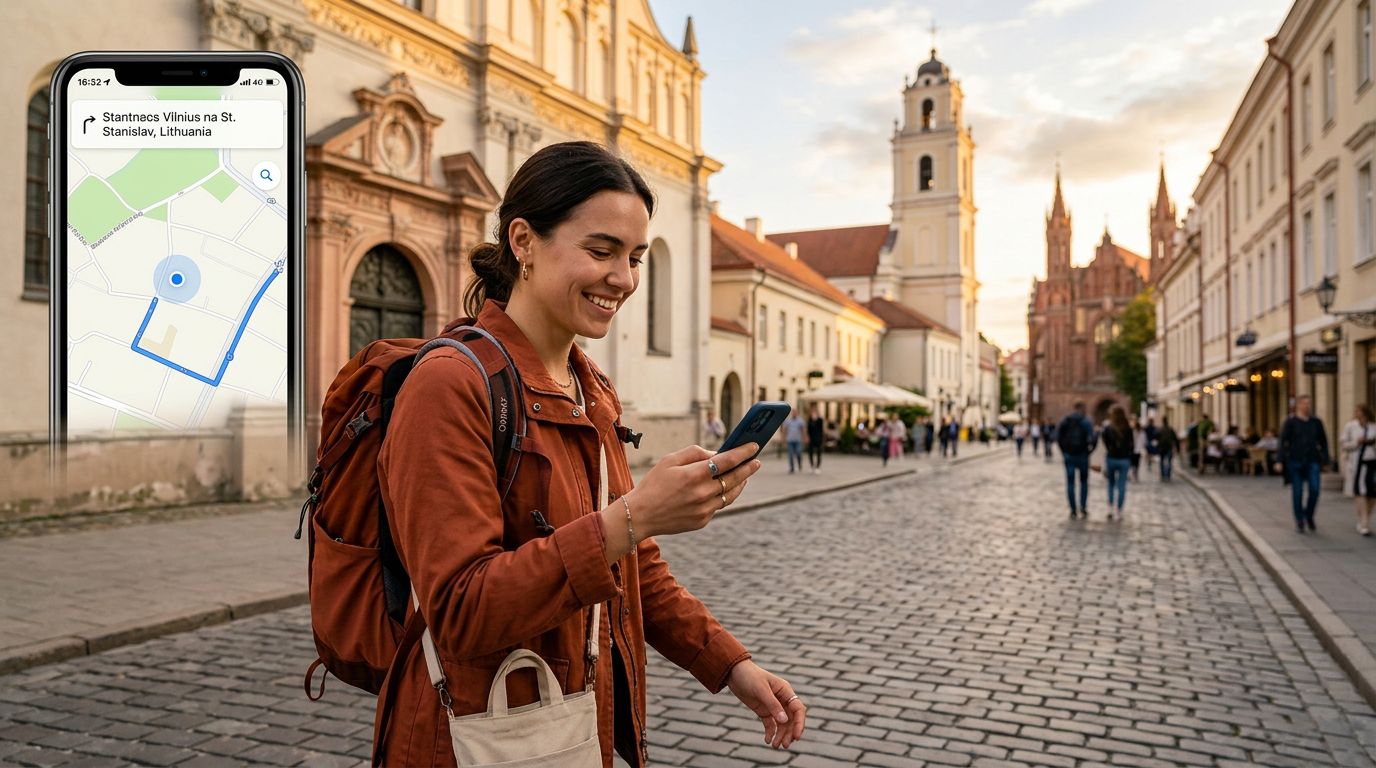
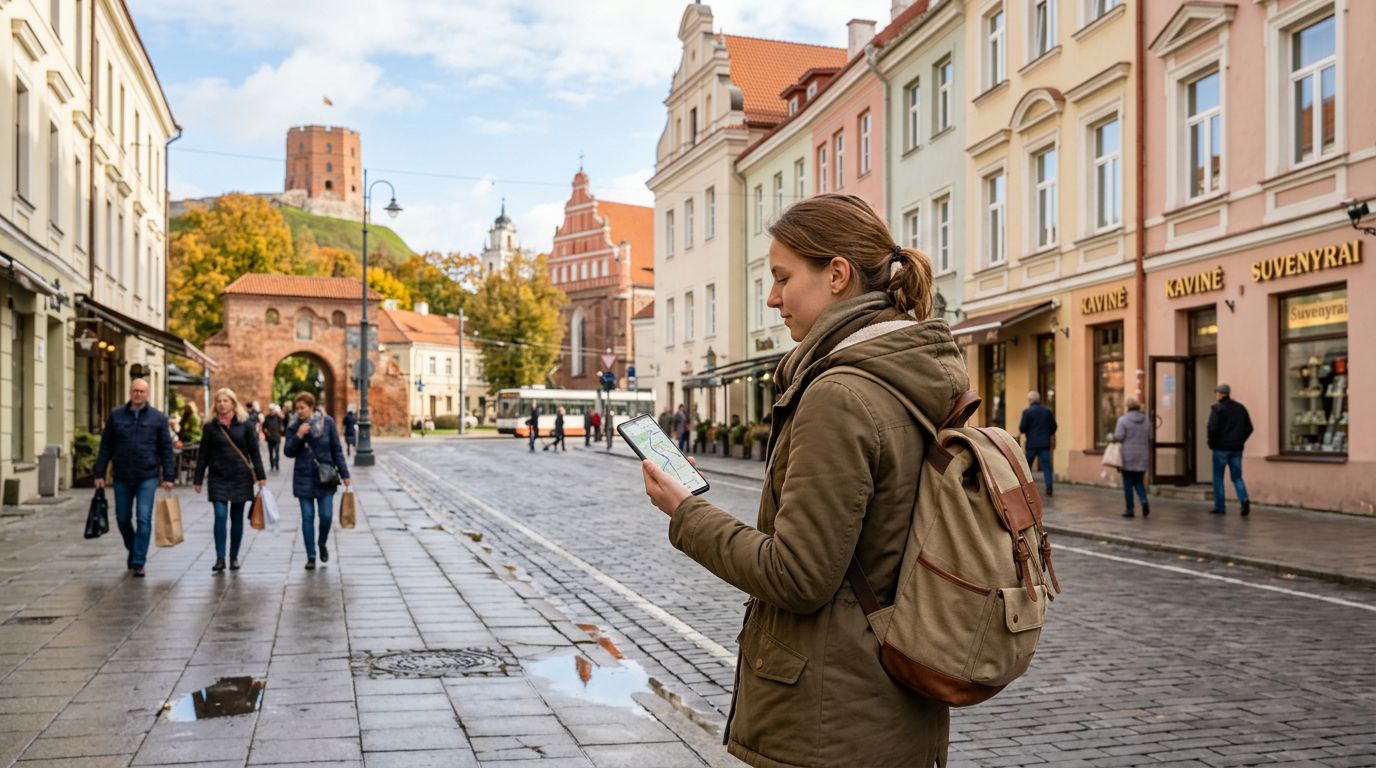
Another effective strategy is to download offline maps. Lithuania is a beautiful country to explore by car or train, and having a map available without needing a constant data connection is a lifesaver. Google Maps allows you to download specific regions for offline use, which provides turn-by-turn directions and location information without burning through your data. Similarly, if you are using translation apps to navigate local menus or signs, ensure you have downloaded the necessary language packs before leaving your accommodation.
If you find that your data usage is still higher than expected, check your device’s built-in data monitor. Both iOS and Android provide detailed breakdowns of which apps are consuming the most data. You might be surprised to find a weather app or a news aggregator running in the background and consuming significant amounts of information. Turning off cellular access for these specific apps while you are roaming can extend your data life significantly.
Staying Connected with Flexibility and Ease
Managing mobile data usage in Lithuania does not have to be a source of stress. The key is to be proactive rather than reactive. When you rely on a flexible solution like an eSIM, you gain the ability to monitor your usage in real-time. Unlike traditional roaming through your home carrier, which often involves opaque billing and delayed usage notifications, an eSIM allows you to see exactly where you stand.
If you are a heavy user who enjoys streaming music while traveling between cities or posting high-quality videos of the Baltic coast, you might consider setting up a data alert on your phone. Most modern smartphones allow you to set a limit or a warning when you reach a certain threshold of data consumption. This acts as a safety net, ensuring you are never caught off guard.
Furthermore, consider the way you use communication apps. Voice and video calls over cellular data can be very taxing. Whenever possible, opt for text-based communication or wait until you have a solid Wi-Fi connection for video chats. If you must make a call, audio-only options generally consume far less data than video calls.
Lithuania offers a unique blend of history and modern convenience. By taking control of your data settings and choosing a reliable connectivity partner like OneTapSIM, you can focus on the experience rather than the technology. Whether you are exploring the Trakai Island Castle or enjoying the vibrant nightlife of Vilnius, having a managed data plan ensures that you can share your favorite moments, find your way through the winding streets, and stay in touch with loved ones back home without any unnecessary technical hurdles.
Ultimately, the goal is to be a smart traveler. By preparing your device before you leave, being mindful of your app settings while on the move, and choosing a connectivity method that gives you transparency, you can enjoy everything Lithuania has to offer. Connection should be a tool that enhances your trip, not a distraction that detracts from it. With a little bit of planning, you can navigate the beautiful Baltic landscape with complete peace of mind, knowing your digital footprint is exactly where you want it to be.