Understanding the Evolution of Connectivity in Macao
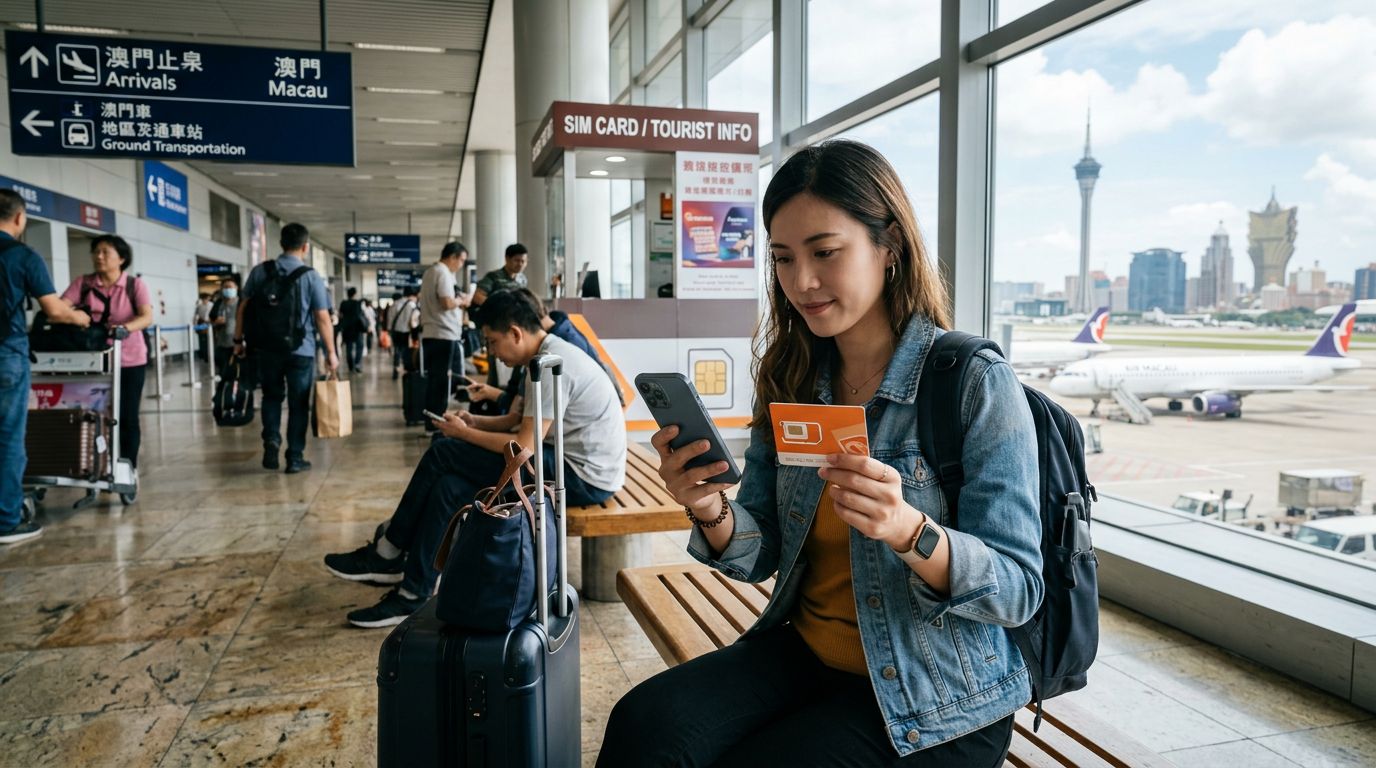
Travelers heading to Macao often find themselves weighing the pros and cons of traditional physical SIM cards against the modern convenience of eSIM technology. Macao is a unique destination where high-speed connectivity is essential, whether you are exploring the historic ruins of St. Paul’s, navigating the vibrant casino resorts, or hopping between the islands of Taipa and Coloane. Historically, obtaining a local physical SIM card meant finding a kiosk at the airport or a convenience store, presenting your passport for registration, and physically swapping out your home SIM card.
The introduction of eSIM technology has shifted this landscape significantly. An eSIM, or embedded SIM, is a digital version of the traditional plastic card that is soldered directly into your smartphone’s hardware. Instead of inserting a physical chip, you simply scan a QR code or install a profile to activate your cellular service. This transition represents a major shift for international travelers who value efficiency and security. When comparing a Macao SIM card vs eSIM, the primary difference lies in the activation process and the physical integrity of your device. With an eSIM, you eliminate the risk of losing your original home SIM card, which is a common hazard when shuffling tiny plastic chips in transit.
Comparing Convenience and Practicality
The logistical differences between physical SIM cards and eSIMs are stark. When you arrive in Macao, a physical SIM card requires you to locate a vendor, wait in a queue, and physically handle your phone’s SIM tray. This process can be frustrating after a long flight, especially if you do not speak the local language or if you arrive outside of standard business hours. Furthermore, physical SIM cards are prone to damage or misplacement. Once removed from your phone, the tiny card must be kept safe for the duration of your trip, creating an unnecessary source of stress.
In contrast, an eSIM allows you to prepare for your trip before you even leave home. By setting up your data plan in advance, you ensure that you have a connection the moment your plane touches down on the tarmac. This is where a service like OneTapSIM proves particularly beneficial. By providing a streamlined installation process, it allows travelers to bypass the airport kiosks entirely. You can land, turn off airplane mode, and immediately use your maps or messaging apps to coordinate your transport to your hotel.
Another practical consideration is the dual-SIM capability of modern smartphones. Most devices that support eSIM also allow you to keep your primary physical SIM card active simultaneously. This means you can continue to receive important texts or calls on your home number while using your eSIM for high-speed local data in Macao. This hybrid approach is the gold standard for business travelers and vacationers alike who need to remain reachable without incurring exorbitant international roaming charges from their home carriers.
Performance and Compatibility Considerations
When evaluating the performance of a Macao SIM card vs eSIM, it is important to note that the underlying network quality is typically identical. Whether you use a physical card or a digital profile, you are connecting to the same local cellular towers. The difference is purely in the delivery mechanism of the service. However, device compatibility remains a crucial factor. While most flagship smartphones released in the last few years support eSIM technology, it is always wise to verify your specific device model before purchasing. You can check the official documentation provided by manufacturers like Apple or Google to confirm if your device is unlocked and eSIM-compatible.
One of the hidden advantages of using an eSIM is the ability to manage multiple profiles. If your trip involves visiting multiple destinations—perhaps a quick ferry ride from Macao to Hong Kong or a journey into mainland China—you can pre-load multiple eSIM profiles and switch between them with a few taps in your phone’s settings. This flexibility is impossible with a single physical SIM card, which would require you to physically swap cards every time you cross a border.
Additionally, using an eSIM is a more sustainable choice. It reduces the production of plastic waste and the carbon footprint associated with shipping physical cards to retail locations. By choosing a digital-first approach, you are opting for a cleaner, more efficient way to manage your mobile data. OneTapSIM focuses on this modern experience, ensuring that the transition to digital connectivity is as smooth as possible for every type of traveler.
Making the Final Decision for Your Trip
Deciding between a physical card and an eSIM ultimately comes down to your priorities regarding speed, convenience, and device capability. If you are using an older smartphone that does not support eSIM, a physical SIM card remains a reliable and necessary option. You will need to ensure your phone is carrier-unlocked so that it can accept a foreign SIM. If you are comfortable with the manual process of swapping cards and do not mind a potential wait at the airport, a physical card will serve its purpose well.
However, for the vast majority of modern travelers, the eSIM is the superior choice. The ability to activate your data plan from the comfort of your living room, the security of keeping your home SIM card tucked away inside your phone, and the ease of managing your connectivity across different regions make it the clear winner. By removing the physical barriers of traditional roaming, you gain more time to enjoy the sights, sounds, and culinary delights of Macao.
As you plan your itinerary, consider how much you value your time upon arrival. If you prefer to hit the ground running, an eSIM is the most logical step. It provides a seamless transition from your home network to local coverage, allowing you to focus on your trip rather than your connectivity. Whether you are visiting for the architecture, the food, or the entertainment, having a reliable data connection is the foundation of a successful journey. With the right preparation and the right technology, staying connected in Macao is simpler than ever before.
Get an eSIM for
Plans for the destinations covered in this guide, with instant QR delivery.