Understanding Connectivity Options in Chad
Traveling to Chad offers a unique experience, from the stunning landscapes of the Ennedi Plateau to the cultural richness of N'Djamena. However, staying connected in a country with vast, remote regions requires careful planning. When you arrive, you are faced with a fundamental choice: sticking with a traditional physical SIM card or upgrading to the modern convenience of an eSIM.
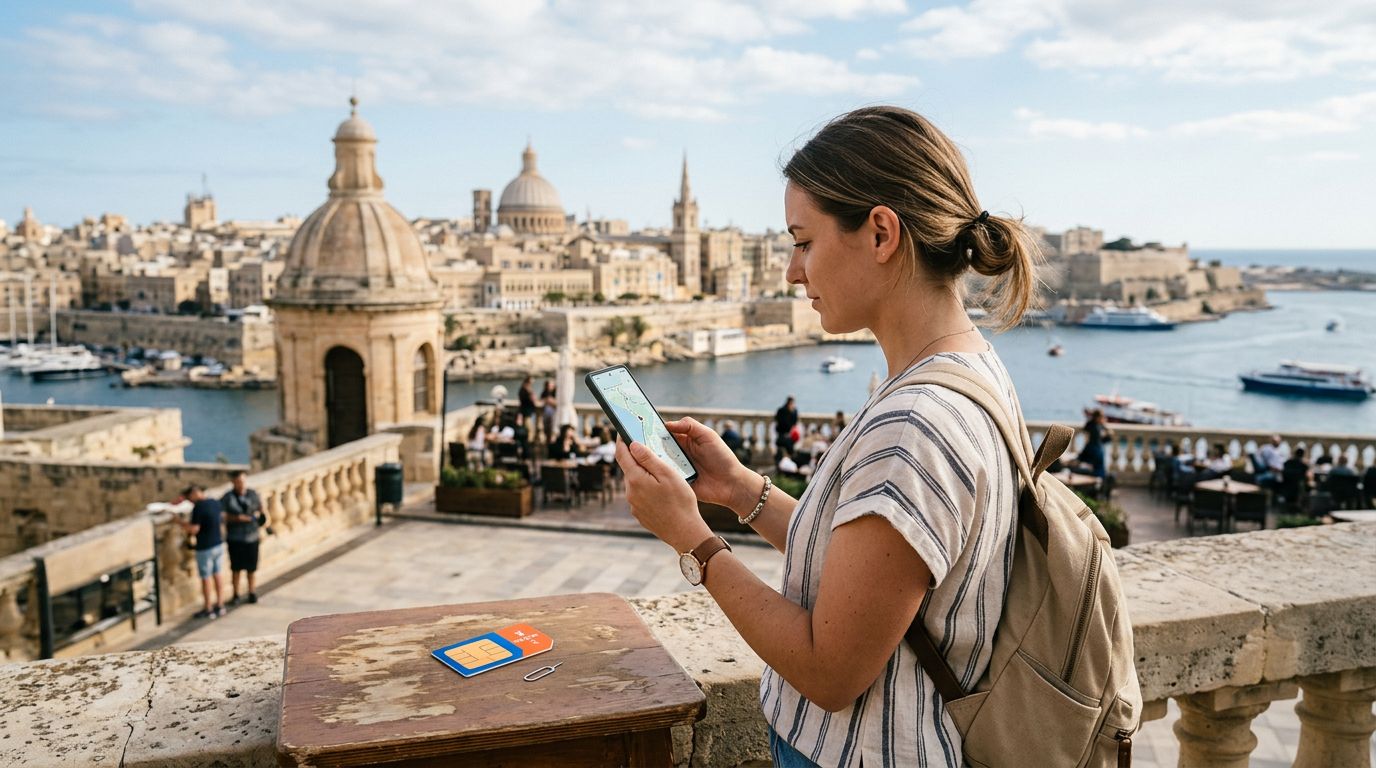
A physical SIM card is the standard plastic chip that has been the backbone of mobile telecommunications for decades. To use one in Chad, you typically visit a local provider’s retail store, present your passport for registration, and manually insert the card into your device. This process can be time-consuming, especially if you arrive at the airport after a long flight and find yourself waiting in a queue behind other travelers.
Conversely, an eSIM—or embedded SIM—is a digital version of that same technology. It is built directly into the hardware of your smartphone. Because it is digital, you do not need to physically swap anything out. You simply download a profile, activate it, and your phone connects to the local network as if you had inserted a local card. For travelers, this shift represents a move toward greater autonomy and efficiency.
Comparing the Physical SIM and eSIM Experience
The primary difference between a Chad SIM card and an eSIM lies in the logistics of acquisition and management. With a physical SIM, you are tethered to the operating hours of local kiosks. If you land in the middle of the night or on a public holiday, you might find yourself without connectivity until the shops open. Furthermore, managing a physical SIM requires you to keep track of your original home SIM card, which is tiny and easily misplaced. If you lose your home SIM, you risk losing access to your primary phone number and authentication codes for your banking or email accounts.
The eSIM removes these physical risks. Because you can set up an eSIM before you even leave your home country, you can land in Chad and have immediate access to data. This is particularly beneficial for those who rely on rideshare apps, maps, or translation tools the moment they step off the plane.
Another factor to consider is device compatibility. While most modern smartphones manufactured in the last few years support eSIM technology, it is essential to check if your specific model is unlocked and eSIM-ready. You can verify your device’s capabilities through the official support pages provided by Apple or Google. If your device is compatible, the transition to a digital solution is seamless. If you are using an older device, you may be forced to rely on the traditional physical card method.
Why OneTapSIM is a Practical Choice for Travelers
When you decide to go the digital route, the quality of the provider becomes the most important factor. OneTapSIM offers a streamlined experience designed to eliminate the common frustrations associated with international roaming. Instead of searching for a local store in a foreign city, you can manage your connectivity through a user-friendly interface that prioritizes simplicity.
Reliability is the cornerstone of a good travel connection. In a country like Chad, where infrastructure can vary significantly between urban centers and rural areas, having a stable data connection is vital for safety and navigation. OneTapSIM focuses on providing consistent access, ensuring that you can reach out to family, check your itineraries, or look up information without worrying about whether your data plan will drop.
Beyond the technical aspects, there is the matter of security. Handling physical SIM cards involves exposing your phone’s internal components to dust, moisture, and potential damage during the removal and insertion process. By using an eSIM, your device remains sealed, protecting the delicate internal hardware. Furthermore, because you do not need to share your personal identification documents with multiple third-party kiosks, you maintain better control over your privacy.
Practical Tips for Your Trip to Chad
Regardless of whether you choose a traditional SIM or an eSIM, there are several best practices to follow to ensure your trip remains stress-free. First, always ensure your phone is carrier-unlocked. Many mobile providers lock devices to their specific network, which prevents you from using any other SIM card—physical or digital—while abroad. Contact your home carrier before your departure to confirm your device is unlocked.
Second, manage your data usage effectively. Even with a reliable data plan, it is wise to download offline maps of Chad before you arrive. Apps like Google Maps allow you to save specific regions for offline use, which is a lifesaver when you are traveling through remote areas where cellular reception might be spotty or non-existent.
Third, keep a backup plan. If you are a heavy data user, consider keeping your primary home SIM active in a "low data" mode, or keep a secondary device as a backup. While digital solutions are highly reliable, technology can occasionally encounter glitches. Having a secondary way to access the internet or make emergency calls provides peace of mind.
Finally, consider the duration of your stay. If you are visiting for a short business trip or a quick vacation, an eSIM is almost certainly the superior choice due to the time saved. If you are planning an extended stay of several months, you might find that a local physical SIM contract offers more specific long-term benefits, but for the vast majority of travelers, the convenience and speed of an eSIM make it the clear winner. By preparing your connectivity strategy in advance, you can focus on the incredible experience of exploring Chad rather than worrying about your phone settings.
Get an eSIM for
Plans for the destinations covered in this guide, with instant QR delivery.