Understanding the Connectivity Landscape in Chad
Traveling to Chad offers a unique experience, from the stunning landscapes of the Ennedi Plateau to the bustling markets of N'Djamena. However, staying connected in a country with such diverse terrain requires careful planning. For most travelers, the choice comes down to the traditional physical SIM card versus the modern eSIM technology. Understanding the differences between these two options is the first step toward ensuring you have reliable data throughout your journey.
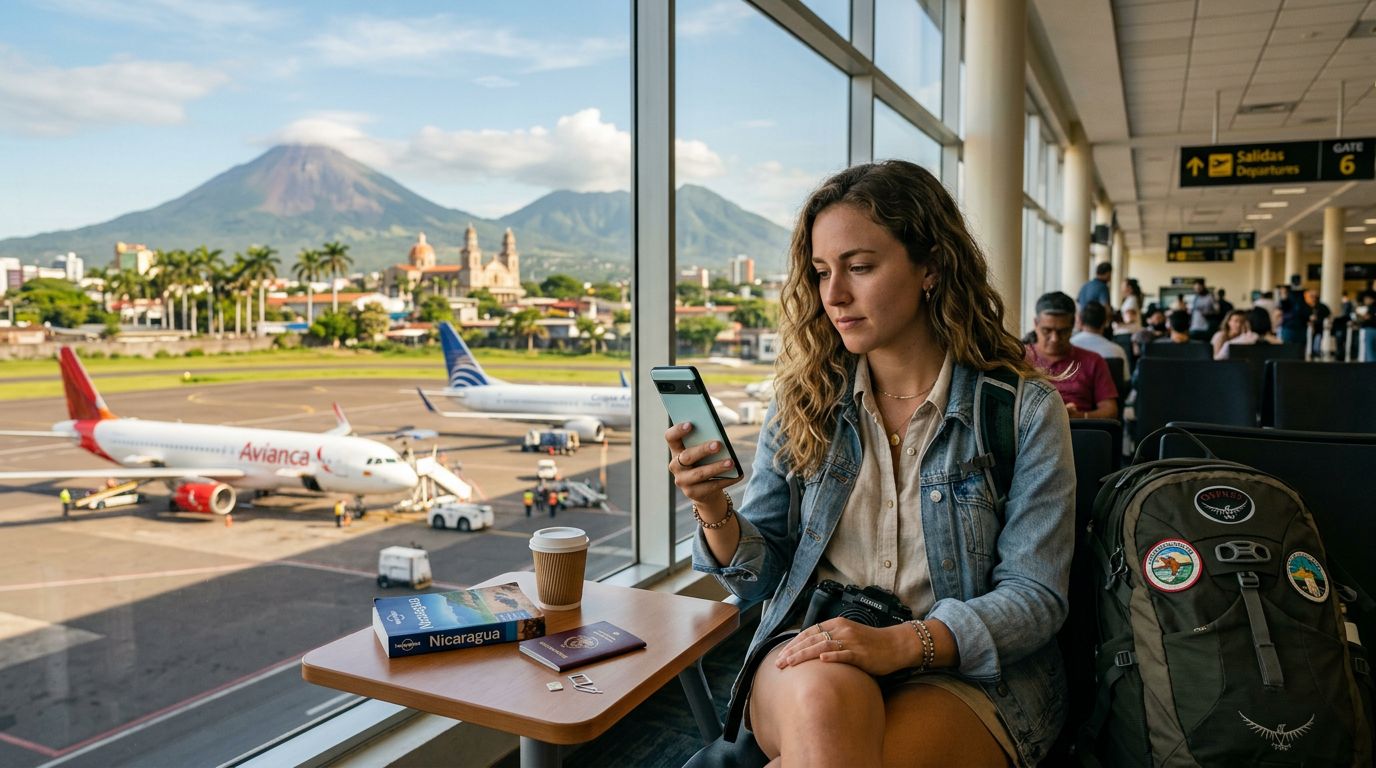
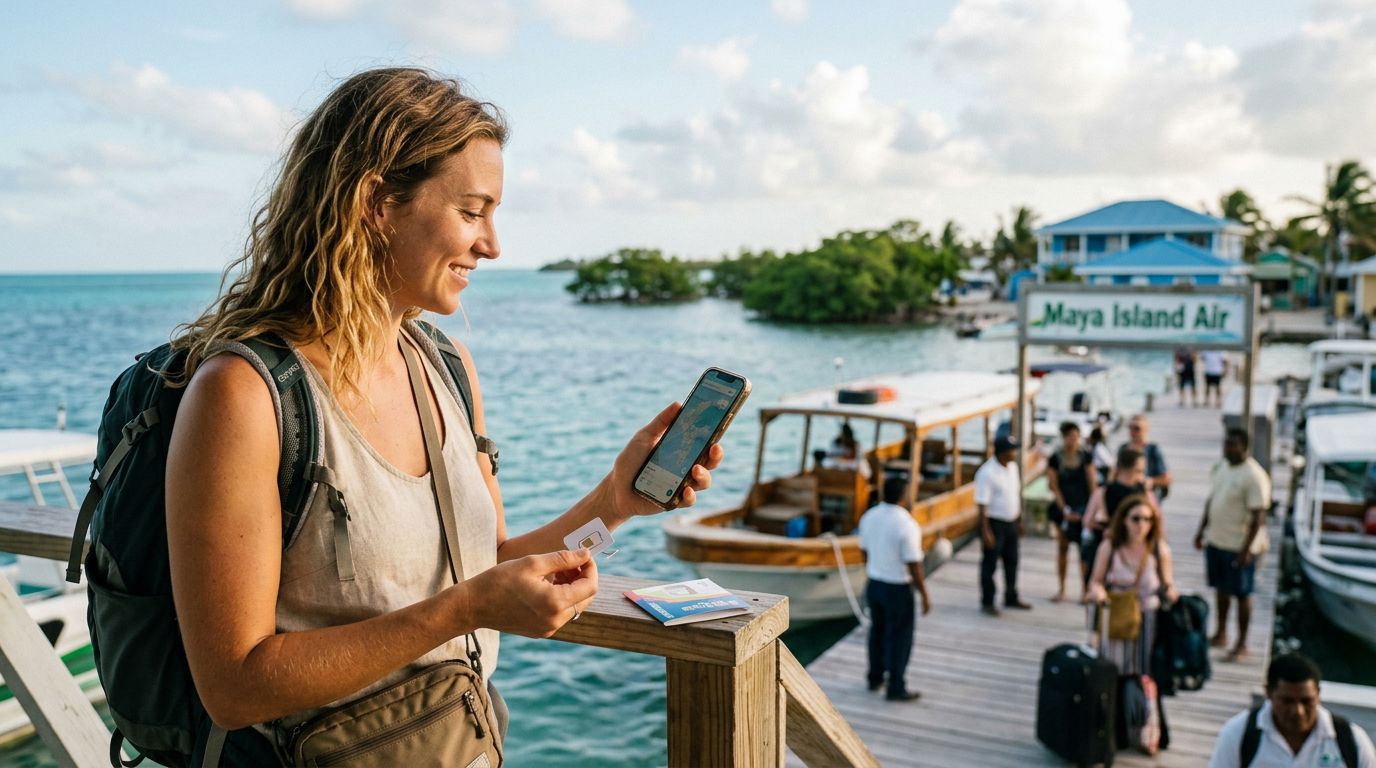
A traditional SIM card is a small, physical chip that you insert into your device. To acquire one in Chad, you typically need to visit a local mobile operator’s store, present your passport for registration, and manually swap out your home SIM card. This process can be time-consuming, especially if you arrive at the airport after a long flight and find a queue at the kiosk. Furthermore, there is always the risk of losing your original home SIM card while it is out of your phone.
In contrast, an eSIM is a digital version of a SIM card that is embedded directly into your phone’s hardware. It allows you to activate a mobile data plan without needing a physical chip. Because it is software-based, you can purchase and install your plan before you even leave home. This convenience is a significant advantage for international travelers who want to land in N'Djamena and have their phone connect to the local network immediately. When comparing a Chad SIM card vs eSIM, the primary trade-off is between the familiarity of physical hardware and the seamless, remote nature of digital connectivity.
The Practical Benefits of Choosing an eSIM
The shift toward eSIM technology has changed how people approach international travel. One of the most significant benefits is the ability to maintain your home phone number while simultaneously using a local data plan. Most modern smartphones allow you to keep your primary SIM active for calls and texts from home, while your eSIM handles all your data needs for maps, translation apps, and social media. This dual-SIM functionality ensures you never miss an important message from home while you explore the Chari River or head out on an excursion.
Another major advantage is the avoidance of physical logistics. When you rely on a local SIM card, you are at the mercy of store hours and stock availability. If you arrive late at night or on a weekend, you might find yourself without connectivity until the next business day. With a service like OneTapSIM, you can secure your data plan weeks in advance. The installation process is straightforward, requiring only a quick scan of a QR code or a manual entry provided by the service. This eliminates the need to fiddle with tiny metal tools or worry about dropping a small plastic card in a crowded airport terminal.
Security is also a factor. Physical SIM cards are susceptible to damage or theft. If you lose your phone, you also lose the local SIM, which can be a headache to replace. With an eSIM, the profile is linked to your device’s unique identity. If you happen to upgrade your phone or need to manage your settings, you have more control through your device’s interface. For travelers who value efficiency and want to minimize the amount of time spent dealing with administrative tasks during their vacation, the eSIM offers a much smoother experience.
Making the Switch: Is Your Device Ready?
Before deciding between a Chad SIM card vs eSIM, you must verify that your smartphone is compatible. Most flagship devices released in the last few years support eSIM technology. You can check your device’s settings menu under the cellular or mobile data section to see if there is an option to "Add eSIM" or "Add Cellular Plan." If this option appears, your device is likely ready to go. You can also consult the official support pages for Apple or Google to confirm specific model capabilities.
If your device is locked to a specific carrier, you may need to contact your home provider to request an unlock before you travel. A locked phone will not accept an eSIM from a different provider, which would render the digital option useless. Once you have confirmed that your device is unlocked and eSIM-compatible, the transition to a digital plan becomes quite simple.
OneTapSIM provides a streamlined way to get connected without the hassle of navigating local retail environments. By choosing this route, you bypass the language barriers and registration requirements that can sometimes complicate the purchase of a physical SIM card in a foreign country. Instead of spending your first few hours in Chad standing in line at a telecom provider, you can step off the plane and have your device ready to navigate, share photos, and communicate with family.
Ultimately, the choice depends on your personal comfort level with technology and your specific travel needs. If you are a traveler who prefers a tangible, traditional approach and enjoys the process of visiting local shops, a physical SIM card might still hold appeal. However, for those who prioritize time-saving, security, and the ability to manage their connectivity from anywhere in the world, the eSIM is the clear winner. By preparing your device before you depart, you ensure that your focus remains on the incredible experiences Chad has to offer, rather than the logistics of staying online. With the right preparation, you can enjoy a seamless digital experience that supports your journey from start to finish.
Get an eSIM for
Plans for the destinations covered in this guide, with instant QR delivery.