Understanding the Connectivity Landscape in Macao
Traveling to Macao offers a unique blend of historical charm and modern luxury. Whether you are visiting the iconic ruins of St. Paul's or exploring the vibrant casino resorts, staying connected is essential for navigation, translation, and sharing your experiences. When planning your trip, you will inevitably face the choice between a traditional physical SIM card and the more modern eSIM technology.
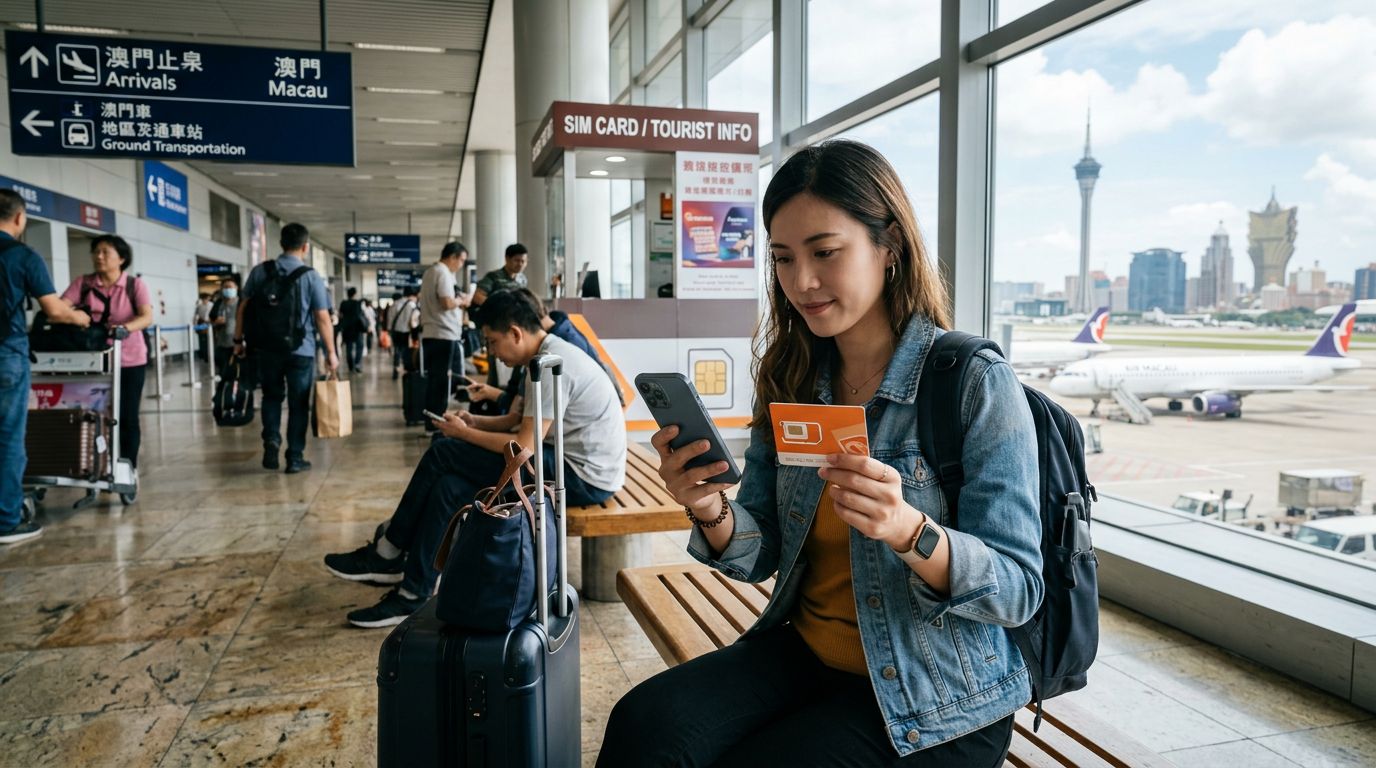
A traditional SIM card is a small, removable chip that you insert into your device. For years, this was the only way to access local cellular networks while abroad. You would typically purchase one at the airport upon arrival or at a local convenience store. While this method is time-tested, it requires you to physically handle your phone’s SIM tray, swap out your home SIM card, and store it safely to avoid losing it.
On the other hand, an eSIM is a digital version of a SIM card. It is embedded directly into the hardware of compatible smartphones. Instead of swapping a physical piece of plastic, you activate an eSIM by scanning a QR code or installing a profile through an app. This shift in technology has changed how travelers manage their connectivity. With a provider like OneTapSIM, the process is streamlined, allowing you to set up your connection before you even board your flight. By comparing the two, you can decide which method aligns better with your travel style and technical comfort level.
Comparing Convenience and Installation
The most significant difference between a physical SIM and an eSIM lies in the installation process. A physical SIM card requires a degree of manual labor. You must locate the SIM ejector tool, open your device's tray, remove your home card, insert the new one, and ensure it is seated correctly. This process can be fiddly, especially in a busy airport terminal or on a moving vehicle. Furthermore, the risk of losing your original SIM card is a constant concern for many travelers.
An eSIM removes these physical barriers. Because it is software-based, you do not need to open your phone or handle small, easily lost components. For many users, the primary benefit of an eSIM is the ability to activate service remotely. You can purchase your plan, receive your installation instructions, and finish the setup process while you are still at home or in the transit lounge. Once you land in Macao, your phone automatically connects to the local network.
This is where OneTapSIM offers a distinct advantage. By moving the procurement process to a digital platform, you eliminate the need to hunt for a physical kiosk after a long flight. You avoid the language barriers that can sometimes occur when trying to communicate your data needs to a local vendor. If your device supports eSIM technology, this digital approach is almost universally faster and less stressful than the traditional alternative. However, it is vital to ensure your phone is carrier-unlocked before you travel, as a locked device will prevent you from using either a local SIM or an eSIM from a third-party provider.
Flexibility and Network Performance
When evaluating a Macao SIM card vs eSIM, you should also consider how each option manages your existing phone number and data usage. A major advantage of using an eSIM is the ability to keep your home SIM card active inside your phone. Many modern smartphones allow for dual-SIM functionality, meaning you can keep your primary number active for important incoming calls or texts while using your eSIM for high-speed data in Macao. This allows you to stay reachable for work or family emergencies without incurring the high roaming charges typically associated with using your home carrier abroad.
In terms of network performance, both physical SIMs and eSIMs generally tap into the same local infrastructure. Whether you choose a traditional card or a digital profile, your phone will connect to the same cell towers in Macao. The quality of your signal, the speed of your data, and the coverage in remote areas will be determined by the local network provider, not the format of the SIM itself.
However, the management of these services differs. With a physical SIM, if you run out of data, you are often required to find another shop to purchase a top-up or a new card. With an eSIM, managing your data usage is usually handled through an app or a web portal. This gives you more control over your spending and allows you to add more data on the go if your usage is higher than expected.
If you are a frequent traveler, the eSIM model is significantly more sustainable. You do not accumulate a collection of plastic cards, and you can switch between different regional plans with just a few taps. For those who prefer a straightforward, hands-off approach, the physical SIM remains a functional choice, but it lacks the versatility and ease of management that modern digital solutions provide. Ultimately, the decision comes down to your device compatibility and your preference for managing your digital footprint while you explore the unique sights of Macao. If your phone supports it, the transition to an eSIM is a simple upgrade that makes international travel significantly more convenient.