Understanding Your Connectivity Options in Macau
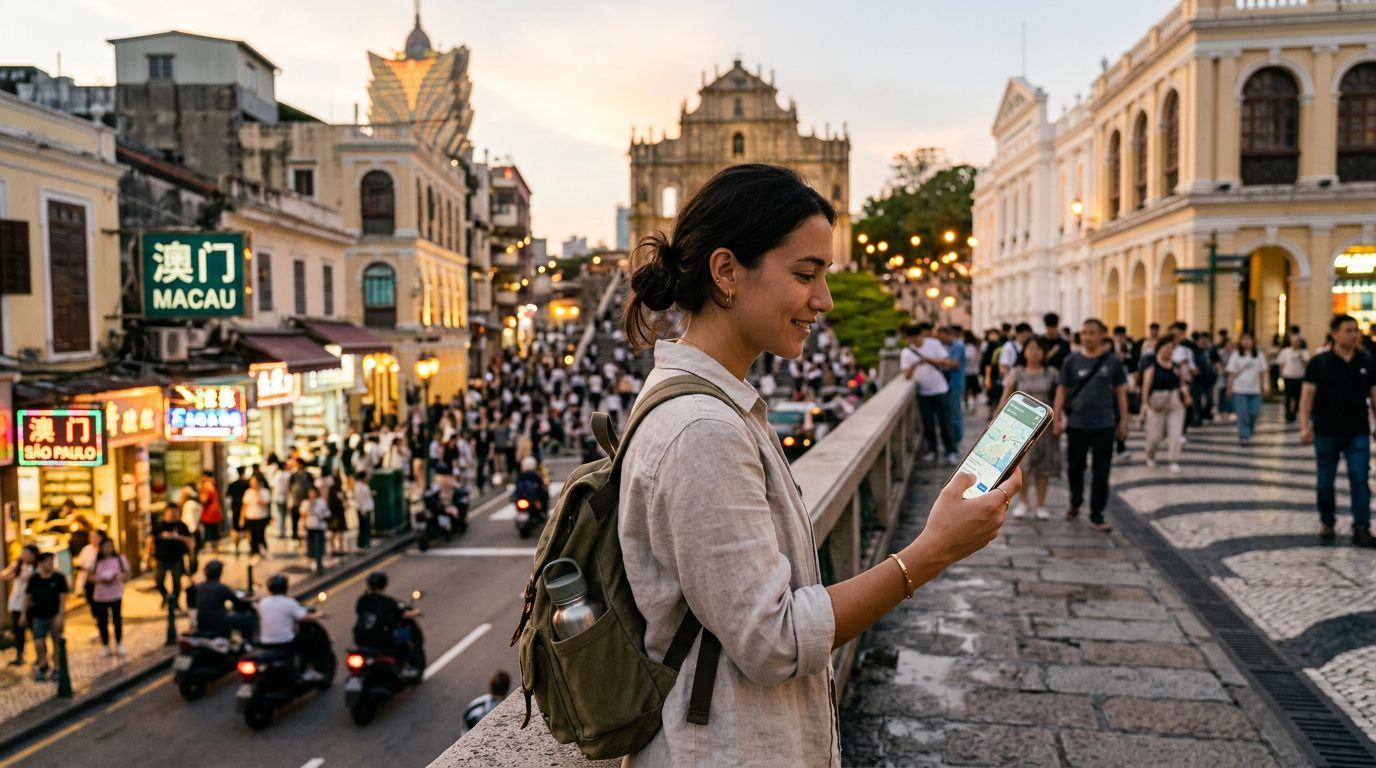
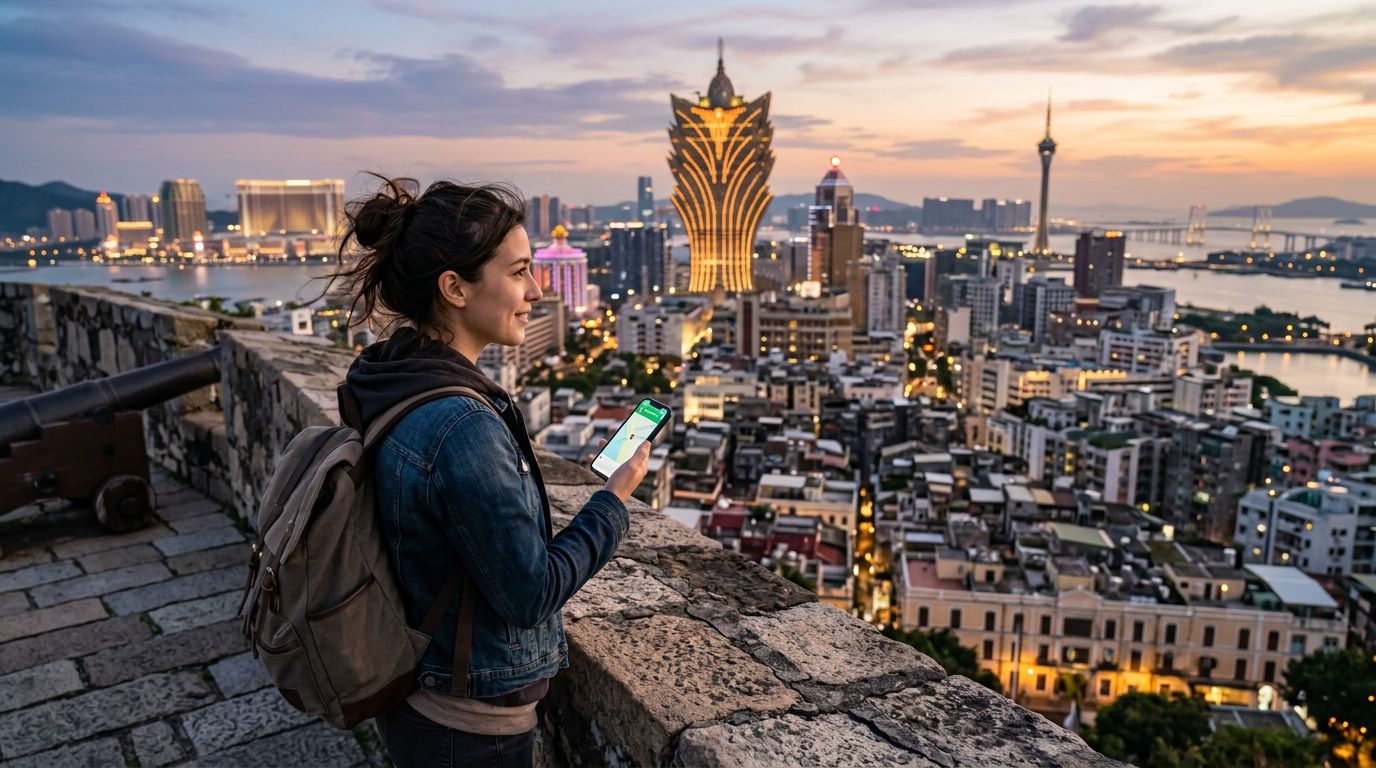
Planning a trip to Macau involves balancing the excitement of the casinos, historical sites, and world-class dining with the practical need to stay connected. Whether you are navigating the narrow streets of the Historic Centre or sharing photos of the Cotai Strip, having a reliable mobile data connection is essential. When you arrive, you are generally faced with two primary choices for mobile data: a traditional physical SIM card or a digital eSIM.
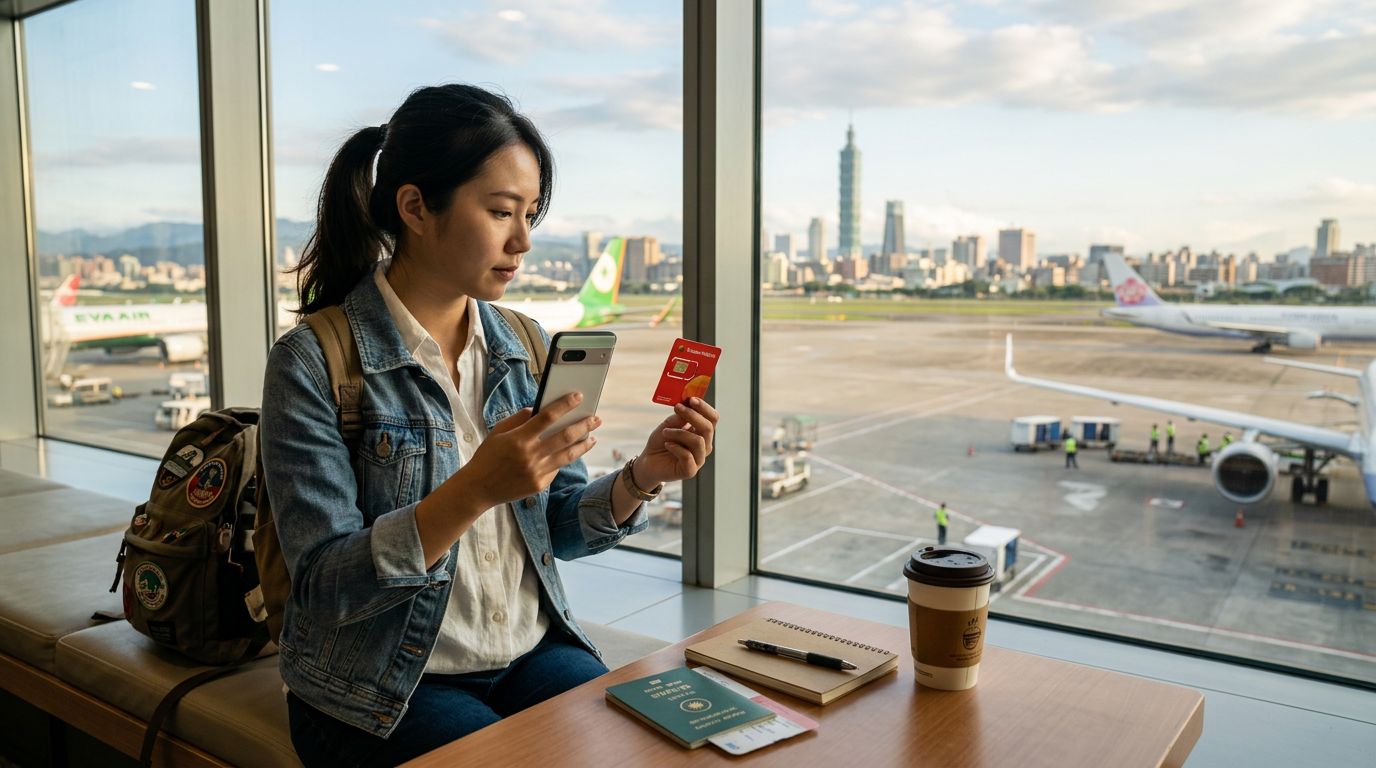
The traditional physical SIM card has been the standard for travelers for decades. It involves purchasing a small plastic chip at a kiosk, airport counter, or convenience store upon arrival. You then physically insert this card into your phone’s SIM tray, which often requires a small tool to pop the slot open. Once inserted, the card connects to a local network, allowing you to access data and local services.
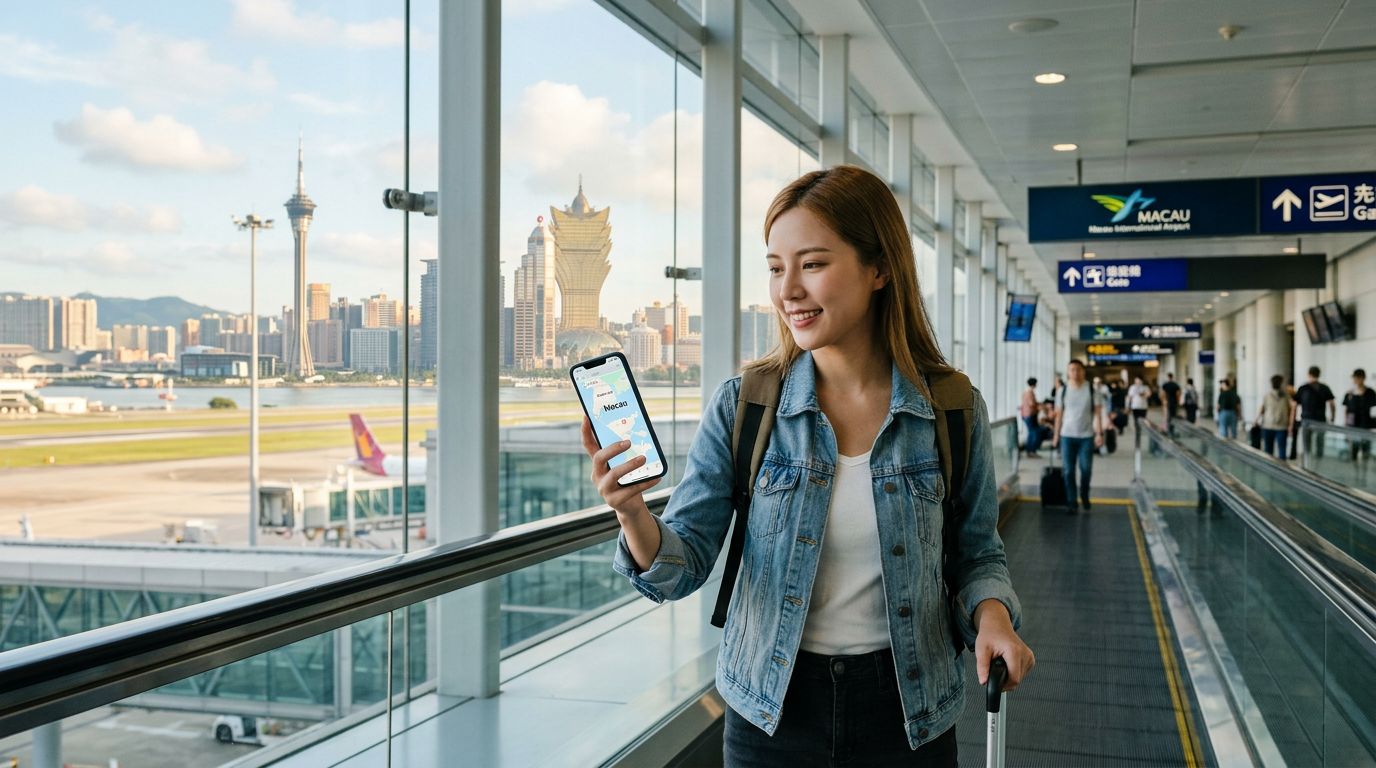
In contrast, an eSIM—or embedded SIM—is a digital version of that physical card. It is built directly into the hardware of modern smartphones. Instead of swapping out a physical chip, you activate an eSIM by scanning a QR code or entering details provided by your service provider. This process happens entirely over the air, meaning you can set up your connection before your plane even touches down at Macau International Airport. Comparing a Macau SIM card vs eSIM requires looking at convenience, security, and the flexibility of your specific device.
The Pros and Cons of Physical SIM Cards
Physical SIM cards are a familiar technology. For many travelers, the process of walking up to a counter and getting a physical card provides a sense of certainty. You receive a tangible item, and if you have an older device that does not support newer standards, it remains your only viable option.
However, the physical nature of these cards introduces several inconveniences. First, there is the time cost. After a long flight, the last thing most travelers want to do is stand in a queue at an airport kiosk, provide identification, and wait for a clerk to register the card. This process can be slow, especially during peak travel hours or busy holiday seasons.
Furthermore, physical SIM cards are fragile and easy to lose. You must remove your home SIM card to make room for the local one. If you lose your original SIM card while traveling, you may face significant hurdles when trying to restore your service back home. There is also the physical wear and tear on your phone’s SIM tray, which can become damaged with repeated opening and closing. If you are traveling to multiple destinations, you have to repeat the entire process of buying and swapping cards every time you cross a border.
The Advantages of Choosing an eSIM
The shift toward eSIM technology has transformed the travel experience for many. The primary advantage is convenience. With a provider like OneTapSIM, you can purchase your data plan online and receive the setup instructions immediately. By installing the profile before you leave home, your phone will automatically switch to the local Macau network as soon as you land. This eliminates the need to hunt for a shop or deal with language barriers at a service counter.
Another significant benefit is the ability to keep your home number active. Because an eSIM is digital, many modern smartphones allow you to use your physical SIM and your eSIM simultaneously. This means you can keep your primary phone number active for urgent calls or two-factor authentication codes from your bank, while using your eSIM for data-heavy tasks like navigation and social media.
Security is also improved. Physical cards can be stolen or tampered with, but an eSIM profile is tied to your device’s unique hardware. You do not have to worry about losing a tiny piece of plastic or exposing your phone’s internal components to dust and humidity in the tropical climate of Macau.
Finally, eSIMs are more environmentally friendly. By removing the need for plastic cards, packaging, and the logistics of shipping physical inventory to retail locations, the eSIM model reduces the carbon footprint associated with your travel connectivity. It is a cleaner, faster, and more efficient way to manage your mobile data.
Compatibility and How to Get Started
Before deciding between a Macau SIM card vs eSIM, you must verify that your device is compatible. Most flagship smartphones released in the last few years support eSIM technology. You can check your device settings or search for your phone model on official support pages from manufacturers like Apple or Google to confirm if your device is unlocked and eSIM-ready.
If your phone supports it, the setup process is straightforward. Once you purchase a plan, you will receive a confirmation, usually via email, containing a QR code or a manual activation code. You simply navigate to your phone’s cellular settings, select the option to add a cellular plan, and follow the prompts to scan the code. The entire process takes only a few minutes.
When you arrive in Macau, the eSIM will connect to the local network automatically. If it does not connect immediately, toggling your "Airplane Mode" on and off usually forces the device to search for the local signal. OneTapSIM provides clear, step-by-step guides to ensure that your setup is seamless, allowing you to focus on your itinerary rather than your connection settings.
While physical SIM cards still serve a purpose for those with older hardware or specific local requirements, the eSIM has become the preferred choice for modern travelers. It offers a level of freedom and efficiency that traditional methods simply cannot match. By opting for an eSIM for your Macau trip, you ensure that you stay connected from the moment you arrive, allowing you to navigate the city’s vibrant streets and capture every moment with ease. Whether you are visiting for a weekend getaway or a longer stay, the digital transition makes your travel experience smoother and more reliable.