Understanding Your Connectivity Options in Laos
Traveling to Laos offers an escape into breathtaking landscapes, from the mist-covered mountains of Luang Prabang to the tranquil waters of the 4,000 Islands. While the scenery is timeless, staying connected requires a modern approach. When planning your trip, you will encounter two primary methods for mobile data: the traditional physical SIM card and the modern eSIM. Comparing a Laos SIM card vs eSIM is essential to ensuring you have reliable navigation, translation tools, and communication throughout your journey.
A physical SIM card is the standard plastic chip that has powered mobile phones for decades. To use one in Laos, you typically visit a local mobile provider’s kiosk at the airport or in a city center. You swap out your home SIM card, insert the local one, and register your device. This process is familiar to many travelers, but it comes with the physical inconvenience of handling small components and the risk of losing your original SIM card during the transition.
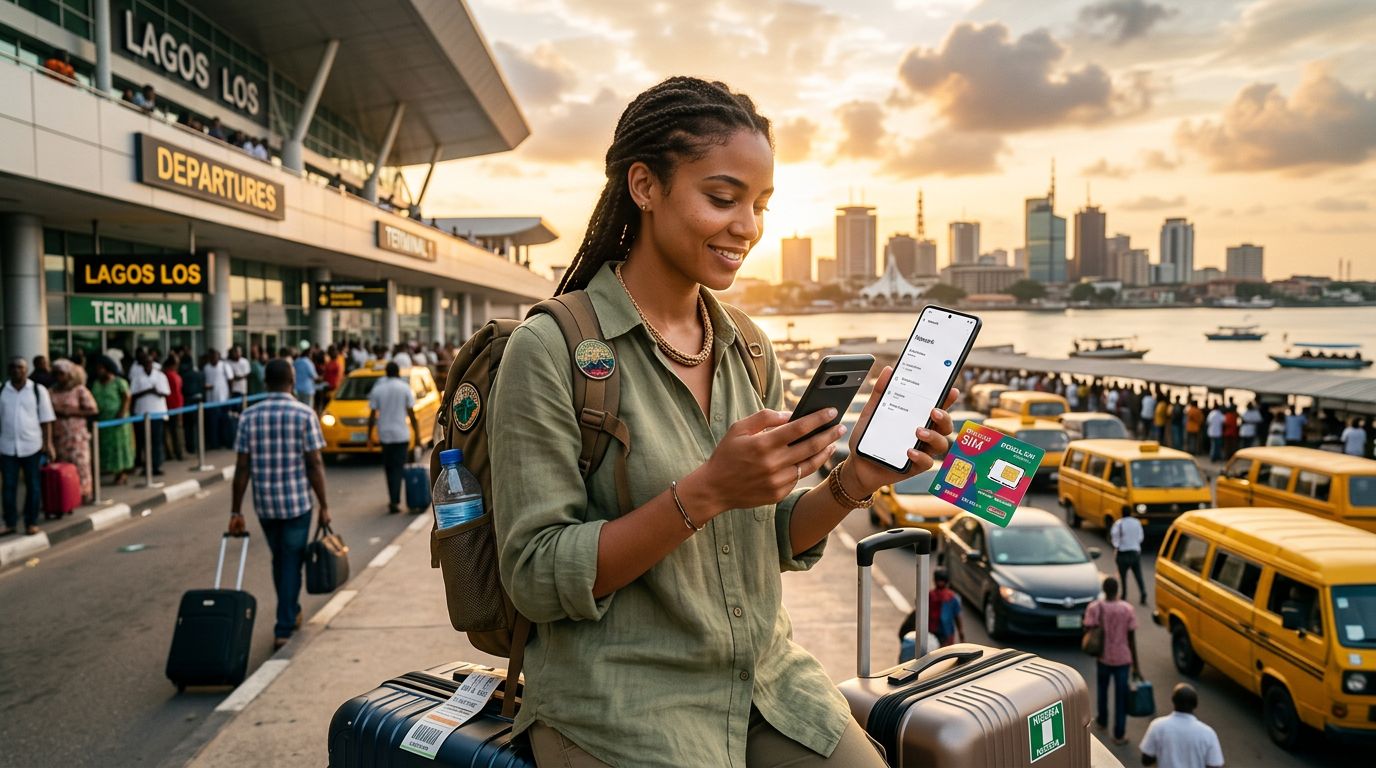
In contrast, an eSIM—or embedded SIM—is a digital version of that same technology. It is built directly into the hardware of your smartphone. Because it is software-based, there is no physical card to insert or swap. You simply download a profile, activate it through your phone's settings, and you are connected to a local network. For travelers who value efficiency, the eSIM has become the preferred choice, allowing you to maintain your home number for essential SMS or calls while using a separate data plan for your local browsing.
The Practical Differences: Convenience and Setup
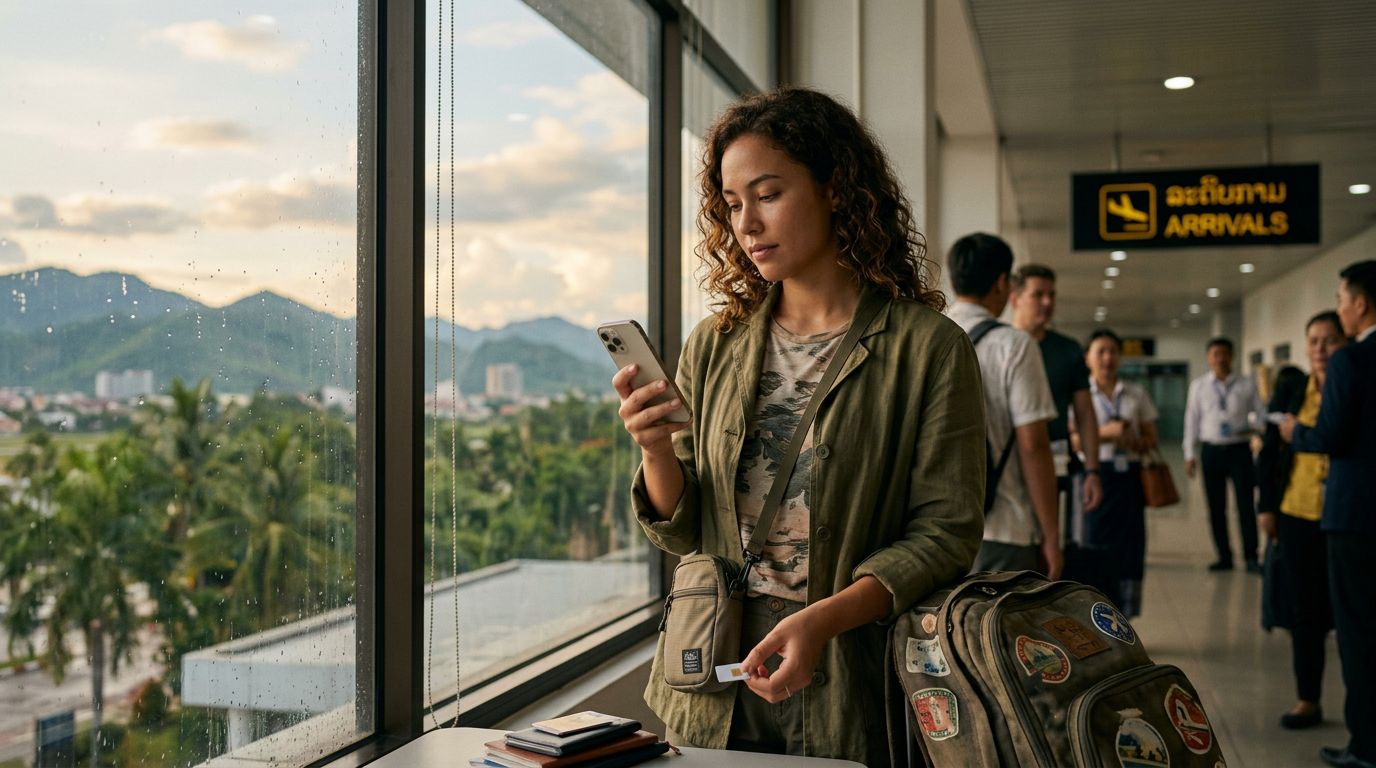
The most significant distinction between a Laos SIM card vs eSIM lies in the setup process. With a physical SIM, you are often tethered to a specific location upon arrival. After a long flight, standing in line at an airport kiosk to present your passport and wait for a clerk to configure your device can be exhausting. Furthermore, you must carefully store your home SIM card in a safe place, as it is easy to misplace a piece of plastic the size of a fingernail.
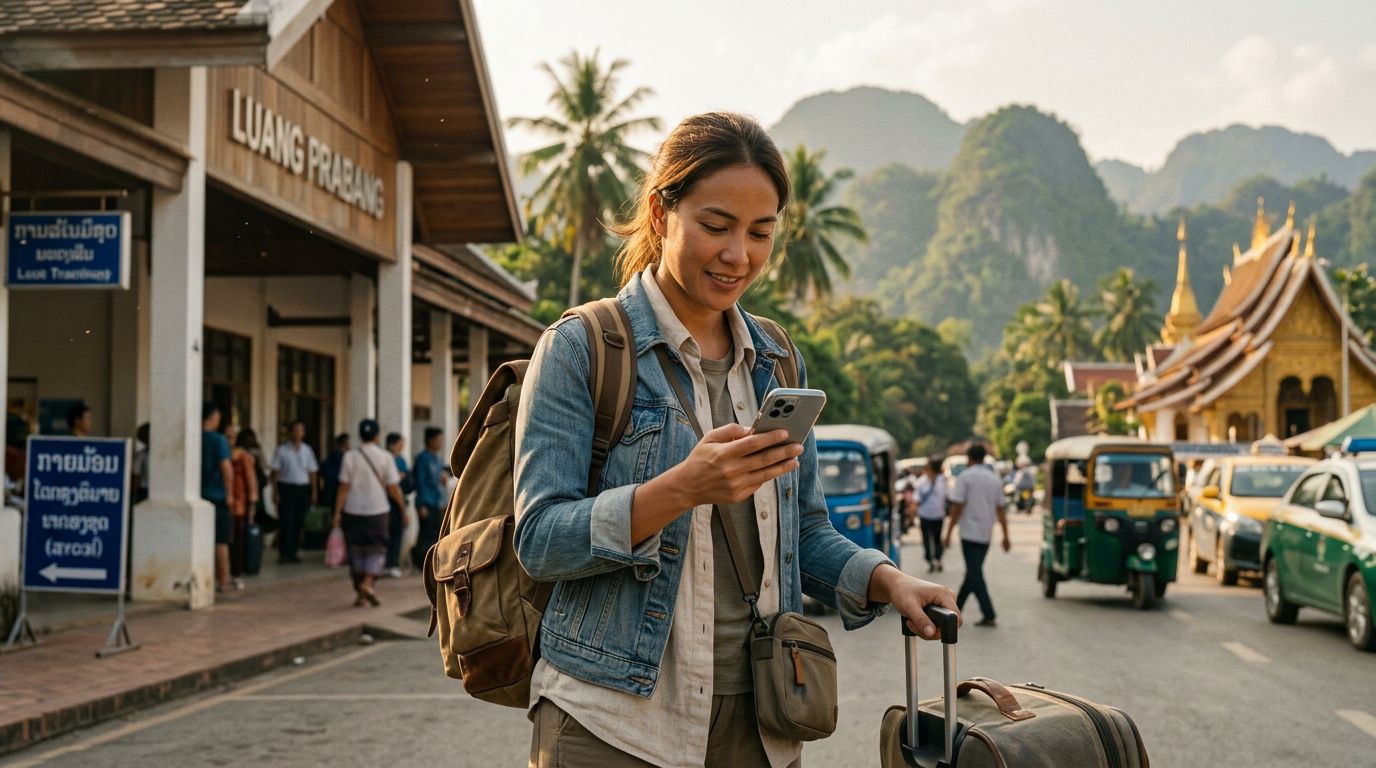
An eSIM changes this dynamic entirely. With a provider like OneTapSIM, you can purchase and install your data plan before you even leave your home country. As soon as your plane touches down in Vientiane or Luang Prabang, you can toggle your data settings, and your phone will automatically latch onto the local network. This eliminates the "dead zone" period between landing and finding a retail shop. You are connected from the moment you step off the aircraft, which is invaluable for calling a ride-share service or checking your hotel address.
Another practical consideration is device compatibility. While most modern smartphones manufactured in the last few years support eSIM technology, it is always wise to check your specific device settings to ensure it is unlocked and eSIM-ready. If you are using an older device that does not support digital profiles, a physical SIM remains your only option. However, for those with compatible hardware, the eSIM offers a seamless transition that keeps your primary phone number active for incoming messages, which is often necessary for two-factor authentication on banking apps or travel accounts.
Performance, Coverage, and Reliability
When debating a Laos SIM card vs eSIM, travelers often worry about network quality. It is important to clarify that an eSIM is not a different type of network; it is simply a different way to access the existing cellular infrastructure. Whether you use a physical SIM or an eSIM, your phone will connect to the same local towers operated by Laos’s primary telecommunications providers. The quality of your signal depends on the network coverage in the specific region you are visiting, not on the type of SIM you choose.
In remote areas of Laos, such as the northern highlands or deep in the jungle regions, cellular coverage can be spotty regardless of your provider. However, in major urban hubs and popular tourist destinations, the 4G and LTE networks are generally robust. By choosing a reputable eSIM provider, you ensure that you are connecting to high-quality local networks that prioritize data stability.
OneTapSIM focuses on providing reliable data profiles that prioritize these established network connections. By using an eSIM, you also avoid the common pitfalls of physical SIMs, such as card damage or contact issues caused by heat and humidity—factors that are very common in the tropical climate of Laos. A physical SIM card can sometimes fail if it is not seated perfectly in the tray, or if the metal contacts become oxidized. An eSIM is immune to these physical wear-and-tear issues, providing a more reliable long-term solution for your trip.
Making the Final Decision for Your Trip
Deciding between a Laos SIM card vs eSIM ultimately comes down to your personal travel style and your device capabilities. If you are a minimalist traveler who prefers to have everything organized before departure, the eSIM is the clear winner. The ability to manage your connectivity digitally means you spend less time in shops and more time exploring the night markets or visiting ancient temples.
If you are traveling with an older smartphone that does not support eSIM functionality, or if you feel more comfortable having a tangible card that you can physically remove if something goes wrong, a local physical SIM card remains a perfectly viable option. You will find many kiosks in major cities that cater to tourists, and the staff are generally accustomed to helping visitors get their data plans running quickly.
However, for the vast majority of modern travelers, the convenience of the eSIM is unmatched. It removes the stress of language barriers at local kiosks, eliminates the risk of losing your home SIM, and provides instant connectivity upon arrival. As you prepare for your adventure in Laos, consider the ease of digital activation. By opting for a service that allows for simple, pre-trip setup, you can focus on the journey ahead rather than the logistics of staying online. Whether you are trekking through the countryside or relaxing by the Mekong, having a reliable data connection ensures that you can share your experiences and navigate your surroundings with confidence.