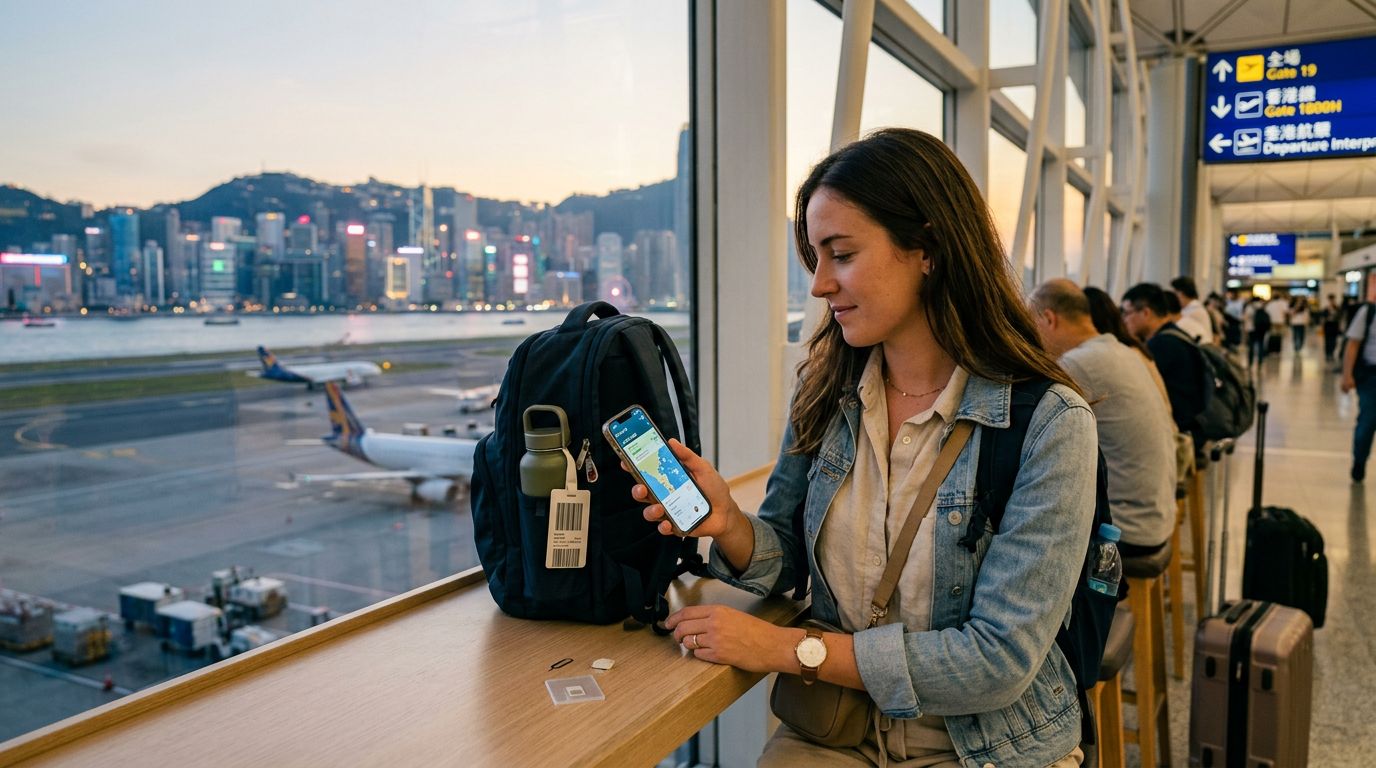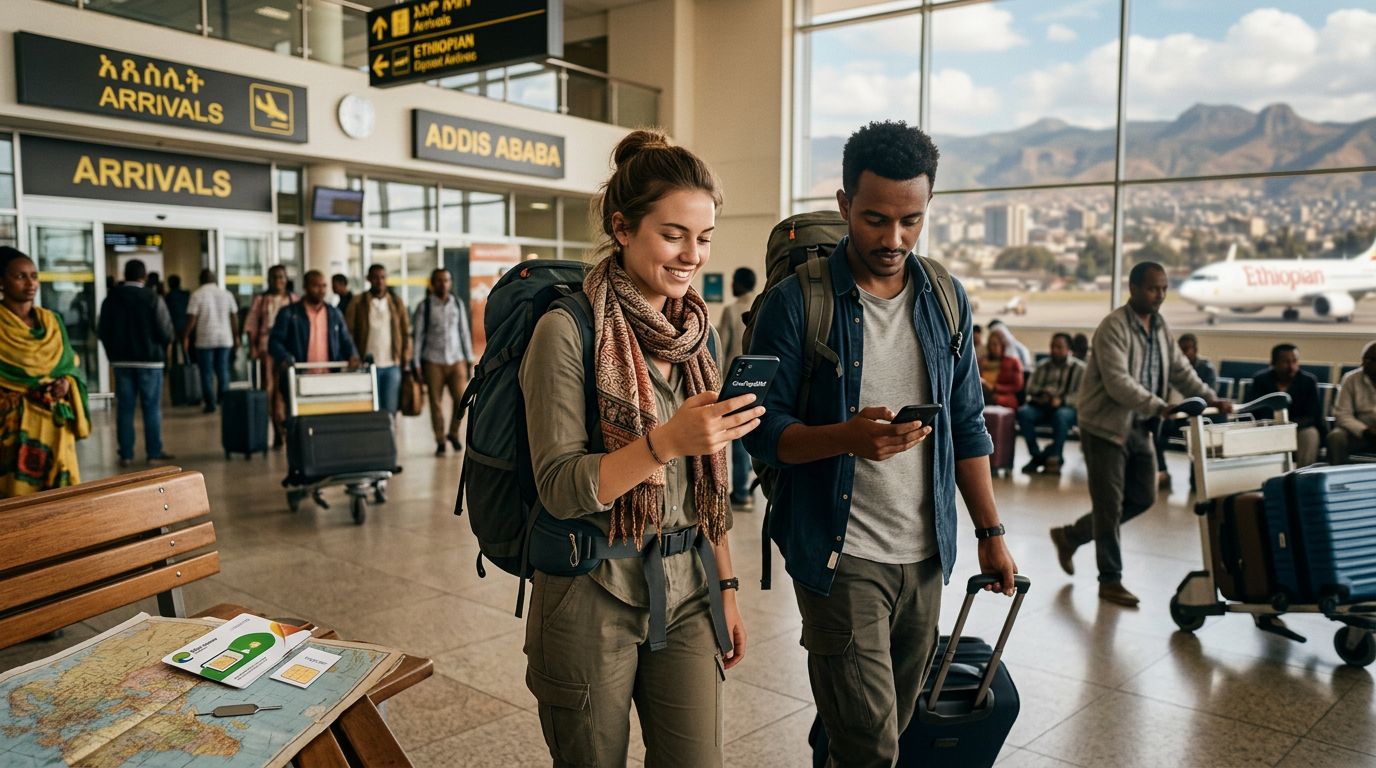
Traveling to Ethiopia offers an incredible journey through history, from the ancient rock-hewn churches of Lalibela to the bustling markets of Addis Ababa. As you prepare for your trip, staying connected is essential for maps, translation tools, and sharing your experiences. Choosing between a traditional physical SIM card and an eSIM is a common dilemma for travelers. Understanding the pros and cons of each will help you decide which option fits your itinerary best.
The Traditional Ethiopia SIM Card Experience
For many years, the standard approach for international travelers has been to purchase a physical SIM card upon arrival. In Ethiopia, this typically involves visiting a local telecommunications provider’s office. You will need to provide your passport for registration, as local regulations often require identification to activate any mobile service.
The primary advantage of a physical SIM card is its reliability in areas with varying network infrastructure. Because you are using a local carrier directly, you are integrated into the domestic network in the same way as a resident. If you have an older phone that does not support modern digital technologies, a physical card is your only option.
However, there are significant drawbacks to this method. The process can be time-consuming. After a long flight, the last thing most travelers want to do is wait in a queue at an airport kiosk or a city-center retail store. Language barriers can sometimes complicate the registration process, and you must physically swap your home SIM card out of your device. This creates a risk of losing your original SIM card, which is often small and easy to misplace while traveling. Furthermore, if you lose your local SIM, you have to go through the entire replacement process again, which is rarely convenient while on the road.
The Advantages of Using an eSIM for Ethiopia
An eSIM, or embedded SIM, is a digital alternative to the plastic card. It is a chip built directly into your smartphone’s motherboard that allows you to download a mobile plan over the internet. For travelers, this technology has changed how we manage connectivity.
The most prominent benefit is convenience. You can set up your connection before you even leave your home country. By using a provider like OneTapSIM, you can purchase and activate your plan through a digital portal. Once you land in Ethiopia, your phone automatically connects to the local network, allowing you to bypass the airport queues and the search for a retail store.
Another major advantage is the ability to keep your home SIM card active. Most modern smartphones allow for dual-SIM functionality, meaning you can keep your primary number active for receiving important texts or calls from home while using your eSIM for data in Ethiopia. This prevents the "lost SIM" anxiety associated with physical cards and ensures you never miss a two-factor authentication code from your bank or email provider.
Managing your data is also much simpler with an eSIM. You can monitor your usage through an app or a web dashboard, ensuring you do not run out of data at an inconvenient time. If you find yourself needing more, you can often top up your plan remotely without needing to find a physical shop or buy a new scratch card.
Making the Right Choice for Your Trip
When deciding between an Ethiopia SIM card vs eSIM, consider your device compatibility and your travel style. First and foremost, verify that your smartphone is carrier-unlocked and eSIM-capable. Most flagship devices released in the last few years support this technology, but it is always wise to check your phone’s settings or search online for your specific model to confirm.
If you are a traveler who values efficiency and wants to hit the ground running the moment you step off the plane, an eSIM is clearly the superior choice. It eliminates the logistical stress of finding a store, managing physical cards, and dealing with language barriers during the registration process. It provides a seamless transition from your home network to your travel network.
Conversely, if you are traveling to extremely remote areas where you suspect you might need to troubleshoot your connection with a local technician, or if you are using an older device that does not support eSIMs, a physical SIM card remains a viable backup. Some travelers also prefer the physical SIM if they intend to stay in the country for an extended period, as local long-term contracts might offer specific benefits that are not available through short-term travel eSIM providers.
For the vast majority of tourists, however, the digital route is the modern standard. By choosing an eSIM, you spend less time worrying about connectivity and more time focusing on the landscapes, culture, and history of Ethiopia. Whether you are trekking in the Simien Mountains or exploring the urban landscape of Addis Ababa, having a reliable, pre-activated data plan ensures you have the tools you need to navigate, communicate, and document your journey without interruption.
Before you finalize your plans, check your device settings to see if the eSIM option is available. If it is, consider the ease of a digital setup. It is a small change in how you prepare for your trip, but it makes a significant difference in how you experience the country. By preparing your connectivity in advance, you remove one of the most common stressors of international travel, allowing you to enjoy your Ethiopian adventure with total peace of mind.
Get an eSIM for
Plans for the destinations covered in this guide, with instant QR delivery.