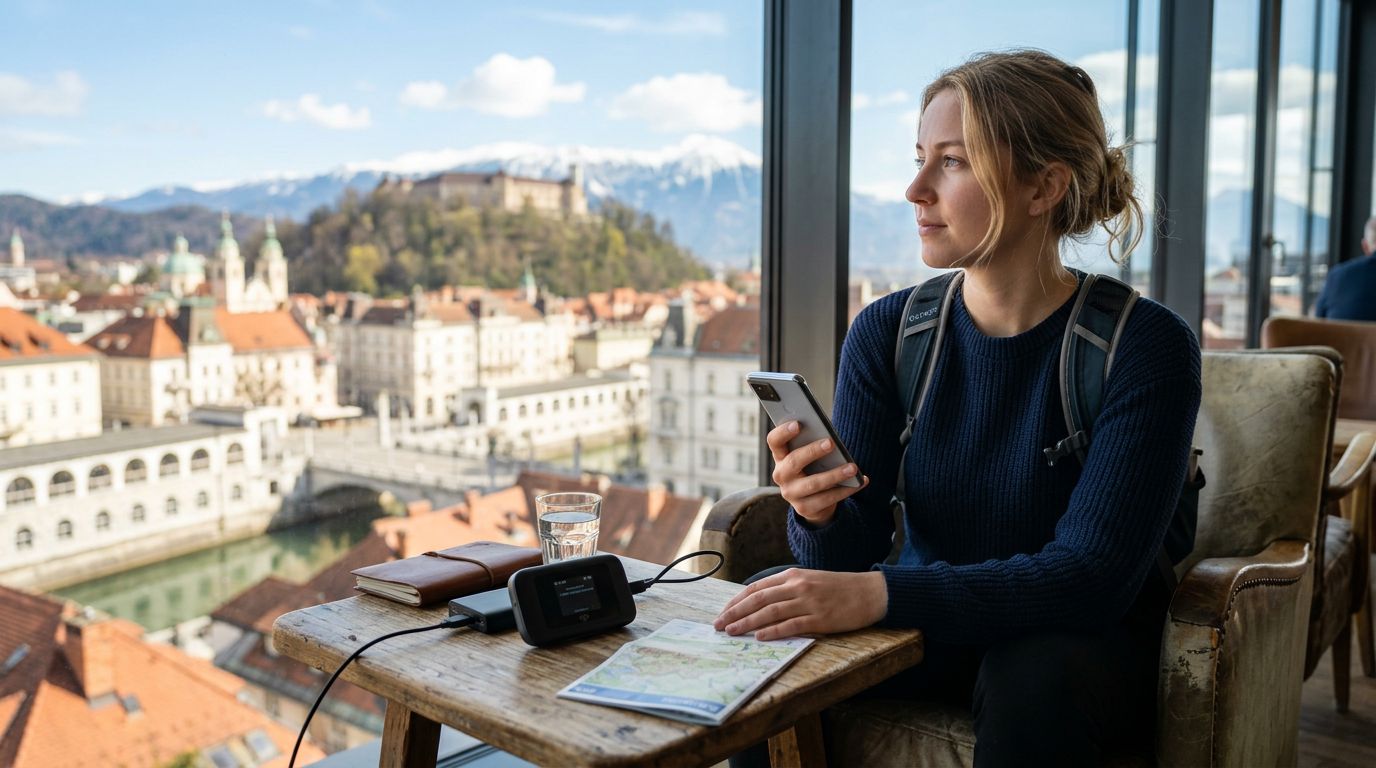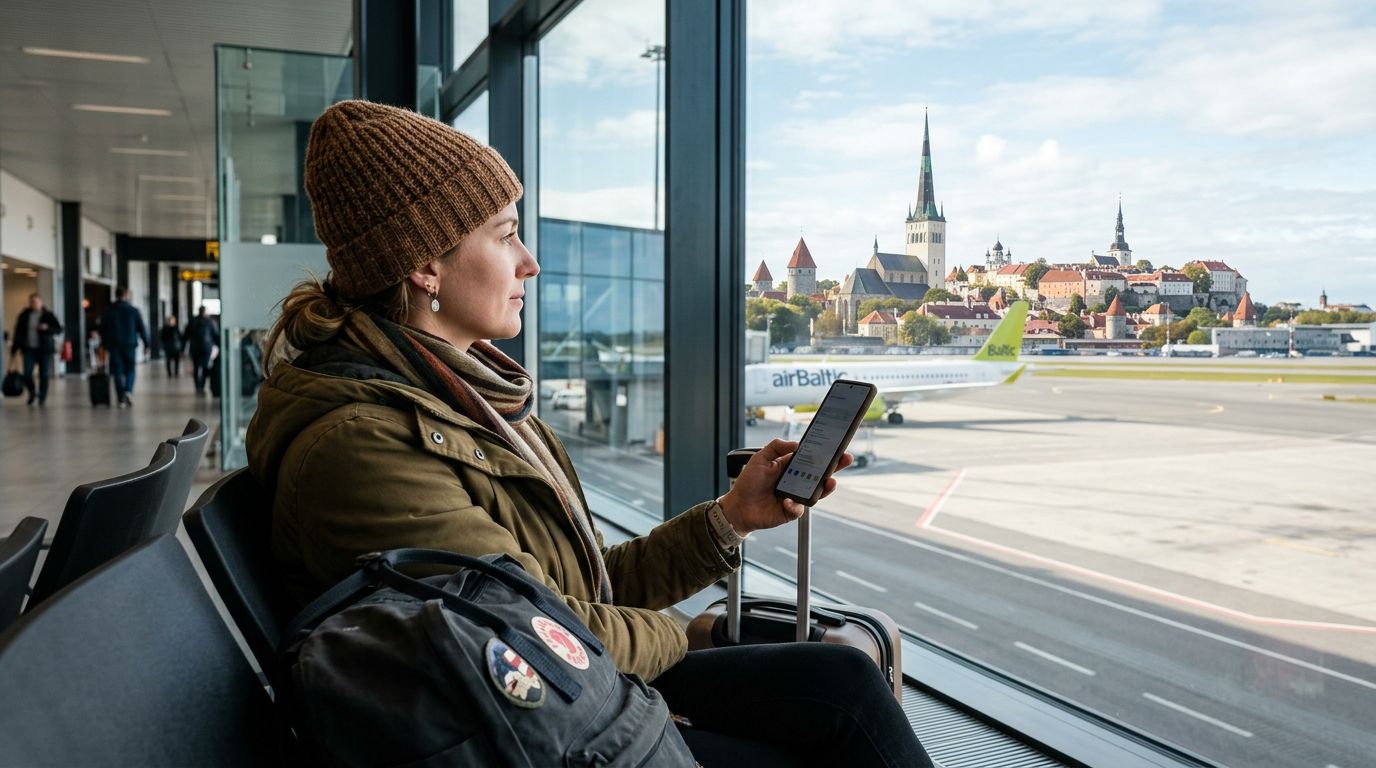
Estonia is a country defined by its digital prowess. As one of the most connected nations in Europe, it is a place where you can manage almost any government service online, sign documents digitally, and enjoy high-speed internet in even the most remote forests. When you plan a trip to this Baltic gem, your mobile connectivity strategy is just as important as your itinerary. Choosing between a traditional physical SIM card and a modern eSIM is the first decision you will make.
The Traditional Approach: Physical SIM Cards in Estonia
For decades, the physical SIM card has been the gold standard for international travel. When you arrive in Tallinn or any other major Estonian city, you will find kiosks, convenience stores, and specialized mobile carrier shops offering local SIM cards. The process is straightforward: you purchase the card, insert it into your device, and follow the activation prompts.
The primary advantage of a physical SIM card is its familiarity. Most travelers understand exactly how they work. If you have an older smartphone that does not support modern connectivity standards, a physical SIM remains your only option. Furthermore, because Estonia is a hub for tech-savvy locals, the physical SIM cards sold there are often high-quality, reliable, and offer excellent coverage across both urban centers and rural landscapes.
However, there are significant drawbacks to this method. The most immediate issue is the physical logistics. You must remove your existing SIM card, which creates a risk of losing or damaging a tiny piece of plastic that holds your home phone number and identity. If you lose your home SIM, you lose access to your primary messages, banking two-factor authentication, and contacts. Additionally, the process of finding a shop, waiting in line, and manually swapping cards can be a frustrating way to start a vacation after a long flight. You are essentially trading your convenience for a piece of hardware that will become useless the moment you board your flight home.
The Modern Alternative: Why eSIM is Changing Travel
An eSIM, or embedded SIM, is a digital version of the traditional card. It is built directly into the hardware of your smartphone. Instead of physically swapping a chip, you simply download a digital profile that connects you to a local network. This technology has revolutionized how we stay connected while crossing borders.
The most compelling reason to choose an eSIM for your Estonian adventure is the ability to prepare before you leave home. With a provider like OneTapSIM, you can purchase and install your data plan while sitting on your couch. As soon as your plane touches down at Tallinn Airport, your phone automatically switches to the local network. There is no need to hunt for a kiosk, no need to carry a paperclip or SIM-ejection tool, and no risk of losing your home SIM card.
Another major benefit is the ability to manage multiple lines. Most modern smartphones allow you to keep your home SIM active while simultaneously using an eSIM for data. This means you can still receive urgent calls or SMS messages from home on your primary number while using your eSIM for navigation, translation apps, and social media. This dual-sim functionality ensures you remain reachable for emergencies while enjoying the cost-effective data rates of a local network.
Compatibility is rarely an issue for modern travelers. Most smartphones released in the last few years are equipped with eSIM hardware. If you are unsure whether your device supports this technology, you can verify your settings through official manufacturer resources provided by companies like Apple or Google. Transitioning to an eSIM is not just a trend; it is a permanent upgrade to the way we manage mobile connectivity.
Estonia SIM Card vs eSIM: Making the Final Decision
When comparing an Estonia SIM card vs eSIM, the decision often comes down to your personal comfort with technology and your desire for convenience. If you are a traveler who prefers physical control and has a device that does not support eSIM, a traditional local SIM card will serve you well. Estonia has excellent mobile infrastructure, and you will likely have a seamless experience regardless of which physical carrier you choose.
However, for the vast majority of modern travelers, the eSIM is the superior choice. It eliminates the friction of travel. You avoid the language barrier at the local shop, you skip the queues, and you keep your home SIM card safely tucked away in your phone’s tray. The peace of mind that comes from having your connectivity sorted before you even pack your bags is invaluable.
OneTapSIM offers a streamlined experience that removes the technical complexity often associated with digital SIMs. By focusing on reliable network partnerships and an intuitive setup process, it ensures that your focus remains on the medieval streets of Tallinn’s Old Town or the serene bogs of Lahemaa National Park rather than on troubleshooting your cellular settings.
Consider your own travel habits. Do you enjoy the process of shopping for local services upon arrival, or do you prefer to have everything ready upon landing? If you value your time and want to avoid the minor stresses of international travel, the digital route is the clear winner. By opting for an eSIM, you are not just choosing a way to get data; you are choosing a smoother, more efficient way to explore Estonia.
Ultimately, both options will get you online. Estonia is a country that prides itself on being connected, so you will find robust signal strength in almost every corner of the nation. Whether you choose the traditional path of a physical card or the modern efficiency of an eSIM, you will have the tools necessary to navigate, share, and communicate throughout your trip. The shift toward digital connectivity is making travel more accessible for everyone, and Estonia is the perfect place to experience that shift firsthand.
Get an eSIM for
Plans for the destinations covered in this guide, with instant QR delivery.