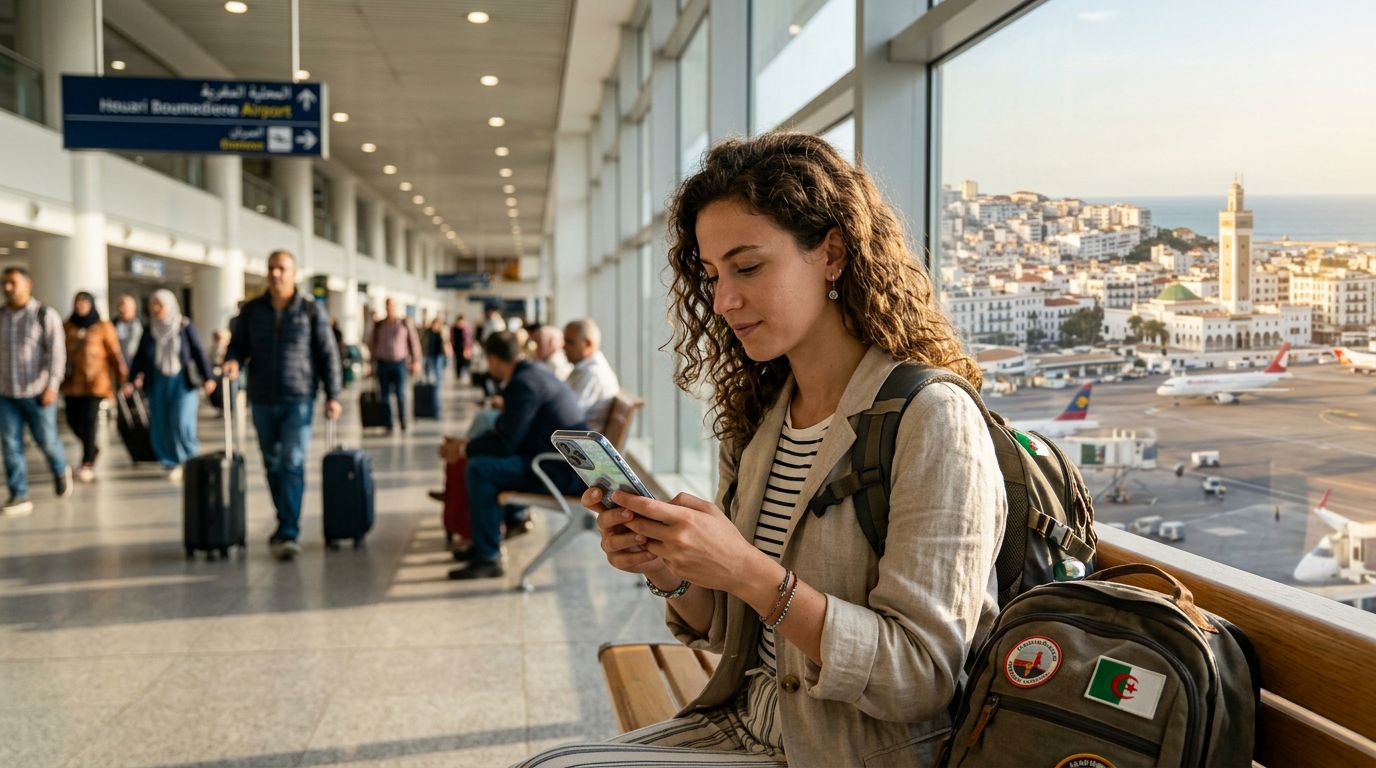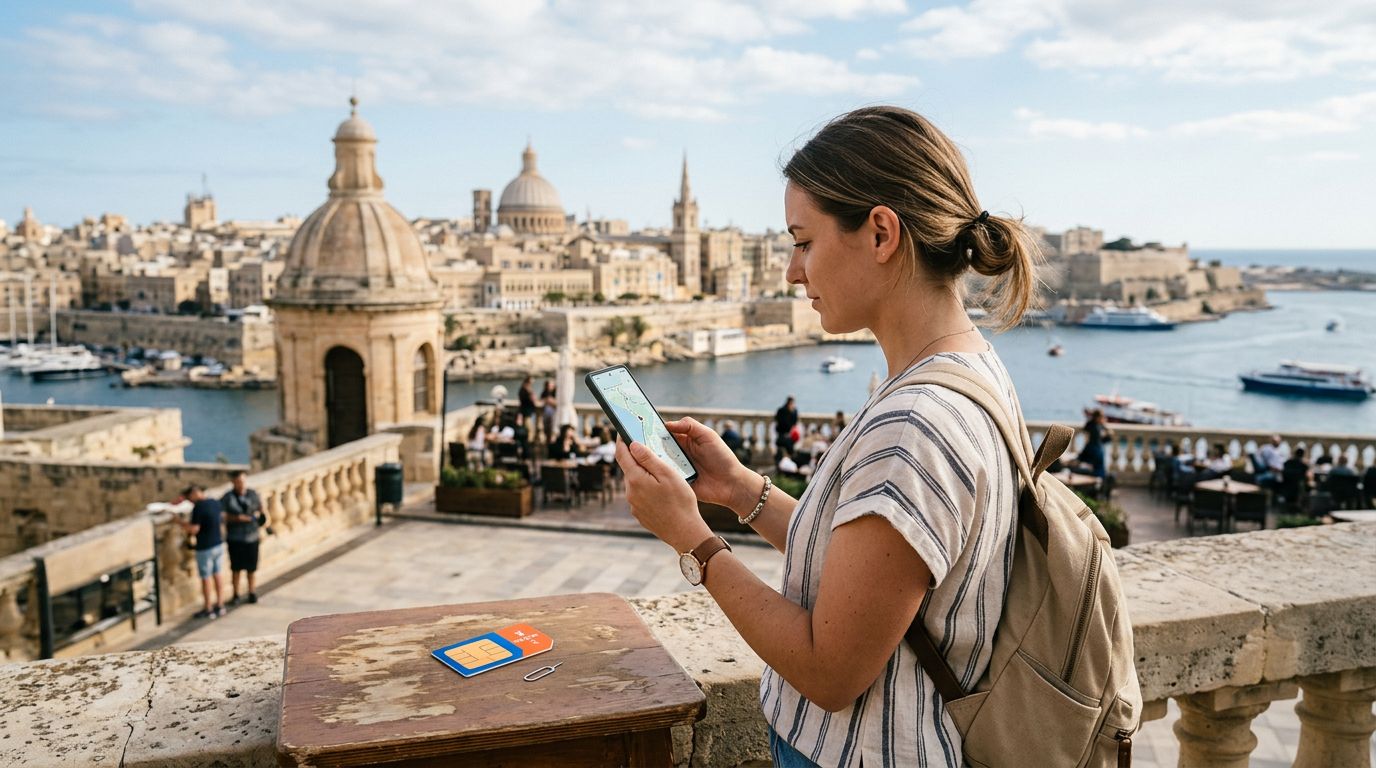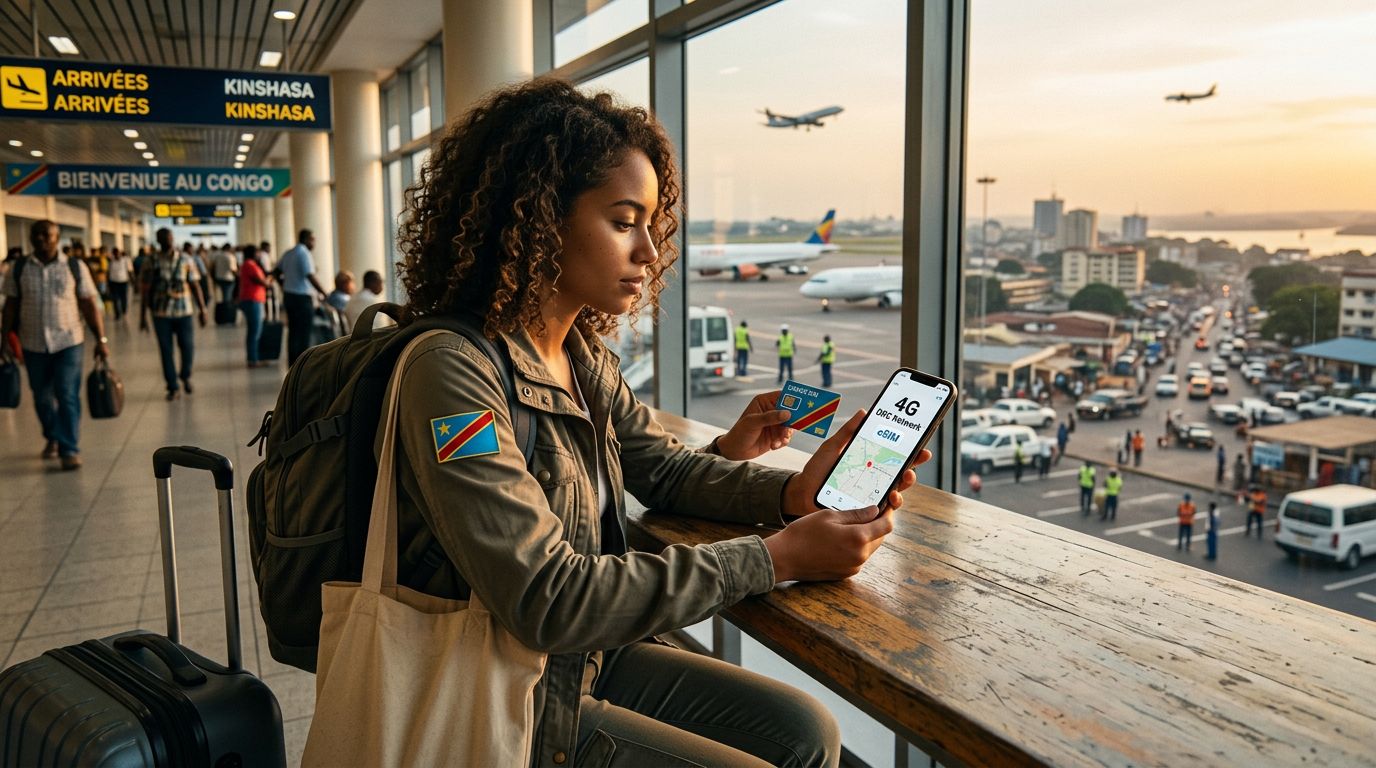
Traveling to the Democratic Republic of the Congo (DRC) is an adventure that requires careful preparation. Whether you are heading to Kinshasa for business, exploring the vast landscapes, or visiting family, staying connected is essential. For many travelers, the primary question is how to handle mobile data. Comparing the traditional Congo Kinshasa SIM card vs eSIM options is the first step toward ensuring you have reliable access to maps, communication, and travel information throughout your stay.
The Evolution of Connectivity in the DRC
For years, the standard way to get online in the DRC was to purchase a physical SIM card upon arrival. You would typically find kiosks at N'djili International Airport or at various mobile network operator storefronts throughout Kinshasa. This process involves presenting your passport, filling out registration forms, and manually swapping out your home SIM card. While this method remains a staple for many, it comes with inherent inconveniences. You must keep track of your original SIM card to avoid losing it, manage the physical installation, and often deal with language barriers or long wait times at service desks.
The introduction of eSIM technology has shifted this landscape significantly. An eSIM, or embedded SIM, is a digital version of a traditional SIM card that is built directly into the hardware of modern smartphones. Instead of needing a physical chip, you simply scan a QR code or enter activation details provided by a service like OneTapSIM to download your mobile profile. This eliminates the need to visit a physical store or handle tiny pieces of plastic, allowing you to activate your connection before you even board your flight.
Comparing Convenience and Practicality
When evaluating the Congo Kinshasa SIM card vs eSIM, convenience is the most significant differentiator. A physical SIM card requires you to be physically present at a location in the DRC to purchase and register it. If your flight arrives late at night or you are traveling to remote areas immediately, you might find yourself without connectivity until you can reach a store. Furthermore, the registration process for local SIM cards can sometimes be time-consuming, requiring documentation that you might not have immediately at hand after a long flight.
eSIMs offer a distinct advantage in terms of preparation. With a service like OneTapSIM, you can purchase your data plan from the comfort of your home. The setup process is straightforward and can be completed via your phone’s settings. Once you land in Kinshasa, your device is already configured to connect to the local network. This is particularly helpful for business travelers who need to respond to emails or messages the moment they step off the plane.
Another practical aspect is device safety. Physical SIM cards are small and easily lost or damaged. If you frequently switch between your home SIM and a local one, the risk of losing your original card increases. With an eSIM, your home SIM remains safely inside your device, untouched and secure. You can simply toggle between your home profile and your travel profile through your phone’s cellular settings, ensuring you never have to physically handle your cards while on the move.
Network Reliability and Compatibility
A common concern for travelers is whether an eSIM will provide the same network coverage as a traditional local SIM card. In the DRC, mobile connectivity depends on the infrastructure of local carriers. Whether you choose a physical SIM or an eSIM, you are ultimately relying on the same local towers and network spectrums. The quality of your connection is determined by the provider’s coverage map, not by the form factor of the SIM.
However, there is a technical hurdle to consider: device compatibility. Not every smartphone supports eSIM technology. Before opting for a digital solution, you should verify that your phone is unlocked and supports eSIM functionality. Most flagship devices released by major manufacturers in recent years are compatible, but it is always wise to check your specific model’s settings or manufacturer support pages. If your phone is locked to a specific carrier in your home country, you must contact that carrier to unlock it before your trip, regardless of whether you intend to use a physical SIM or an eSIM.
OneTapSIM provides a streamlined experience by partnering with reliable networks to ensure that your data connection is as robust as possible. By choosing a reputable provider, you minimize the risk of connectivity drops that can occur with unauthorized or low-quality local SIM cards. While no network in the DRC is perfect, especially when traveling outside of major urban centers, using a service that specializes in travel connectivity often results in a more consistent and user-friendly experience than trying to navigate the local market on your own.
Final Considerations for Your Journey
Deciding between a Congo Kinshasa SIM card vs eSIM ultimately comes down to your personal travel style and technical comfort level. If you prefer a hands-on approach and enjoy visiting local markets or shops, a physical SIM card might feel more traditional. However, for the vast majority of travelers, the efficiency and security offered by an eSIM make it the superior choice.
By removing the need for physical exchanges and allowing for pre-trip activation, you save valuable time that can be better spent enjoying your time in Kinshasa. As you prepare for your trip, take a moment to ensure your device is ready, check your compatibility, and consider the ease of digital activation. Whether you are navigating the bustling streets of the capital or heading out to explore the surrounding regions, having a reliable data connection is the key to a smooth and enjoyable experience. With the right preparation, you can move through the DRC with the confidence that your digital life is just as mobile as you are.