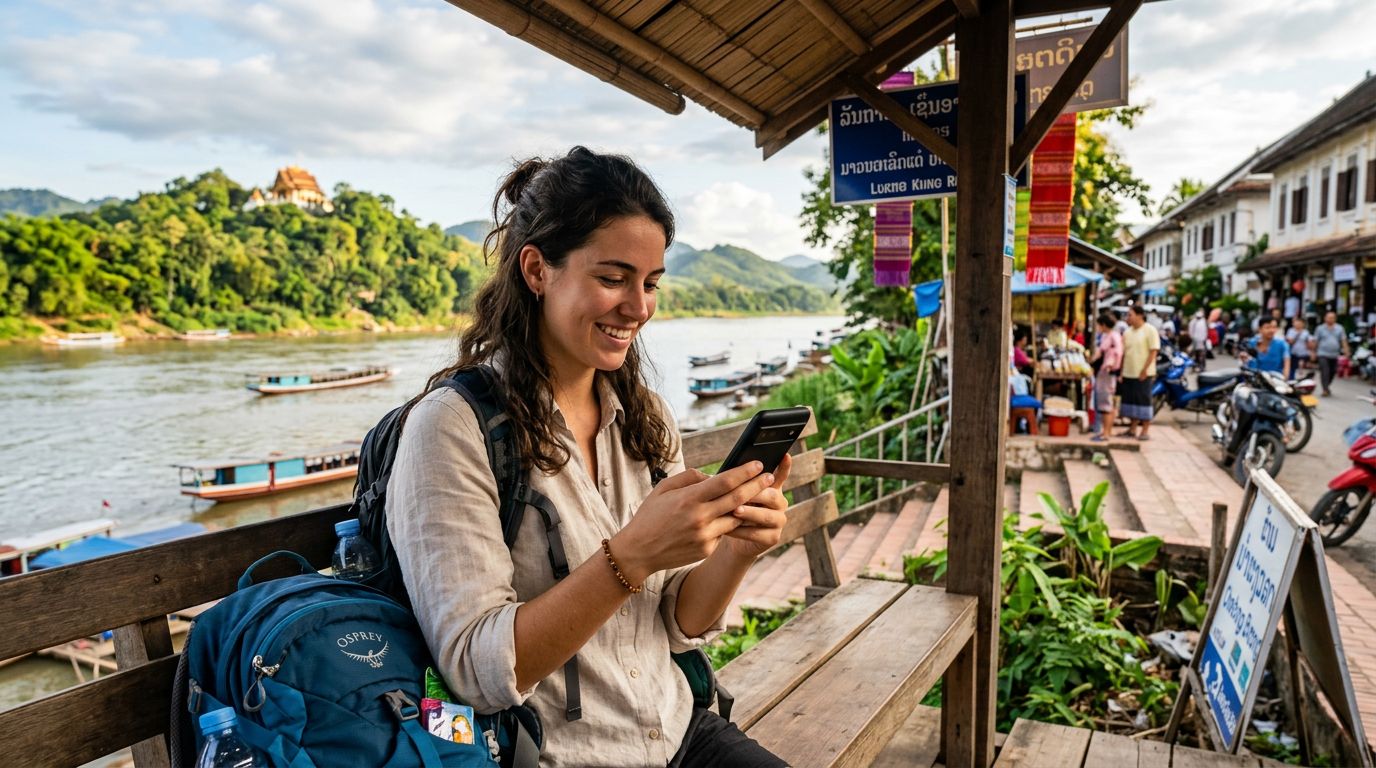
Somalia is a destination that rewards the curious traveler with its rich history, rugged coastline, and vibrant culture. However, the infrastructure in many regions remains in a state of development, making reliable navigation a primary concern for anyone planning a trip. Whether you are exploring the bustling streets of Mogadishu or visiting the historical sites in Hargeisa, having a clear plan for your digital orientation is essential. Relying on local intuition is helpful, but having a digital map at your fingertips provides a crucial layer of security and efficiency.
Offline Mapping Strategies for Remote Areas
When you are traveling through regions where cellular connectivity is intermittent or non-existent, offline maps are your most valuable asset. The geography of Somalia can be challenging, with vast stretches of terrain where signal strength drops significantly. Preparing before you leave your accommodation is the single most effective way to ensure you never lose your way.
Most major mapping platforms allow you to download specific regions for offline use. Before you start your journey, ensure you have downloaded the entire city or region you intend to visit. These files can be quite large, so it is best to do this over a stable Wi-Fi connection at your hotel or a local cafe. Once downloaded, these maps function using your device’s internal GPS, which does not require a cellular signal. This means you can track your location, find points of interest, and calculate routes even when your phone is in airplane mode or lacks a data signal.
To maximize the effectiveness of offline maps, take the time to "star" or save your important locations beforehand. Mark your hotel, nearby hospitals, police stations, and any specific landmarks you plan to visit. Having these pinned allows you to quickly route back to safety if you find yourself disoriented. Remember that while offline maps provide routing, they may not show real-time traffic updates or temporary road closures. Always keep a physical backup or a secondary device if you are heading into particularly remote areas.
Leveraging Mobile Data for Real-Time Navigation
While offline maps are a great safety net, real-time data is superior for navigating the dynamic urban environments of Somalia. Modern cities are constantly changing, and road conditions, construction, or security-related detours can appear without warning. Having a reliable data connection allows you to receive live updates, which can be the difference between a smooth transit and a frustrating delay.
Using a travel eSIM is one of the most efficient ways to maintain connectivity. With a solution like OneTapSIM, you can activate a data plan for your device without needing to swap physical SIM cards or visit a local shop upon arrival. This is particularly useful in Somalia, where finding a reputable mobile provider and navigating the registration process in a foreign language can be cumbersome. By setting up your digital SIM before you land, you ensure that your phone connects to the local network as soon as you touch down, allowing you to pull up your maps, check for transit routes, and communicate with local contacts immediately.
When using mobile data for maps, keep an eye on your battery consumption. High-accuracy GPS tracking, combined with constant data refreshing, can drain a battery quickly. Carry a high-capacity power bank to ensure your device stays charged throughout the day. If you are traveling in a group, it is also wise to ensure that at least two people have independent data access. This redundancy ensures that if one device fails or runs out of power, the group remains oriented.
Practical Tips for Safe Movement and Orientation
Navigation in Somalia is as much about situational awareness as it is about following a blue line on a screen. Technology is a tool, but it should never replace your own judgment or awareness of your surroundings. When you are moving through a city, try to avoid being overly reliant on your screen. Constantly staring at a phone makes you appear distracted and can draw unwanted attention.
Instead, use a "check-and-move" strategy. Find a safe, quiet space—such as inside a shop or a secure building—to check your route and memorize the next few turns. Once you have a clear idea of your path, put your phone away and walk with purpose. If you do need to use your phone for navigation while walking, use wired or wireless earbuds to listen to turn-by-turn voice directions. This allows you to keep your eyes on the street and your surroundings while still receiving guidance.
Furthermore, always cross-reference your digital maps with local advice. Digital platforms are not always updated with the latest local knowledge regarding which streets are currently safe or preferred for pedestrians. If you are unsure about a route, ask your hotel staff or a trusted local guide. They often have insights that an algorithm cannot provide, such as identifying areas that might be congested or undergoing maintenance.
Lastly, consider the limitations of GPS accuracy in dense urban centers. In areas with tall buildings or narrow alleyways, the GPS signal can bounce, causing your location marker to jump around or show you on the wrong side of the street. If your map seems to be malfunctioning, look for permanent landmarks like mosques, monuments, or large intersections to reorient yourself. By combining the convenience of modern digital tools with the wisdom of traditional travel practices, you can navigate the diverse landscapes of Somalia with confidence and ease. Always prioritize your safety, keep your devices charged, and maintain a flexible itinerary that allows for the unexpected.
Need data for your trip?
Browse eSIM plans for 190+ destinations, with instant QR delivery.
Browse destinations