Why Reliable Connectivity Matters in Cape Verde
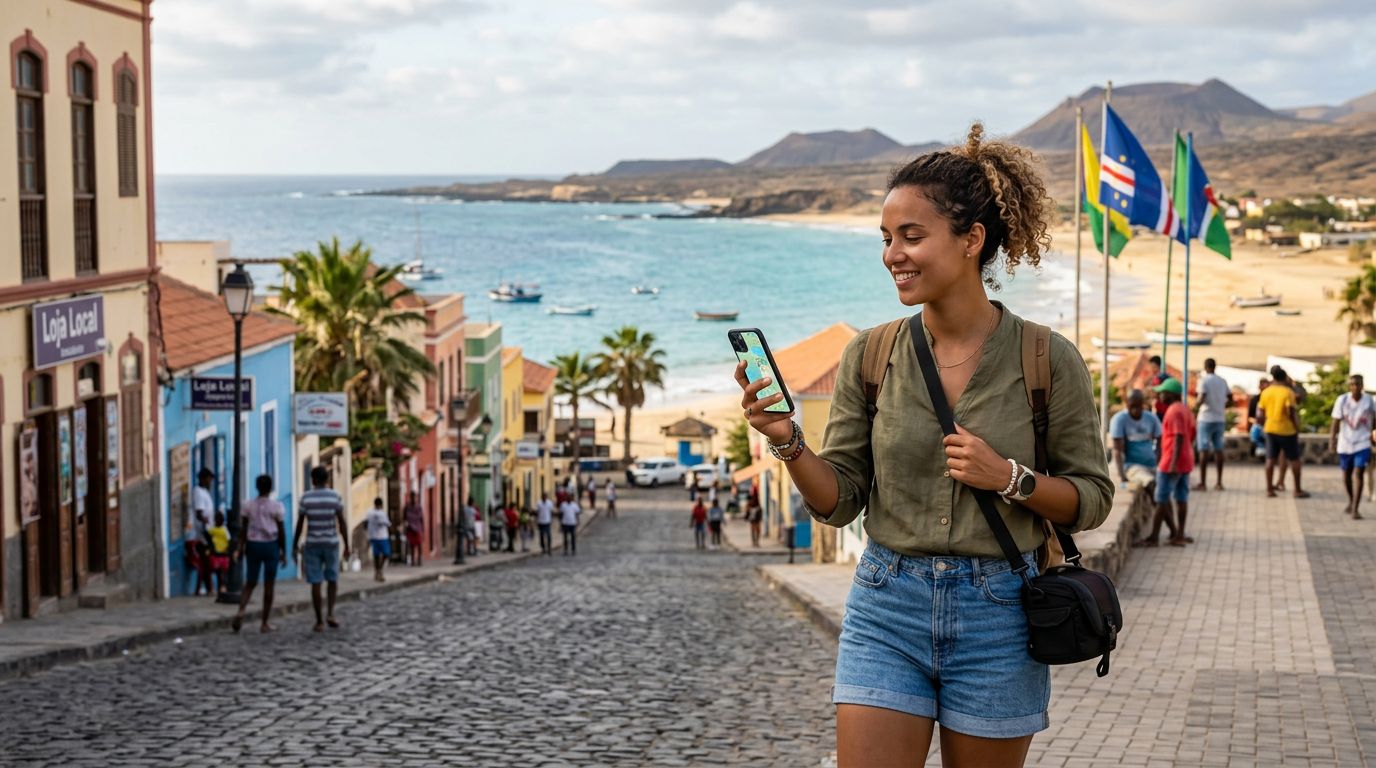
Cape Verde is an archipelago defined by its rugged volcanic landscapes, pristine beaches, and winding mountain roads. Whether you are trekking through the lush valleys of Santo Antão or exploring the colorful streets of Mindelo, having a reliable way to find your way is essential. Unlike major metropolitan hubs where public Wi-Fi is abundant, the islands often require you to be self-sufficient when it comes to digital navigation.
Relying on physical SIM cards purchased at the airport can be a hassle. You often face long queues, language barriers, and the risk of losing your original SIM card. This is where an eSIM becomes a practical solution. By setting up your digital connection before you even land, you ensure that as soon as your plane touches down at Amílcar Cabral International Airport, your phone is ready to guide you.
Using a digital SIM allows you to keep your primary number active for important calls while dedicating your data plan to navigation and research. For travelers, this means you can pull up a map, check local transport schedules, or find the nearest restaurant without hunting for a signal or worrying about roaming charges. OneTapSIM provides a streamlined way to manage this connectivity, allowing you to activate your plan with a simple scan, which is particularly helpful when you are standing in a busy terminal trying to figure out your next move.
Optimizing Your Mapping Experience
Once you have your eSIM installed and active, the way you interact with mapping applications can significantly impact your battery life and data usage. Cape Verde’s terrain can be challenging, and you do not want your phone to die in the middle of a hike because your map app is constantly refreshing high-resolution satellite imagery.
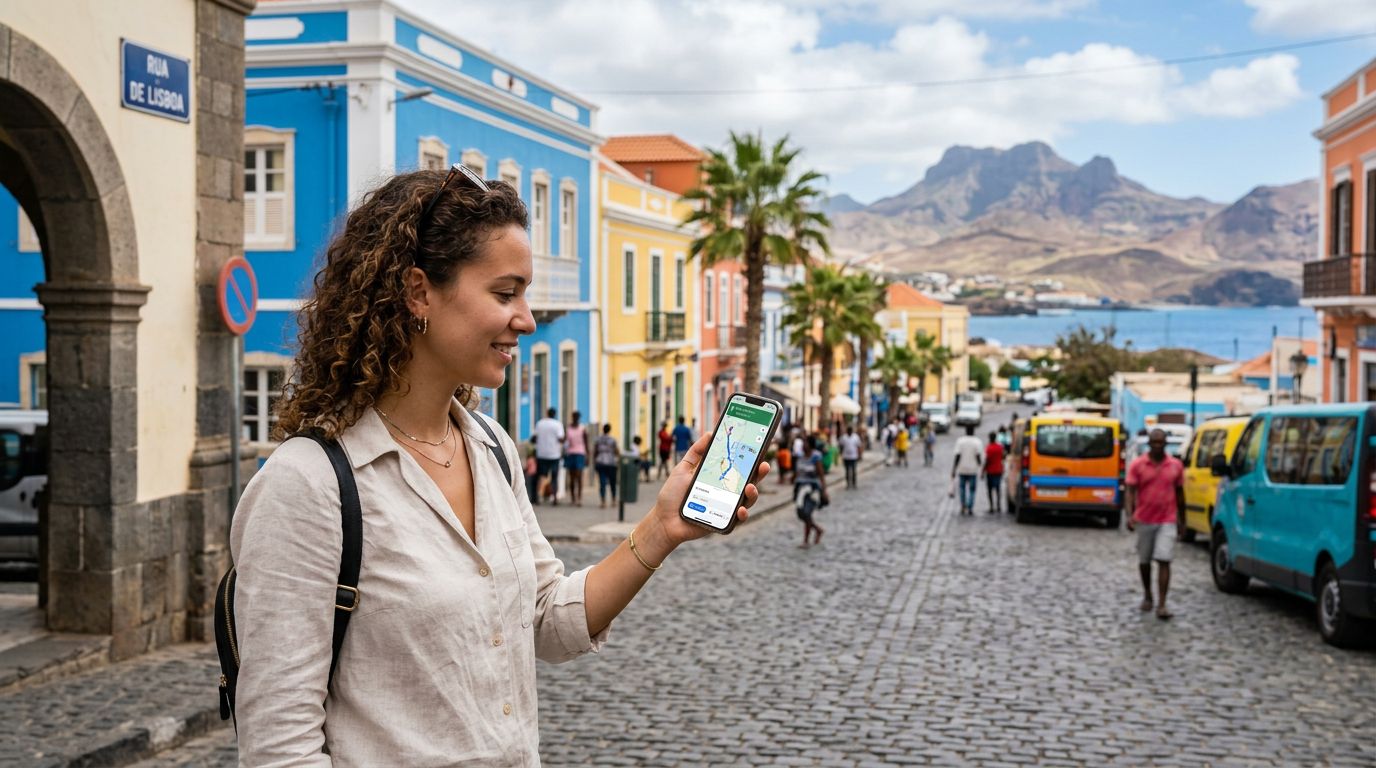
The most effective way to use maps with an eSIM in Cape Verde is to leverage offline features. Both Google Maps and other major navigation tools allow you to download specific regions for offline use. Before you leave your accommodation or a location with strong Wi-Fi, download the map of the island you are currently visiting. This ensures that even if you move into a remote area where cellular coverage is spotty, your GPS will continue to track your position accurately.
When you are using your eSIM data, keep your map settings in mind. If you are driving, ensure your app is set to "Navigation" mode, which uses less data than "Satellite" view. Furthermore, check your phone’s background data settings. By restricting background data for non-essential apps, you ensure that your OneTapSIM data package is prioritized for the tools that keep you on track. If you find yourself in a city like Praia, you can use your live data to check for real-time traffic updates, but when heading into the mountains, rely on your pre-downloaded offline maps to save your battery and data.
Practical Tips for Digital Navigation
Navigating an archipelago requires more than just a blue dot on a screen. Cape Verde is a place where spontaneity is encouraged, but having a digital safety net is vital. When you are using your eSIM to navigate, consider these practical steps to ensure a smooth experience.
First, invest in a portable power bank. GPS tracking is one of the most battery-intensive activities for any smartphone. Even with a high-capacity battery, a full day of exploring can drain your device. Keeping a power bank in your daypack ensures that your map remains accessible until you reach your destination.
Second, familiarize yourself with the local geography before you start your journey. While your phone will tell you which turn to take, understanding the general layout of the island—such as the location of the main coastal roads versus the interior mountain passes—will help you make better decisions if you lose signal. If you are using a service like OneTapSIM, verify that your data roaming is toggled on in your cellular settings, as this is a common requirement for eSIMs to function correctly while traveling internationally.
Third, use your map to find more than just roads. Use it to pin points of interest, such as local markets, viewpoints, or emergency services. Having these locations saved ahead of time can be a lifesaver if you find yourself needing to change plans quickly. If you are traveling between islands, remember that your eSIM data will remain active, but you may need to update your offline map downloads as you move from one island to the next.
Finally, remember that technology is a tool, not a substitute for local knowledge. If your map suggests a path that looks questionable or leads into a restricted area, do not hesitate to ask locals for advice. The people of Cape Verde are known for their hospitality and are often happy to provide directions or suggest a better route. By combining the precision of digital mapping with the wisdom of the local community, you can explore the islands with confidence, knowing that your connection is secure and your path is clear. Whether you are navigating the steep slopes of Fogo or the sandy trails of Boa Vista, your digital setup will be the foundation of a stress-free adventure.
Get an eSIM for
Plans for the destinations covered in this guide, with instant QR delivery.