The Reality of Landing at Larnaca or Paphos
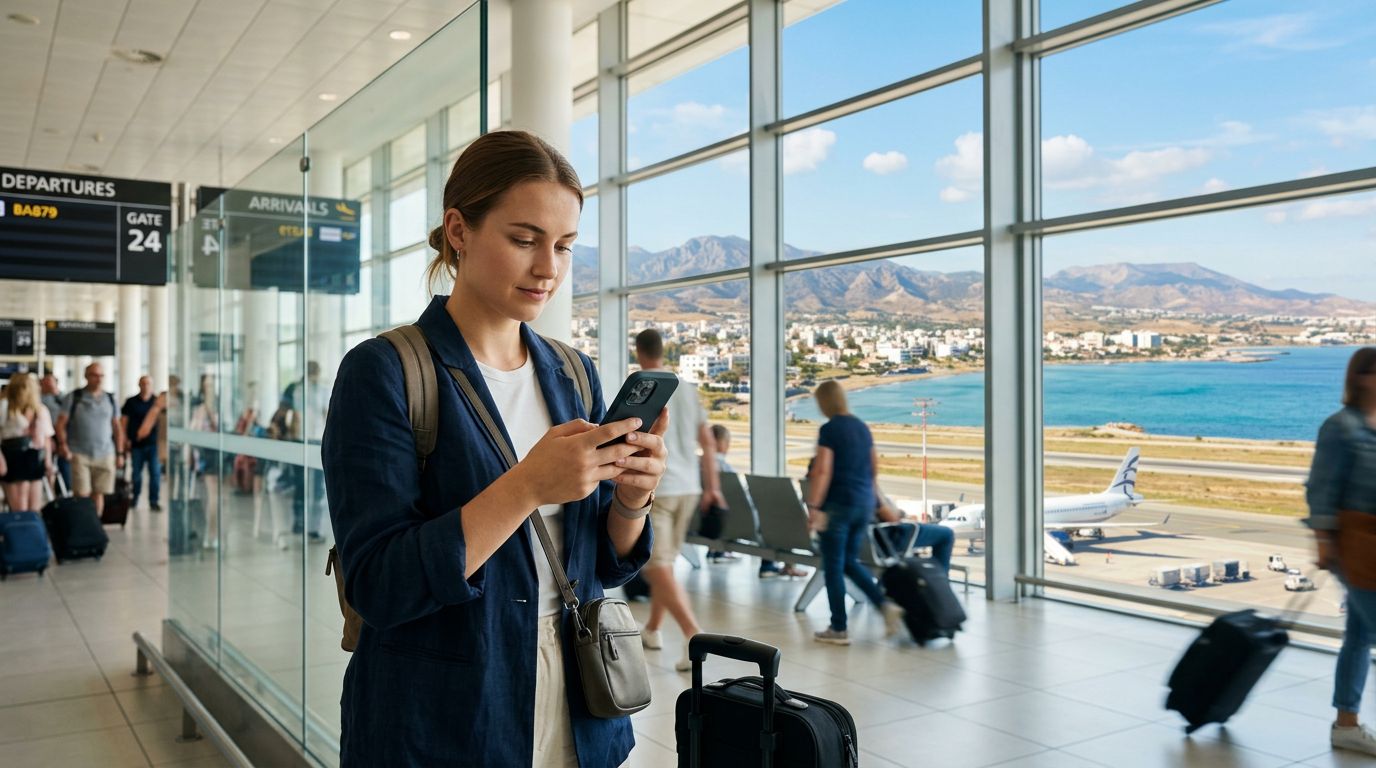
Stepping off the plane in Cyprus, the Mediterranean sun is usually the first thing that greets you. Whether you are landing at Larnaca International Airport or Paphos International Airport, the immediate need for connectivity is universal. You want to check your messages, pull up your hotel reservation, or call a taxi without worrying about roaming charges.
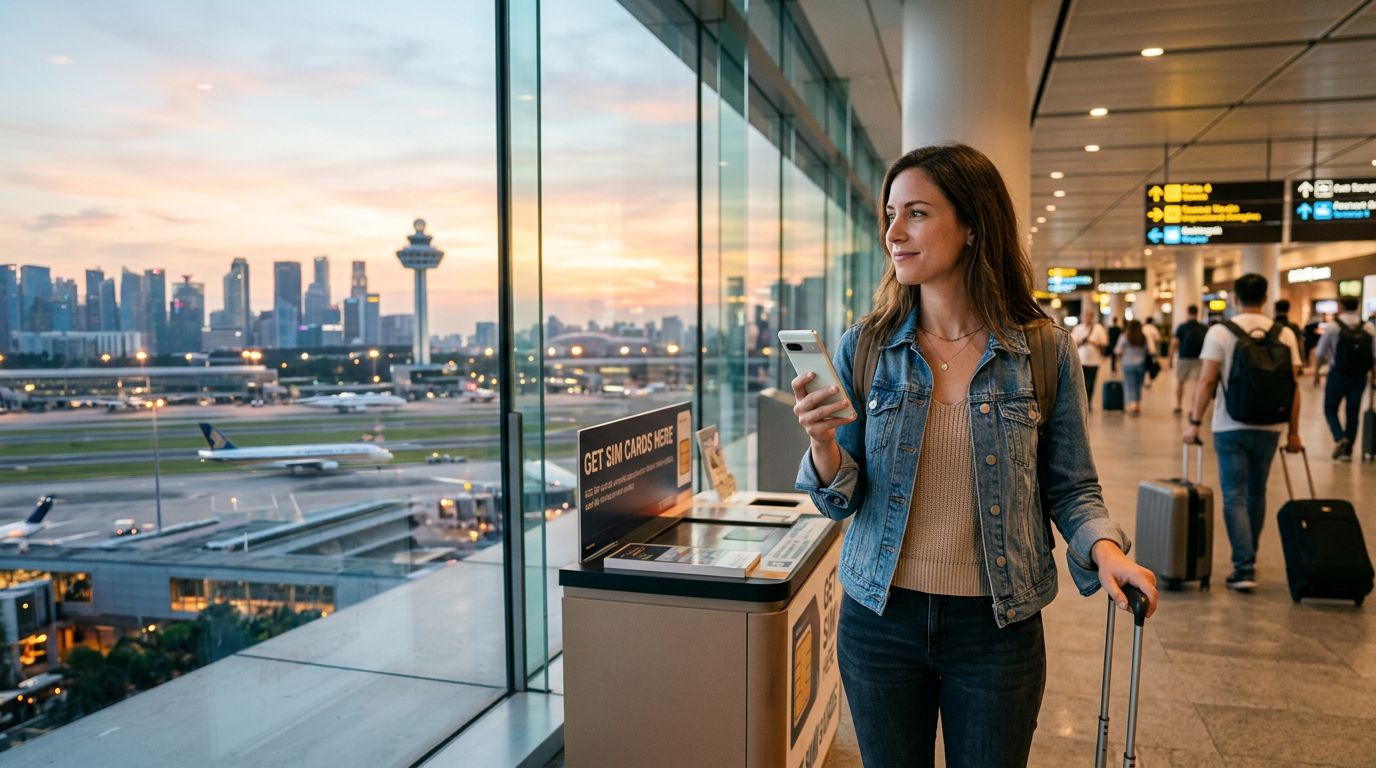
Traditionally, travelers have relied on physical SIM cards purchased at kiosks inside the airport terminal. While this is a familiar process, it comes with inherent drawbacks. Airport kiosks are often crowded, and you may find yourself waiting in long lines after a tiring flight. Furthermore, these physical cards require you to remove your home SIM—a tiny, fragile piece of plastic that is incredibly easy to lose. Once you swap the cards, you have to find a safe place to store your original SIM for the duration of your trip, hoping it doesn't fall out of your wallet or luggage.
Beyond the physical inconvenience, airport vendors often have limited inventory or operating hours. If you arrive on a late-night flight, you might find the kiosks closed, leaving you stranded without data until you can find a shop in the city. This is where the debate of airport SIM vs eSIM in Cyprus becomes relevant. Digital solutions allow you to bypass the terminal hustle entirely, ensuring that as soon as your plane touches the tarmac, your phone is already connected to a local network.
Comparing Convenience and Connectivity
When you choose an eSIM, you are opting for a digital profile that lives on your phone’s internal chip. There is no physical card to insert, which means you can keep your home SIM in your device, allowing you to receive important calls or texts from home while simultaneously using a local data plan for your internet needs.
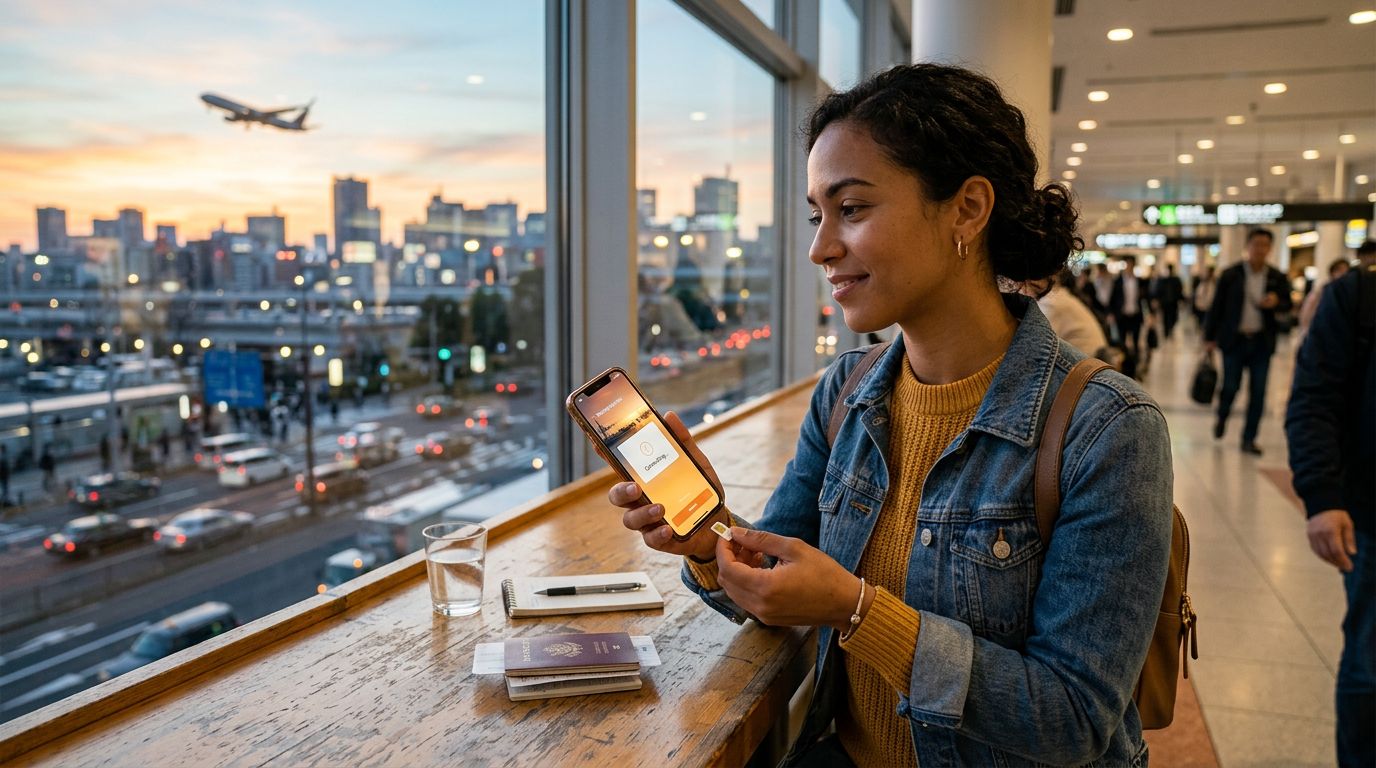
The primary advantage of using a service like OneTapSIM is the ability to set up your connection before you even leave your home country. You can purchase your plan, scan a QR code, and have the profile ready to activate the moment you land. This eliminates the stress of searching for a store or dealing with language barriers at an airport kiosk.
From a technical standpoint, the coverage quality is usually identical. Whether you buy a physical card from a local shop or install an eSIM, you are ultimately connecting to the same local cellular towers in Cyprus. The difference lies entirely in the user experience. With an eSIM, you avoid the administrative headache of registering your passport or personal details at a physical counter. Everything is handled through a secure digital interface.
Another factor to consider is device compatibility. Modern smartphones have moved toward eSIM technology as the standard, and most flagship devices released in the last few years support this feature. If you are unsure about your device's capabilities, you can check the official support pages for Apple or Google to confirm that your specific model is eSIM-ready. Once you confirm compatibility, the transition to digital connectivity is seamless and permanent.
Why Digital is the Future of Travel
The shift toward eSIM technology is not just about convenience; it is about security and flexibility. When you rely on a physical SIM card, you are tied to the inventory of a specific vendor. If that vendor runs out of stock or if the card itself is faulty, you are left without a backup plan. With a digital eSIM, you can manage multiple profiles on one device. If you are traveling through multiple countries in the region, you can switch between plans with a few taps in your phone’s settings.
Furthermore, managing your data usage becomes much more intuitive. With traditional SIMs, you often have to dial complex codes or log into clunky portals to check your remaining balance. Most eSIM providers offer apps or clear dashboards that give you a real-time view of your data consumption. This transparency helps you avoid running out of data in the middle of a trip to the Troodos Mountains or while exploring the ancient ruins of Kourion.
Choosing an eSIM also aligns with more sustainable travel habits. By removing the need for plastic SIM cards, packaging, and shipping, you are reducing your environmental footprint. It is a small change that contributes to a more efficient way of navigating international borders.
For those planning a trip to Cyprus, the choice is clear. By opting for a digital solution, you reclaim your time at the airport. Instead of standing in a queue, you can walk straight to your transport, map out your first meal, or share your arrival photos with friends and family. The peace of mind that comes with having a pre-activated connection is invaluable. Whether you are heading to the beaches of Ayia Napa or the historic streets of Nicosia, having reliable, instant access to the internet allows you to focus on the experience rather than the logistics of staying connected.
As you prepare for your upcoming journey, consider the time saved and the hassle avoided by skipping the airport kiosk. By setting up your digital connection in advance, you ensure that your Cyprus adventure begins the moment your wheels touch the ground. Reliable connectivity is a fundamental part of modern travel, and digital profiles offer the most efficient path to staying online throughout your stay.
Get an eSIM for
Plans for the destinations covered in this guide, with instant QR delivery.