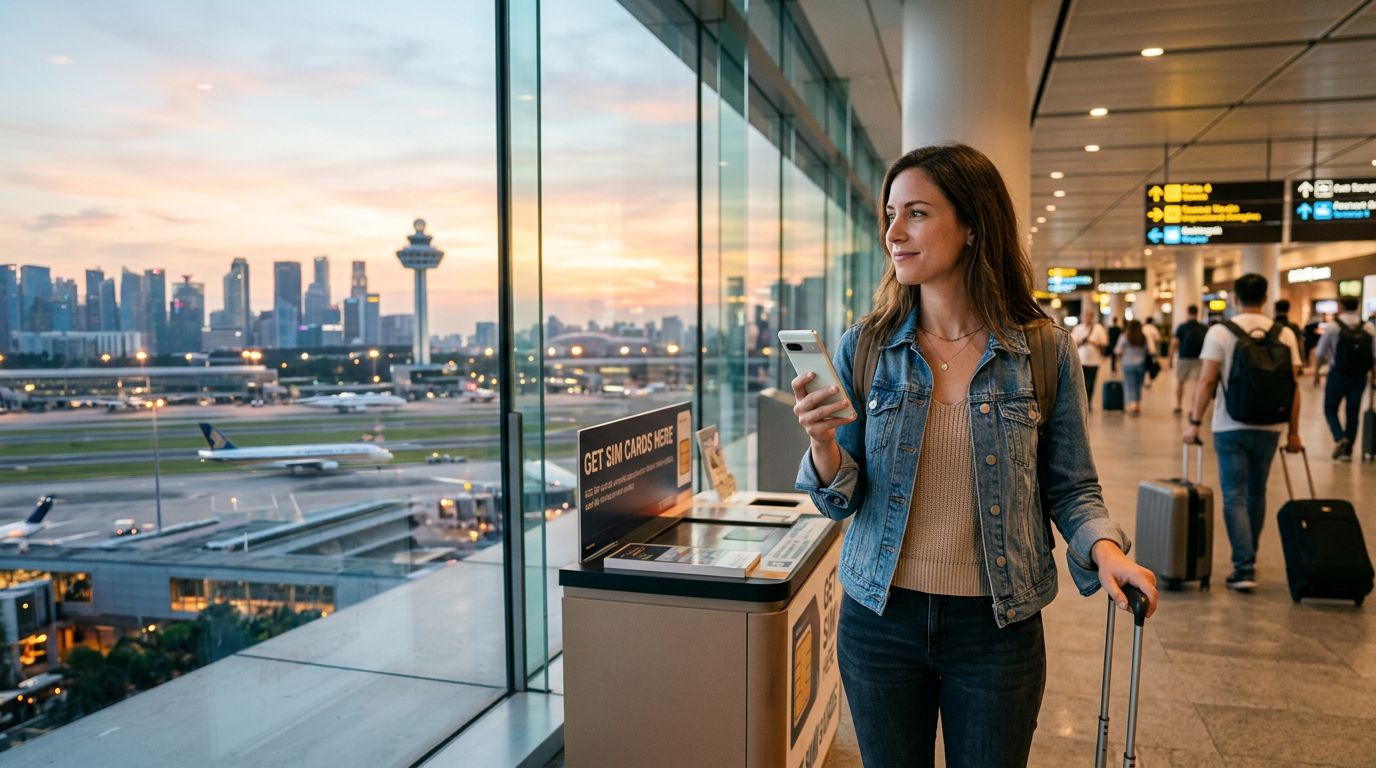
The Traditional Airport SIM Card Experience
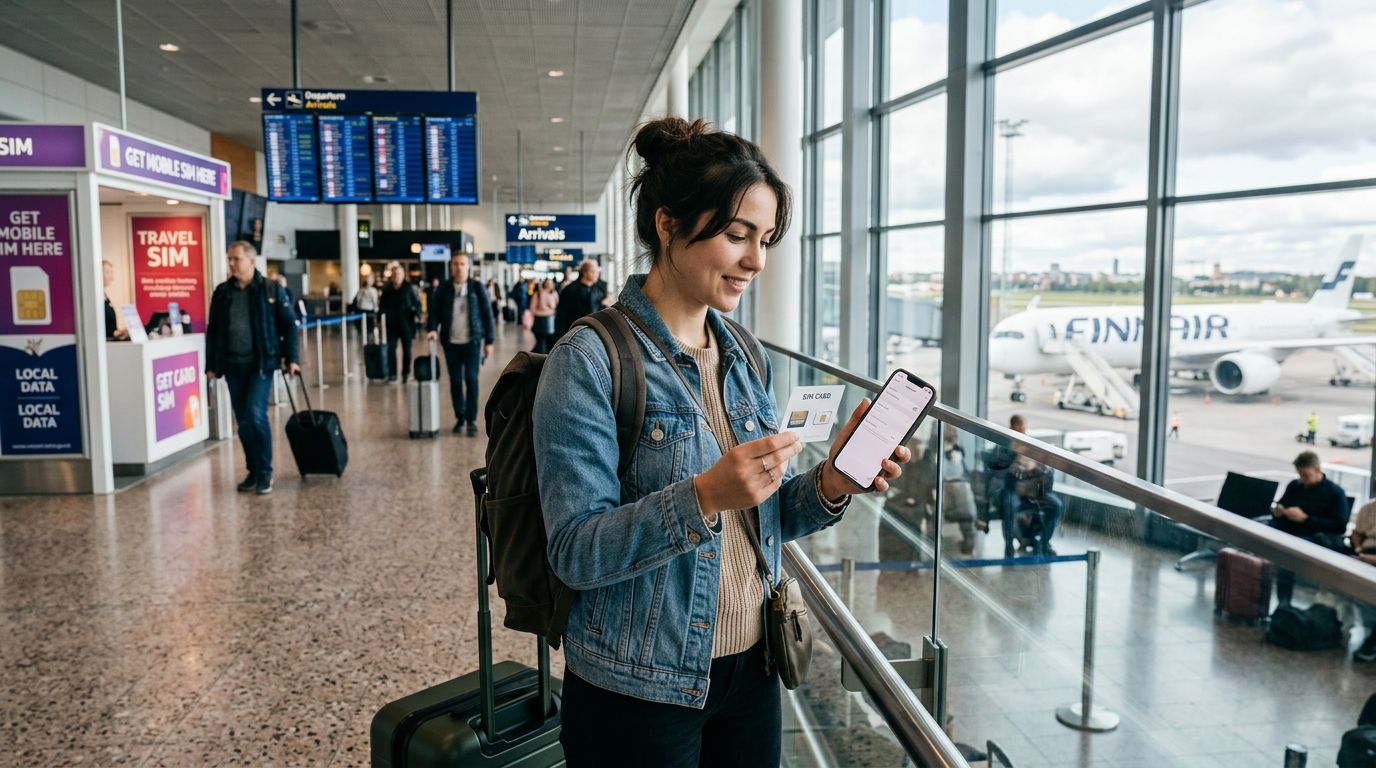
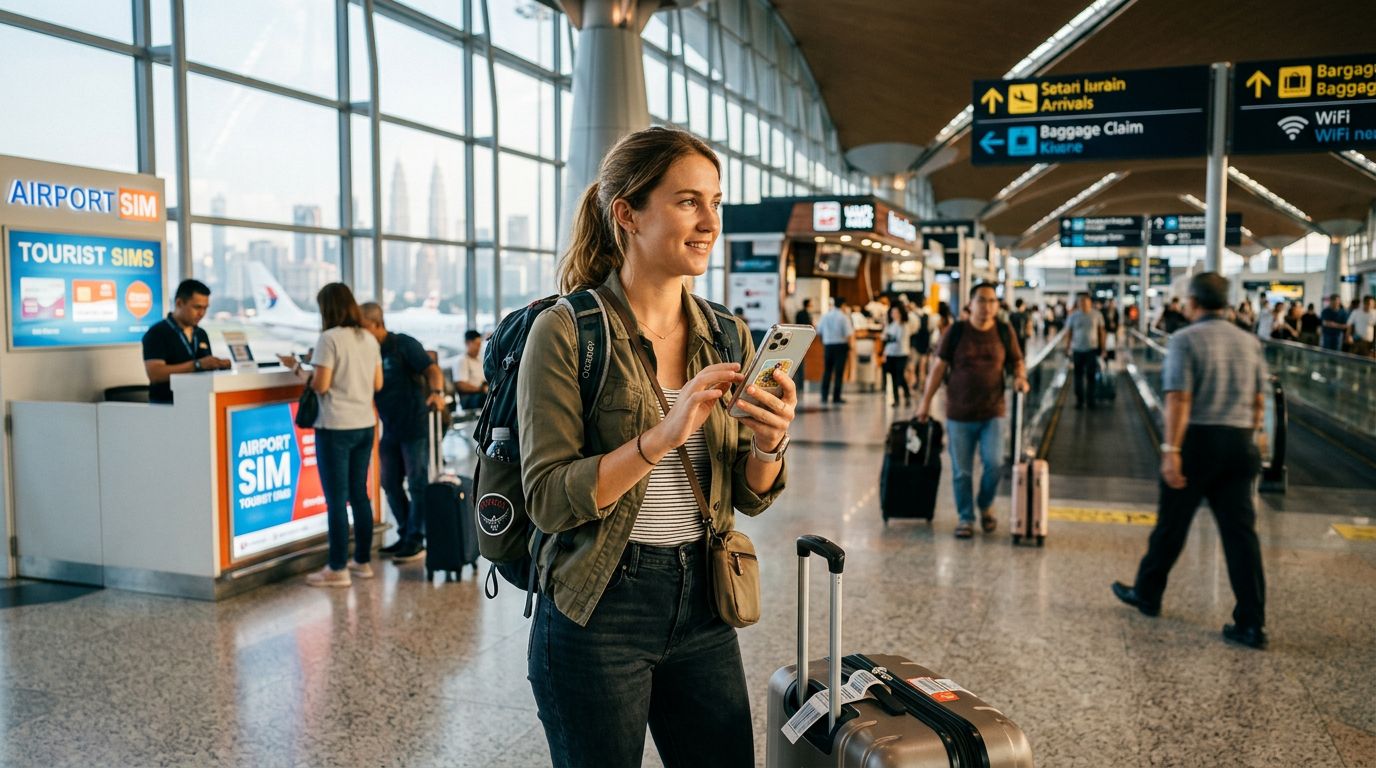
For decades, the standard procedure for international travelers landing in a new country involved heading straight to a kiosk in the arrivals hall. You step off the plane, navigate through customs, and find a brightly lit booth plastered with advertisements for local mobile carriers. This method has served millions of travelers, but it comes with a specific set of logistical hurdles that can dampen the start of any trip.
The primary challenge with airport SIM cards is the physical nature of the process. You must locate a vendor, wait in line behind other weary travelers, and present your passport for registration. Many countries require physical identification to activate a local number, which means handing over your travel documents to a stranger in a busy terminal. Once the transaction is complete, you are tasked with the delicate operation of swapping out your home SIM card. This involves fumbling with tiny metal pins, removing your primary SIM—which is easily lost or damaged—and hoping the new card activates immediately.
Beyond the physical inconvenience, there is the issue of timing and availability. Airport kiosks are not always open, especially if your flight arrives late at night or very early in the morning. Even when they are operational, you are at the mercy of the vendor’s inventory. If you are in a rush to catch a train or meet a ride-share driver, the time spent waiting at a kiosk can be frustrating. Furthermore, airport vendors often charge a premium for the convenience of location, and you may find yourself with a plan that offers far more data than you actually need, or conversely, a limited package that forces you to hunt for another store once you reach the city center.
The Rise of Digital eSIM Technology
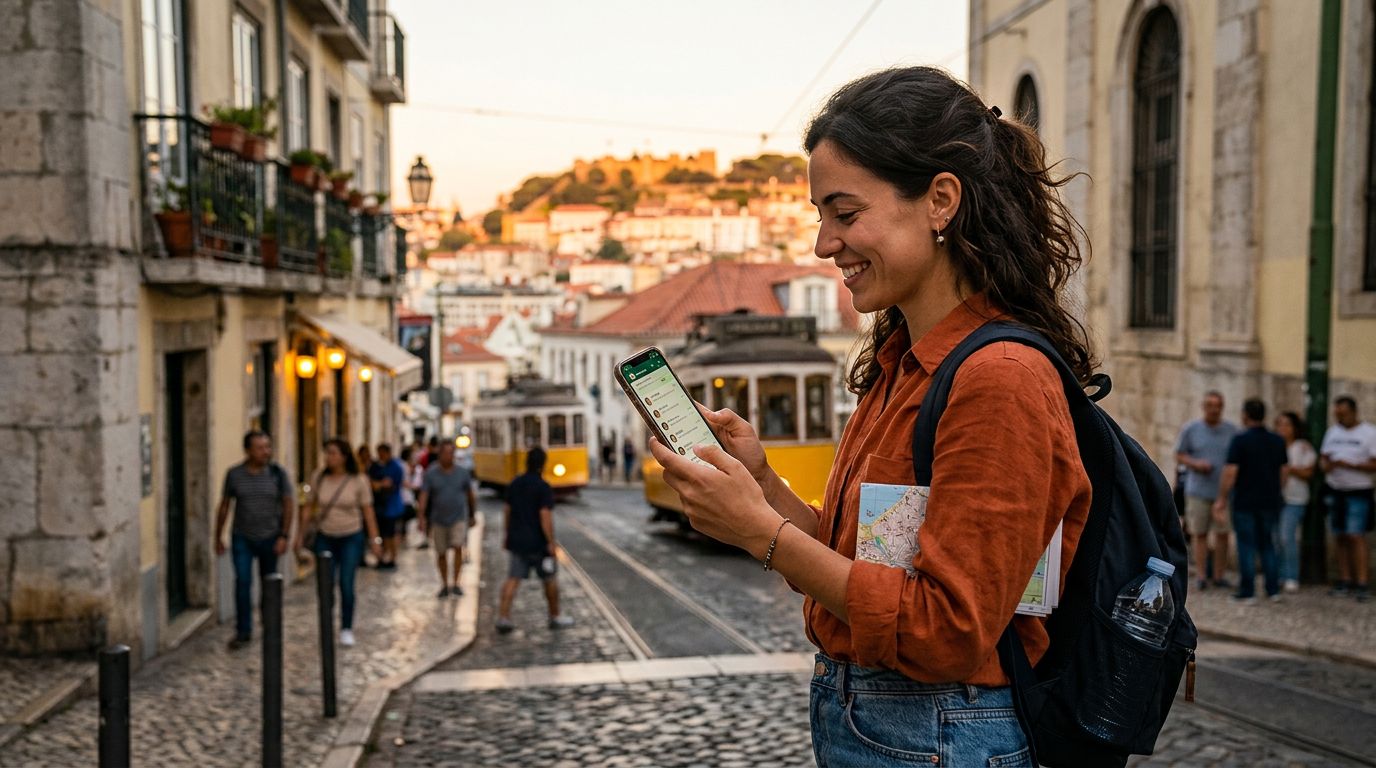
The emergence of the digital eSIM, or embedded SIM, has fundamentally changed how we approach mobile connectivity abroad. Unlike a physical card that occupies a slot in your phone, an eSIM is a small chip integrated directly into the hardware of modern smartphones. Because it is digital, you do not need to physically swap anything. You can purchase a data plan, scan a QR code or follow an installation prompt, and have your connection ready before your plane even touches the runway.
One of the most significant advantages of this technology is the ability to manage your connectivity from home. By using a service like OneTapSIM, you can select your destination, choose a data package that fits your itinerary, and install the profile while you are still packing your suitcase. As soon as you land and turn off airplane mode, your phone connects to a local network automatically. This eliminates the need to stand in lines or interact with vendors after a long flight.
Security is another factor where digital eSIMs hold a distinct advantage. Because you are not removing your home SIM card, you minimize the risk of losing it. Your primary phone number remains active for receiving essential two-factor authentication codes or urgent calls, while the eSIM handles your data needs. This dual-SIM capability allows you to maintain your home connection while enjoying the cost-effective data rates of a local provider. If you are unsure if your device is compatible, you can check the official documentation provided by manufacturers like Apple or Google to confirm if your specific model supports eSIM functionality.
Comparing the Two: Which Should You Choose?
When weighing the airport SIM card vs digital eSIM, the decision often comes down to your personal comfort with technology and your specific travel style. The airport SIM card is a tangible, reliable option for those who prefer a physical product they can hold in their hand. It is also the only viable solution for travelers using older devices that do not feature built-in eSIM hardware. If you are a traveler who prefers to handle logistics on the ground and wants the reassurance of a physical card, the airport kiosk remains a functional, albeit slower, choice.
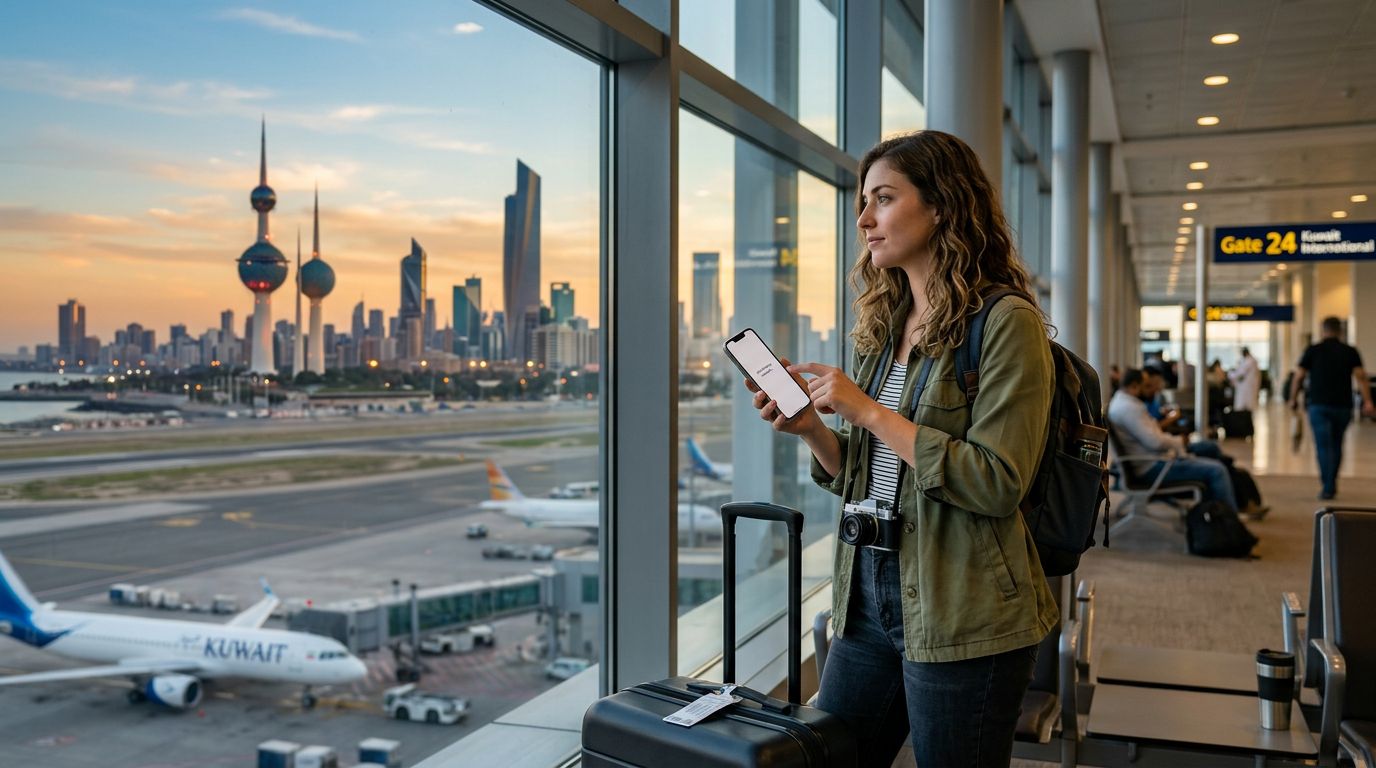
However, for the majority of modern travelers, the eSIM offers a superior experience. The convenience of having connectivity the moment you land cannot be overstated. When you arrive in a new city, you often need immediate access to ride-sharing apps, maps, and translation tools. Waiting until you find a kiosk to get online can leave you stranded or dependent on unreliable public Wi-Fi. With an eSIM, you bypass the stress of the arrivals hall entirely.
Furthermore, digital plans are often more transparent. When you use a platform like OneTapSIM, you can see exactly what you are getting before you commit. You can manage your usage, top up if you run out of data, and switch between regions without ever needing to visit a physical store. This level of control is particularly beneficial for multi-country trips where you might need to jump from one network to another.
Environmental impact is also worth considering. Physical SIM cards are made of plastic and require individual packaging and shipping to retail locations. By choosing a digital-only solution, you reduce the demand for physical manufacturing and distribution, aligning your travel habits with more sustainable practices.
Ultimately, the goal of any connectivity solution is to provide peace of mind. You want to know that when you reach your destination, you can navigate your surroundings, stay in touch with family, and access the information you need. While the traditional airport SIM card is a familiar relic of the past, the digital eSIM represents the current standard for efficient, reliable, and stress-free international travel. By preparing your device before you leave home, you ensure that your focus remains on the journey itself rather than the logistics of getting online. Whether you are traveling for business or pleasure, the transition to digital connectivity allows for a smoother, more integrated travel experience.