Understanding the Basics: Physical SIMs vs. eSIMs
When planning a trip to Vietnam, connectivity is often at the top of the checklist. Whether you are navigating the bustling streets of Hanoi, searching for the best street food in Ho Chi Minh City, or booking a cruise in Ha Long Bay, having reliable mobile data is essential. The two primary ways to stay connected are the traditional physical SIM card and the modern eSIM.
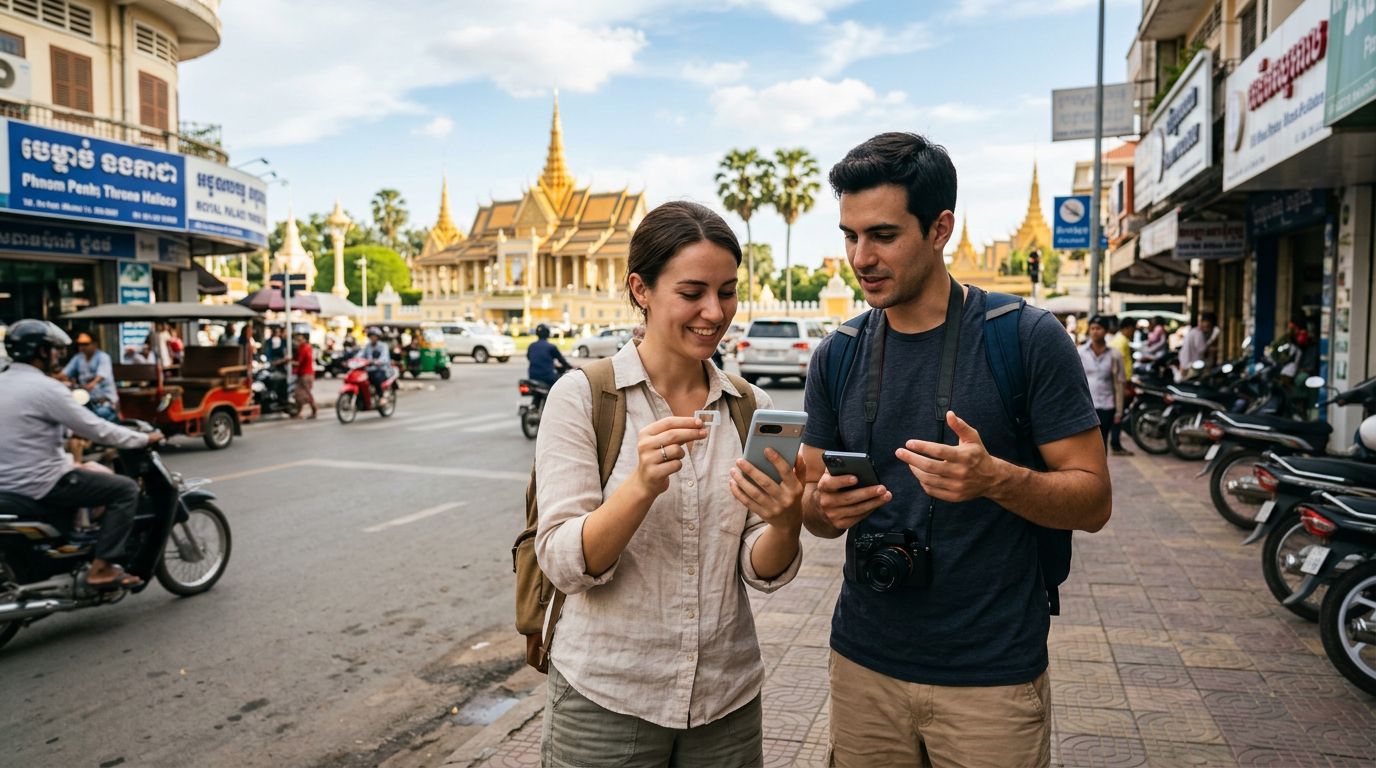
A physical SIM card is a small plastic chip that you insert into your phone’s SIM tray. For years, this was the only way to get local service. You would arrive at the airport, find a kiosk, wait in line, and swap out your home SIM card for a local one. While effective, this process carries the risk of losing your original SIM card and requires you to physically handle your device's hardware.
An eSIM, or embedded SIM, is a digital version of that physical card. It is built directly into the hardware of newer smartphones. Instead of swapping a chip, you simply scan a QR code or enter activation details to download a profile that connects your device to a local network. Because it is software-based, you can set it up before you even leave your home country, ensuring you have data the moment your plane touches down on the runway.
Comparing Convenience and Practicality
The most significant difference between a Vietnam SIM card vs eSIM is the level of convenience. With a physical SIM, you are tethered to the operating hours of airport kiosks or local mobile shops. If your flight arrives late at night, you might find yourself offline until the next morning. Furthermore, you must keep track of your home SIM card, which is often tiny and easily misplaced. If you lose it, you lose your primary number and the ability to receive two-factor authentication codes from your home bank or email services.
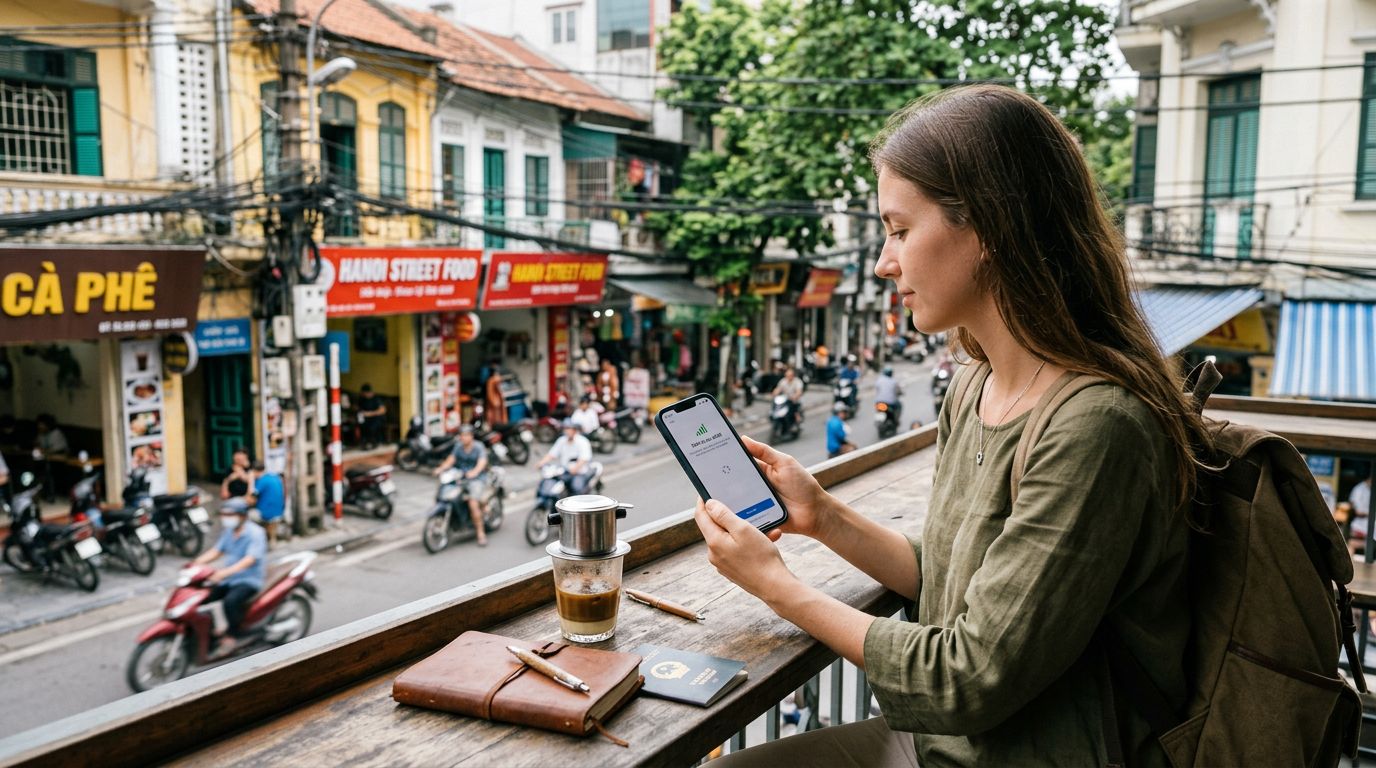
eSIM technology removes these logistical hurdles. By using a service like OneTapSIM, you can purchase and install your data plan while sitting at home or waiting at your departure gate. Once you arrive in Vietnam, your phone automatically switches to the local network. This eliminates the need to hunt for a shop or fumble with a SIM ejector tool.
Another practical advantage of the eSIM is the ability to keep your home SIM active simultaneously. Most modern smartphones allow for "Dual SIM" functionality. This means you can keep your home number active for calls and texts while using your eSIM exclusively for data. This is particularly useful for travelers who need to stay reachable on their primary number for work or family emergencies while enjoying the cost-effective data rates of a local Vietnamese network.
Performance and Compatibility Considerations
When deciding between a Vietnam SIM card vs eSIM, you must consider your device's compatibility. eSIMs are supported by most flagship smartphones released in the last few years. Before purchasing an eSIM plan, it is wise to check your phone’s settings or the manufacturer's official support pages to ensure your device is unlocked and eSIM-capable. If your phone is locked to a specific carrier, you will be unable to use an eSIM from a third-party provider, and you may be forced to use a physical SIM or contact your home carrier to unlock the device before your trip.
In terms of network performance, there is no functional difference between the two options. Both physical SIMs and eSIMs connect to the same local cellular towers in Vietnam. Whether you choose a physical card or an eSIM, your connection quality will depend on the network provider you choose and the coverage in the specific region you are visiting. Major cities like Da Nang, Hanoi, and Ho Chi Minh City generally offer excellent 4G and 5G coverage, while remote mountainous areas or islands may have more limited service regardless of the SIM type.
OneTapSIM provides a streamlined experience by partnering with reliable local networks, ensuring that users get the same high-speed data access they would expect from a physical card, but with the added benefit of digital management. You can monitor your data usage directly through your phone’s settings, which helps in managing your consumption throughout your trip.
Final Verdict: Which Should You Choose?
The choice between a Vietnam SIM card vs eSIM ultimately comes down to your preference for convenience versus tradition. If you have an older device that does not support eSIM technology, or if you prefer the tactile nature of a physical card, a local SIM card remains a viable and reliable option. You can find them easily in most urban centers, and they are a proven method for getting online.
However, for most modern travelers, the eSIM is the superior choice. The ability to bypass airport queues, maintain your home SIM for essential communications, and activate your data plan from anywhere in the world makes it the most efficient solution for international travel. By preparing your connectivity in advance, you spend less time managing your phone settings and more time enjoying the vibrant culture, history, and landscapes of Vietnam.
If you value a smooth, stress-free arrival, the digital transition is well worth it. By opting for an eSIM, you ensure that your transition into the local network is seamless, allowing you to use maps, translation apps, and ride-sharing services the moment you step out of the terminal. Whether you are a solo backpacker or a business traveler, the flexibility offered by eSIM technology provides a significant advantage for any trip to Southeast Asia.
Get an eSIM for
Plans for the destinations covered in this guide, with instant QR delivery.