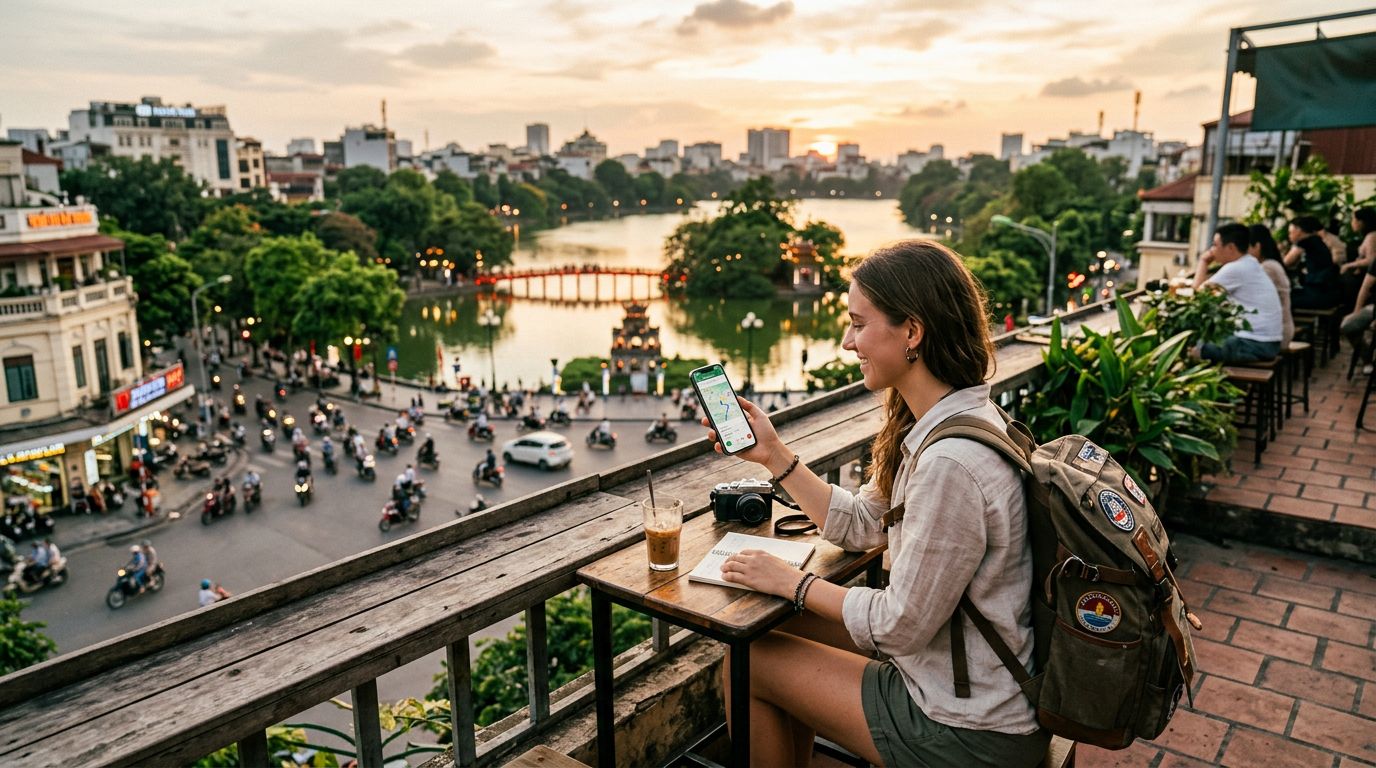
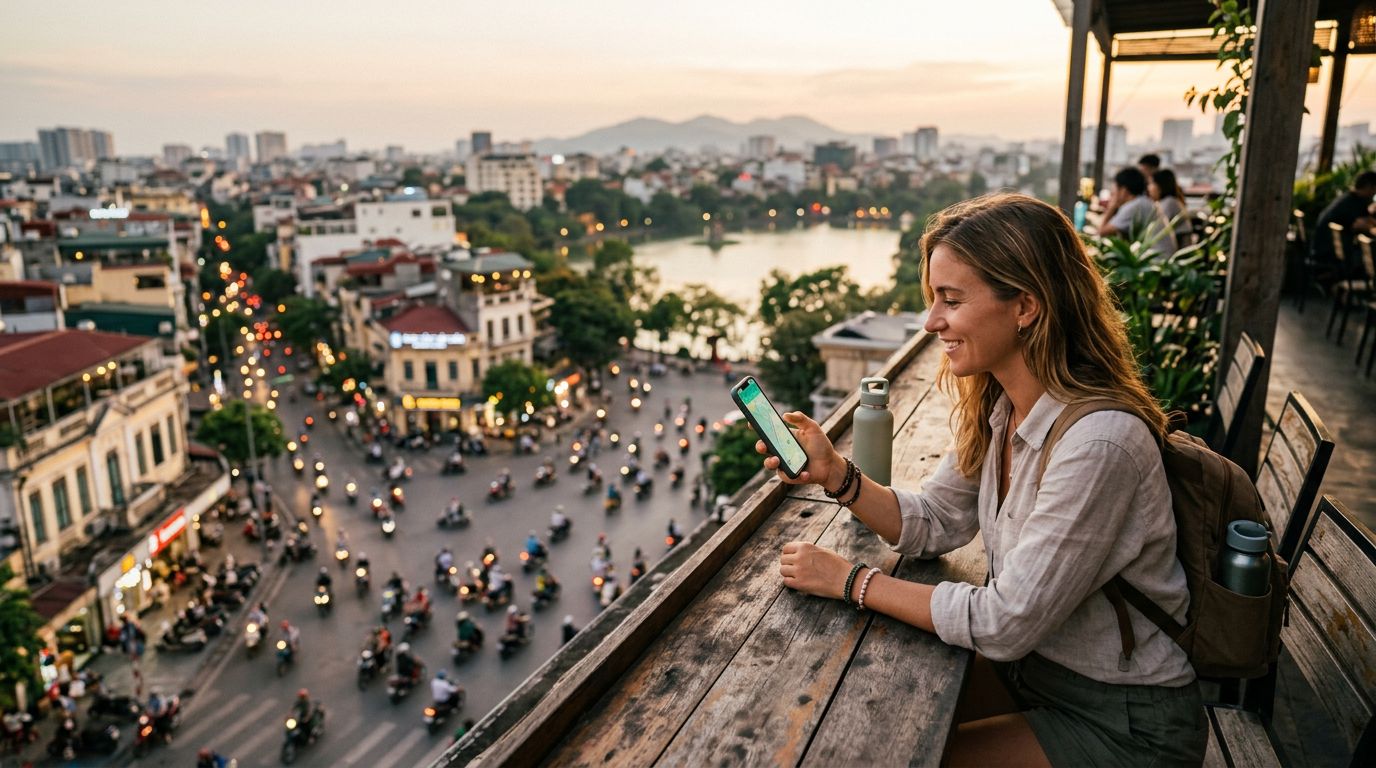
Planning a trip to Vietnam involves checking off a long list of essentials: flights, accommodation, visas, and, most importantly, connectivity. Being able to access maps, translate menus, and call for a ride-sharing service is critical for a smooth experience. When deciding between a traditional physical SIM card and a modern eSIM, many travelers find themselves weighing convenience against tradition. Understanding the differences between a Vietnam SIM card vs eSIM is the first step toward stress-free travel.
The Traditional Physical SIM Card Experience
For decades, the physical SIM card has been the gold standard for international travelers. Upon arriving at Tan Son Nhat in Ho Chi Minh City or Noi Bai in Hanoi, you will see rows of kiosks staffed by major local telecommunications providers. The process is straightforward: you hand over your passport, select a plan, and the staff member swaps out your home SIM card for a local one.
The primary advantage of a physical SIM is its universal compatibility. If you are traveling with an older device or a phone that does not support modern network virtualization, a physical card is your only option. Furthermore, because these cards are tied to local infrastructure, they are often the most reliable way to get a local phone number, which can be useful for making reservations at local restaurants or coordinating with tour guides who prefer calling over messaging apps.
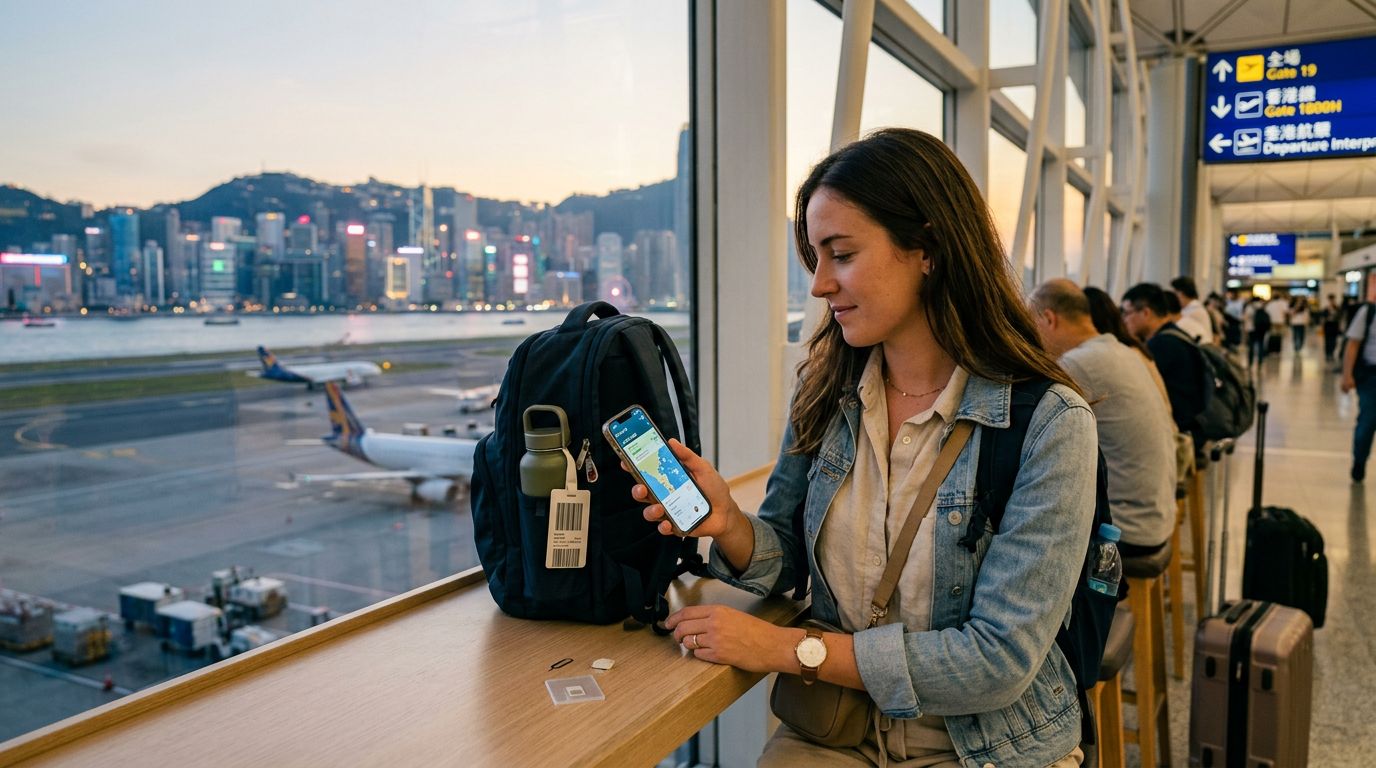
However, there are significant drawbacks. The most obvious is the physical handling of your original SIM card. These cards are tiny and easily lost or damaged. You must keep your home SIM in a safe place for the duration of your trip, which creates a risk of losing your primary connection to your home bank, contacts, and two-factor authentication services. Additionally, buying a SIM at the airport often involves waiting in long lines after a tiring flight. If you choose to buy one in the city, you may struggle with language barriers or shops that are closed during odd hours.
The Rise of eSIM Technology
An eSIM, or embedded SIM, is a digital version of a physical card. Instead of inserting a plastic chip into your phone, you download a data profile directly to your device. This technology has revolutionized travel because it allows you to activate your connection before your plane even touches the runway.
The convenience of an eSIM is unmatched. With a provider like OneTapSIM, you can purchase and install your data plan while still at home. Once you land in Vietnam, you simply toggle your settings to switch from your home carrier to the eSIM profile. There is no need to visit a kiosk, wait in line, or fumble with tiny metal tools to open your SIM tray.
Another major benefit is the ability to keep your home SIM card active. Most modern smartphones allow for dual-SIM functionality, meaning you can keep your home number active to receive important SMS messages—such as bank alerts or flight updates—while using your eSIM for data. This eliminates the risk of losing your original SIM card and ensures you remain reachable on your primary number if an emergency arises.
Compatibility is the only real hurdle. While most flagship smartphones released in the last few years support eSIM technology, it is essential to check your device settings or manufacturer documentation to confirm your phone is unlocked and eSIM-compatible. If your device supports the technology, the transition is seamless, and you will likely never want to return to physical cards again.
Making the Right Choice for Your Vietnam Journey
When comparing a Vietnam SIM card vs eSIM, the decision ultimately comes down to your device capabilities and your tolerance for logistical friction. If you are using a modern smartphone and want to hit the ground running, an eSIM is the superior choice. It offers a cleaner, faster, and more secure way to manage your mobile data. By using a service like OneTapSIM, you bypass the chaos of airport kiosks and ensure that you have high-speed data the moment you step off the plane.
If you are a traveler who prefers the "analog" approach or if you are using an older device that lacks eSIM support, a physical SIM card remains a reliable, albeit less convenient, backup. You will still get the connectivity you need, but you must be prepared to handle the physical logistics of swapping cards and safeguarding your original SIM.
Consider the duration of your stay and your data needs as well. Vietnam has excellent mobile network coverage in major cities and tourist hubs, but rural areas can be challenging regardless of the SIM type. Both options generally offer similar network access, as they both tap into the same local cell towers. The difference lies entirely in how you access that network.
For most travelers, the peace of mind provided by a digital solution is worth the effort of checking device compatibility. Being able to manage your data usage, top up if you run low, and maintain your home phone number simultaneously makes the eSIM the modern standard for international travel. Before you depart, verify that your phone is unlocked, confirm your compatibility, and consider setting up your eSIM in advance. This preparation allows you to focus on the vibrant street food, stunning landscapes, and rich history of Vietnam rather than worrying about finding a store to buy a piece of plastic. Whether you are trekking in the north or cruising the Mekong Delta, having your connectivity sorted out before you arrive ensures that your focus remains exactly where it should be: on the adventure ahead.
Get an eSIM for
Plans for the destinations covered in this guide, with instant QR delivery.