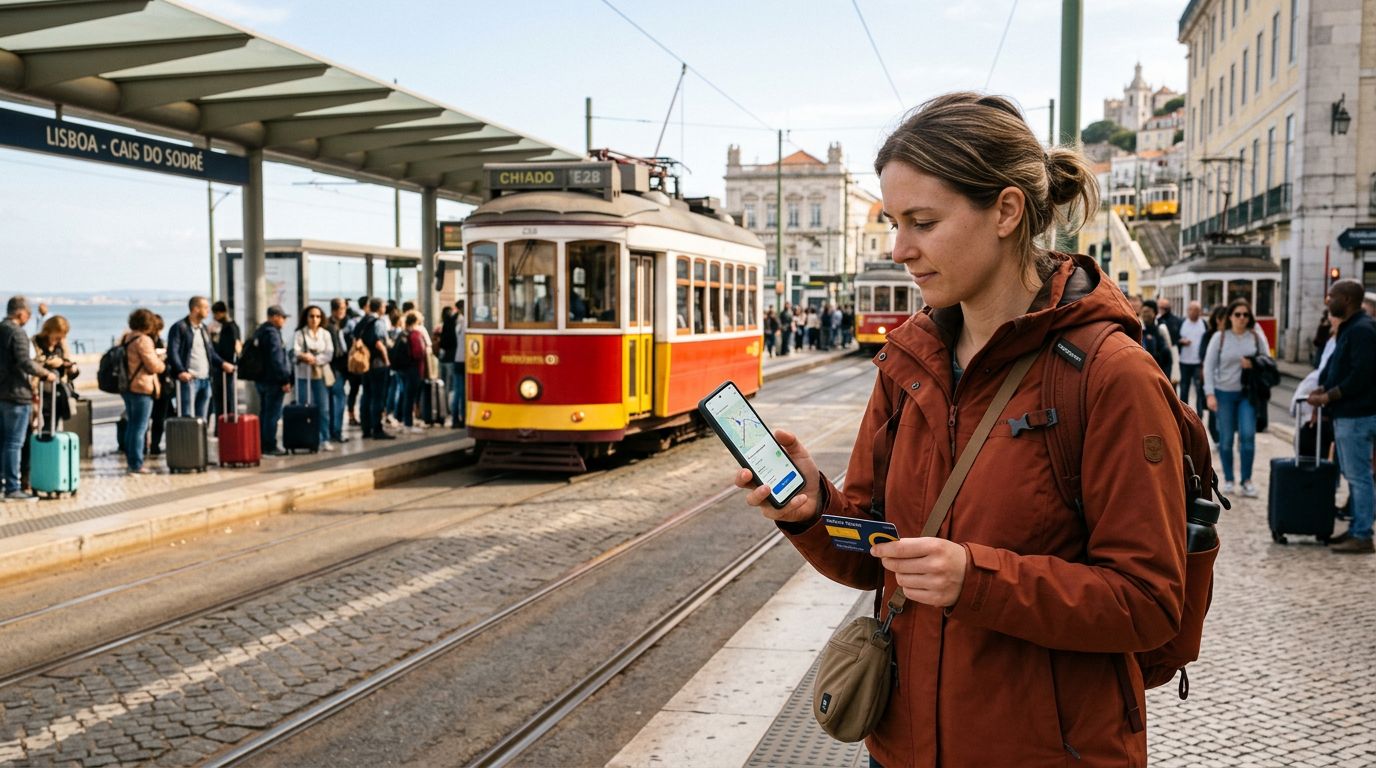
The Importance of Reliable Connectivity for Financial Transactions
When you travel across borders, your smartphone becomes your most vital tool. It serves as your map, your translator, and, increasingly, your primary wallet. Relying on digital payment apps—such as Apple Pay, Google Pay, or localized banking applications—has transformed how we manage money on the road. However, these tools are entirely dependent on a stable, secure internet connection.
The primary challenge when using payment apps while traveling abroad is the "connectivity gap." If you land in a new country and find yourself without data, you cannot verify transactions, receive two-factor authentication (2FA) codes, or access mobile banking portals. This can leave you stranded at a transit station or unable to complete a purchase at a local market. While many travelers rely on public Wi-Fi networks found in airports or cafes, these are notoriously insecure. Sending sensitive financial data over an open network exposes you to potential interception by malicious actors.
Securing a reliable mobile data connection before you reach your destination is the most effective way to protect your financial activities. By using a travel eSIM like OneTapSIM, you can ensure that your device is connected to a local network the moment you touch down. This allows you to use your payment apps with the same confidence you have at home, without the need to hunt for public Wi-Fi or risk the security of your personal data on unencrypted connections.
Security Best Practices for Digital Payments on the Go
Beyond maintaining a consistent data connection, your behavior while using payment apps determines your financial safety. When you are moving through foreign environments, your attention is often divided between sightseeing and logistics, which is exactly when security oversights occur.
First, ensure that your device is fully updated before you depart. Both Apple and Google provide regular security patches that protect against vulnerabilities which could be exploited by local networks. Regularly check the official documentation at support.apple.com or support.google.com to ensure your device settings are optimized for international travel.
Second, avoid using "Auto-Join" features for public Wi-Fi networks. If your phone automatically connects to every open signal it finds, you may inadvertently transmit payment data through an insecure gateway. Instead, maintain a dedicated mobile data connection through your eSIM. Because an eSIM provides a private, encrypted tunnel between your device and the cellular provider, it is significantly safer than any public hotspot.
Third, enable biometric authentication for all your payment apps. Whether it is FaceID, TouchID, or a secure PIN, adding an extra layer of verification ensures that even if your phone is temporarily misplaced, your financial accounts remain inaccessible to others. If you are using a banking app, consider disabling "stay logged in" features. While it may be slightly less convenient to re-enter your credentials, it prevents unauthorized access if your screen is left unlocked in a crowded area.
Finally, keep a close eye on your transaction history. When you are using payment apps while traveling abroad, it is easy to lose track of small, frequent purchases. Review your banking notifications daily. If you notice any suspicious activity, having an active, reliable data connection allows you to contact your bank immediately to freeze your accounts or resolve issues before they escalate.
Managing Connectivity to Avoid Financial Disruptions
The transition from a domestic SIM to an international data solution should be seamless. Many travelers experience "bill shock" or connectivity failure because they rely on their home carrier’s international roaming plans, which are often expensive and prone to throttling. When your data speed is throttled, payment apps may time out during a transaction, leading to "pending" charges that can be difficult to reconcile.
An eSIM offers a superior alternative by providing high-speed local data. By pre-installing a plan from a provider like OneTapSIM, you eliminate the stress of searching for a physical SIM card kiosk at a foreign airport. Once the eSIM is active, your payment apps will function as if you were still in your home country. This consistency is vital for the background processes that payment apps require, such as location verification. Many modern financial apps use GPS data to confirm that a transaction is legitimate; if your connection is intermittent or routed through a distant server, the app might flag your purchase as fraudulent and block the transaction.
To ensure your travel experience remains smooth, follow these steps:
- Install your eSIM profile before you leave home. Most providers allow you to set up the profile in advance, so it activates automatically upon arrival.
- Configure your device settings to use the eSIM specifically for "Cellular Data." This prevents your phone from accidentally switching to your home carrier's roaming service, which could lead to unexpected costs or connectivity drops.
- Keep your home SIM active only for essential SMS verification codes if your bank requires them. Most modern smartphones allow for dual-SIM management, where you can keep your home number for calls and texts while using your eSIM for all data-heavy tasks like mobile payments.
By treating your mobile data connection as a critical piece of travel infrastructure, you can focus on the experience of your trip rather than the logistics of your finances. Reliable connectivity is not just about convenience; it is about maintaining control over your assets while you are away from home. Whether you are grabbing a coffee in a bustling city or paying for a train ticket in a remote region, having a secure, independent data source ensures that your digital wallet is always ready when you need it.