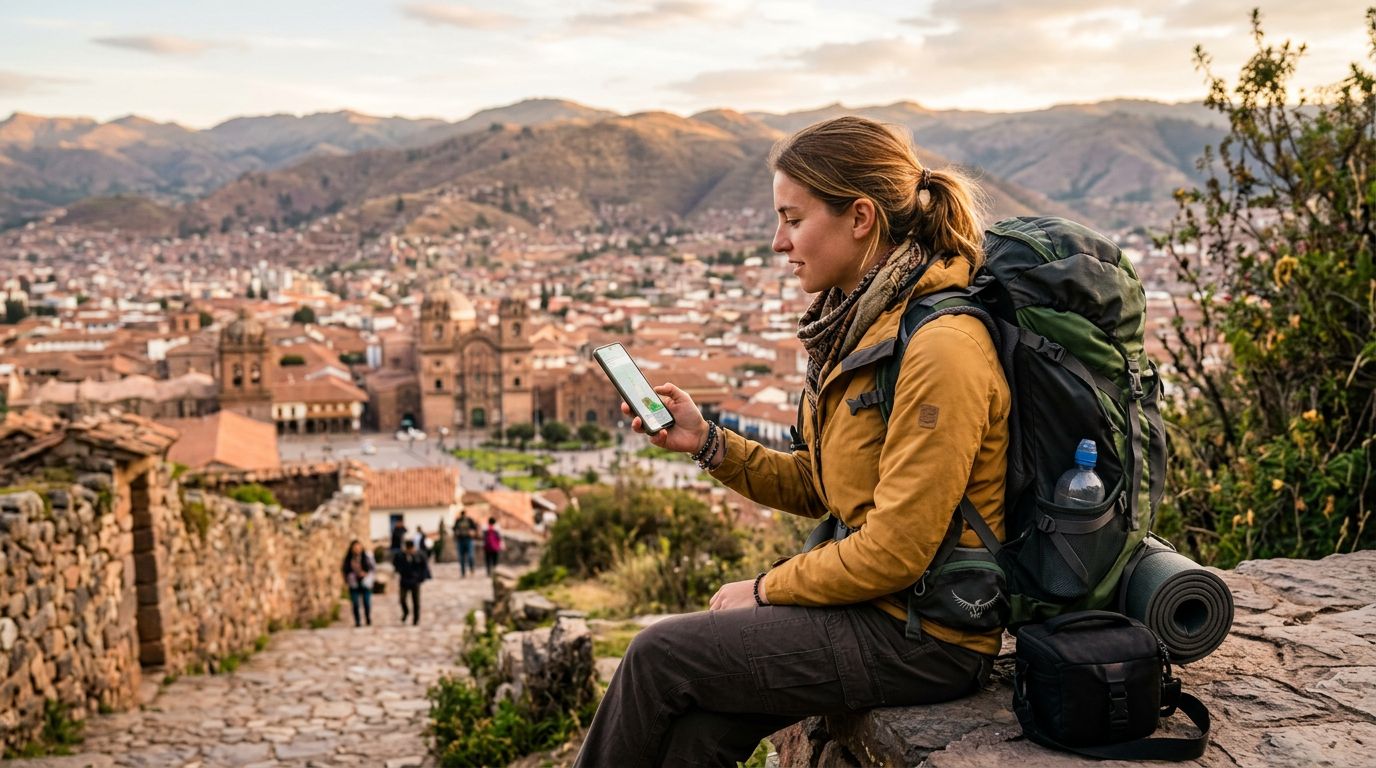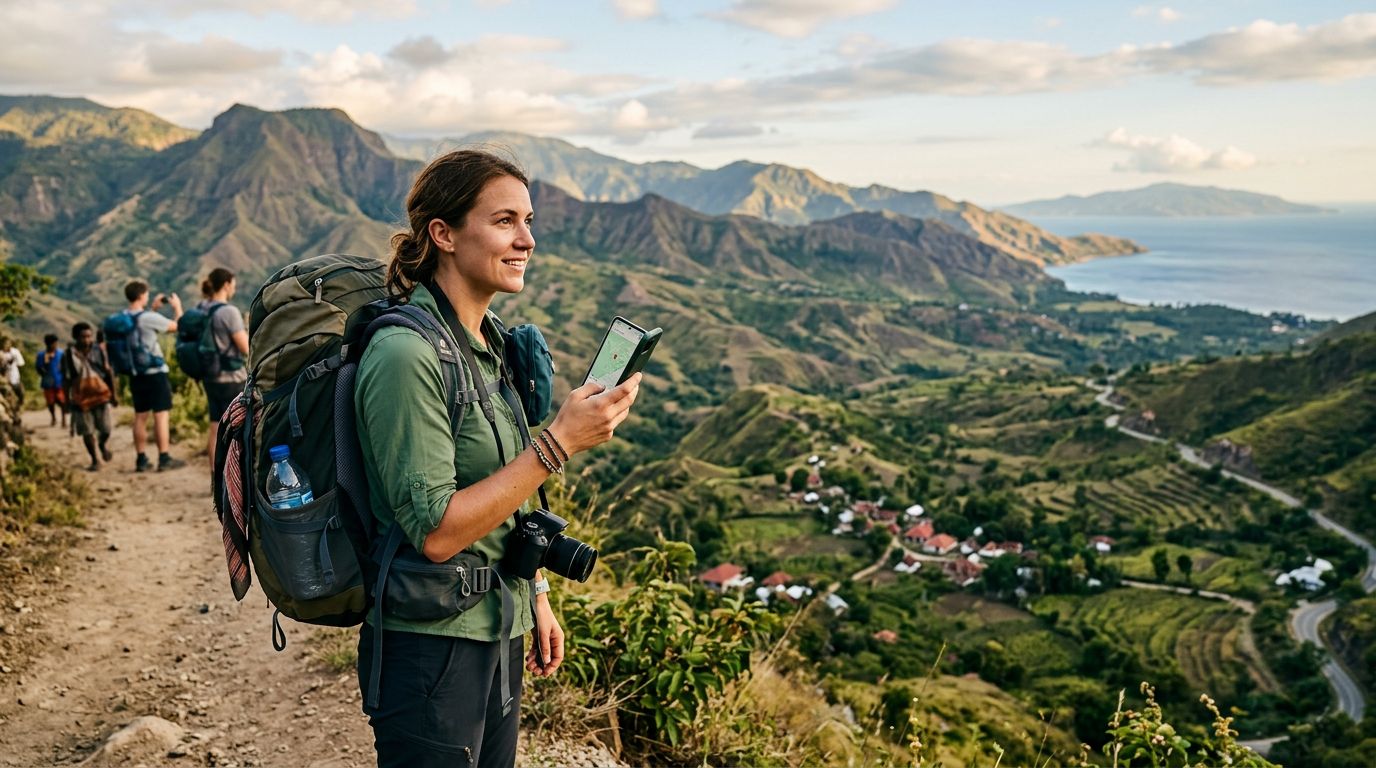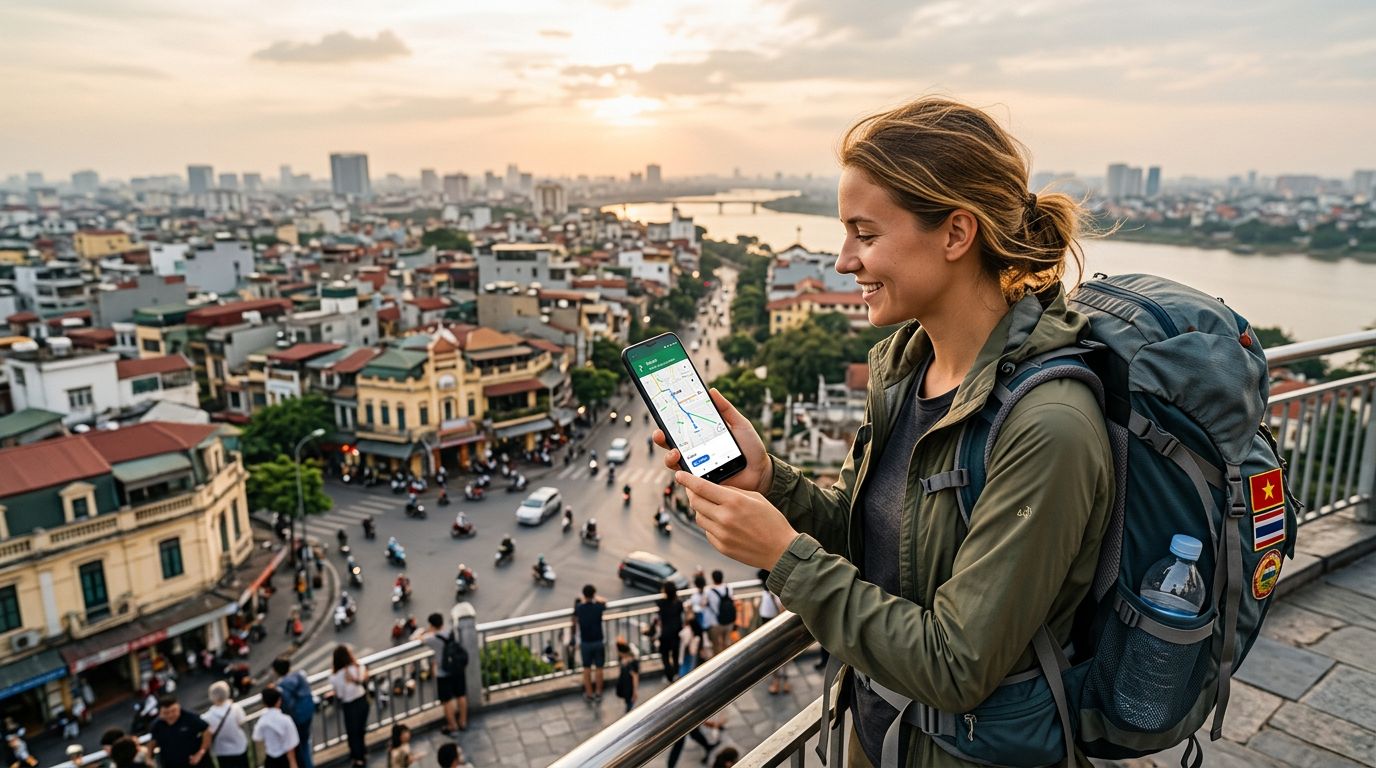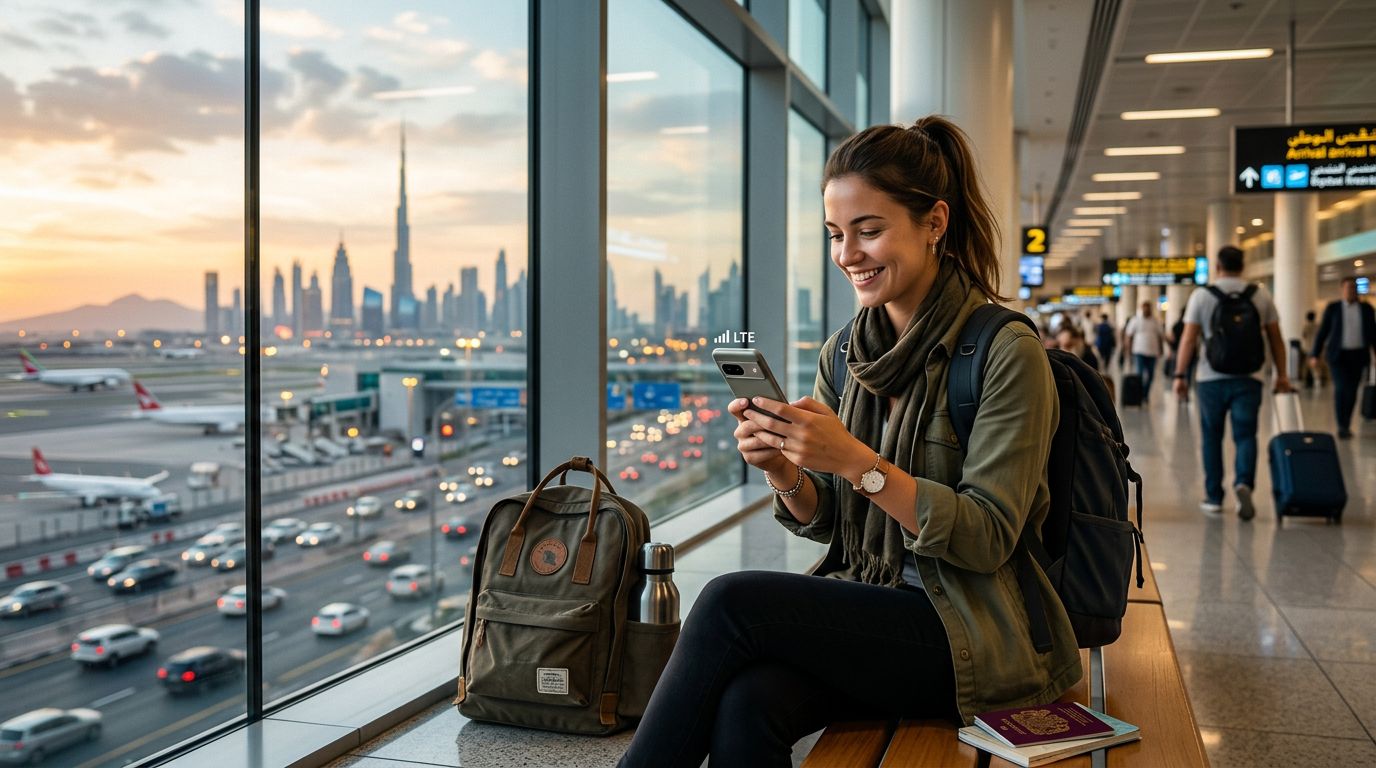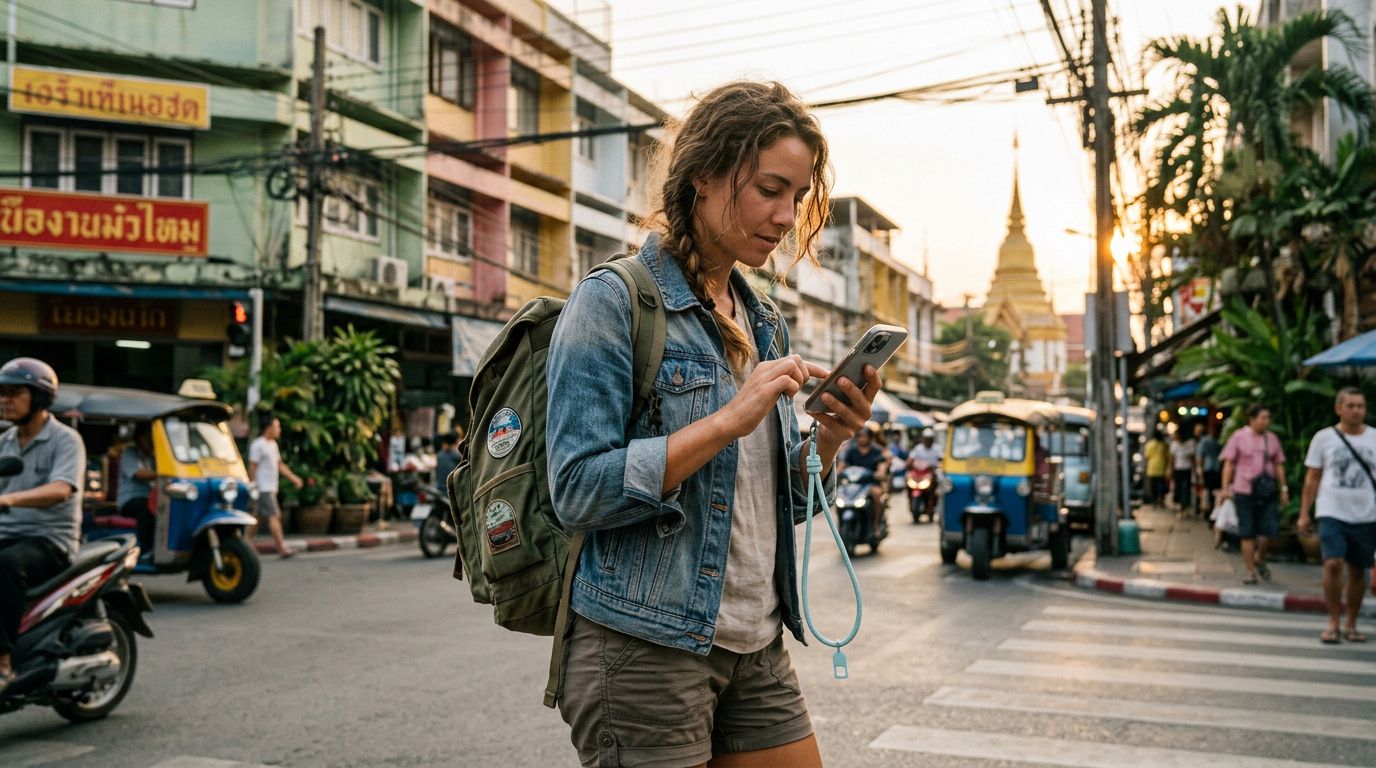
Backpacking is defined by the freedom to roam, the thrill of the unknown, and the ability to change your plans on a whim. Whether you are navigating a bustling night market in Southeast Asia or trekking through the remote trails of the Andes, the ability to access information is essential. Staying connected while backpacking abroad is no longer just about convenience; it is a vital tool for safety, logistics, and preserving memories.
For many years, the standard approach to international connectivity involved hunting for local physical SIM cards at kiosks, dealing with language barriers, and keeping track of tiny plastic chips. While this method worked, it often meant sacrificing precious time during your arrival. Modern technology has shifted the landscape, allowing travelers to manage their connectivity needs before they even step off the plane.
The Evolution of Connectivity for Backpackers
The traditional experience of landing in a new country often started with a frantic search for a mobile provider. You would spend the first hour of your trip standing in a queue, showing your passport, and hoping your phone was compatible with the local network. If the shop was closed or the language barrier proved too difficult, you were left without maps, translation tools, or the ability to call a hostel.
The rise of eSIM technology has changed this dynamic entirely. An eSIM is a digital SIM card that is embedded directly into your smartphone. Instead of physically swapping out a card, you download a profile that grants you access to cellular data networks. This allows you to activate a local data plan the moment you touch down.
When you use a service like OneTapSIM, you eliminate the physical friction of travel. Because the setup happens digitally, you can manage your connectivity from your phone’s settings. This is particularly advantageous for backpackers who frequently cross borders. Instead of visiting multiple stores in different countries, you can queue up your next data plan while sitting in a cafe or waiting for a bus. This seamless transition ensures that you are never left offline when you need to navigate a new city or confirm a booking.
Practical Strategies for Managing Data and Battery Life
Staying connected is not just about having a signal; it is about managing your resources effectively. When you are on the road, your phone is your lifeline. It acts as your camera, your GPS, your translator, and your communication hub. To make the most of your data plan, you need to be strategic about how you use your device.
Start by optimizing your phone’s settings to prevent background data usage. Many applications automatically refresh, sync photos, or download updates in the background, which can consume your data allowance without you realizing it. Check your settings to restrict background data for non-essential apps. Furthermore, downloading offline maps is a classic backpacking hack. Google Maps allows you to save large areas for offline use, which saves data and ensures you can find your way even in areas with poor reception.
Battery management is equally important. Using GPS for navigation and constantly searching for a signal can drain your battery rapidly. To mitigate this, consider carrying a reliable power bank. When you are moving between locations, keep your phone in power-saving mode. If you are using a digital plan, ensure your primary device is compatible with eSIM technology by checking the manufacturer's support pages, such as those provided by Apple or Google. By combining a digital plan with smart usage habits, you can extend your connectivity throughout long transit days without needing to stop and recharge.
Safety and Security While Traveling
Connectivity is a cornerstone of travel safety. Being able to access real-time information allows you to stay informed about local conditions, weather updates, or changes in transportation schedules. If you find yourself in a situation where you need to contact emergency services or reach out to your embassy, having a reliable data connection is non-negotiable.
Public Wi-Fi is a common temptation for budget-conscious travelers, but it often comes with security risks. Open networks in airports, cafes, and hostels are frequent targets for data interception. Relying on your own private data connection through an eSIM profile is significantly more secure. Because you are connecting directly to a cellular network rather than a shared public router, you protect your personal information and online accounts from potential threats.
Beyond security, connectivity fosters peace of mind. The ability to share your location with friends or family back home, or to simply check in after a long day of travel, reduces the stress often associated with solo exploration. When you use a provider like OneTapSIM, you are choosing a predictable and stable way to keep your phone active. You know exactly what you are getting, and you do not have to worry about the reliability of a random local network or the security of an unencrypted Wi-Fi hotspot.
Backpacking is about the experience, not the logistics. By streamlining your connectivity, you create more space to focus on the things that matter: the people you meet, the landscapes you explore, and the stories you collect. Technology should serve your journey, not complicate it. By preparing your digital connectivity before you depart, you ensure that your phone remains a helpful companion rather than a source of frustration. Whether you are planning a multi-country expedition or a short getaway, the transition to digital data management is a step toward a smoother, safer, and more enjoyable adventure.
Get an eSIM for
Plans for the destinations covered in this guide, with instant QR delivery.