Understanding Connectivity Options for Your Tonga Trip
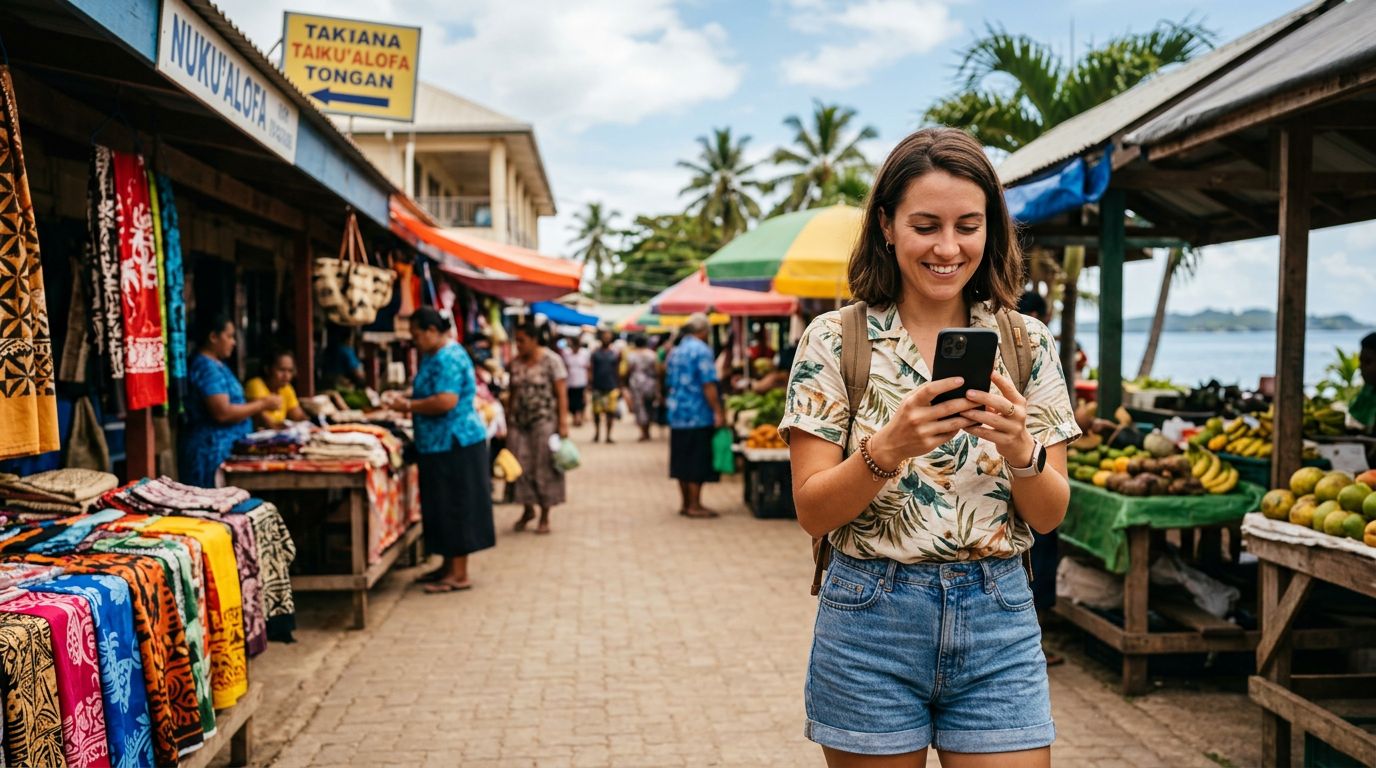
Planning a trip to the Kingdom of Tonga involves coordinating logistics across its many islands, from the main hub of Tongatapu to the beautiful Vava’u group. One of the most important aspects of your preparation is ensuring you have reliable data access. When comparing a Tonga SIM card vs eSIM, you are essentially choosing between the traditional physical approach and the modern, digital method of staying connected.
A traditional physical SIM card requires you to visit a local provider’s office or a kiosk upon arrival. This involves finding a store, waiting in line, and physically swapping out your current card. While this method has been the standard for decades, it carries the risk of losing your original SIM card during the process. Additionally, you must ensure your phone is unlocked by your home carrier before you leave, or the local SIM will not function.
An eSIM, or embedded SIM, is a digital alternative that eliminates the need for a physical chip. Because the technology is built directly into the hardware of modern smartphones, you can activate your data plan through a simple digital process. This allows you to maintain your home number for essential calls or texts while using a secondary data plan for your internet needs. For travelers who value efficiency, the ability to set up connectivity before even boarding the plane is a significant advantage.
Comparing Convenience and Practicality
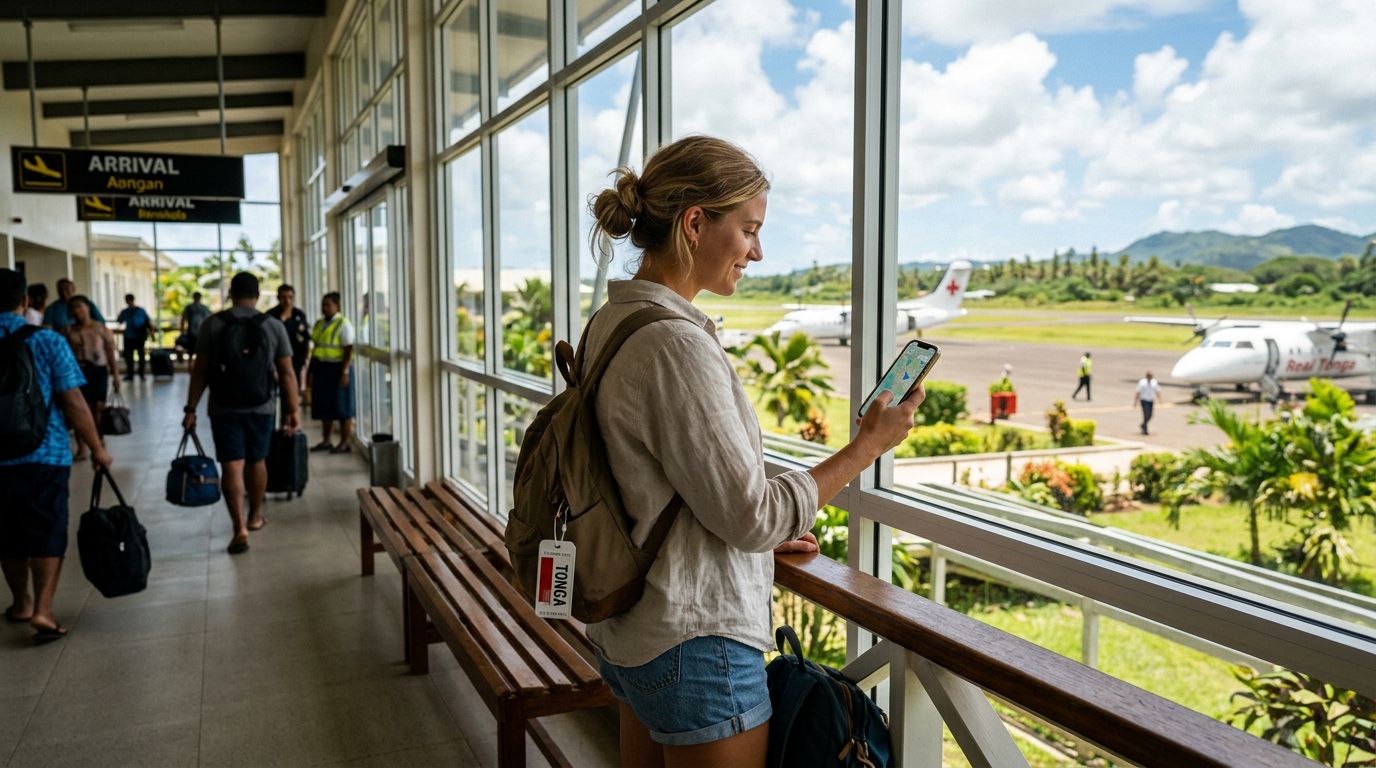
The primary difference between these two options lies in the setup process. With a physical SIM card, your connectivity is entirely dependent on the operating hours of local shops. If your flight arrives late at night or on a weekend when stores are closed, you may find yourself without data until the next business day. This can be stressful if you need to access maps, check accommodation details, or contact local transportation services immediately upon landing.
In contrast, an eSIM provides a seamless transition. By choosing a provider like OneTapSIM, you can configure your device settings well before your arrival in Nuku'alofa. As soon as your plane touches down, you can toggle your data settings to switch to your travel plan. This immediate access allows you to bypass the airport queues and head straight to your destination.
Furthermore, the physical nature of a traditional SIM card introduces a margin for error. Small, delicate chips can be easily misplaced or damaged during the swap. If you lose your home SIM card while traveling, you may face significant challenges when trying to restore your original service upon returning home. An eSIM removes this risk entirely, as your original SIM remains safely inside your device, untouched and secure.
It is also worth noting that many modern smartphones are moving toward eSIM-only designs. As manufacturers continue to prioritize internal space for larger batteries and better cameras, physical SIM trays are becoming less common. By adopting eSIM technology, you are future-proofing your travel habits and ensuring compatibility with the latest hardware standards.
Performance and Compatibility Considerations
When you search for a Tonga SIM card vs eSIM, you might wonder if one offers better network speed or coverage than the other. In reality, the quality of your connection depends on the underlying infrastructure provided by local telecommunications companies. Both physical SIMs and eSIMs typically tap into the same local networks. The difference is not in the signal strength, but in how you access that signal.
Before choosing an eSIM, you must verify that your device is compatible. Most flagship smartphones released in the last few years support eSIM functionality. You can verify your device's capabilities by checking the manufacturer's official support pages. If your phone is compatible, the setup is usually as simple as scanning a QR code or entering a set of activation details provided by your service partner.
OneTapSIM focuses on providing a streamlined experience for travelers who want to avoid the complexities of local contracts or language barriers at physical retail locations. By offering a digital-first solution, the platform helps you manage your data usage effectively. You can monitor your consumption throughout your trip, ensuring that you stay connected while island hopping without the fear of unexpected roaming charges.
Another factor to consider is the duration of your stay. If you are visiting Tonga for a short holiday, the flexibility of a digital plan is often superior. You can select a data package that aligns with the length of your trip, ensuring you do not pay for more than you need. Physical SIM cards sometimes come with mandatory top-up requirements or minimum balance rules that can be cumbersome for short-term visitors.
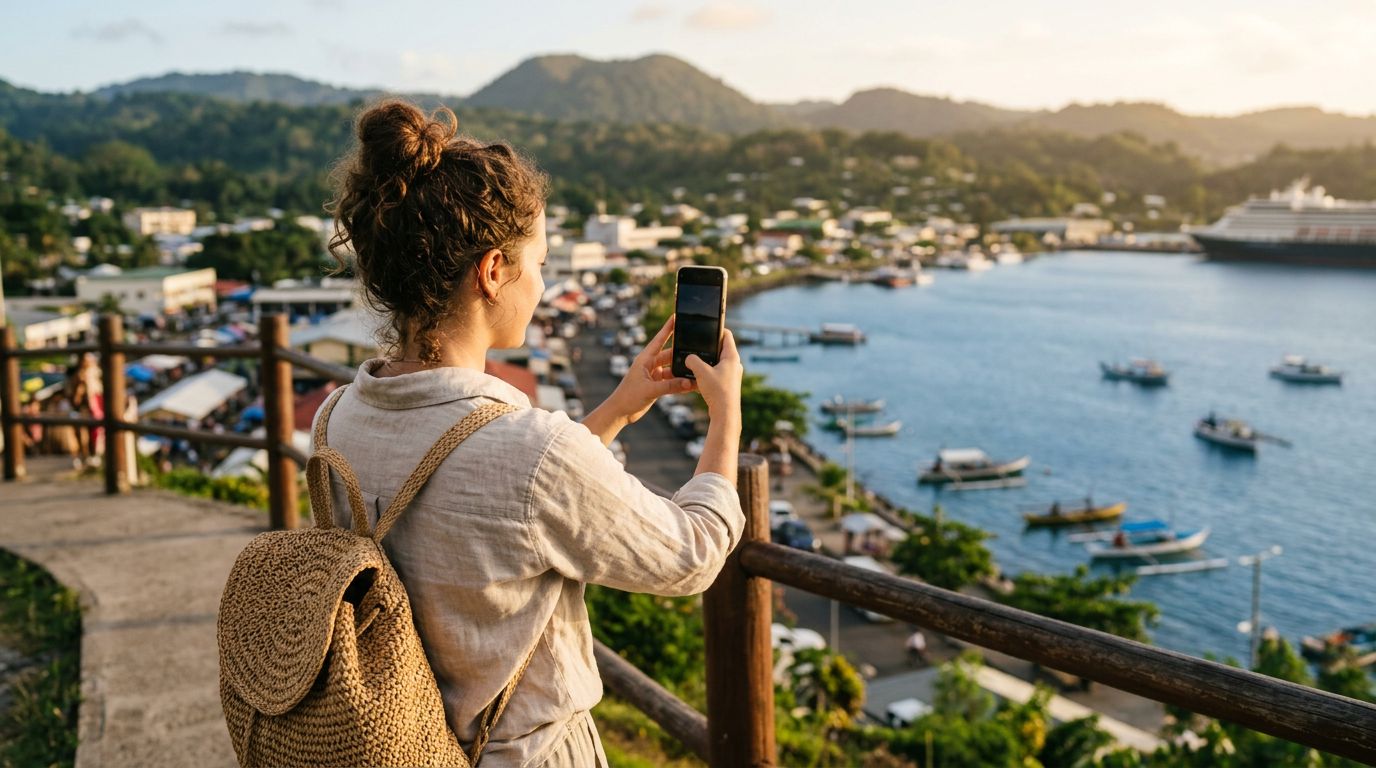
Ultimately, the choice comes down to your personal comfort with technology and your desire for convenience. If you prefer a hands-on experience and want to interact with local vendors, a physical SIM card remains a viable path. However, if you want to optimize your travel time and ensure that your phone is ready to work the moment you step off the aircraft, the eSIM approach is the modern standard. By removing the need for physical hardware swaps and providing an instant activation process, you can spend less time managing your connectivity and more time enjoying the pristine beaches and unique culture of Tonga. Whether you are exploring the blowholes of Tongatapu or swimming in the caves of Vava'u, having a reliable, pre-configured data plan ensures that you can share your experiences and navigate your journey with confidence.
Get an eSIM for
Plans for the destinations covered in this guide, with instant QR delivery.