Understanding Your Connectivity Options in South Africa
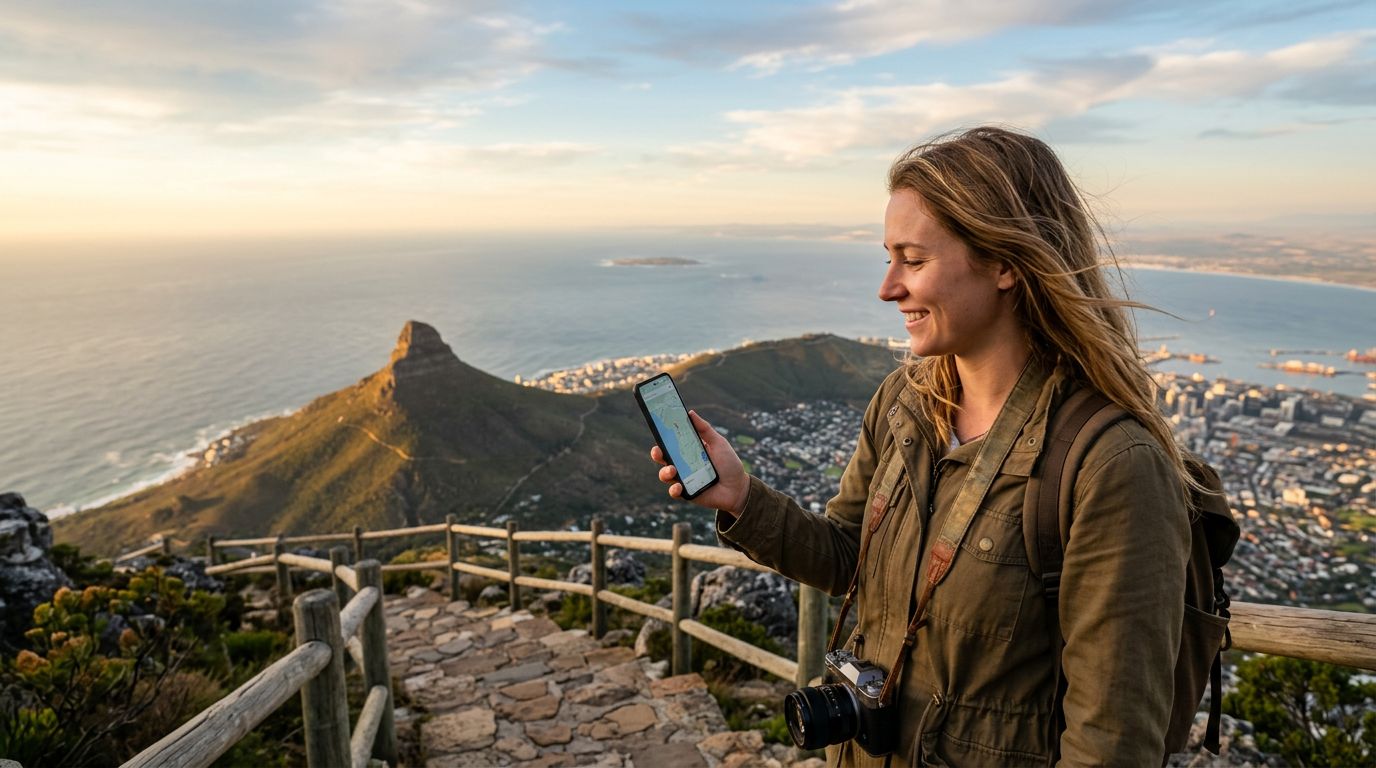
Planning a trip to South Africa involves checking off a long list of requirements, from safari bookings to travel insurance. Among these, staying connected is often the most critical for safety and convenience. Whether you are navigating the winding roads of the Garden Route, checking the status of a flight at OR Tambo, or sharing photos of the sunset in Cape Town, you need a reliable data connection.
When comparing a South Africa SIM card vs eSIM, you are essentially choosing between the traditional physical approach and the modern digital alternative. A physical SIM card is a small plastic chip that must be inserted into your device. To acquire one, you typically visit a local store, present your passport for mandatory registration, and swap out your home SIM card.
An eSIM, or embedded SIM, is a digital version of that card. It is built directly into the hardware of modern smartphones. Instead of visiting a store, you scan a QR code or follow an installation process provided by your service provider. Because it is digital, you can activate it before you even board your plane, ensuring you have data the moment your wheels touch the tarmac.
The Pros and Cons of Physical SIM Cards
For many travelers, the physical SIM card is a familiar concept. If you have traveled internationally before, you have likely stood in a queue at an airport kiosk, waited for a clerk to register your details, and carefully stored your home SIM card in a small pouch to avoid losing it.
The primary advantage of a physical SIM card is its ubiquity. In South Africa, you will find branded kiosks for major mobile network operators in almost every shopping mall and airport terminal. If you encounter a technical issue, you can walk back into the store and speak to a representative face-to-face. For travelers who prefer a tangible product or whose devices do not support eSIM technology, this remains the standard path.
However, the downsides are significant. The registration process in South Africa is strictly regulated. You are required to provide proof of identity and often proof of residence, which can be a hurdle for tourists staying in hotels or temporary rentals. Furthermore, the physical swapping process is risky. It is very easy to lose or damage your original SIM card while fumbling with a small tray and a pin tool in a busy airport. You also lose the ability to receive calls or messages on your primary phone number, which can be a major inconvenience if you are using two-factor authentication for banking or need to stay reachable for urgent work matters.
Why eSIMs are Changing Travel Connectivity
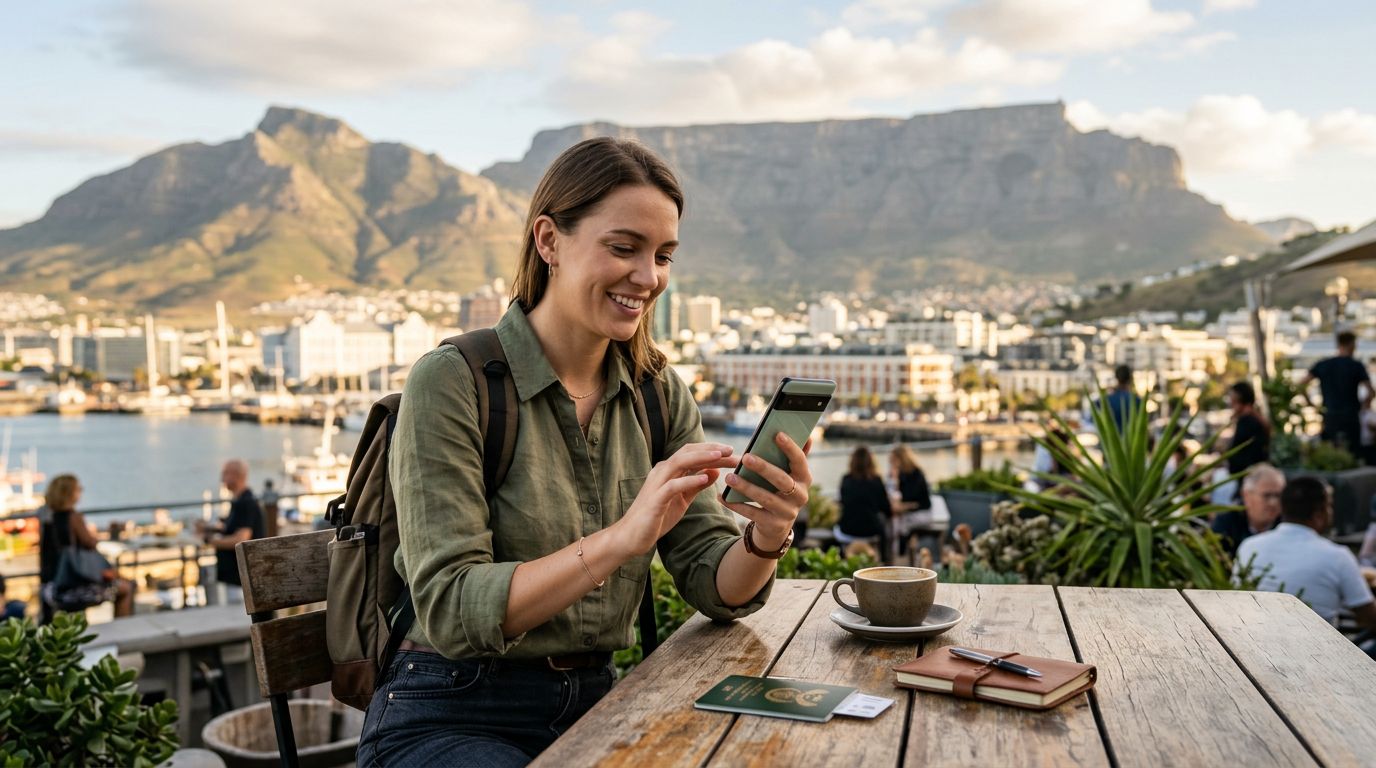
The shift toward eSIM technology has transformed how travelers handle roaming. By using an eSIM, you can keep your primary SIM card active in your phone. This means you continue to receive SMS messages for security codes or essential notifications, while your data is routed through the local network via the eSIM.
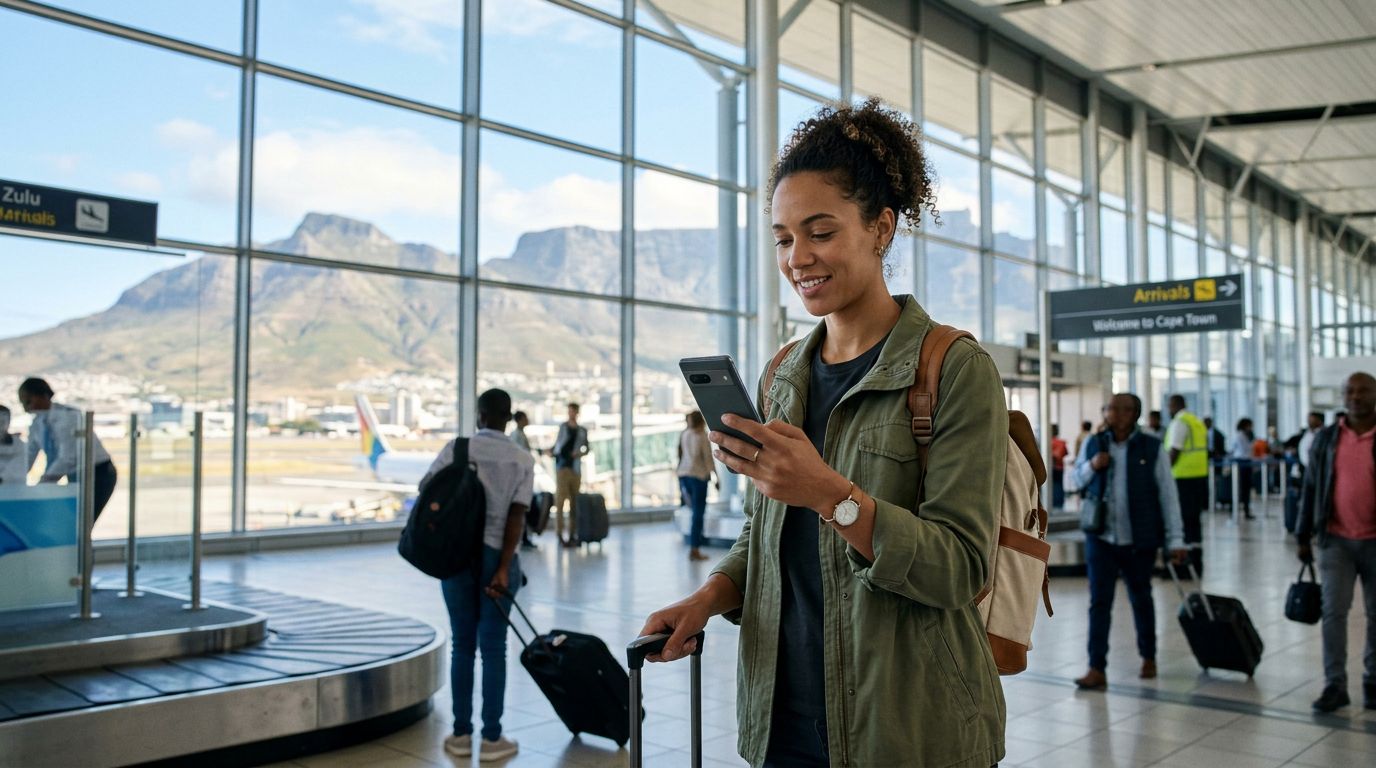
OneTapSIM offers a seamless approach to this process. Because the technology is software-based, there is no need to hunt for a store or wait in line after a long-haul flight. You set up your connection in advance, and it activates as soon as you arrive. This is particularly helpful in South Africa, where you might land in a city and immediately need to use a ride-sharing app or check your digital itinerary.
Another major benefit is the management of multiple profiles. If you are traveling through multiple countries, you can store several eSIM profiles on your device and switch between them with a few taps in your settings. You never have to worry about carrying a collection of plastic cards or losing your original one.
Compatibility is the only real hurdle. While most modern smartphones from the last few years support eSIM, it is always wise to check your device settings or the manufacturer’s support pages to ensure your specific model is unlocked and eSIM-ready. If your phone supports it, the experience of having instant, reliable data without the physical hassle is a significant upgrade over the traditional method.
Making the Right Choice for Your South African Adventure
When deciding between a South Africa SIM card vs eSIM, consider the nature of your trip. If you are a minimalist traveler who values efficiency and wants to avoid the administrative burden of local registration, an eSIM is the clear winner. It allows you to maintain your home connection while enjoying the benefits of a local data plan.
If you are someone who prefers physical hardware or if you are using an older device that does not support digital SIMs, a local physical card is a reliable fallback. Just be prepared to set aside time upon arrival to visit a store, complete the registration paperwork, and manage the physical swap.
Regardless of which path you choose, the goal is to ensure you are never without a map or a way to communicate. South Africa is a vast and beautiful country, and having a consistent connection enhances your ability to explore safely. By preparing your connectivity strategy before you leave home, you remove one of the most common stressors of international travel.
If you opt for the digital route, take a moment to ensure your phone is compatible and that you have a stable Wi-Fi connection to download your eSIM profile before you depart. Whether you are trekking through the Drakensberg or enjoying the vineyards of Stellenbosch, having a data plan that works as hard as you do is essential for a smooth and memorable journey. By choosing the method that fits your travel style, you can spend less time managing your phone settings and more time enjoying the experiences that make South Africa such a unique destination.
Get an eSIM for
Plans for the destinations covered in this guide, with instant QR delivery.