Why Staying Connected Matters in South Africa
South Africa is a country of immense scale and beauty, from the bustling streets of Cape Town and the historic districts of Johannesburg to the vast, untamed wilderness of the Kruger National Park. Whether you are planning a self-drive safari, navigating the Garden Route, or working remotely from a coastal cafe, having a reliable internet connection is essential. It is not just about posting photos to social media; it is about safety, convenience, and peace of mind.
When you arrive in a new country, your phone often becomes your primary tool for everything. You need it to call an Uber, check your real-time GPS location, translate local phrases, or look up entry requirements for a nature reserve. Relying on public Wi-Fi is rarely a viable strategy, as it is often insecure, slow, or completely unavailable in remote areas. Furthermore, roaming with your home carrier can lead to unexpected charges or throttled speeds that make it nearly impossible to load a map. Finding the best way to get data in South Africa is the first step toward a stress-free trip.
Evaluating Your Connectivity Options
Travelers have historically relied on several methods to stay online abroad. Understanding the pros and cons of each helps you decide which solution fits your itinerary.
Physical local SIM cards are a long-standing tradition. Upon landing at OR Tambo or Cape Town International, you can find kiosks selling local network provider cards. While this is a common approach, it comes with logistical hurdles. You must find an open shop, wait in a queue, present your passport for mandatory registration, and physically swap out your home SIM card. If you lose your home SIM in the process, it can be a significant headache. Additionally, swapping cards means you cannot receive calls or texts to your primary phone number, which is often necessary for two-factor authentication on banking apps or airline notifications.
Portable Wi-Fi hotspots, or "pocket Wi-Fi" devices, are another alternative. These require you to carry an extra piece of hardware, keep it charged, and ensure you have a signal for both the device and your phone. For solo travelers or those who prefer to travel light, this is often more of a burden than a benefit.
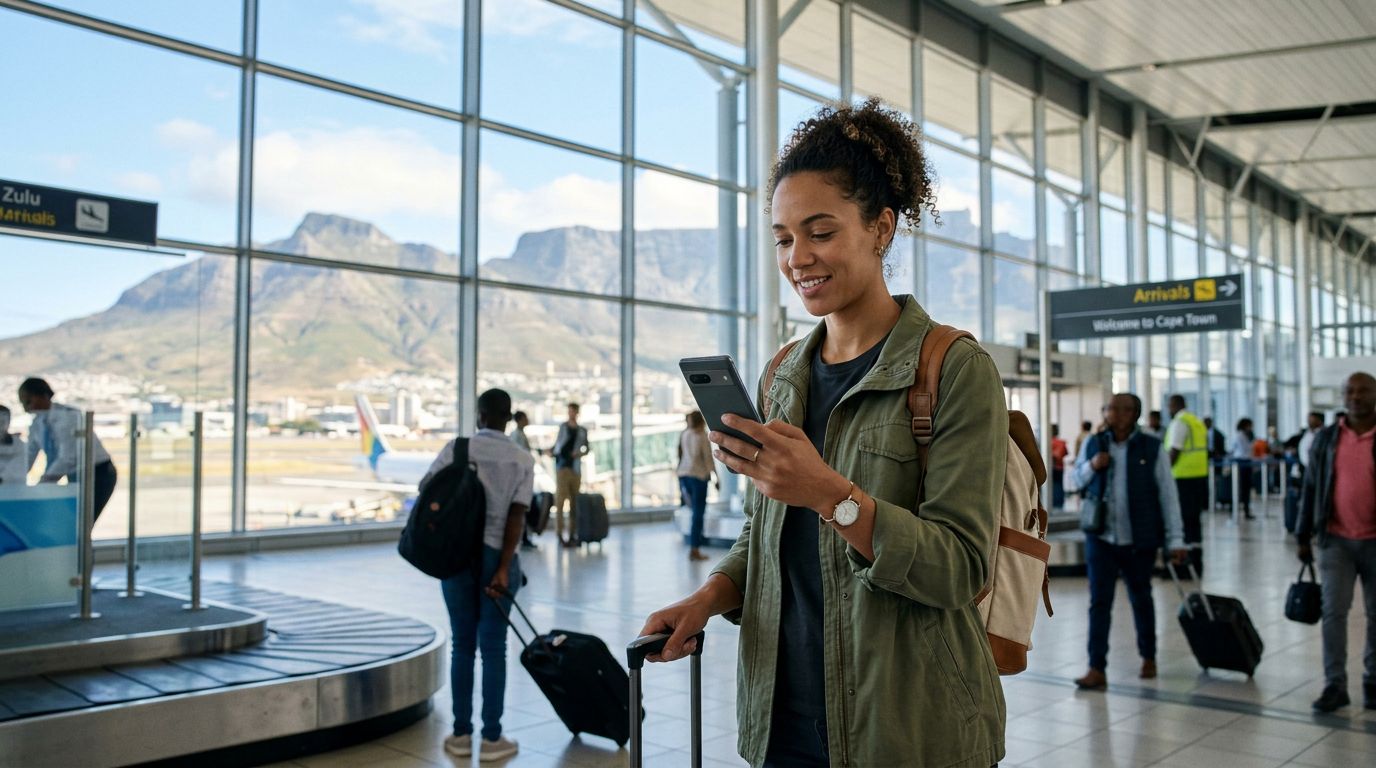
Digital eSIM technology has transformed this experience. An eSIM is a virtual SIM card embedded directly into your phone’s hardware. Because it is digital, there is no physical card to handle or lose. You can purchase and activate your data plan before you even board your flight. OneTapSIM offers this seamless approach, allowing you to switch to a local data profile the moment you land. This eliminates the need to visit a kiosk or deal with manual registration at the airport, ensuring you have connectivity from the moment your wheels touch the tarmac.
How to Choose the Right eSIM Solution
Before you decide on a data provider, you must ensure your device is compatible. Most modern smartphones support eSIM functionality. You can verify this by checking your device settings or visiting the official support pages for Apple or Google. If your phone is carrier-locked, you will need to contact your home service provider to have it unlocked before you leave, as an eSIM requires an unlocked device to function properly.
Once you have confirmed compatibility, the process of setting up your data is straightforward. With a service like OneTapSIM, you receive instructions to install your eSIM profile through your phone’s settings menu. This usually involves scanning a QR code or entering a manual activation code. Once installed, you can keep your home SIM active for calls and texts while designating the eSIM as your primary source for mobile data. This setup is ideal for travelers who want to maintain their home number for urgent calls while enjoying the cost-effective and high-speed data benefits of a local network.
When selecting a data plan, consider your usage habits. If you are primarily using data for navigation and messaging, a modest data package will suffice. However, if you plan on streaming high-definition video or taking frequent video calls, you should opt for a larger data allotment. The beauty of modern eSIM services is that they provide transparency; you can monitor your usage in real-time and avoid the surprise of overage fees that often accompany traditional roaming plans.
Reliability is the final factor to consider. South Africa has excellent mobile network infrastructure in major urban centers and along popular tourist routes. By using an eSIM that partners with established local carriers, you ensure that you are tapping into the same high-speed networks that residents use. This provides a level of coverage that is far superior to roaming on a foreign network that may prioritize its own customers over visitors.
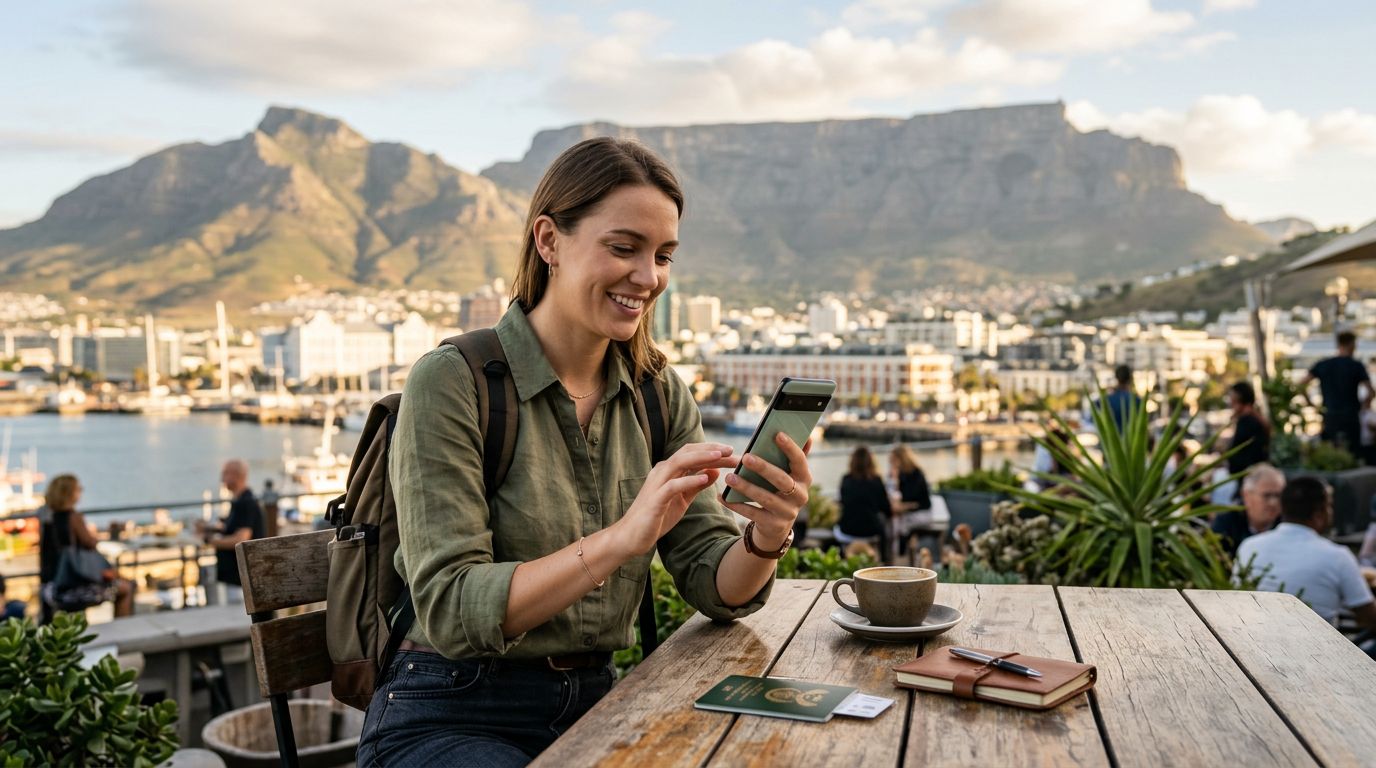
By preparing your connectivity in advance, you remove one of the most common stressors of international travel. Instead of hunting for a store or struggling with a language barrier at a kiosk, you can step off the plane and immediately start your South African adventure with your maps, translation tools, and communication apps ready to go. Whether you are tracking the Big Five or enjoying a sunset at the V&A Waterfront, having consistent, independent data allows you to focus on the experience rather than the logistics.
Get an eSIM for
Plans for the destinations covered in this guide, with instant QR delivery.