Understanding the Connectivity Landscape in Indonesia
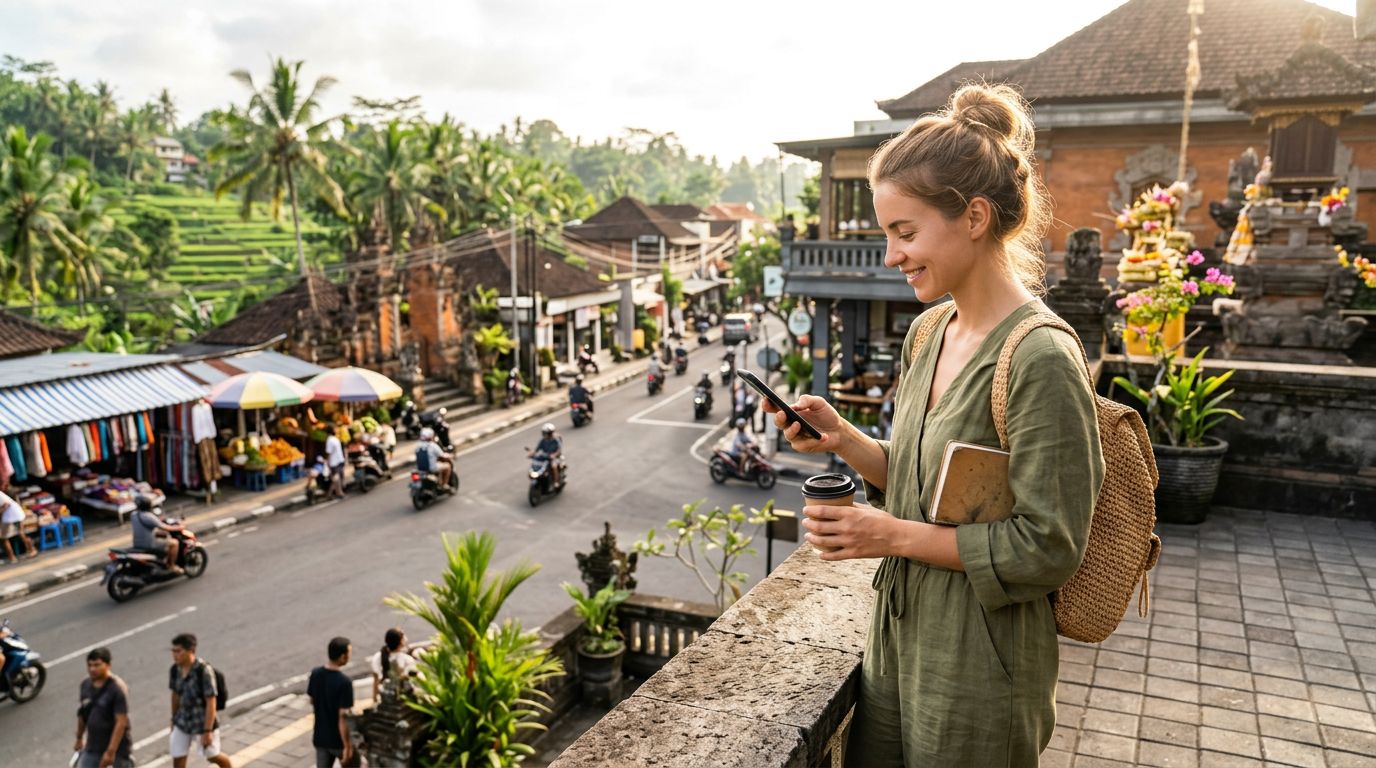
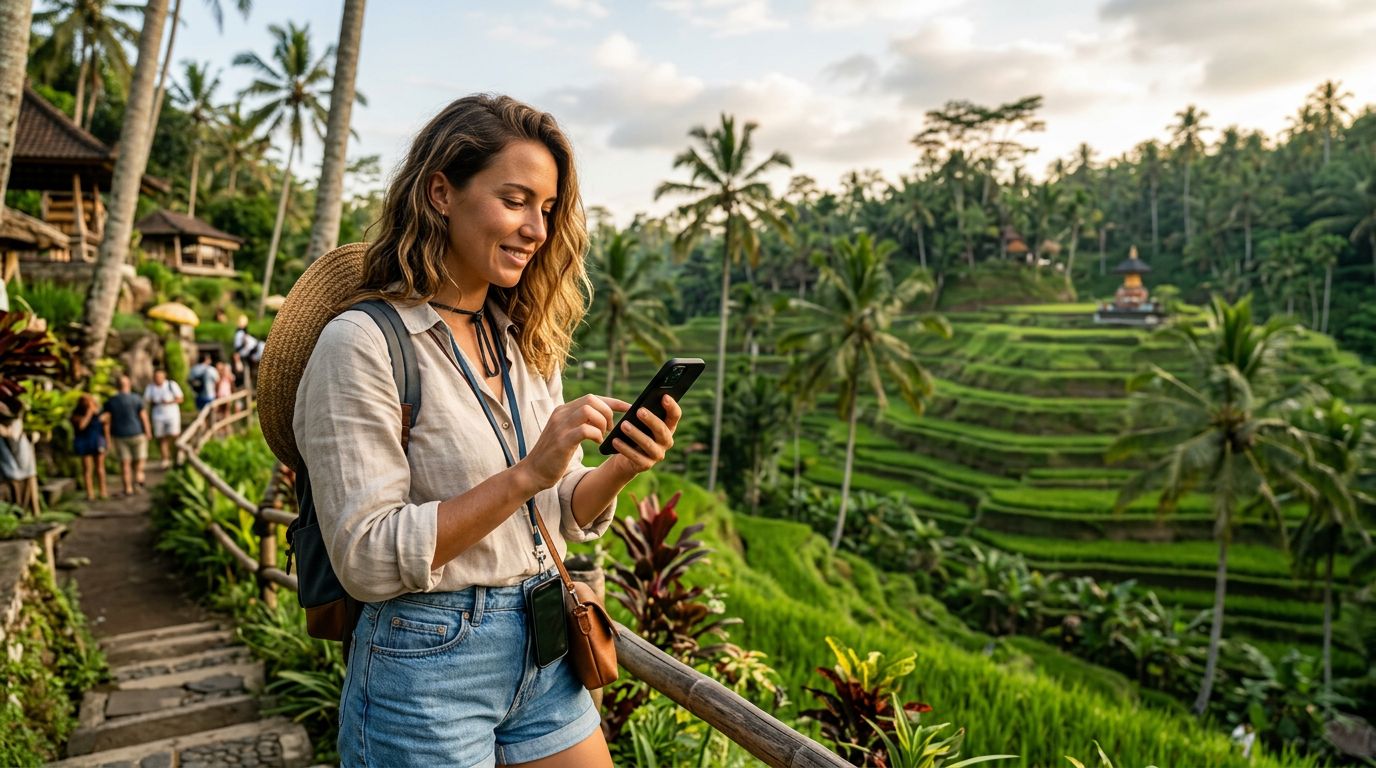
Indonesia is a vast archipelago that offers everything from the lush jungles of Sumatra to the vibrant cultural hubs of Bali and the urban sprawl of Jakarta. As you plan your itinerary, staying connected is essential for using navigation apps, translating local languages, booking ride-sharing services, and sharing your travel experiences. When evaluating your options for staying online, the debate between traditional roaming and modern eSIM technology is a primary consideration for every traveler.
Traditional international roaming involves using your home mobile carrier while abroad. When you land in Indonesia, your phone automatically searches for a local partner network that has an agreement with your home provider. While this is convenient because you keep your existing phone number, it often comes with significant drawbacks. Many carriers impose strict limits on data usage, throttle speeds after a certain threshold, or apply complex billing structures that can lead to unpleasant surprises when you return home.
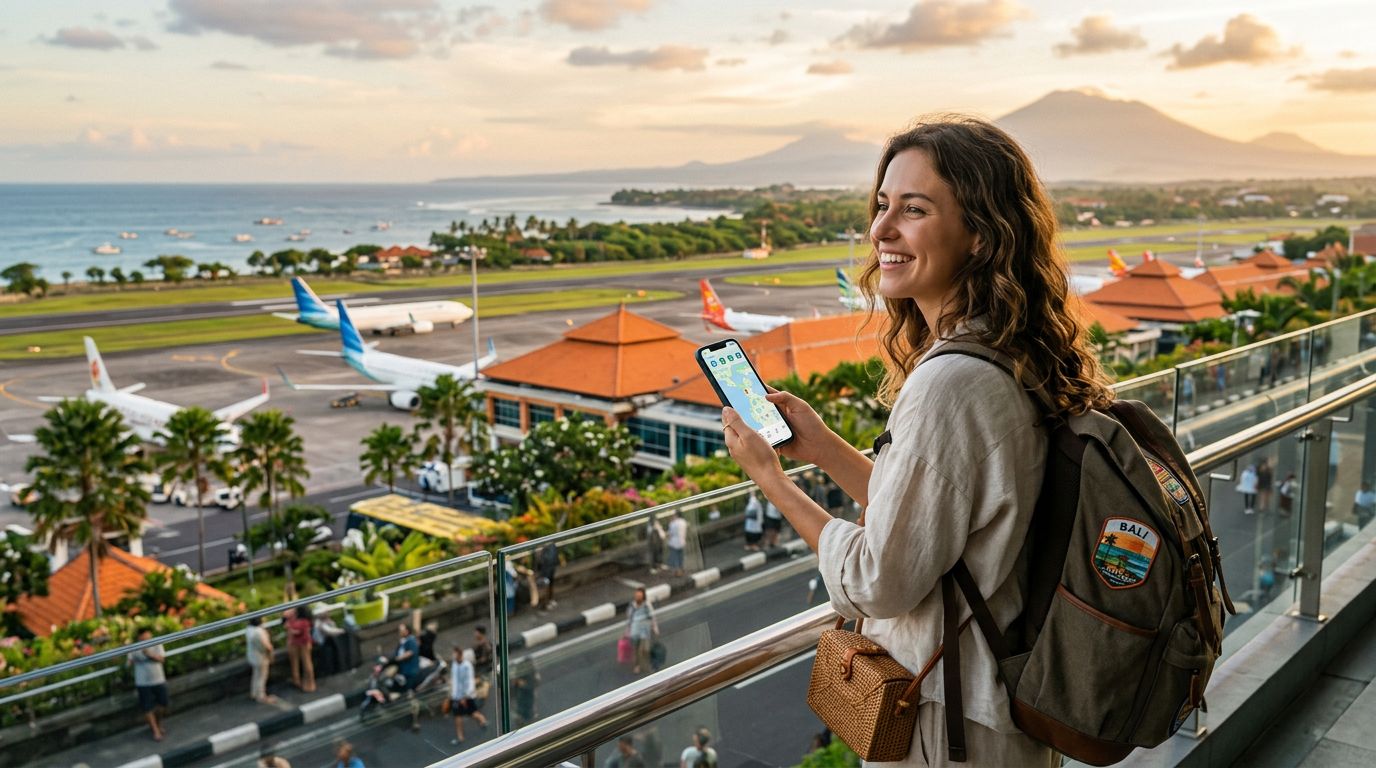
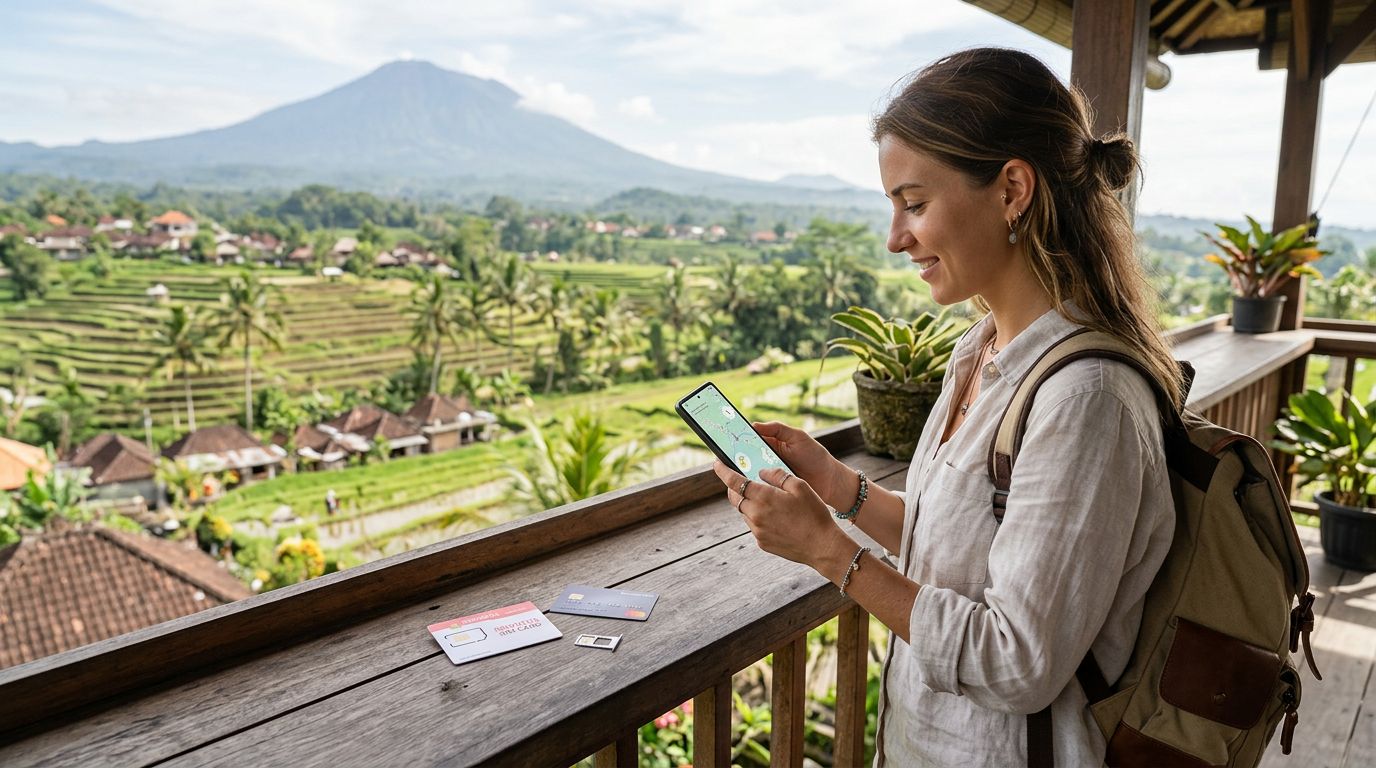
On the other hand, an eSIM—or embedded SIM—is a digital alternative to the physical plastic card you are likely accustomed to. It allows you to activate a cellular plan from a local or regional provider without needing to swap out your physical SIM card. For travelers heading to Indonesia, this technology has changed how people manage their connectivity. By choosing a digital solution like OneTapSIM, you can pre-configure your device before you even board your flight, ensuring that you have data the moment you touch down in Denpasar or Jakarta.
The Pros and Cons of Traditional Roaming
The main selling point of traditional roaming is the "plug and play" nature of the service. You do not need to change any settings or install new profiles; your phone simply connects to the local towers as if you were at home. For business travelers who must receive SMS verification codes for banking or work accounts, keeping the home SIM active is often a requirement. However, relying on your home carrier for an entire trip to Indonesia can be a risky strategy.
One of the biggest issues with roaming is the lack of transparency. Many users find that their data usage is tracked differently abroad, or that they are accidentally charged for background apps updating in the background. Furthermore, roaming agreements often prioritize the partner network with the lowest cost rather than the one with the best signal strength. In a country as geographically diverse as Indonesia, where signal quality can vary significantly between a major city and a remote island, being locked into a single roaming partner can lead to frustration.
Additionally, if you lose your phone or have technical issues while roaming, your home carrier’s support team is often thousands of miles away and may not have the capacity to troubleshoot issues specific to the local Indonesian infrastructure. You are essentially a guest on a network that has no direct relationship with you, which can make resolving connectivity hiccups difficult.
Why eSIMs are Transforming Travel to Indonesia
The rise of eSIM technology has shifted the balance in favor of the traveler. By opting for a dedicated travel eSIM, you gain access to local data networks at local-like quality, often at a fraction of the cost of traditional roaming. Because these services are designed specifically for travelers, they are built to be user-friendly and transparent.
When you use a service like OneTapSIM, you are essentially purchasing a data-only package that connects directly to the best available local towers in Indonesia. This ensures that you get high-speed internet access, which is crucial for streaming maps, uploading photos, or video calling family back home. Because the eSIM is a digital profile, you do not have to worry about losing a physical SIM card or finding a shop in the airport to buy a local card upon arrival.
Another significant advantage is the ability to manage multiple lines. Most modern smartphones allow you to keep your home SIM active for calls and texts while using the eSIM for all your data needs. This allows you to stay reachable on your primary number while enjoying the high-speed data benefits of a local connection. It is a dual-approach that provides the best of both worlds: the reliability of your home identity and the efficiency of a local data connection.
Practical Tips for a Seamless Experience
Before departing for your trip, there are a few technical steps to ensure your transition to an eSIM is smooth. First, verify that your device is carrier-unlocked. If you purchased your phone through a mobile provider on a contract, it might be locked to that specific network, which would prevent you from adding an eSIM profile. You can usually check this in your phone’s settings or by contacting your provider.
Once you have confirmed your device is unlocked, you can set up your eSIM profile. The process typically involves scanning a QR code or entering a manual activation code provided by your eSIM service. With OneTapSIM, the installation process is designed to be straightforward, allowing you to configure your phone in advance. Once installed, the eSIM remains dormant until you arrive in Indonesia. As soon as you land, you can toggle the eSIM on in your cellular settings, and your device will automatically connect to the local network.
It is also wise to manage your data settings. On both iOS and Android devices, you can designate which SIM card is used for cellular data. Ensure that you have selected your eSIM for data and that "Data Roaming" is turned off for your home SIM to avoid any accidental charges from your home carrier. Keeping your home SIM active for voice and SMS while offloading data to your eSIM is the gold standard for international travel.
Ultimately, the choice between roaming and an eSIM comes down to control and reliability. While roaming offers a familiar experience, it often lacks the flexibility and performance that modern travelers demand. By leveraging the convenience of an eSIM, you ensure that your trip to Indonesia is defined by discovery rather than technical troubleshooting. Whether you are navigating the streets of Ubud or exploring the beaches of Lombok, having a reliable, high-speed data connection at your fingertips allows you to focus on the experience rather than the logistics of staying connected.
Get an eSIM for
Plans for the destinations covered in this guide, with instant QR delivery.