Understanding Your Connectivity Options in the Netherlands
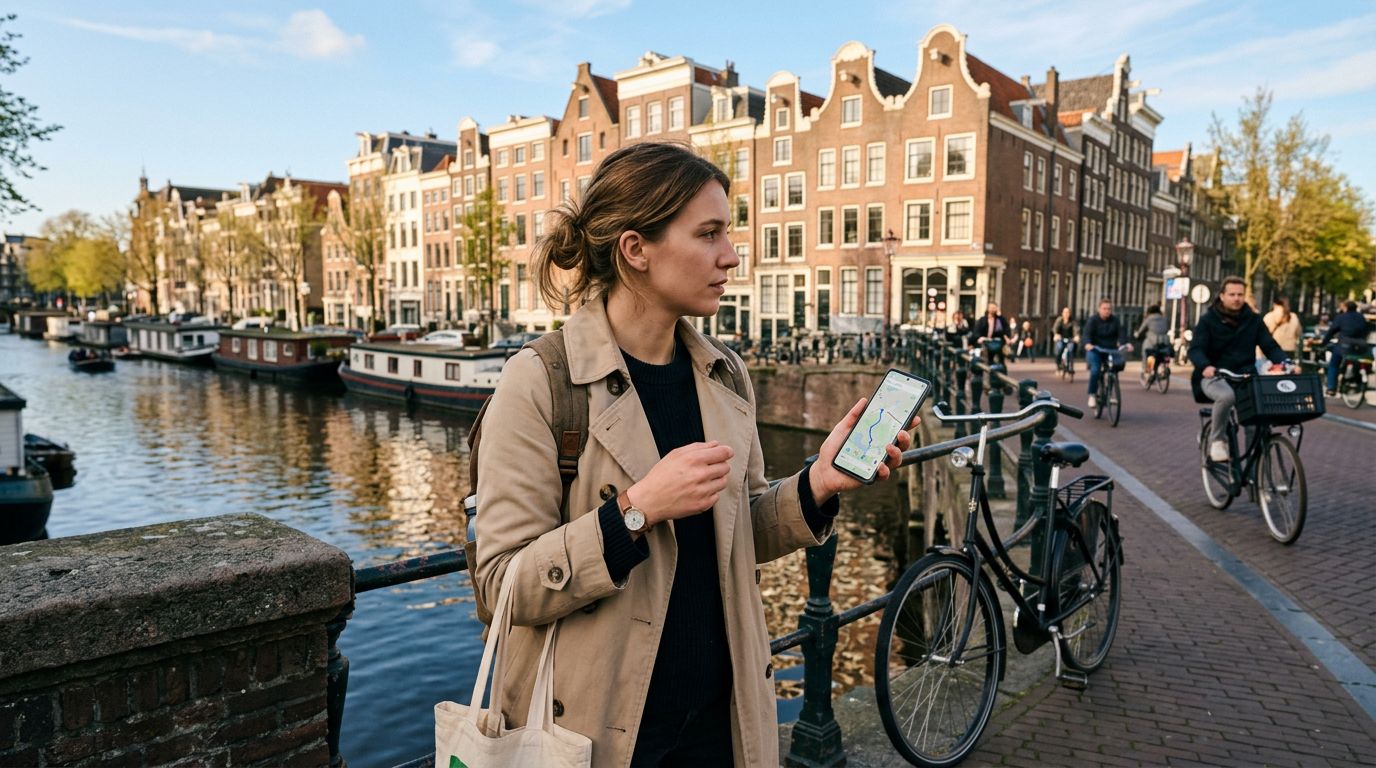
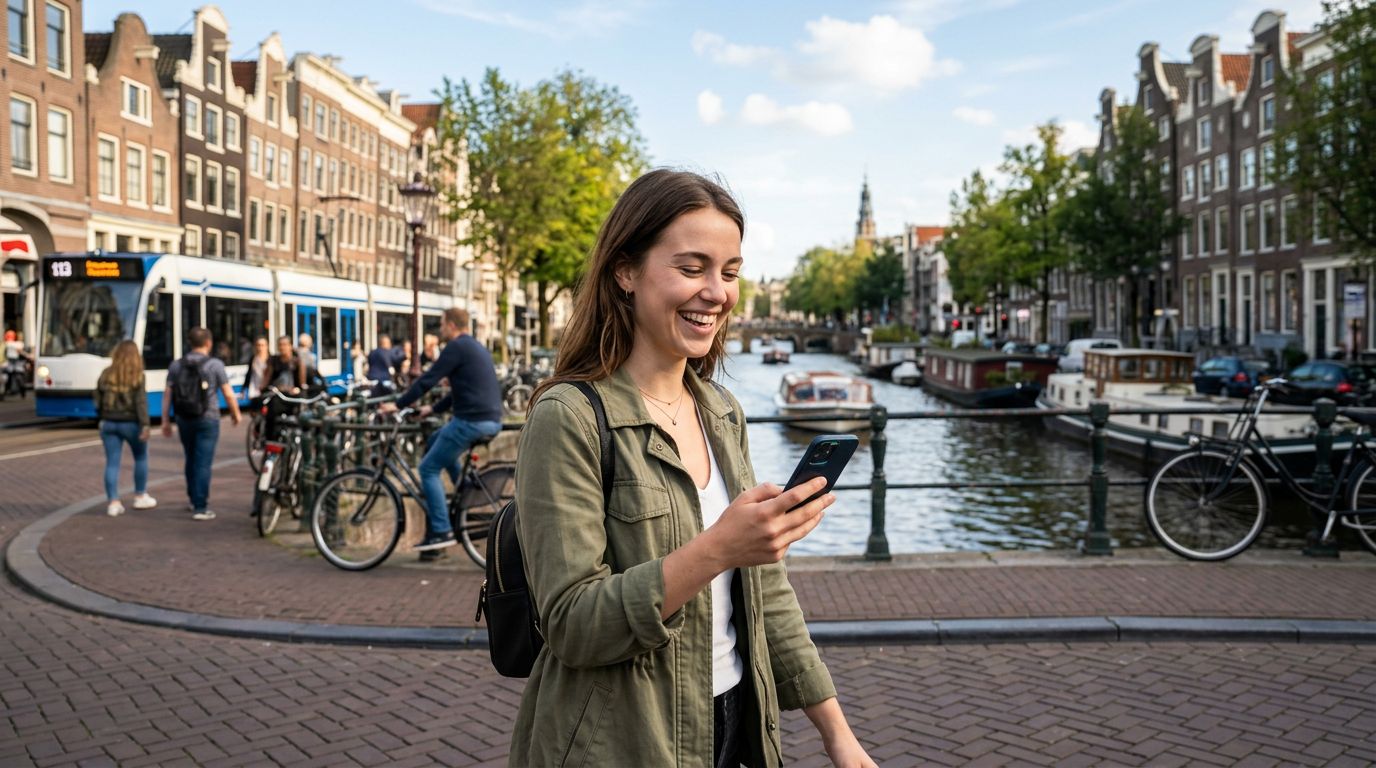
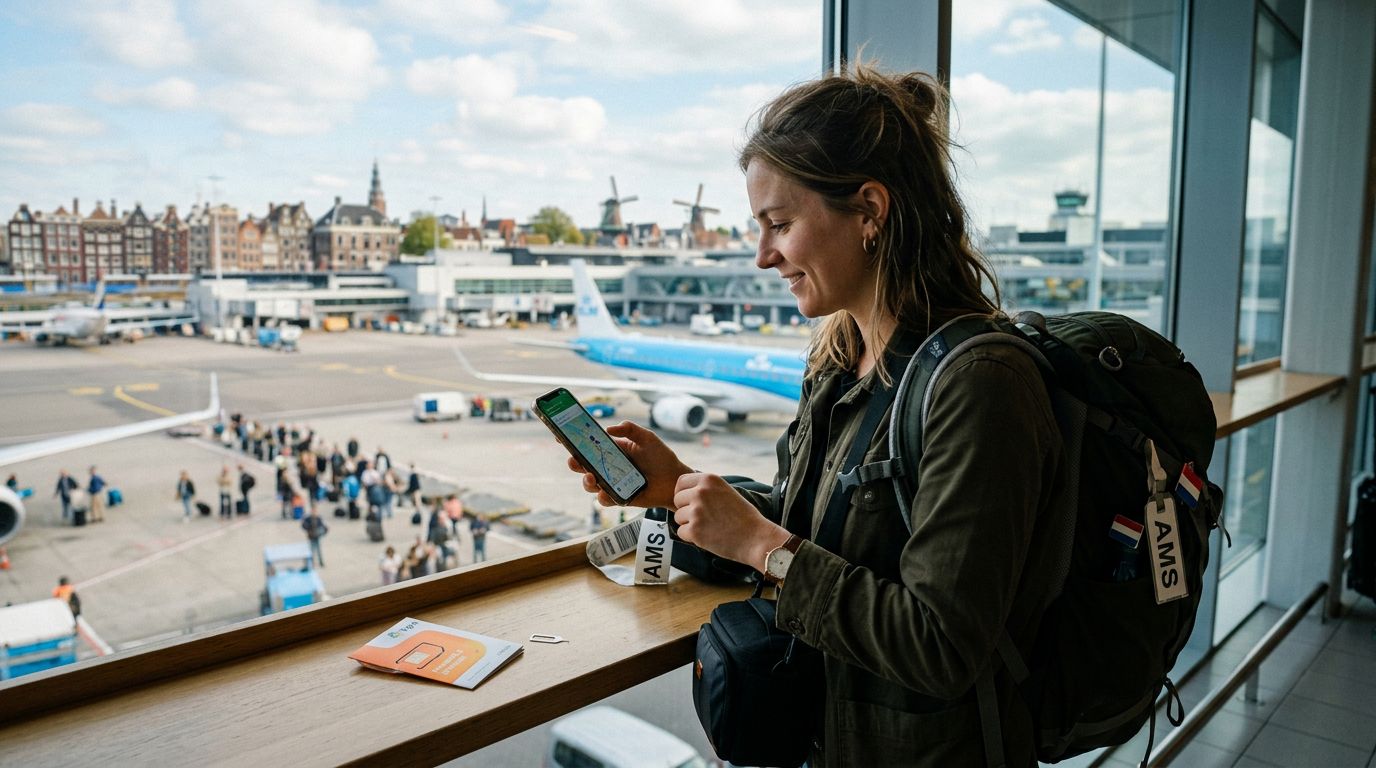
When planning a trip to the Netherlands, connectivity is often the last thing travelers think about until they land at Schiphol Airport. Whether you are navigating the intricate canal systems of Amsterdam, taking a train to the historic streets of Utrecht, or cycling through the countryside, having a reliable internet connection is essential for maps, translation apps, and sharing your travel experiences. The debate between a traditional physical SIM card and a digital eSIM is common, and understanding the differences is key to choosing the right solution for your journey.
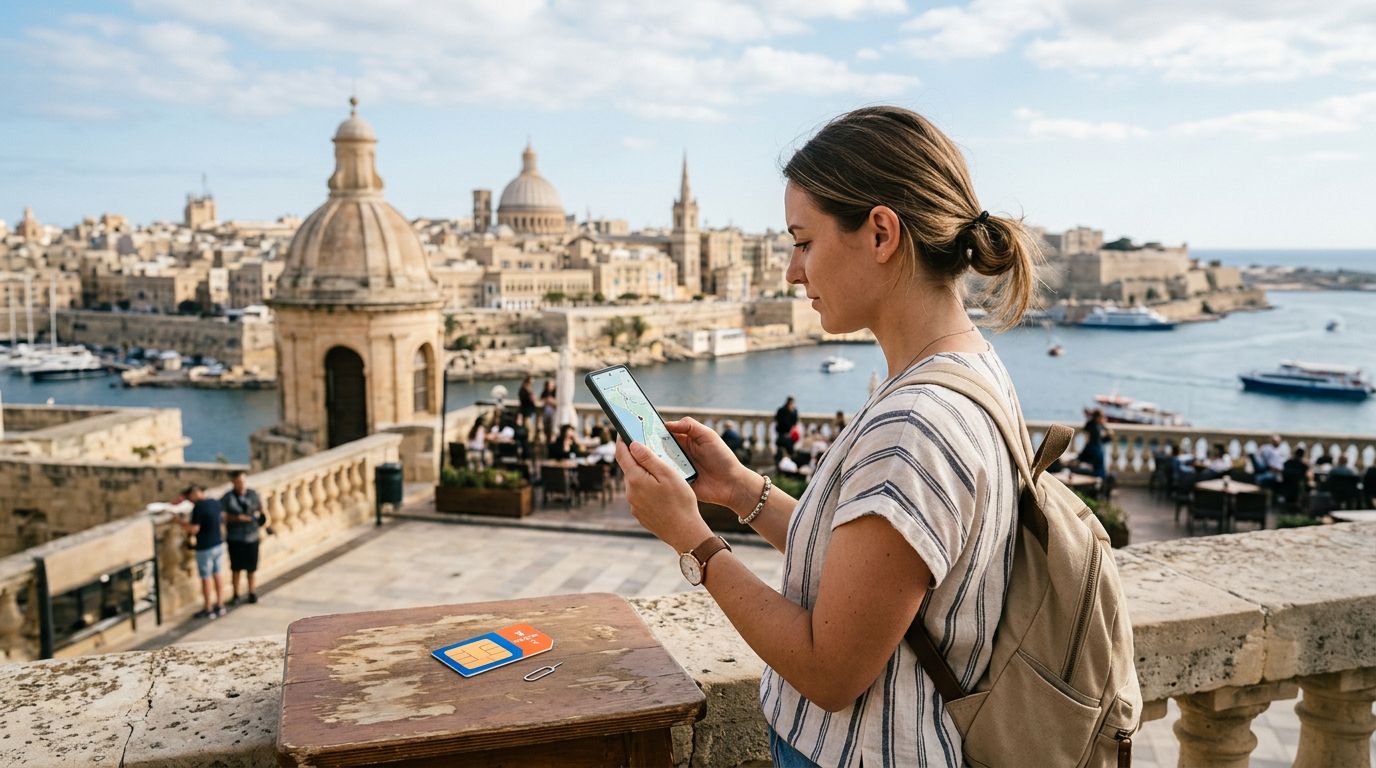
A physical SIM card is the standard plastic chip that has been the industry norm for decades. To use one in the Netherlands, you typically need to visit a mobile provider’s store or a kiosk at the airport upon arrival. You insert the chip into your device, which usually requires a small tool to open the SIM tray. While this method is tried and true, it involves physical handling of small components and often requires you to remove your home SIM card, which carries the risk of losing it.
An eSIM, or embedded SIM, is a digital version of that same technology. It is built directly into the hardware of modern smartphones. Instead of swapping out a physical card, you simply scan a QR code or install a profile through an app to activate your service. This technology allows you to maintain your home phone number for essential SMS verification or emergencies while using a secondary data plan specifically for your travels. For many, the convenience of setting this up before even leaving home makes it the superior choice for international travel.
Comparing Convenience and Installation
The primary difference between these two options lies in the installation process and the level of flexibility they offer. With a physical SIM card, you are tied to the operating hours of local shops or airport vendors. If your flight arrives late at night or you are traveling on a holiday, you might find yourself offline until the next morning. Furthermore, you must physically manage the card, which can be a nuisance if you are prone to misplacing small items.
On the other hand, an eSIM offers a seamless transition. You can purchase your plan and install the profile while sitting in your living room before your flight or while waiting at the departure gate. Once you land in the Netherlands, you simply toggle your settings to switch to your travel data, and you are connected immediately. This eliminates the need to stand in line at a kiosk or search for a store, allowing you to head straight to your hotel or first sightseeing stop without delay.
OneTapSIM simplifies this process further by providing a streamlined interface to manage your connectivity. By removing the physical barriers associated with traditional cards, you gain the ability to switch between networks or extend your data usage without needing to find a physical store. This digital-first approach is designed for travelers who value their time and want to avoid the logistical headaches often associated with international roaming or local hardware acquisition.
Compatibility is the one area where physical SIM cards still hold a slight advantage. While most modern smartphones support eSIM technology, older devices may not. It is always wise to check your device settings or manufacturer support pages to ensure your phone is unlocked and eSIM-compatible before your trip. If your device supports it, the transition to a digital profile is almost always more efficient than managing a physical chip.
Performance, Reliability, and Data Management
When you are traveling, the quality of your connection matters just as much as the method of delivery. Both physical SIM cards and eSIMs generally utilize the same local cellular towers in the Netherlands. You will likely experience similar speeds and coverage regardless of which format you choose, provided the provider you select has robust partnerships with local network operators. The main differentiator is how you manage your data usage and costs.
Physical SIM cards can sometimes be restrictive. If you run out of data, you may find yourself having to return to a store to purchase a top-up voucher or a new card entirely. This can be frustrating if you are in a remote area or simply do not want to spend your vacation time dealing with mobile carriers. With an eSIM, managing your data is usually handled through an app or a web portal. You can monitor your usage in real-time and purchase additional data if you find yourself streaming more video or using more navigation than anticipated.
Another benefit of the eSIM format is the ability to keep your primary SIM card active. This is crucial for travelers who need to receive two-factor authentication codes from their bank or urgent messages from home. With a physical SIM, you have to choose between your home number and your travel data unless your phone supports dual-SIM standby with two physical cards, which is rarely the case. eSIM technology allows for a dual-SIM configuration where your home number stays active for calls and texts, while the eSIM handles all your data needs in the Netherlands.
Ultimately, the choice comes down to your personal preference for technology and your device capabilities. If you prefer the tactile nature of a physical card and do not mind the setup process, a traditional SIM remains a functional option. However, if you are looking for a modern, efficient, and flexible way to stay connected, an eSIM is the clear winner for most travelers. By choosing a provider like OneTapSIM, you ensure that your connectivity is handled with the same care and efficiency as the rest of your travel itinerary, leaving you free to focus on the beauty and culture of the Netherlands. Whether you are exploring the tulip fields or enjoying a coffee in a Dutch cafe, having a reliable connection that works the moment you land is the best way to travel with confidence.
Get an eSIM for
Plans for the destinations covered in this guide, with instant QR delivery.