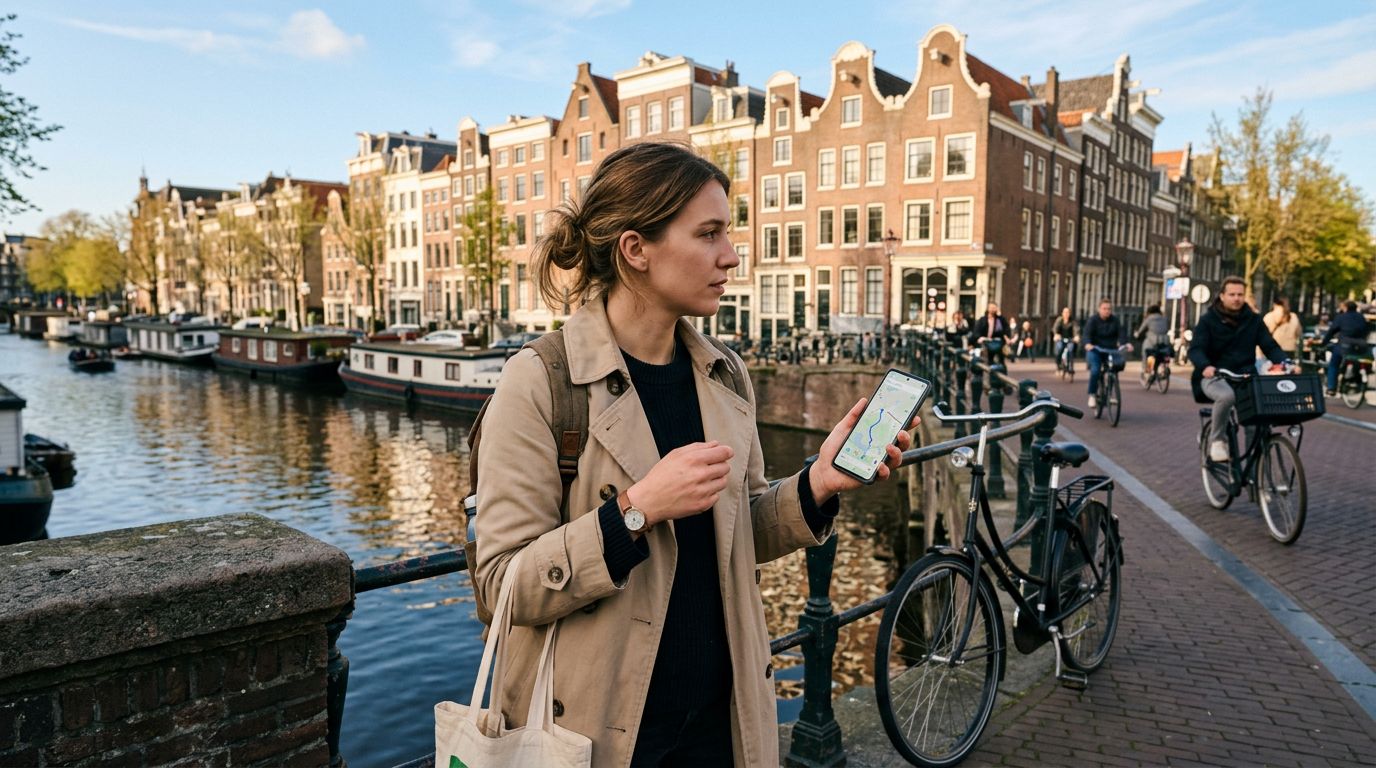
Understanding Your Connectivity Options in the Netherlands
When planning a trip to the Netherlands, connectivity is often one of the final logistical hurdles. Whether you are navigating the intricate canal systems of Amsterdam, checking train schedules to Rotterdam, or searching for the best local cafes in Utrecht, having a reliable internet connection is essential. Travelers generally face two primary choices: a traditional physical SIM card or the more modern digital alternative, the eSIM.
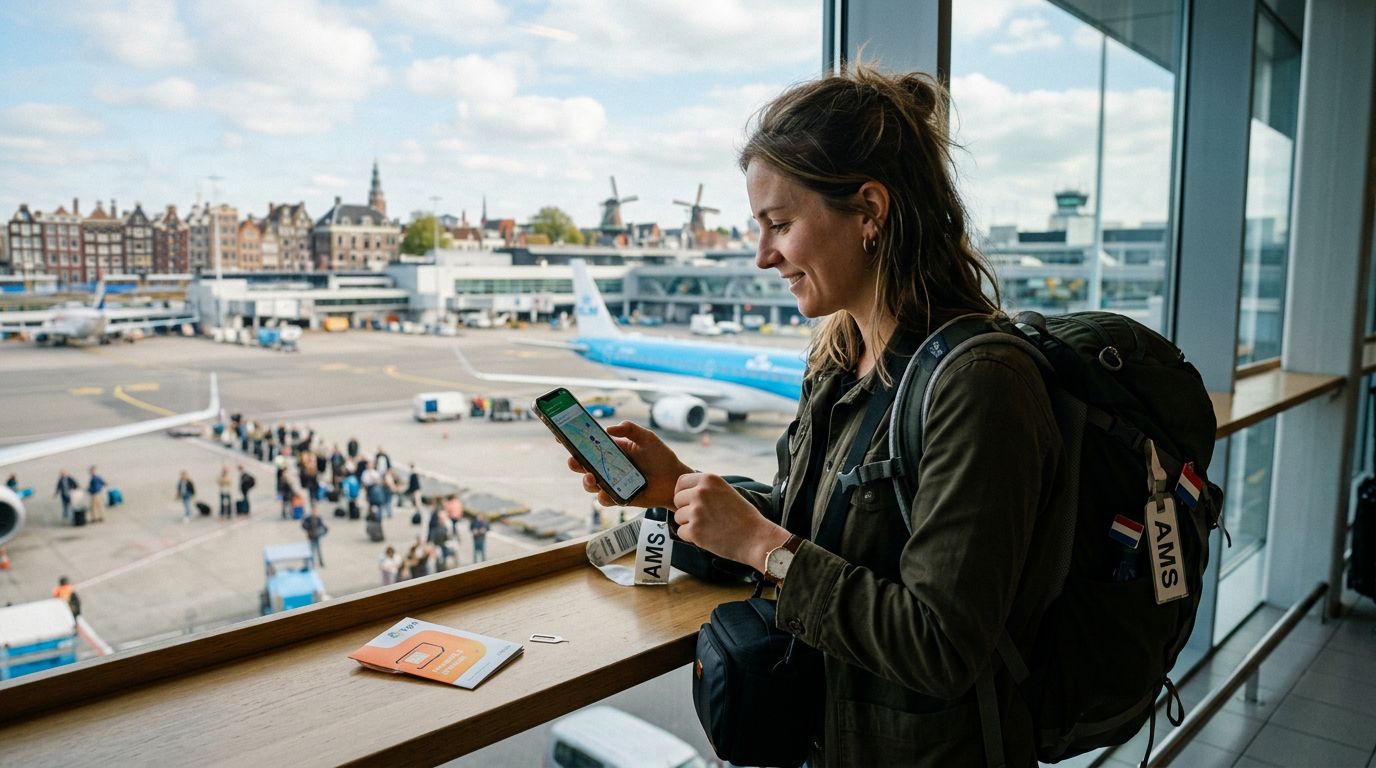
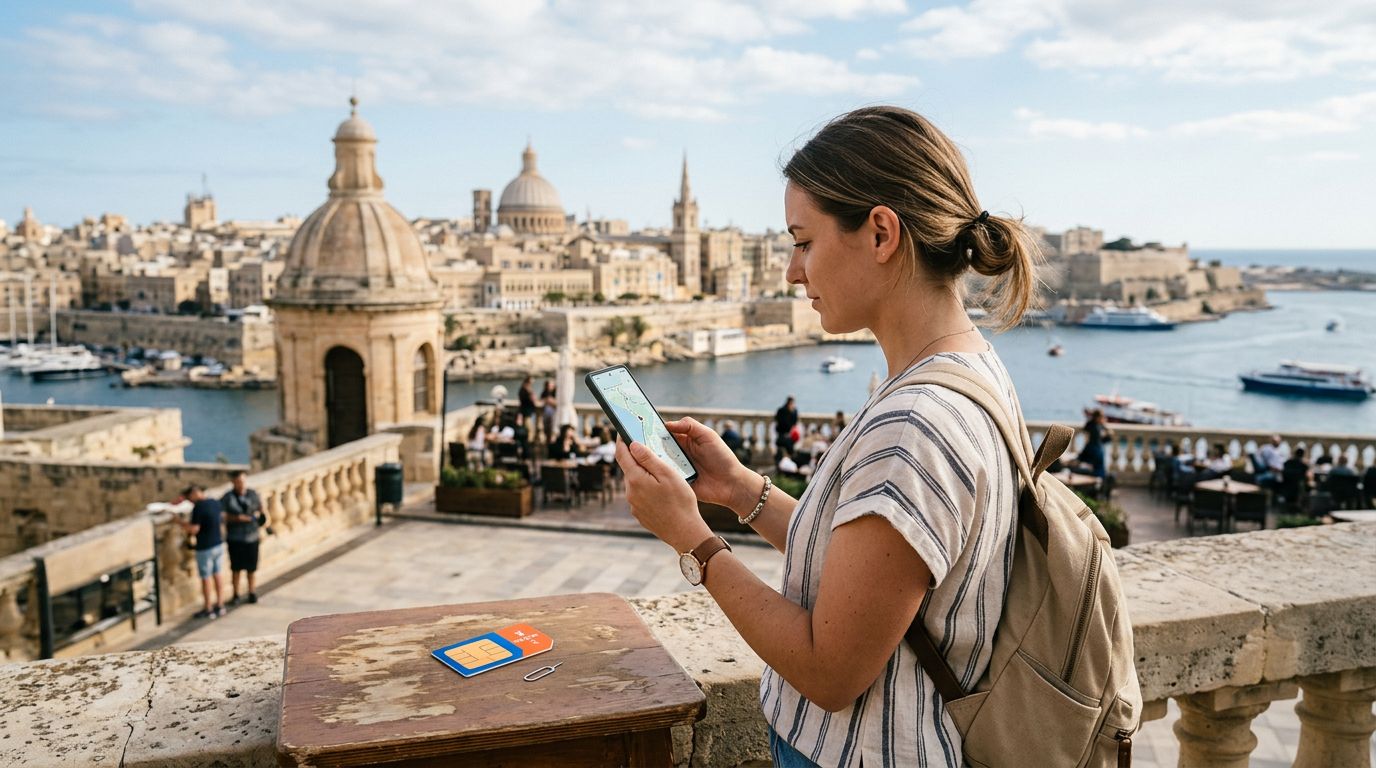
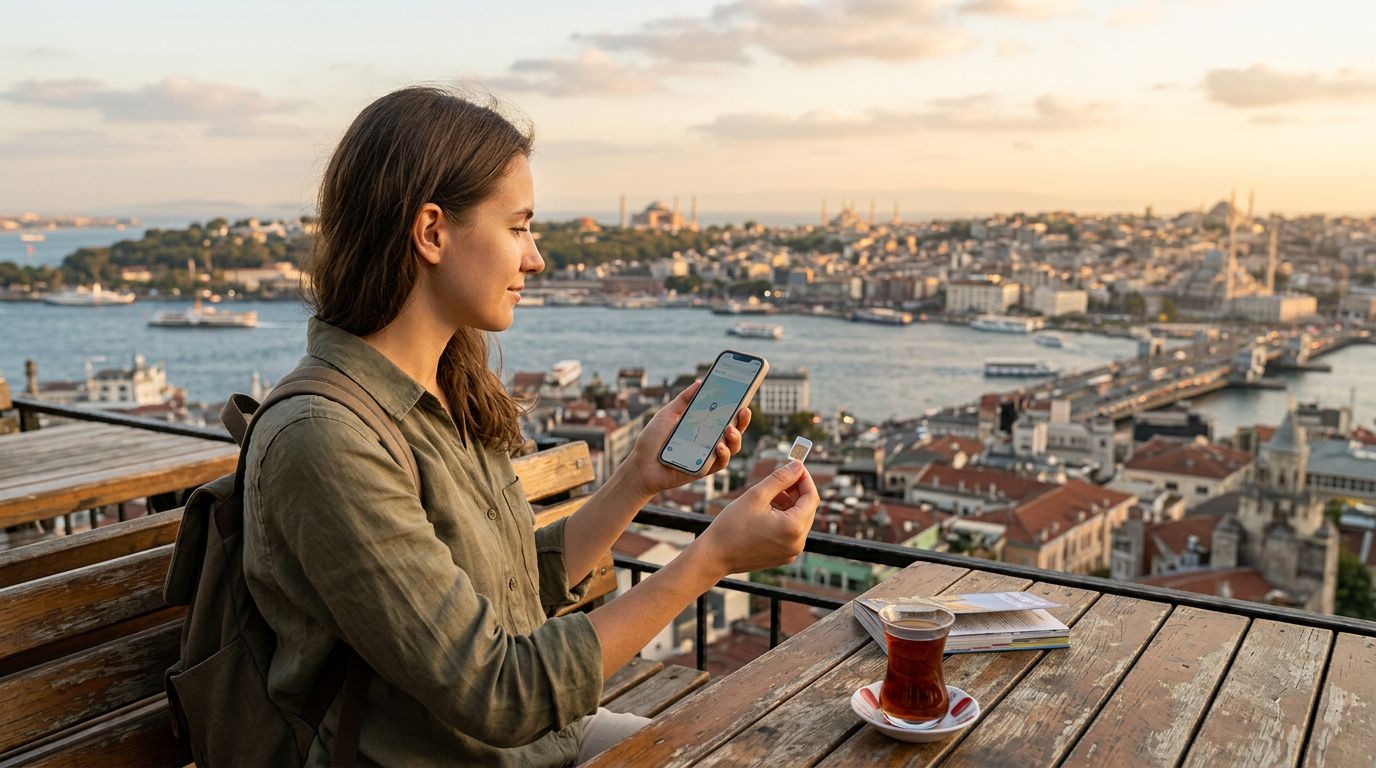
A physical SIM card is the standard plastic chip that has been the industry norm for decades. To use one, you must physically open your phone’s SIM tray, remove your home carrier’s card, and insert the new one. This process requires a small tool and a bit of dexterity, which can be challenging while standing in a busy airport or on a train platform.
In contrast, an eSIM—short for embedded SIM—is a digital version of that physical card. It is built directly into the hardware of your smartphone. Because it is digital, you do not need to swap anything out. You simply download a profile, activate it through your phone’s settings, and you are connected to a local network. For many modern travelers, this shift toward digital connectivity represents a significant improvement in convenience and efficiency.
Comparing Physical SIM Cards and eSIMs
The core difference between these two options lies in the installation process and hardware requirements. A physical SIM card requires you to handle a tiny, fragile piece of plastic. If you are not careful, it is easy to lose or damage your original home SIM card during the swap. Additionally, many newer smartphones are moving toward eSIM-only designs, meaning some travelers may find their latest devices do not even have a slot for a physical card.
eSIMs offer a distinct advantage in terms of preparation. With a provider like OneTapSIM, you can purchase and install your data plan before you even board your flight. As soon as your plane touches down at Schiphol Airport, you can switch your data settings to the eSIM profile and gain immediate access to local networks. This eliminates the need to hunt for a kiosk in the arrivals hall or wait in line at a mobile store after a long flight.
Another factor to consider is dual-SIM capability. Most modern smartphones allow you to keep your home SIM card active alongside an eSIM. This means you can continue to receive important SMS messages or calls on your primary number while using your eSIM for data. With a physical SIM card, you would have to remove your home card entirely, potentially missing critical notifications from your bank or home service providers unless you carry a second device.
Making the Right Choice for Your Dutch Adventure
When deciding between a Netherlands SIM card vs eSIM, your specific device compatibility and travel style should be your primary guides. If you own a modern smartphone released within the last few years, it is highly likely that your device supports eSIM technology. You can verify this by checking the official support pages for your device manufacturer, such as the resources provided by Apple or Google.
The environmental impact and physical security of your phone are also worth noting. Physical cards create plastic waste, and the act of opening your phone’s SIM tray repeatedly can wear down the internal pins or the waterproof seal of your device. An eSIM avoids these risks entirely. By keeping your original SIM card safely inside the device for the duration of your trip, you minimize the risk of losing it or damaging your phone’s hardware.
For those who prioritize a seamless experience, the digital route is increasingly the preferred choice. The ability to manage your data usage, top up if necessary, and switch between different regions without visiting a physical retail location provides a level of freedom that traditional cards cannot match. If you are traveling through multiple countries in Europe, some eSIM providers allow you to maintain connectivity across borders without needing to purchase a new physical card in every nation.
Ultimately, the best choice is the one that allows you to focus on your trip rather than your technology. If you value spontaneity and want to avoid the stress of airport logistics, an eSIM is the most logical path forward. By setting up your connection ahead of time, you ensure that your arrival in the Netherlands is focused on the sights, culture, and experiences that brought you there in the first place. Whether you are spending your days cycling through the countryside or exploring the historic museums of the capital, having a reliable, pre-activated connection ensures you remain in control of your journey from start to finish.
Get an eSIM for
Plans for the destinations covered in this guide, with instant QR delivery.