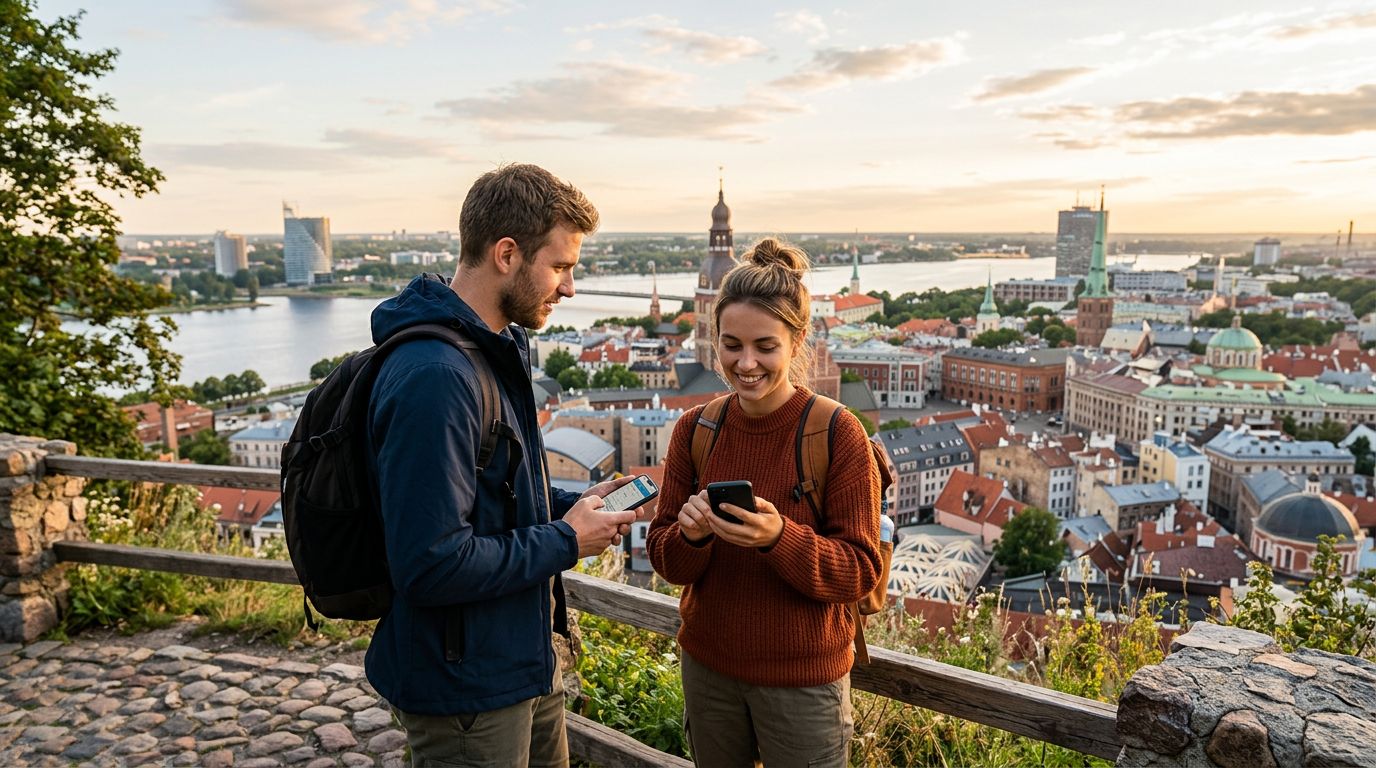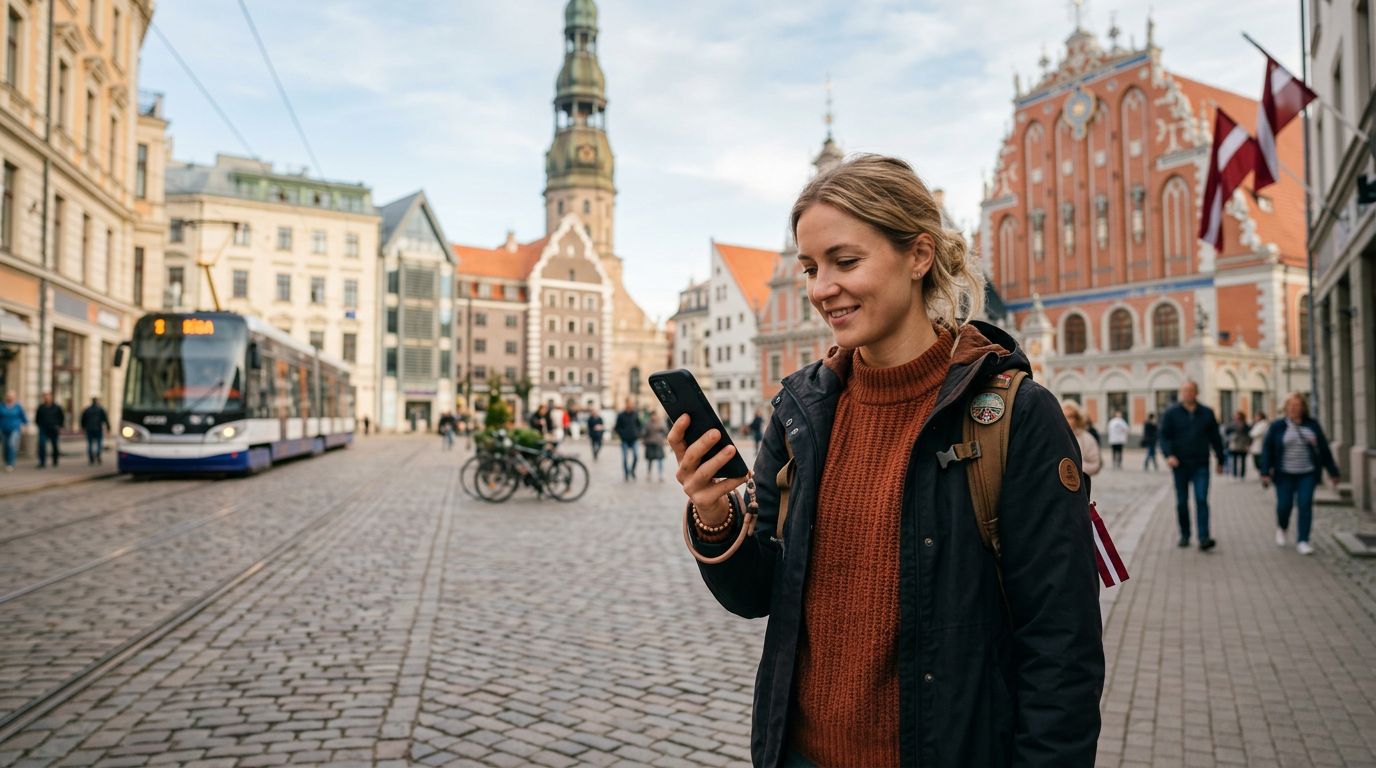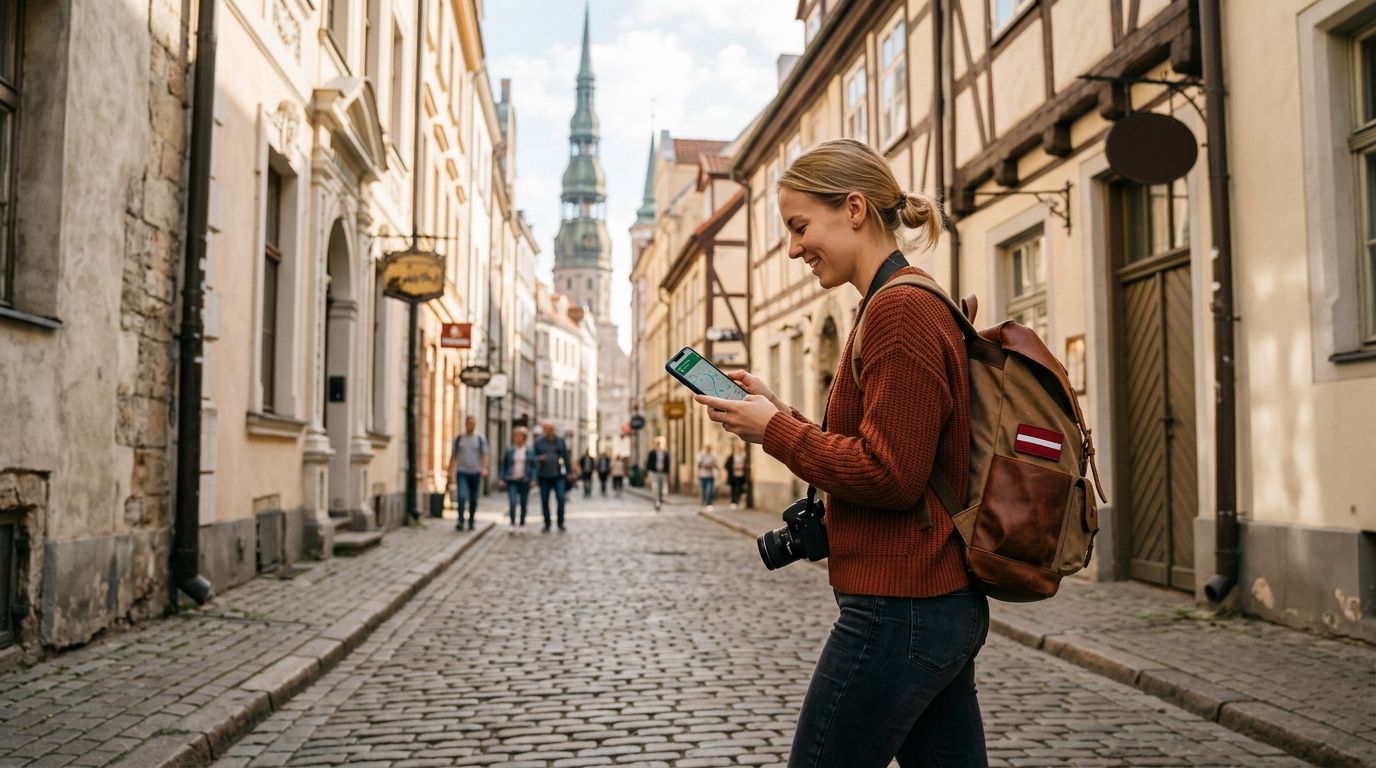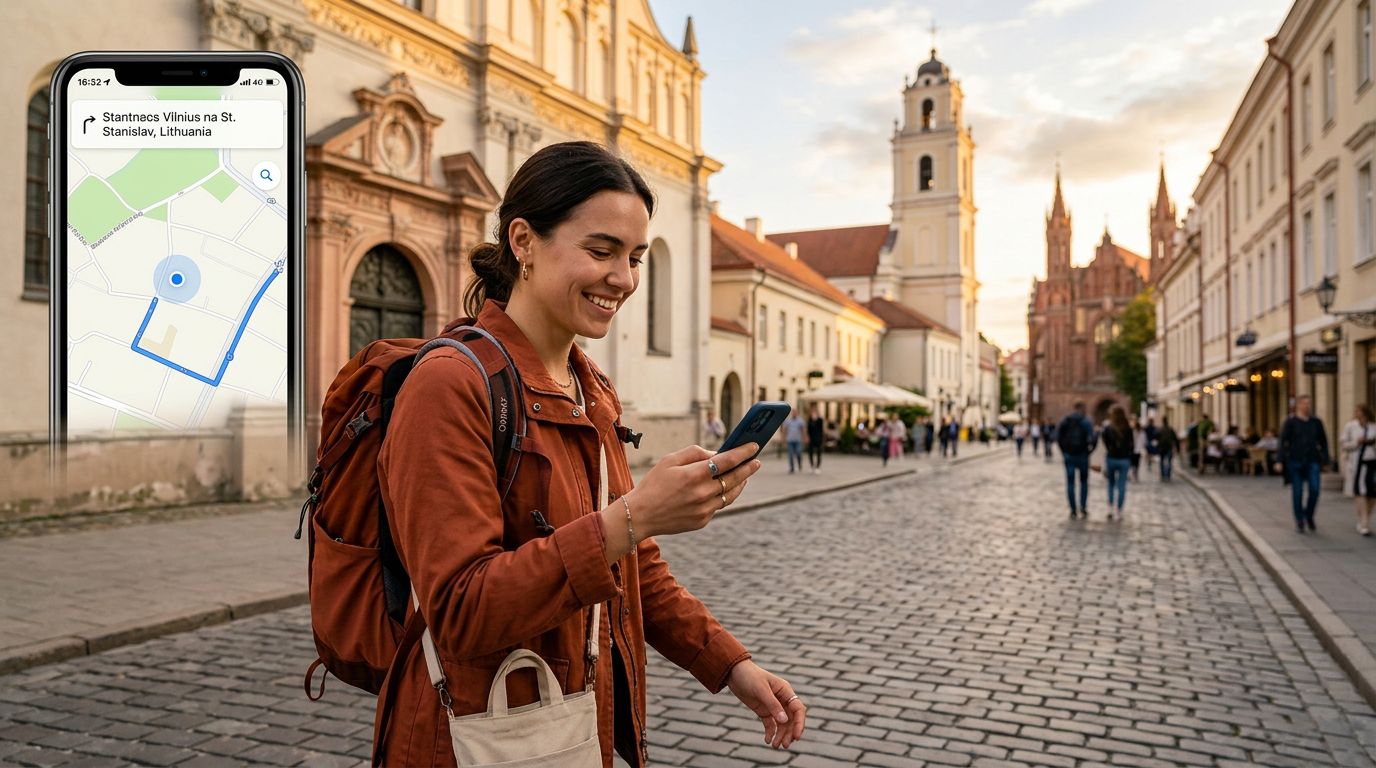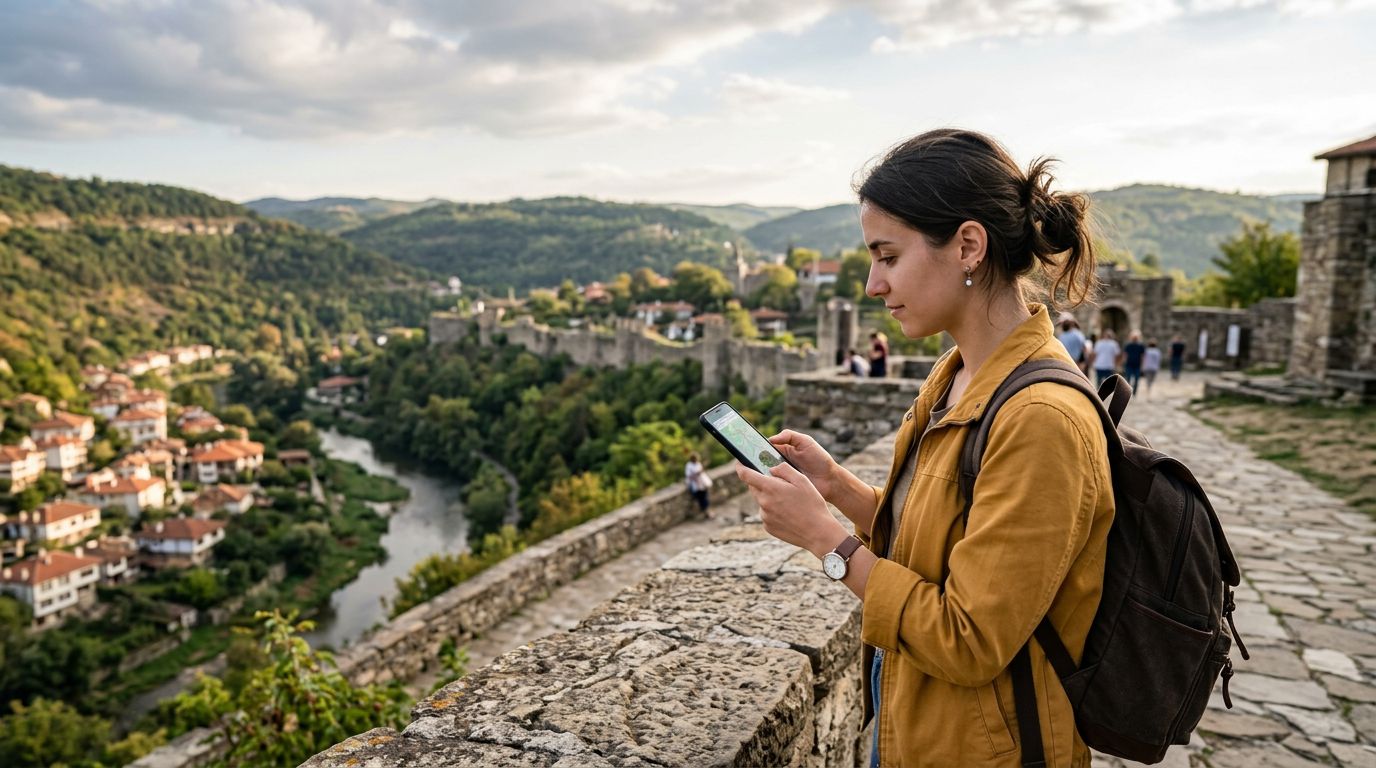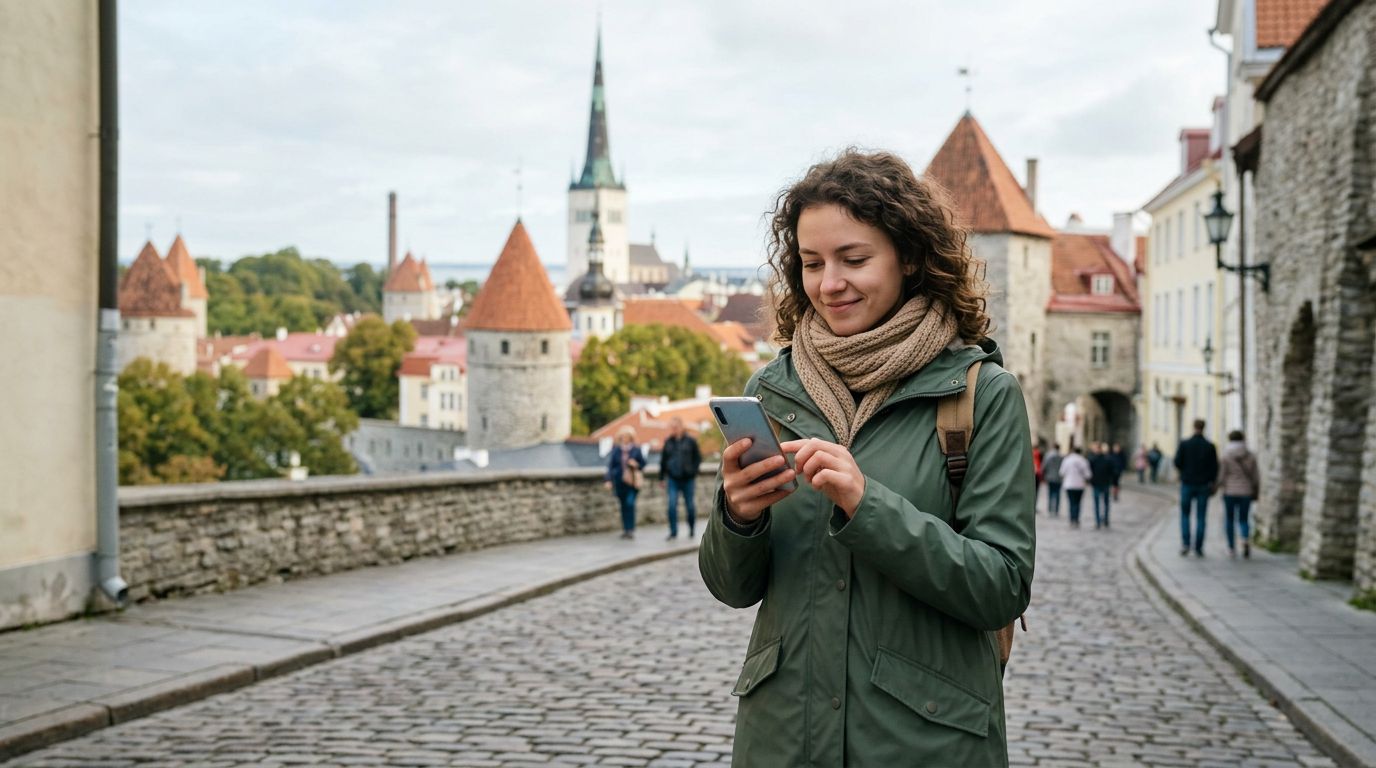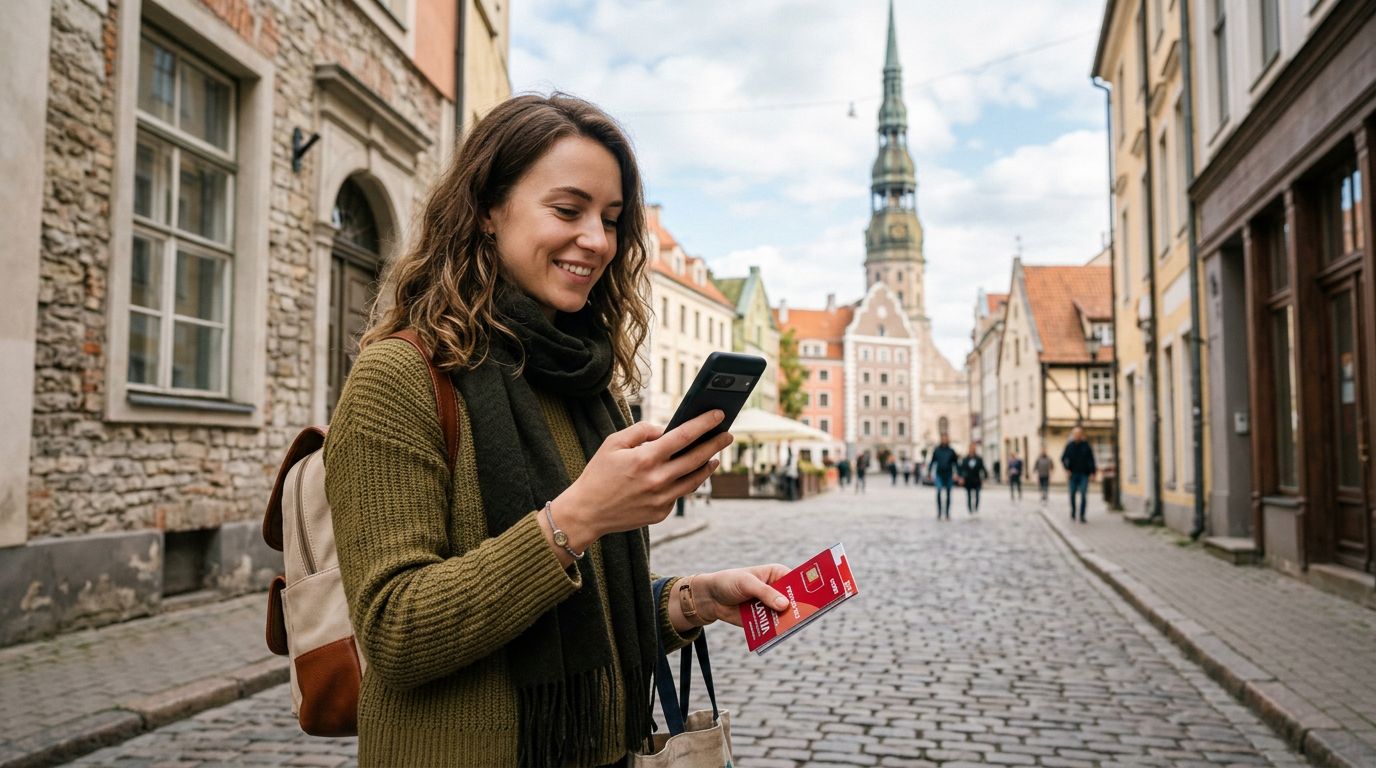
Latvia is a hidden gem in the Baltics, offering a blend of medieval architecture in Riga, pristine white-sand beaches in Jurmala, and the lush, untouched landscapes of Gauja National Park. Whether you are wandering through the cobblestone streets of the Old Town or exploring the quiet countryside, staying connected is essential for maps, translation apps, and sharing your travel experiences. When planning your trip, you will inevitably face the choice between a traditional physical SIM card and a modern eSIM. Understanding the differences between a Latvia SIM card vs eSIM will help you make the right decision for your connectivity needs.
The Traditional Approach: Physical SIM Cards in Latvia
For years, the physical SIM card has been the standard way for travelers to gain local connectivity. Upon arriving in Latvia, many visitors head straight to a mobile provider’s kiosk at the airport or a local convenience store to purchase a plastic card.
The primary advantage of a physical SIM is its universality. If you have an older smartphone or a device that does not support newer technology, a physical SIM is your only option. Furthermore, local SIM cards purchased directly from Latvian carriers often come with a local phone number, which can be useful if you need to make reservations at local restaurants or coordinate with local hosts.
However, the process of using a physical SIM card has several drawbacks. First, it requires you to physically remove your home SIM card, which creates a high risk of losing or damaging a tiny piece of plastic that is essential for your life back home. Second, you must wait until you land to acquire the card. After a long flight, standing in a queue at an airport kiosk is rarely the highlight of a trip. You might also face language barriers when trying to explain your needs to a clerk, or you may struggle with the activation process if the instructions are not provided in your native language. Additionally, physical SIMs are tied to a specific carrier, meaning if you travel to neighboring countries like Estonia or Lithuania, you may lose connectivity or face high roaming fees unless you buy another card.
The Modern Alternative: eSIM Technology
An eSIM, or embedded SIM, is a digital version of the traditional card. It is built directly into the hardware of your smartphone. Instead of swapping out a physical chip, you simply download a digital profile that connects you to a mobile network.
The most significant benefit of an eSIM is convenience. You can purchase and install your data plan before you even leave your home. Once you land in Riga, your phone connects to the local network automatically, allowing you to use your GPS or ride-sharing apps the moment you step off the plane. There is no need to visit a store, exchange physical currency, or worry about keeping track of a small plastic card.
Another major advantage is the ability to manage multiple profiles. Many modern smartphones allow you to keep your home SIM active for calls and texts while using an eSIM for data. This means you can stay reachable on your primary number for urgent messages while enjoying cost-effective, high-speed data for your travel needs. Services like OneTapSIM streamline this process, providing a user-friendly interface that ensures your digital profile is ready to go without the typical technical headaches.
Compatibility is the only real hurdle. While most flagship smartphones released in the last few years support eSIM technology, it is always wise to check your device settings or the manufacturer’s support pages to ensure your specific model is compatible before you purchase a plan.
Latvia SIM Card vs eSIM: Making the Right Choice
When comparing a Latvia SIM card vs eSIM, the decision often comes down to your personal travel style and technical comfort.
If you are a traveler who values efficiency and wants to hit the ground running, the eSIM is the clear winner. It removes the friction of travel connectivity. You avoid the airport queues, the risk of losing your home SIM, and the hassle of manual configuration. By using a provider like OneTapSIM, you gain the benefit of a pre-configured setup that works seamlessly across the region. This is particularly beneficial if your trip involves crossing borders, as many digital plans are designed to cover multiple countries, saving you from the need to purchase new cards as you move through the Baltic region.
On the other hand, a physical SIM card remains a fallback for those using older handsets or those who absolutely require a local Latvian phone number for extended business dealings. However, for the vast majority of tourists, the limitations of physical cards—such as the need to carry a paperclip or SIM-eject tool and the vulnerability of the hardware—make them feel outdated.
Consider your priorities. Do you want to spend your first hour in Latvia looking for a mobile shop, or would you rather walk out of the airport with your maps already loaded and your messages syncing? The shift toward digital connectivity is not just a trend; it is a fundamental improvement in how we experience international travel.
Before you depart, verify your phone's capabilities. If your device supports it, opting for a digital solution provides a level of freedom that physical cards simply cannot match. You can manage your data consumption through your phone’s settings, track your usage in real-time, and top up your plan if you decide to extend your stay in the beautiful Latvian countryside. By choosing the right tool for your journey, you ensure that your focus remains on the sights, sounds, and culture of Latvia rather than the logistics of your mobile connection. Whether you are navigating the Art Nouveau district of Riga or hiking through the forests of Sigulda, having a reliable, pre-installed connection allows you to document and share your journey with ease.
Get an eSIM for
Plans for the destinations covered in this guide, with instant QR delivery.