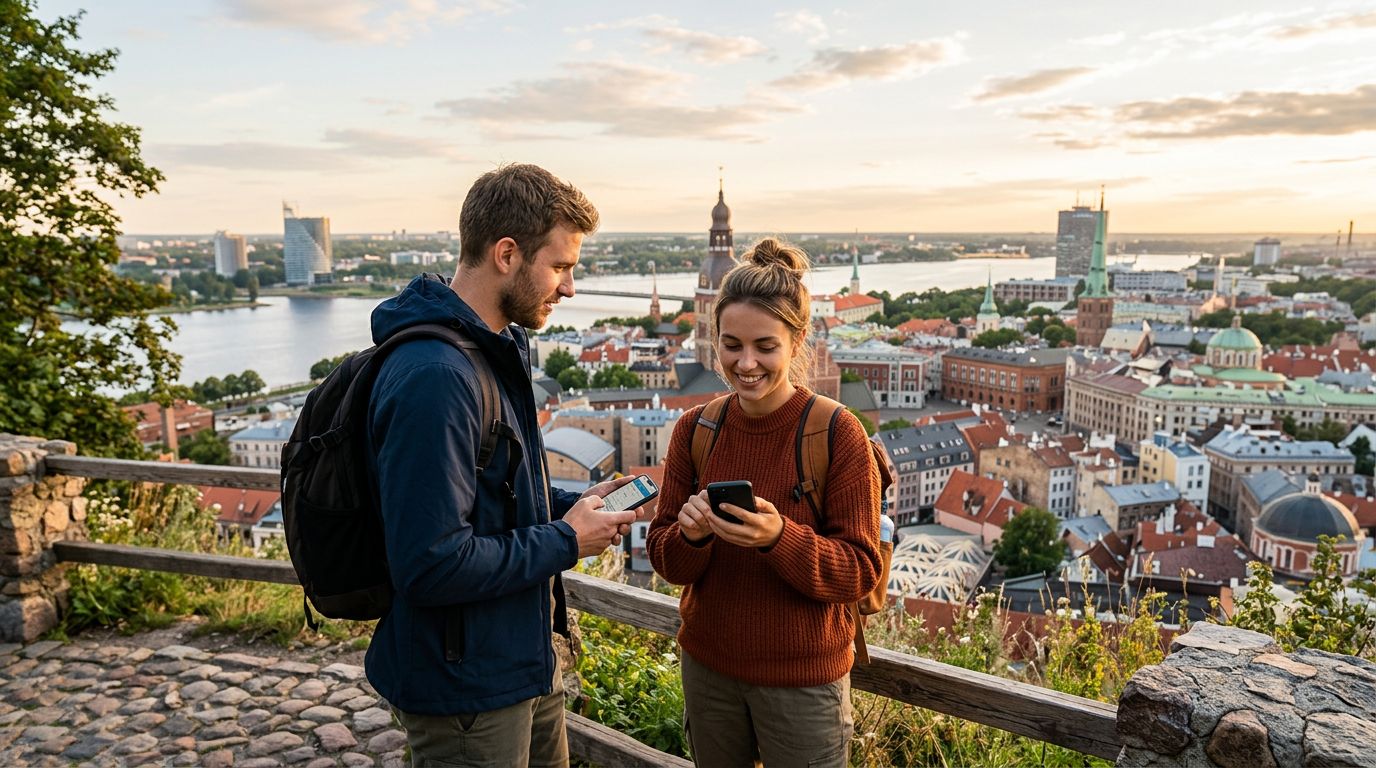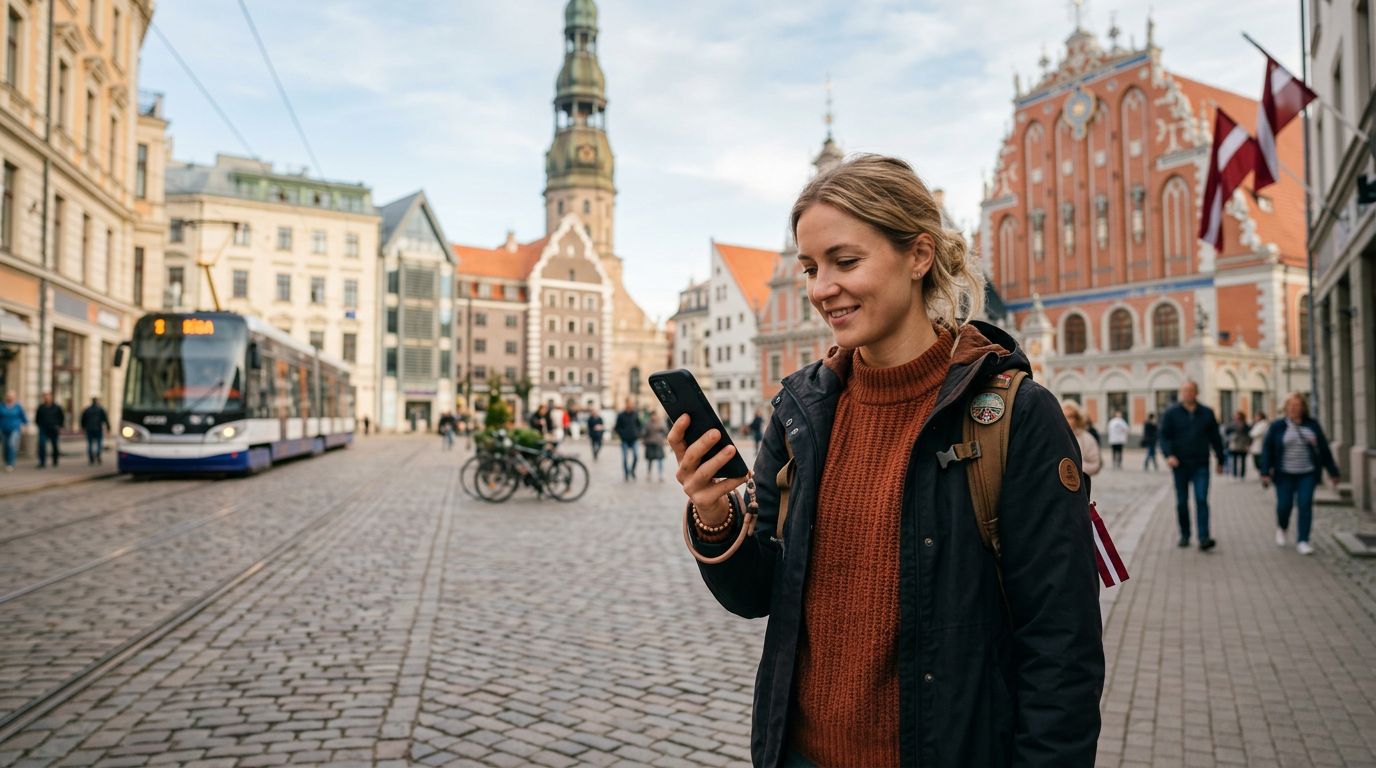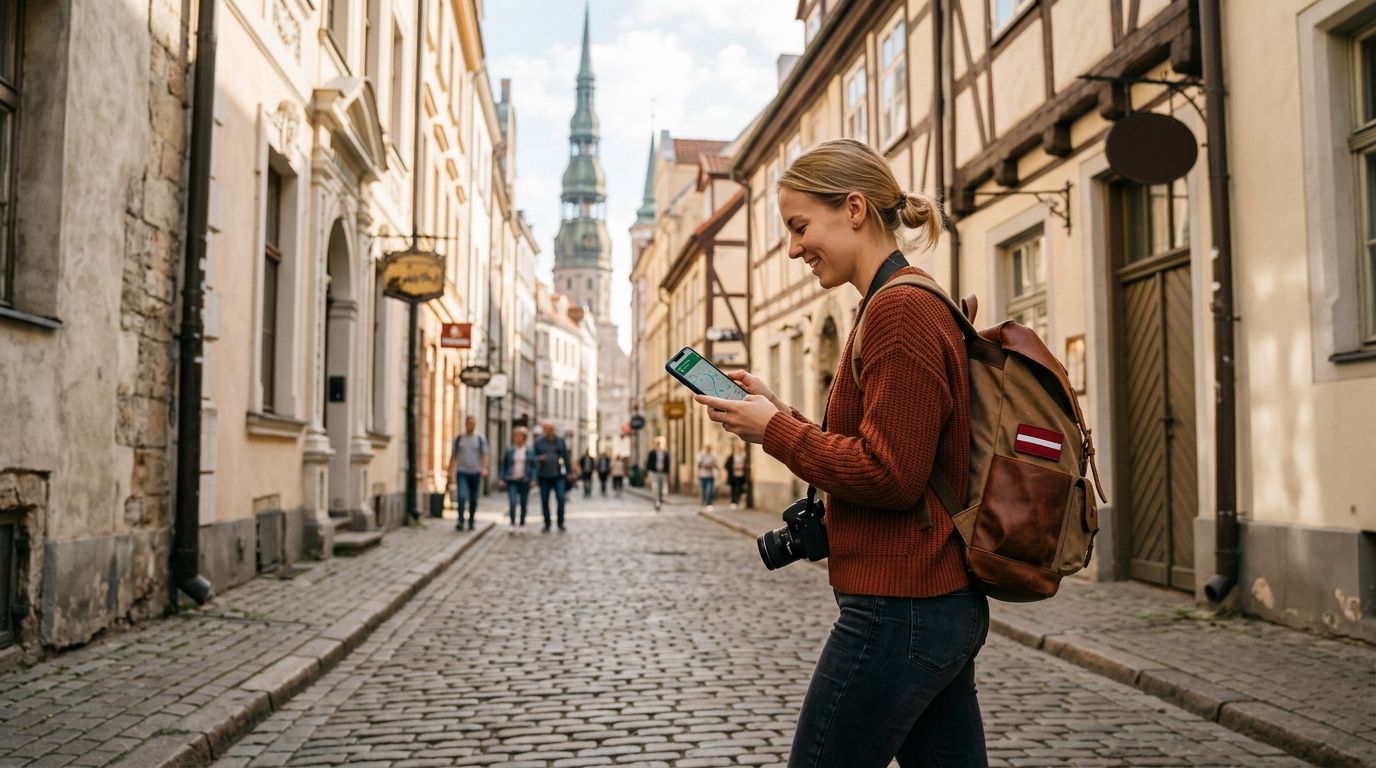
Latvia is a country of striking contrasts, where the cobblestone streets of Riga’s medieval Old Town meet the serene, untouched beauty of Gauja National Park. Whether you are exploring the Art Nouveau architecture of the capital or seeking solitude on the windswept beaches of the Baltic coast, having a reliable internet connection is essential. It allows you to navigate unfamiliar streets, translate local menus, and share your journey with friends and family back home. Finding the best way to get data in Latvia can be a challenge if you are unprepared, but modern technology has made it easier than ever to stay connected without the hassle of traditional roaming.
Why Connectivity Matters When Exploring Latvia
Traveling through Latvia often involves moving between urban hubs and remote natural landscapes. While Riga offers extensive public Wi-Fi in cafes and public squares, relying on these networks can be risky. Public hotspots are often unencrypted, leaving your personal data vulnerable to security threats. Furthermore, if you are planning a road trip to the countryside or visiting the coastal towns of Liepāja or Ventspils, you cannot always count on finding a stable Wi-Fi signal.
Having your own data connection means you have the freedom to look up bus schedules in real-time, use GPS to find hidden gems, and access translation apps to communicate with locals. It eliminates the frustration of searching for a signal when you are trying to find your hotel or a recommended restaurant. By securing a reliable data source before you arrive, you ensure that your trip remains focused on discovery rather than logistics.
Comparing Options for Mobile Data
Travelers have historically relied on several methods to get online while abroad, each with its own set of advantages and drawbacks. Understanding these options will help you decide which is the most efficient for your specific travel style.
Traditional roaming through your home service provider is often the first option travelers consider. While it is certainly convenient—because you do not have to change your settings or swap physical cards—it is frequently the most expensive choice. Many providers impose strict limits on data usage, and the connection speeds can sometimes be throttled, making it difficult to use data-intensive applications like video calling or high-resolution map navigation.
Local physical SIM cards are another common approach. Upon landing at Riga International Airport or visiting a local electronics store, you can purchase a prepaid card. While this is a functional solution, it involves finding a retail location, dealing with potential language barriers, and physically removing your home SIM card. This process risks losing your original card and requires you to manage a new phone number for the duration of your stay.
The modern alternative is the eSIM, or embedded SIM. An eSIM functions just like a physical SIM card but exists entirely as software within your device. You can download a data plan directly to your phone, activate it, and start using local networks immediately upon arrival. This is widely considered the best way to get data in Latvia because it combines the convenience of roaming with the efficiency of a local connection. Services like OneTapSIM provide a seamless experience by allowing you to manage your connectivity digitally, ensuring you are online the moment your plane touches down.
Making the Most of Your Latvia Trip with eSIM Technology
To use an eSIM, you must ensure that your smartphone is carrier-unlocked and compatible with eSIM technology. Most modern smartphones released in the last few years support this feature. You can verify your device's compatibility by checking the settings menu on your phone or by visiting the manufacturer's official support pages.
The setup process for an eSIM is straightforward. Once you have selected a plan that fits your travel duration and data needs, you receive a digital instruction set or a QR code. After scanning this code, your device registers the new data profile. Because OneTapSIM is designed for travelers who value simplicity, the activation process is streamlined to minimize technical hurdles. You can keep your primary SIM active for calls or texts from home while using the eSIM exclusively for data, which prevents unexpected charges and keeps your communication organized.
One of the greatest benefits of using an eSIM in Latvia is the flexibility it offers. If you find yourself using more data than expected—perhaps because you are uploading photos of the Rundāle Palace or streaming music during a long train ride—you can often manage your plan directly through your device. There is no need to visit a store or swap a tiny piece of plastic.
Furthermore, moving between countries in the Baltic region is common for travelers. If your itinerary includes neighboring Estonia or Lithuania, many eSIM providers offer regional plans that cover multiple countries. This eliminates the need to purchase separate data packages for each border crossing. By choosing a digital solution, you reduce the amount of physical waste associated with plastic SIM cards and simplify your travel kit.
As you plan your itinerary, remember that the best way to get data in Latvia is to prepare in advance. By setting up your eSIM before you leave your home country, you avoid the stress of finding a shop or struggling with airport kiosks. Whether you are wandering through the Central Market in Riga or hiking the trails of the Slītere National Park, having a consistent data connection allows you to navigate with confidence. Technology should be a tool that enhances your travel experience, not a source of frustration. With a reliable eSIM, you can focus on the sights, sounds, and history of Latvia, knowing that you are always just a tap away from the information you need.
Get an eSIM for
Plans for the destinations covered in this guide, with instant QR delivery.