Understanding the Connectivity Landscape in Latvia
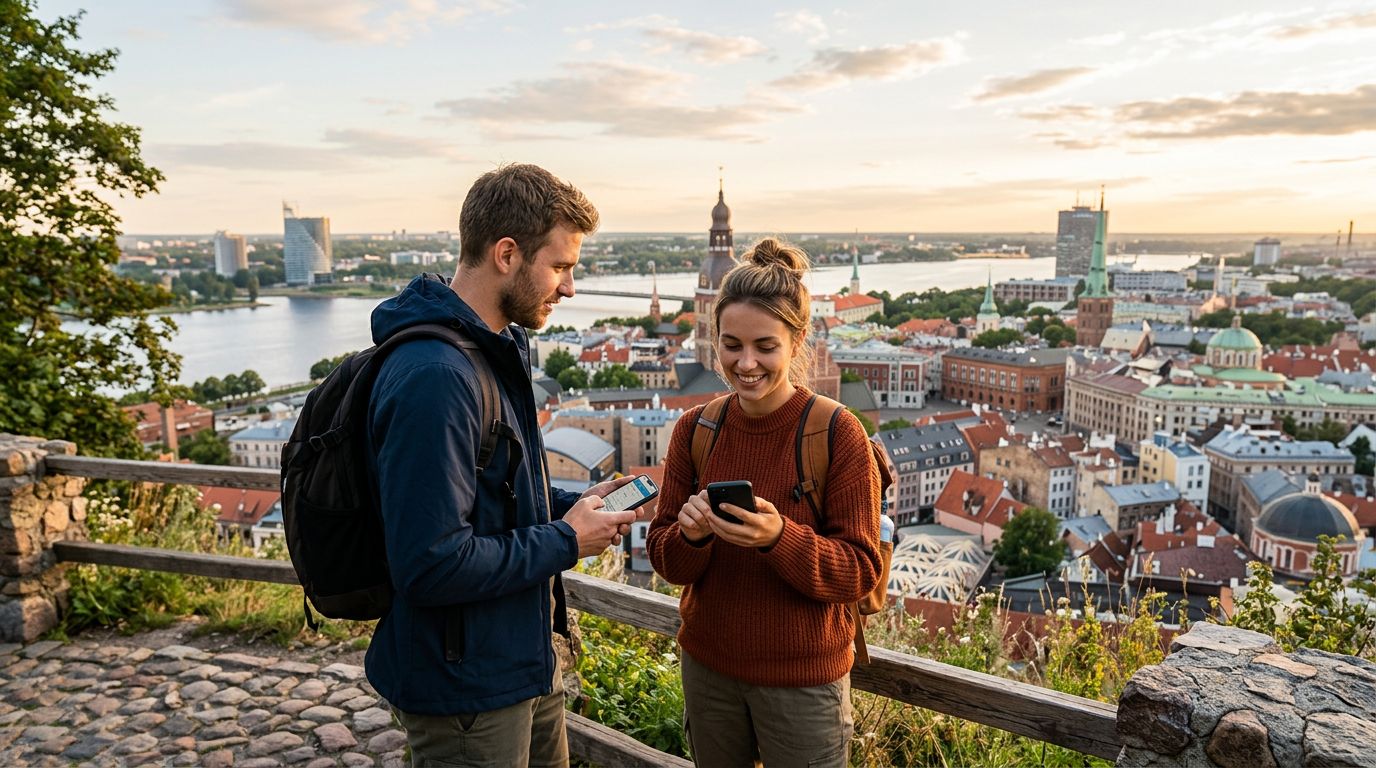
Latvia is a country that blends historic charm with modern digital infrastructure. Whether you are exploring the cobblestone streets of Riga’s Old Town, visiting the Art Nouveau district, or venturing out to the pristine forests and coastal towns, staying connected is essential. A reliable mobile connection allows you to use maps, translate menus, look up historical facts, and stay in touch with family back home.
When you arrive in a new country, one of the first logistical hurdles is determining how to get online. For many years, the standard approach was to find a physical shop, present a passport, and swap out a small piece of plastic inside your phone. While this method is tried and true, the technology behind mobile connectivity has evolved significantly. Comparing a Latvia SIM card vs eSIM requires looking at your own travel habits, the type of hardware you own, and how much value you place on convenience versus tradition.
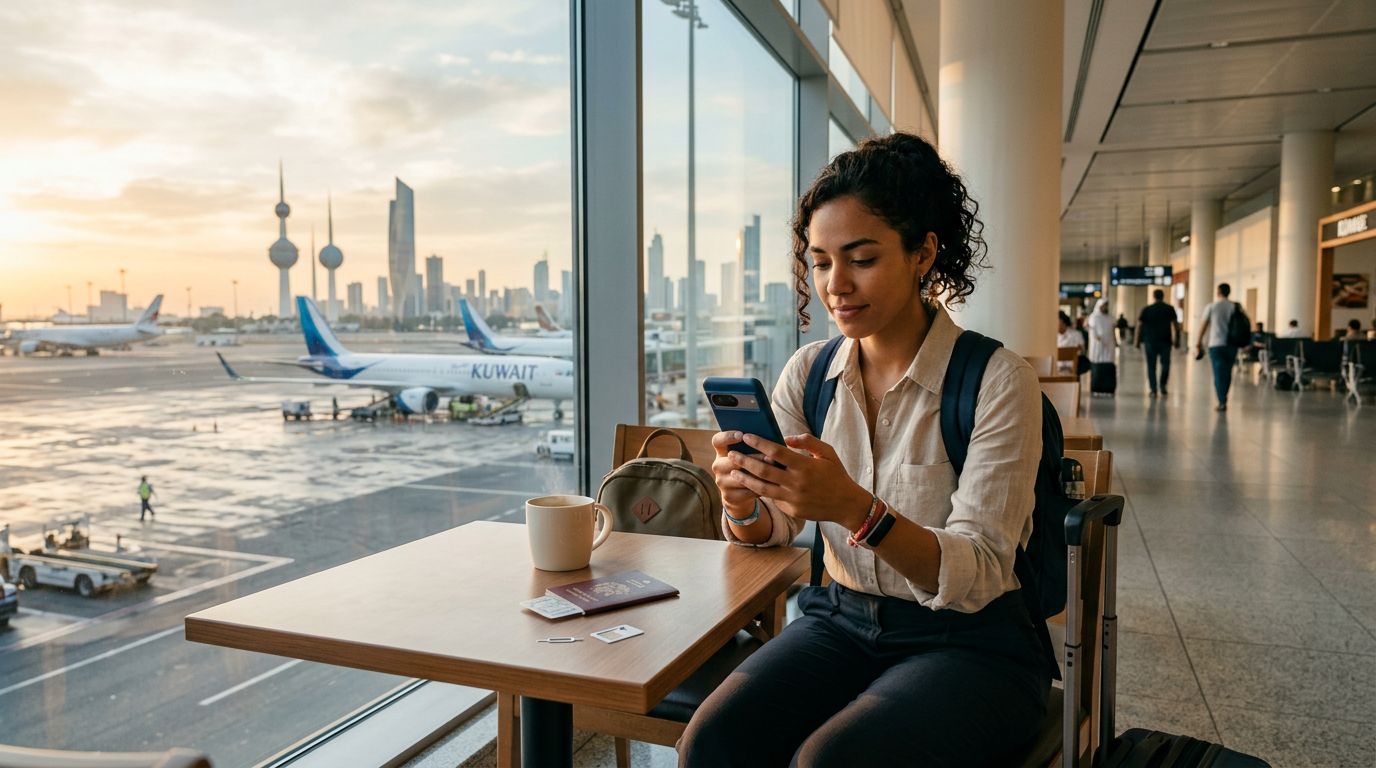
A traditional physical SIM card is a tangible chip that sits in your device’s tray. It is a reliable, offline method of securing a local phone number and data package. However, it requires physical handling, the risk of losing your original home SIM card, and the need to visit a retail store upon arrival. Conversely, an eSIM is a digital version of that card. It is embedded directly into your phone’s hardware, allowing you to download a connectivity profile over a Wi-Fi connection.
The Case for Physical SIM Cards
The primary reason many travelers still opt for a physical SIM card in Latvia is familiarity. If you have an older device that does not support eSIM technology, a physical card is your only option. Many local kiosks, newsstands, and mobile operator stores in Riga and other major transit hubs offer prepaid physical cards.
Choosing a physical SIM card means you are essentially acting like a local. You will receive a local phone number, which can be useful if you need to make restaurant reservations or coordinate with local tour guides. Because physical cards are widely distributed, you can often find them at the airport immediately after landing.
However, there are distinct drawbacks to this approach. First, you must physically remove your home SIM card. If you are not careful, this tiny piece of plastic can easily be misplaced or damaged. Second, you are forced to spend time during your vacation waiting in line at a shop or searching for a retailer. If you arrive late at night or on a holiday, store hours may be restricted, leaving you without data until the next morning. Furthermore, if you are visiting multiple countries across the Baltic region, a single Latvian SIM card may not provide seamless coverage once you cross the border into Estonia or Lithuania, potentially leading to roaming charges or the need to repeat the purchase process in every new country.
Why eSIMs are Changing the Travel Experience
The shift toward eSIM technology has transformed how modern travelers manage connectivity. An eSIM, or embedded SIM, removes the need for physical hardware swaps. By using a service like OneTapSIM, you can activate your data plan before you even board your flight. This means that the moment your wheels touch the tarmac in Riga, your phone is already connected to a local network.
The most significant benefit of an eSIM is the ability to keep your home SIM card active in your phone. This allows you to receive important SMS messages—such as bank verification codes or urgent calls from home—while simultaneously using your eSIM for data. You no longer have to worry about losing your original SIM card in a hotel room or a taxi.
Another advantage is the flexibility of management. With an eSIM, you can install multiple profiles on your device. If you are on a multi-country European trip, you can have a profile for Latvia, another for neighboring countries, and a global plan all stored on your device. You can toggle between them through your phone’s settings without ever opening the SIM tray.
For those who prioritize efficiency, OneTapSIM offers a streamlined way to get online. The installation process usually involves scanning a QR code or entering a set of activation details provided after purchase. Once the profile is added to your phone, you simply turn it on when you arrive. It eliminates the language barrier that might occur when trying to explain your data needs to a clerk at a local mobile shop.
Making Your Decision
When choosing between a Latvia SIM card vs eSIM, consider the duration of your stay and your technical requirements. If you are staying for several months and require a local Latvian phone number for long-term residency or business, a physical contract with a local provider might be the most logical path. However, for the vast majority of tourists, digital nomads, and short-term visitors, the eSIM is the clear winner for convenience.
Before you make your choice, ensure your device is compatible. You can check your phone settings or verify your model’s specifications online to confirm that it supports eSIM functionality. Most modern smartphones produced in the last several years are fully equipped to handle digital profiles.
If you decide to go the eSIM route, ensure you are connected to a stable Wi-Fi network when you perform the initial setup. While the service itself will provide the data once you land, the initial download of your profile requires an internet connection. Once that is done, you are free to roam Latvia with the confidence that your navigation, communication, and research tools are always available.
Ultimately, the goal of your trip is to enjoy the beauty of the Baltics, not to spend your time troubleshooting mobile connectivity. Whether you choose the traditional route of a physical card or the modern efficiency of an eSIM, the most important step is planning ahead. By deciding on your connectivity strategy before you leave home, you ensure that your first hours in Latvia are spent exploring the sights rather than searching for a mobile provider.
Get an eSIM for
Plans for the destinations covered in this guide, with instant QR delivery.