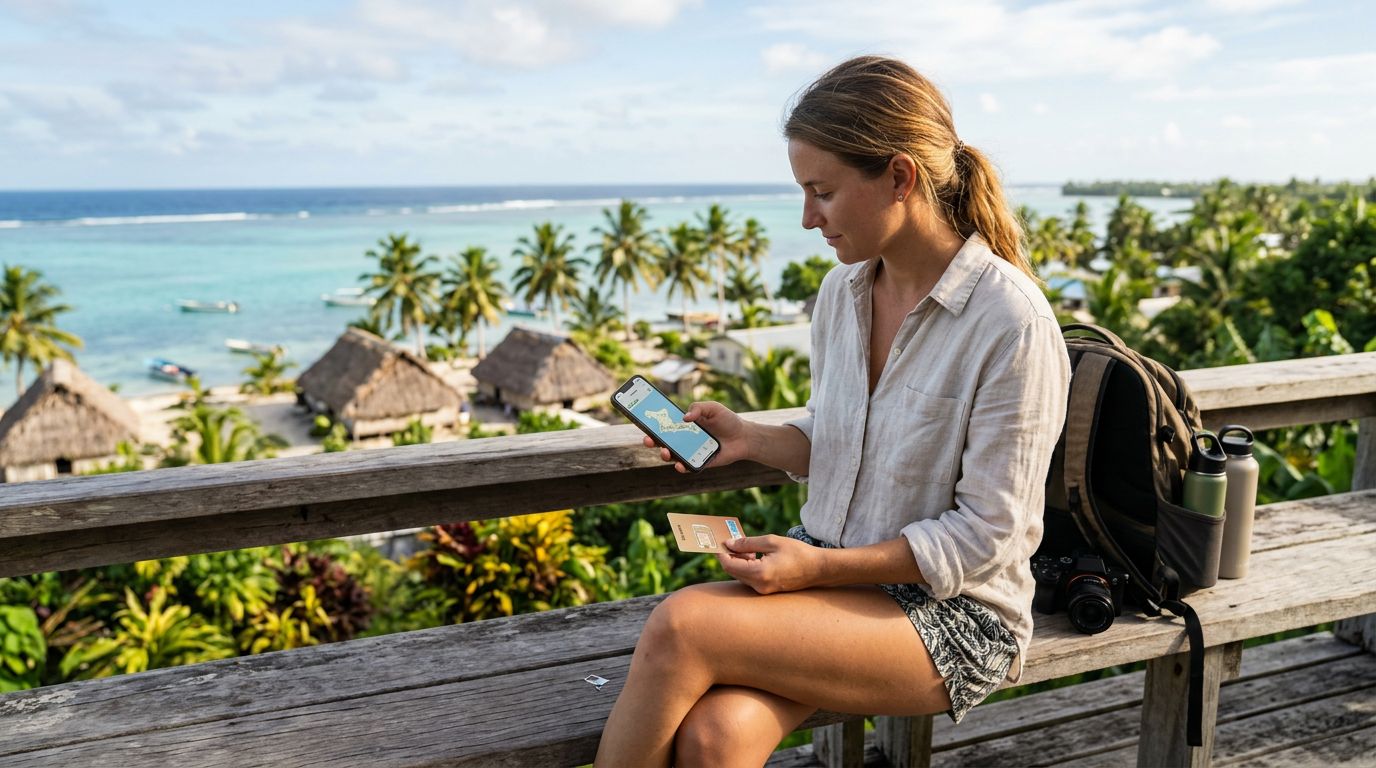
Understanding Connectivity in Kiribati
Traveling to Kiribati is an adventure into one of the most remote and beautiful island nations on the planet. Spanning across the central Pacific Ocean, this collection of atolls and islands offers pristine lagoons, world-class fishing, and a unique cultural experience. However, because of its geographical isolation, staying connected can be a challenge for the unprepared traveler. Whether you are planning to share photos of the white-sand beaches or need to coordinate your travel logistics, having reliable mobile data is essential.
When comparing a Kiribati SIM card vs eSIM, the primary consideration is how you prefer to handle your mobile connectivity. Traditional physical SIM cards have been the standard for decades, requiring you to physically swap a small plastic chip into your phone. In contrast, an eSIM—or embedded SIM—is a digital version of that same technology. It is built directly into the hardware of modern smartphones, allowing you to activate a mobile plan without ever needing to open your phone’s SIM tray. For a destination as remote as Kiribati, understanding the nuances of these two options can be the difference between seamless communication and a frustrating search for a local shop.
The Traditional Approach: Physical SIM Cards
For many travelers, the physical SIM card is the familiar route. Upon arriving in a new country, the standard process involves seeking out a local telecommunications provider, standing in line, and purchasing a pre-paid card. In Kiribati, this usually means visiting a local branch of the national provider. This method has its benefits, particularly if you are using an older device that does not support modern digital standards.
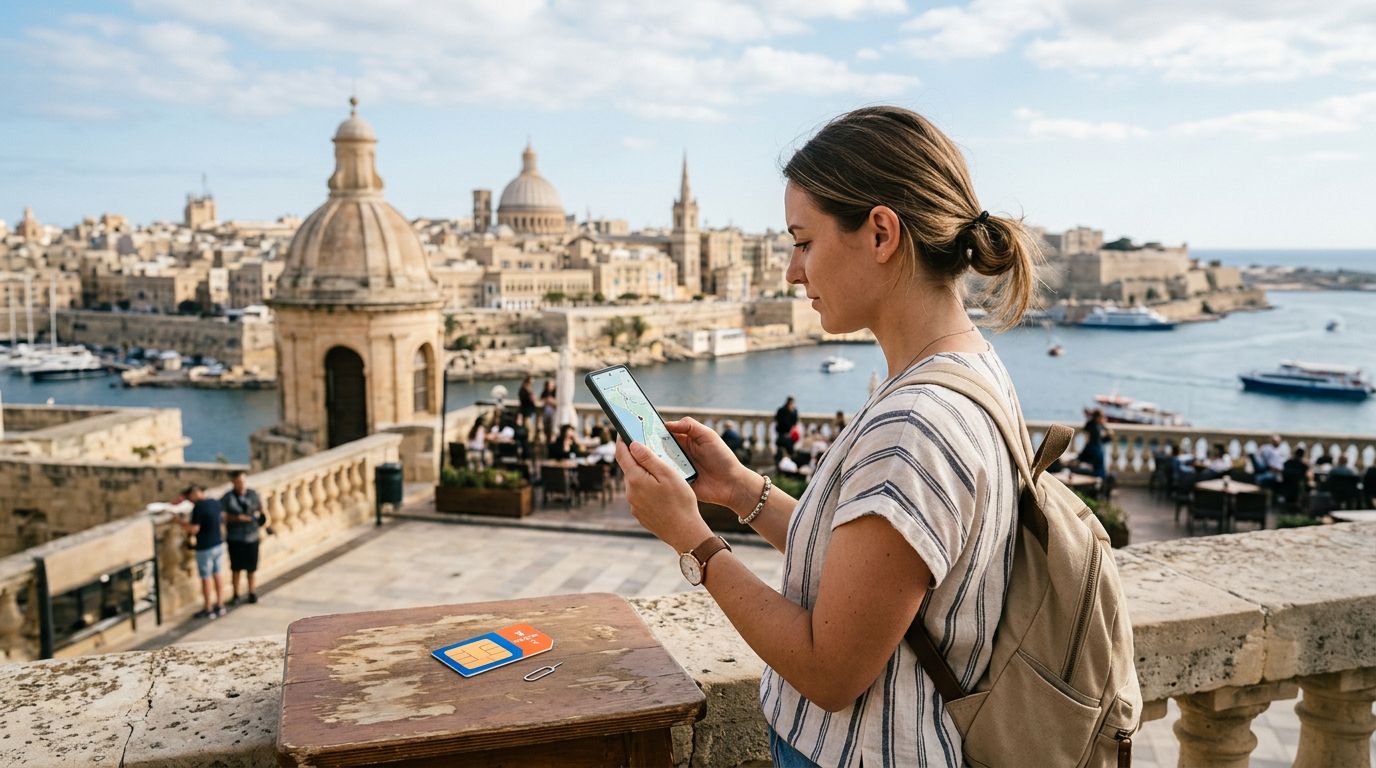
However, relying on a physical SIM card in a remote location comes with distinct drawbacks. First, you must ensure your phone is unlocked by your home carrier, which is a common requirement for both physical and digital SIMs. Second, you are at the mercy of store operating hours. If your flight arrives late at night or on a weekend, you might find yourself without connectivity until the next business day. Furthermore, there is the risk of losing or damaging your original home SIM card while you swap it out. Keeping track of a tiny piece of plastic while traveling through multiple islands can be stressful, and the potential for a lost connection to your home number can leave you feeling isolated.
The Modern Alternative: Choosing an eSIM
The shift toward eSIM technology has transformed how international travelers manage their data. An eSIM allows you to download a profile directly to your device, effectively turning your phone into a dual-SIM machine. This means you can keep your primary home number active for important calls or SMS verification codes while using a secondary data-only plan for your internet needs in Kiribati.
One of the greatest advantages of using an eSIM service like OneTapSIM is the convenience of preparation. Instead of waiting until you land and searching for a kiosk, you can set up your connection before you even leave home. Once you arrive in Kiribati, your device can switch to the local network almost instantly. This is particularly useful in an island nation where infrastructure is spread out and finding a retail store might require significant travel time.
Beyond convenience, eSIMs are inherently more secure. Because the profile is digital and encrypted, there is no physical chip that can be stolen or fall out of your device. If you encounter any technical issues, digital support teams are often able to troubleshoot your connection remotely, whereas a physical SIM card issue usually requires you to return to a physical shop. For those who value efficiency, skipping the retail queues is a major benefit that allows you to start enjoying your vacation immediately upon arrival.
Making the Right Choice for Your Itinerary
When deciding between a Kiribati SIM card vs eSIM, consider the duration of your stay and the type of device you carry. If you are using a modern smartphone, the eSIM is almost always the superior choice due to its flexibility and ease of use. It eliminates the need to carry extra hardware or worry about losing your original SIM card.
If you are planning an island-hopping itinerary, the reliability of your mobile data becomes even more critical. You want a solution that remains consistent as you move between different atolls. OneTapSIM provides a streamlined experience for travelers who want to avoid the complexities of local logistics. By choosing a digital solution, you gain the ability to manage your data usage through your phone’s settings, ensuring you do not run out of connectivity at a crucial moment.
Another factor to consider is the environment. Kiribati is a place defined by its ocean surroundings. Humidity, sand, and salt air are constant companions. Opening your phone’s SIM tray in such an environment exposes the delicate internal components of your device to the elements. By using an eSIM, you never have to break the factory seal of your SIM tray, which helps maintain the water and dust resistance integrity of your smartphone.
Ultimately, the choice comes down to your comfort level with technology and your desire for a hassle-free trip. While physical SIM cards have served travelers well for many years, the industry is moving toward a more integrated, digital future. By opting for an eSIM, you are choosing a solution that is designed for the modern traveler—one who values time, security, and a seamless connection to the digital world. Whether you are visiting for the world-class bonefishing, the unique cultural heritage, or simply to disconnect in one of the most remote corners of the globe, having a reliable data plan will ensure that your trip to Kiribati is as smooth and enjoyable as possible. Before you embark on your journey, check your device compatibility and ensure your phone is unlocked, then prepare your digital plan to ensure you have full access to maps, communication, and travel information the moment you step off the plane.
Get an eSIM for
Plans for the destinations covered in this guide, with instant QR delivery.