Understanding Your Connectivity Options in Germany
Planning a trip to Germany involves many logistical steps, from booking train tickets to finding the right accommodation. Among these tasks, securing a reliable mobile connection is essential for accessing maps, translation tools, and travel apps. When comparing a Germany SIM card vs eSIM, travelers often find themselves weighing the convenience of modern technology against the familiarity of traditional physical cards.
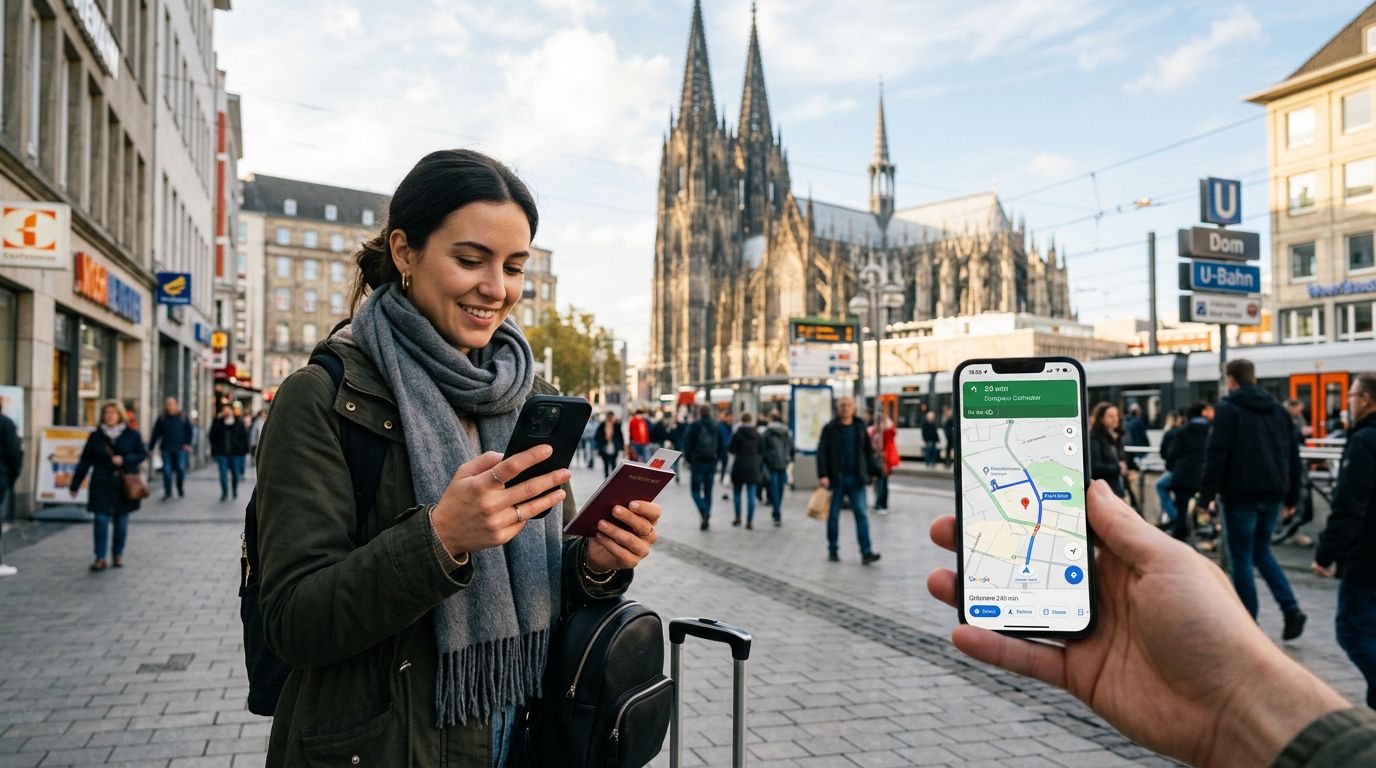
A physical SIM card is the classic method for getting mobile data abroad. It involves inserting a small plastic chip into your phone’s SIM tray. To get one, you typically visit a local mobile store or purchase a card at the airport upon arrival. This process requires you to handle small hardware, potentially swap out your primary SIM, and keep track of the original card so you do not lose it.
In contrast, an eSIM is a digital version of a SIM card. It is embedded directly into the hardware of compatible smartphones. Because it is software-based, you do not need to physically handle anything. You simply download a profile, activate it through your settings, and you are ready to go. For those who prioritize efficiency, the digital nature of an eSIM eliminates the need to hunt for a kiosk after a long flight.
Comparing Convenience and Installation
The primary difference between these two options lies in the setup process. With a physical SIM card, you are often tethered to the operating hours of local shops. If your flight arrives late at night or on a weekend, you might find that airport kiosks are closed or that you have to wait until the next morning to visit a retail store in the city center. Furthermore, there is the language barrier to consider; explaining your data needs to a clerk in a foreign language can sometimes be frustrating.
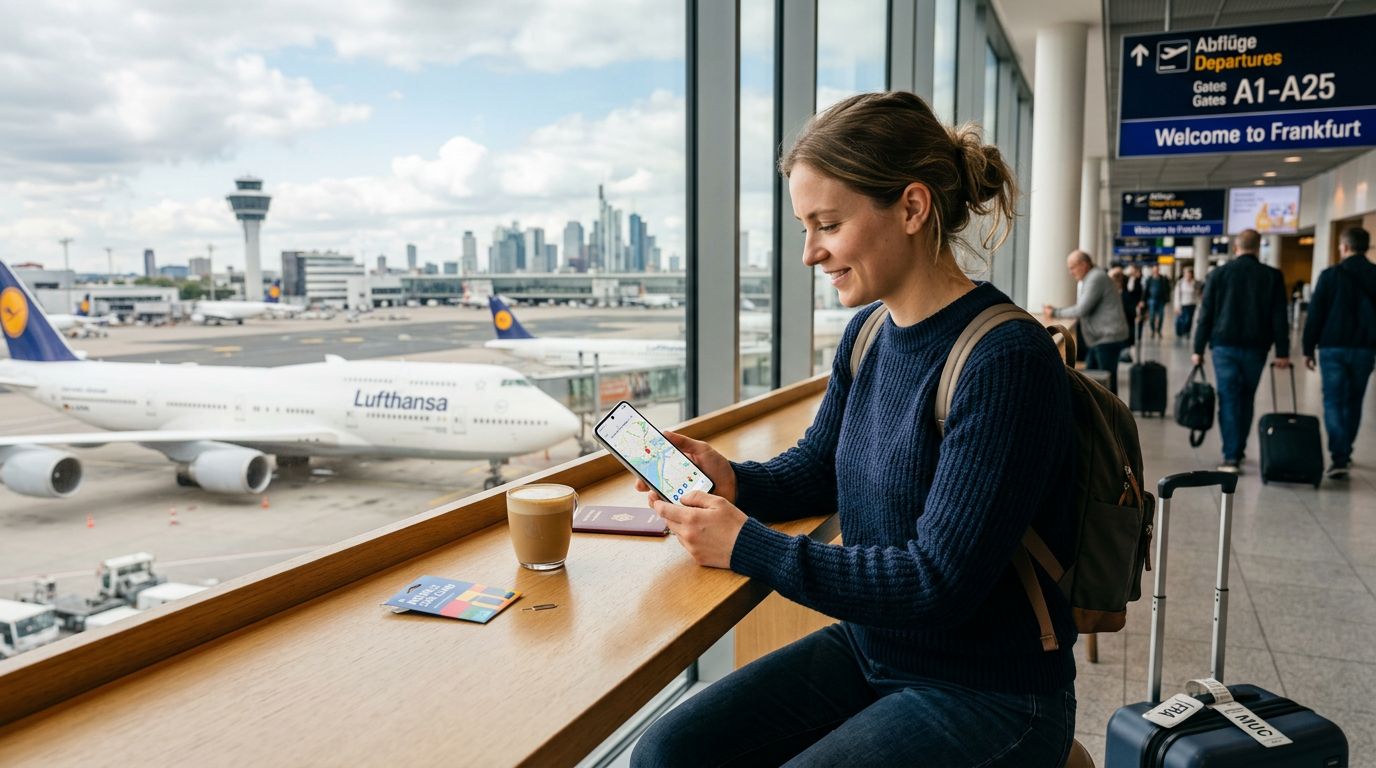
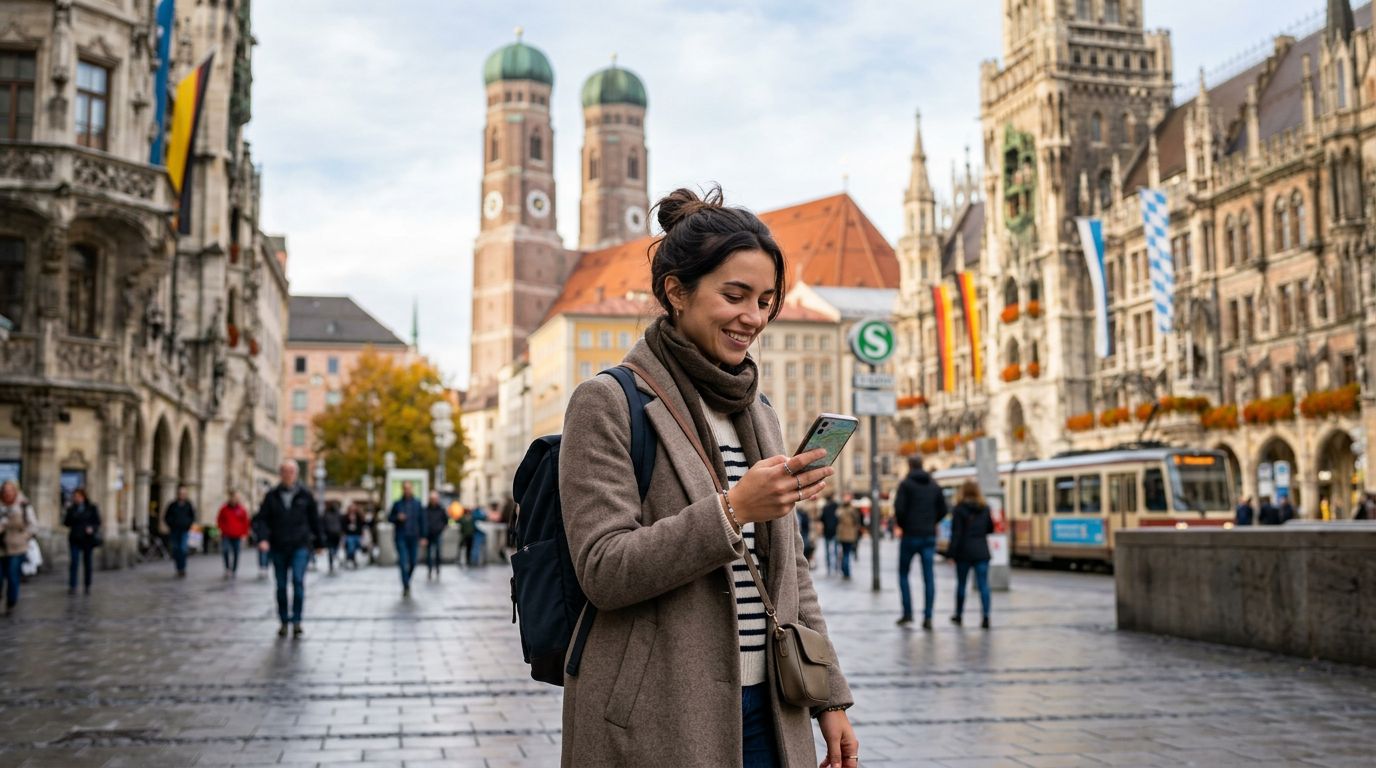
An eSIM offers a more streamlined experience. You can purchase and install your data plan before you even leave your home country. By the time your plane touches down in Berlin, Munich, or Frankfurt, your phone is already configured to connect to a local network. OneTapSIM provides a straightforward interface that allows travelers to manage their connectivity requirements without needing to visit a physical store or interact with local vendors.
Another factor to consider is the risk of losing hardware. A physical SIM card is tiny and easily misplaced during the process of swapping it in and out of your device. If you lose your home SIM card, you may face significant challenges when trying to restore your original service upon returning home. An eSIM removes this risk entirely because your home SIM remains safely inside your phone, undisturbed. You can simply toggle between your primary line and your travel data plan through your device settings.
Compatibility and Device Requirements
Before choosing between a Germany SIM card vs eSIM, you must verify your device compatibility. Most modern smartphones released in the last few years support eSIM technology. However, it is always wise to check your specific device settings or consult the manufacturer’s support documentation to ensure your phone is unlocked and capable of handling digital SIM profiles.
If you are using an older device that does not support eSIM, a physical SIM card remains your only viable option. In such cases, ensure your phone is carrier-unlocked. If your phone is locked to your home network provider, it will not accept a local German SIM card, rendering the physical option useless. Always contact your home provider before your trip to confirm your device status.
For those with compatible devices, the eSIM is generally the superior choice for short-term travel. It allows you to maintain your home phone number for essential calls or two-factor authentication texts while using a separate data plan for your internet needs. This dual-SIM capability is a significant advantage for international travelers who need to stay reachable but want to avoid the high costs associated with international roaming on their home plan.
Reliability and Network Coverage
When you are traveling through Germany, whether you are exploring the historic streets of Hamburg or the scenic routes of the Black Forest, network coverage is paramount. Both physical SIM cards and eSIMs generally utilize the same local network infrastructure. The quality of your connection depends more on the provider you choose rather than the format of the SIM card itself.
OneTapSIM focuses on providing reliable access to local networks, ensuring that you have consistent data speeds for navigation and communication. Because eSIMs allow you to switch providers or plans digitally, you have more flexibility if you find that one network is not performing well in a specific region. With a physical SIM, switching providers would require you to purchase a new card and physically swap it, which is rarely practical while on the move.
Ultimately, the choice comes down to your personal preference for hardware versus software. If you enjoy the tactile nature of a physical card and have a device that is not eSIM-compatible, the traditional SIM card is a reliable standby. However, for most modern travelers, the eSIM offers a level of flexibility and ease that fits better with the demands of international travel. By preparing your connectivity in advance, you can spend less time searching for mobile shops and more time enjoying the culture, history, and landscapes that Germany has to offer. Whether you choose the traditional route or the digital path, ensuring you have a data plan before you arrive will make your trip significantly smoother.
Get an eSIM for
Plans for the destinations covered in this guide, with instant QR delivery.