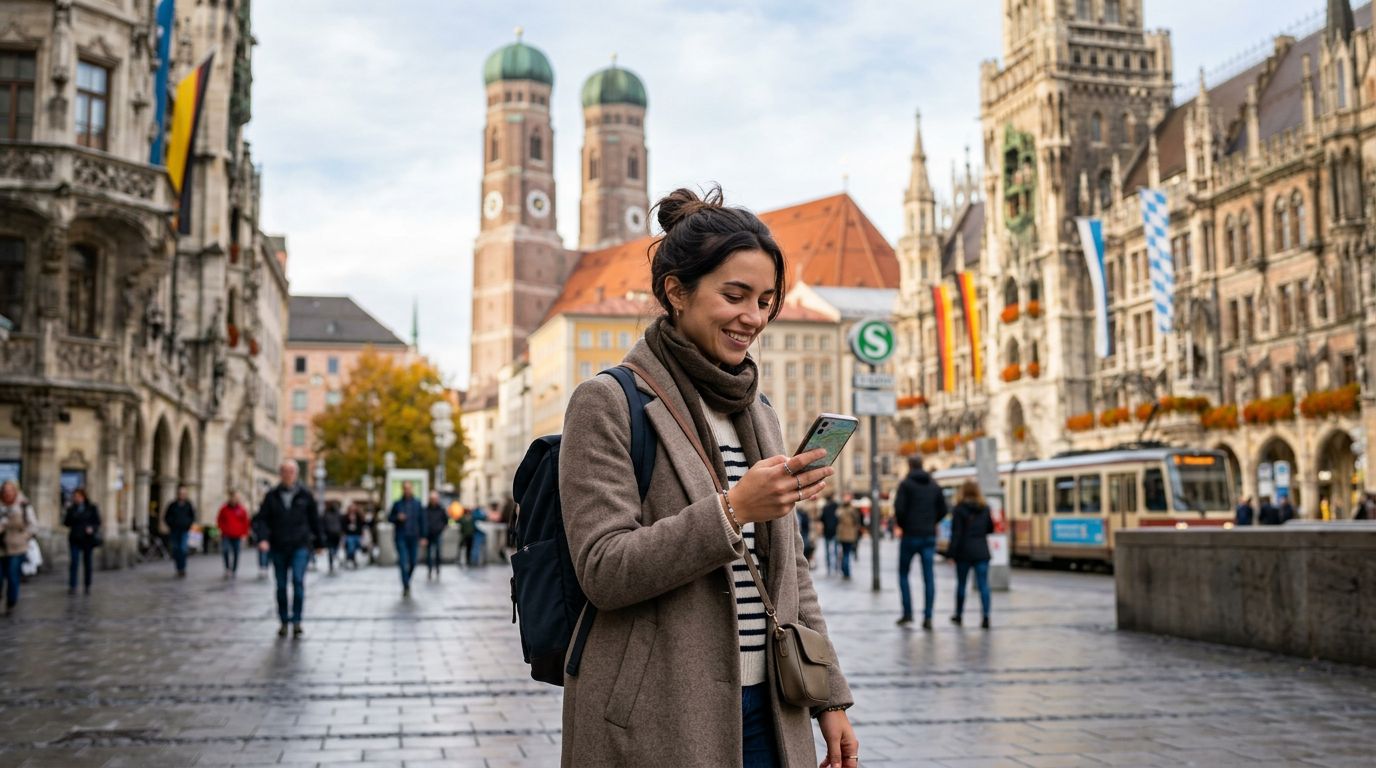
The Rise of eSIM Technology in Germany
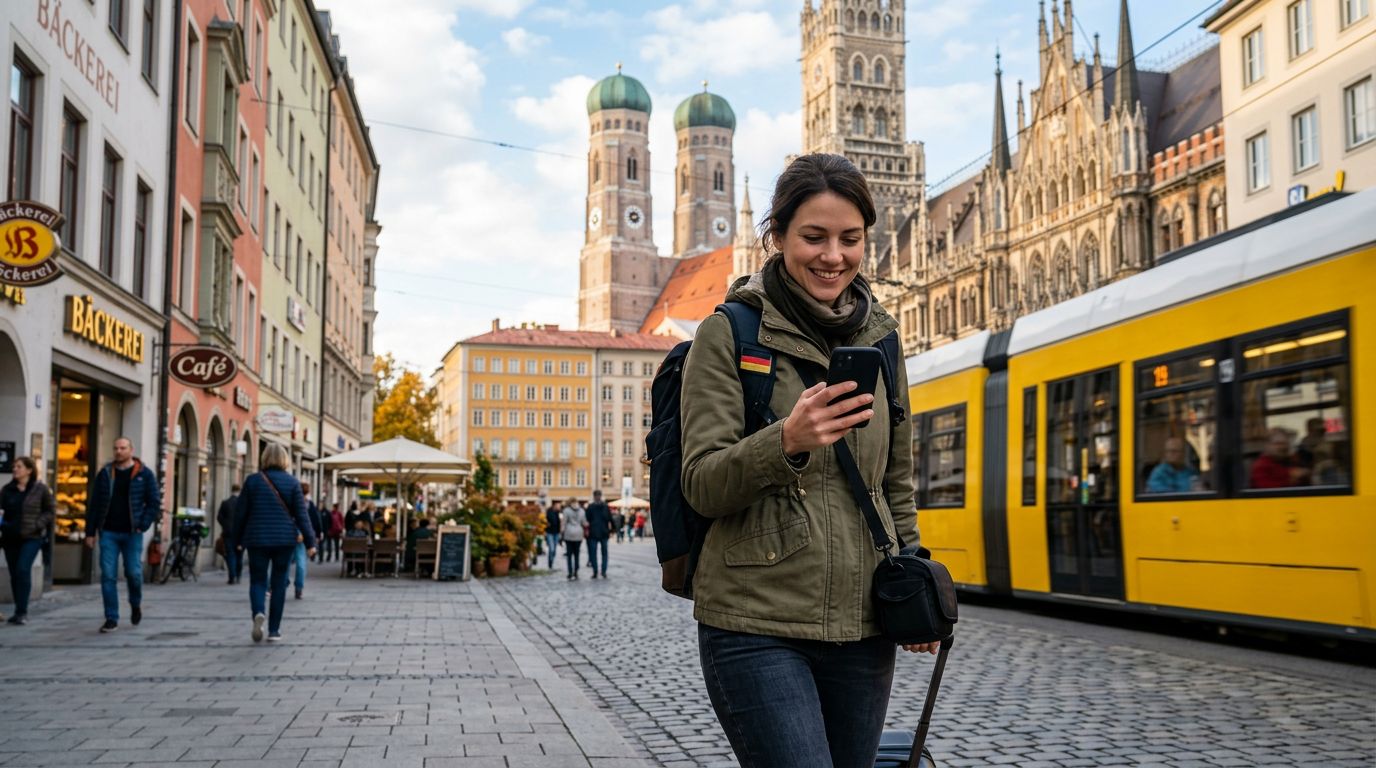
Germany is a country that blends historic architecture with modern technological infrastructure. For travelers, staying connected while moving between Berlin’s vibrant streets, the Bavarian Alps, or the quiet villages of the Black Forest is essential. If you are wondering, "does eSIM work in Germany," the answer is a definitive yes. In fact, Germany has embraced eSIM technology, making it one of the most convenient ways for international visitors to maintain high-speed data access without the logistical headaches of physical SIM cards.
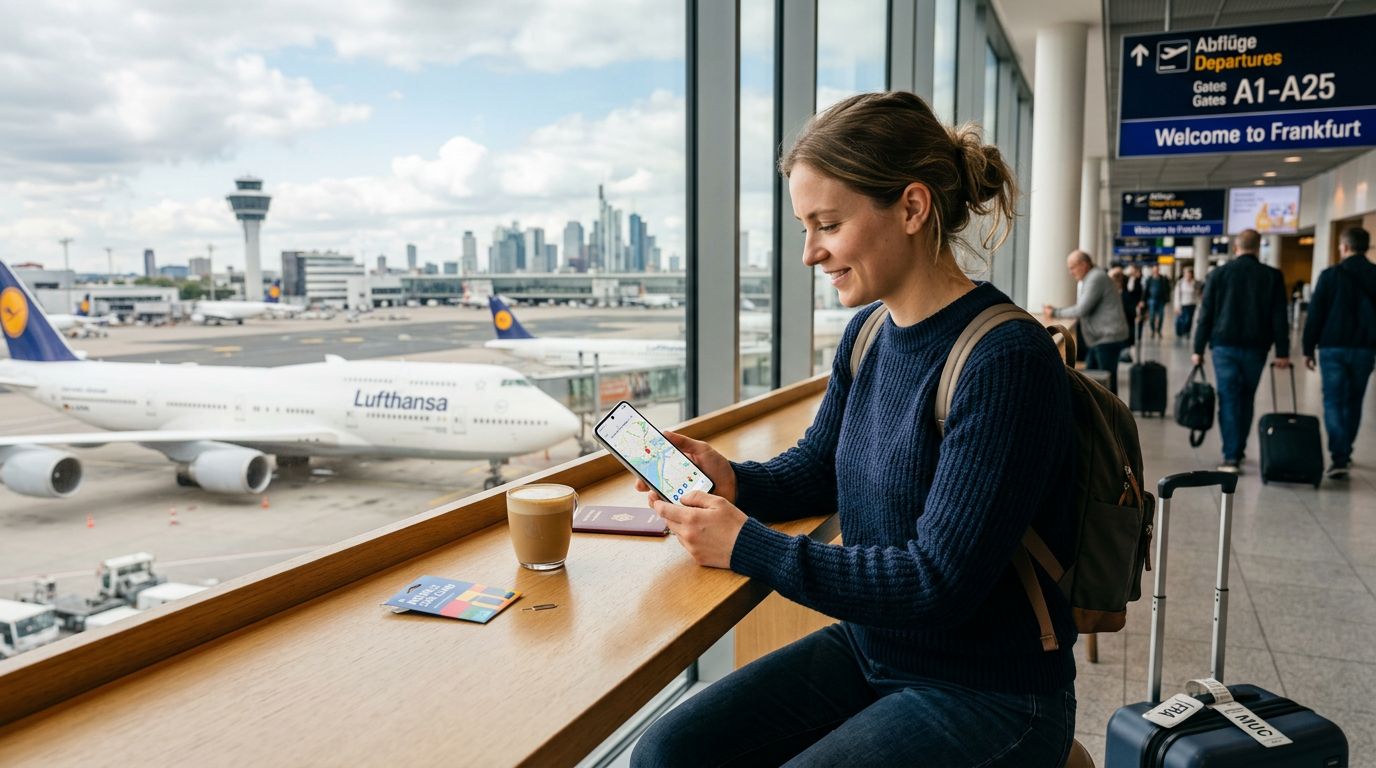
An eSIM, or embedded SIM, is a digital version of the traditional plastic card you have used for years. Instead of inserting a physical chip into your device, you download a profile directly to your phone’s internal hardware. This technology is supported by all major German mobile network operators, ensuring that coverage is robust across urban centers and rural regions alike. By choosing an eSIM, you bypass the need to visit a local store, present your passport for registration, or fumble with tiny metal trays and ejector tools while standing in a busy airport terminal.
OneTapSIM provides a seamless bridge to this technology, allowing you to activate your connectivity before your plane even touches down on German soil. Because the eSIM is integrated into your device, your phone effectively becomes a dual-SIM machine. You can keep your primary number active for essential calls or texts while using the eSIM exclusively for data, ensuring you never lose touch with home while enjoying the freedom of local connectivity.
Compatibility and Device Requirements
Before you commit to an eSIM for your German adventure, it is important to confirm that your hardware is ready to support it. Most modern smartphones released in the last few years are equipped with eSIM capabilities. If you are using a recent model from major manufacturers, you are likely already set.
To verify your device’s status, you can check the settings menu on your phone. For users of Apple devices, the official support pages at support.apple.com provide a comprehensive list of models that support eSIM technology. Similarly, those using Android devices can refer to support.google.com to check their specific model’s compatibility. It is worth noting that some devices are "carrier-locked," meaning they are restricted to a specific provider. If your phone is locked, it may not accept an eSIM from a third-party provider like OneTapSIM. Always ensure your device is unlocked by your home carrier before your trip to avoid connectivity issues upon arrival.
The installation process is straightforward. Once you purchase your data package, you will receive a QR code or an activation string. By scanning this code through your phone’s cellular settings, the eSIM profile is downloaded and installed in seconds. This digital delivery method is why so many travelers now prefer eSIMs over physical alternatives. You no longer have to worry about losing a tiny piece of plastic or damaging your phone’s SIM slot during the installation process. Once the profile is active, you simply toggle it on when you land, and your device will automatically connect to the best available local network in Germany.
Why Choose an eSIM for Your German Travels
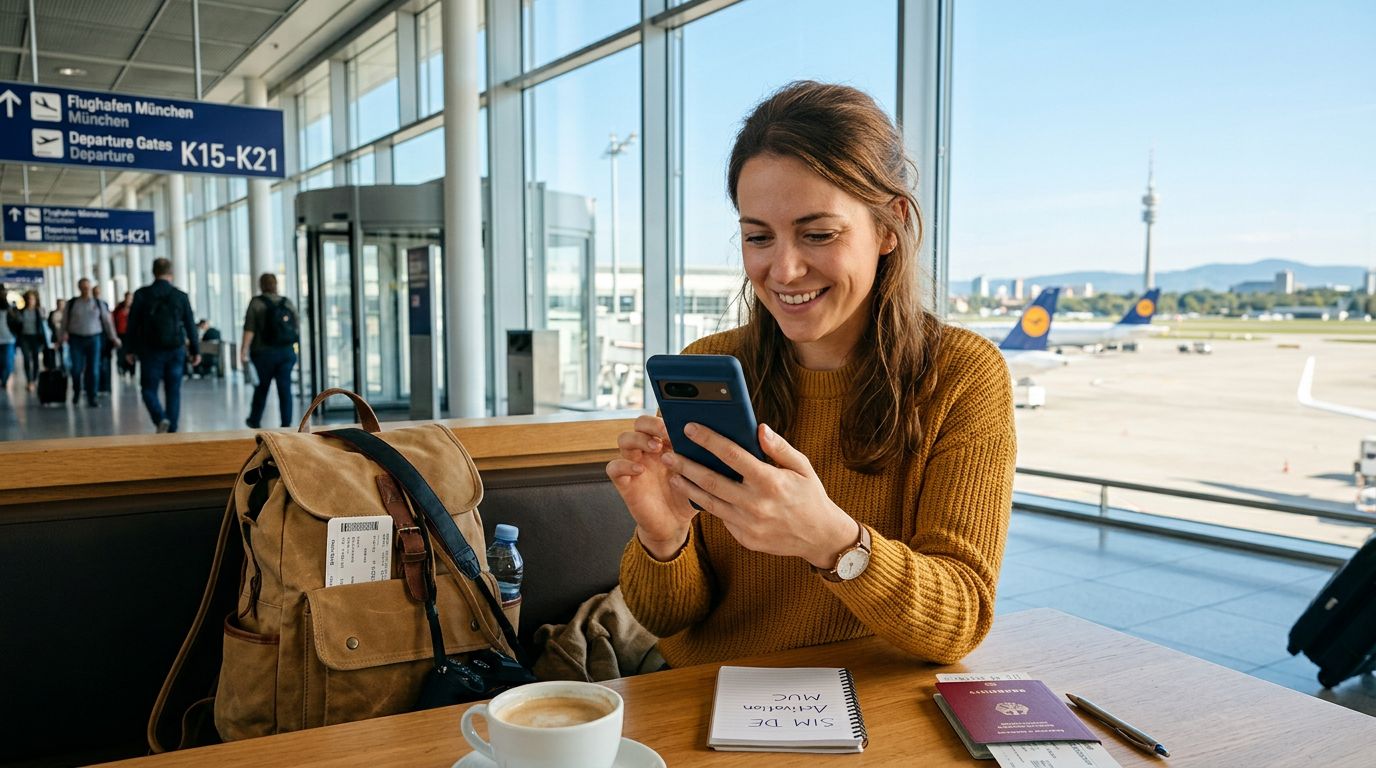
The primary advantage of using an eSIM in Germany is the convenience of instant activation. When you arrive at Frankfurt or Munich airport, you want to be able to call a rideshare, check your hotel reservation, or pull up a map immediately. With a physical SIM, you might spend an hour waiting in line at a kiosk, dealing with language barriers, and filling out registration forms. With an eSIM from OneTapSIM, you have already completed the setup process. As soon as you step off the plane, your device switches to the local network, providing you with immediate access to navigation and communication tools.
Another significant benefit is the ability to manage your data usage effectively. Many travelers find that traditional roaming plans offered by their home carriers are prohibitively expensive or come with restrictive speed caps. By using a dedicated travel eSIM, you gain access to local data rates, which are generally more efficient and reliable. You can monitor your data consumption directly through your phone’s settings, ensuring you stay within your limits without the fear of unexpected charges when you return home.
Furthermore, an eSIM allows you to maintain your primary phone number for security purposes. Many banking apps and two-factor authentication systems require your original SIM to be active to receive verification codes. Because an eSIM allows for dual-SIM functionality, you can keep your home SIM active for these critical security tasks while using the eSIM for all your browsing, streaming, and social media needs. This dual-layer approach provides the perfect balance between staying connected to your life back home and enjoying the benefits of a local connection in Germany.
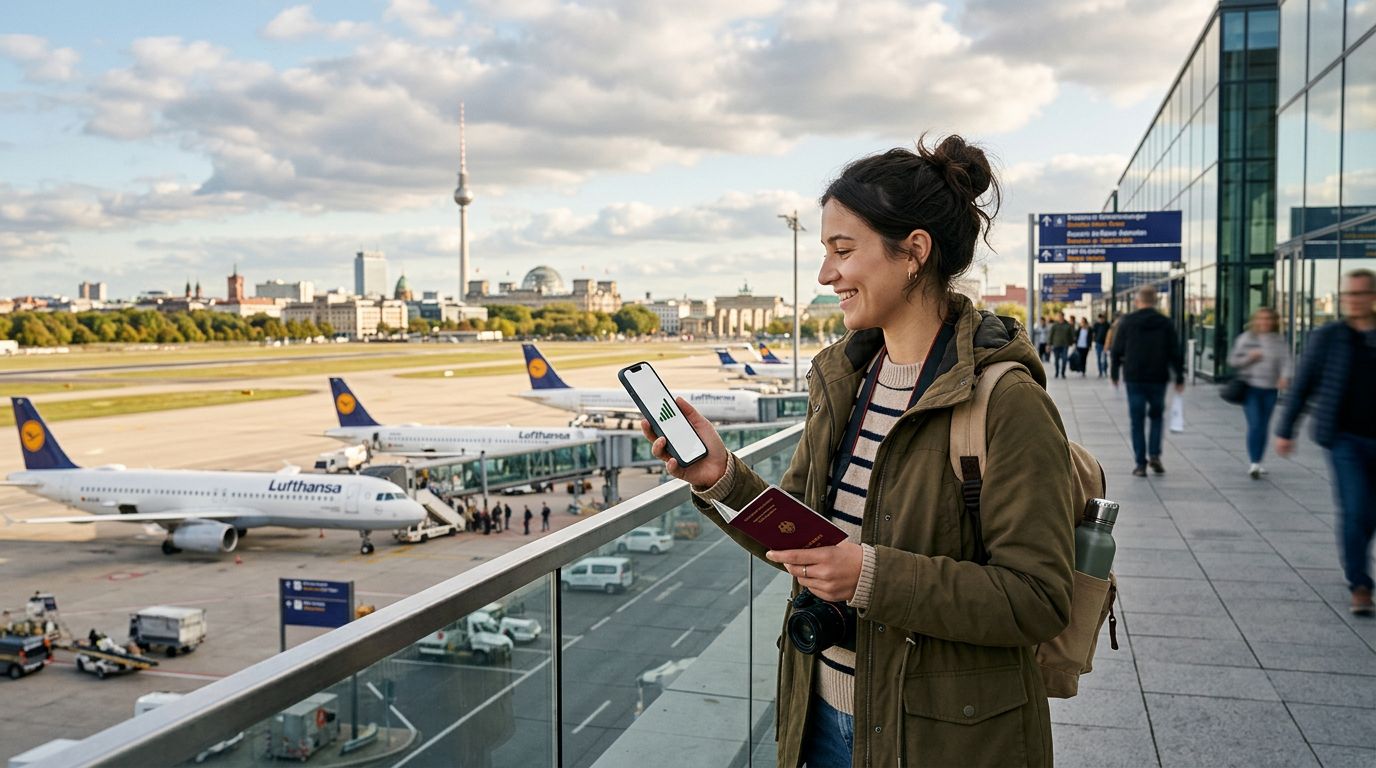
Reliability is the final piece of the puzzle. Germany’s mobile infrastructure is highly advanced, with widespread 4G and 5G coverage. When you use a reputable provider, you are tapping into these high-speed networks directly. Whether you are uploading photos of the Brandenburg Gate or streaming music during a train ride across the country, the connection remains stable and fast. By preparing your device with an eSIM before you leave, you remove the uncertainty of travel connectivity, allowing you to focus on the experience of exploring one of Europe’s most fascinating destinations. Whether you are a business traveler needing constant access to email or a tourist looking to share your journey in real-time, the transition to eSIM technology is a practical step that simplifies your entire trip.
Get an eSIM for
Plans for the destinations covered in this guide, with instant QR delivery.