Understanding eSIM Technology in Germany
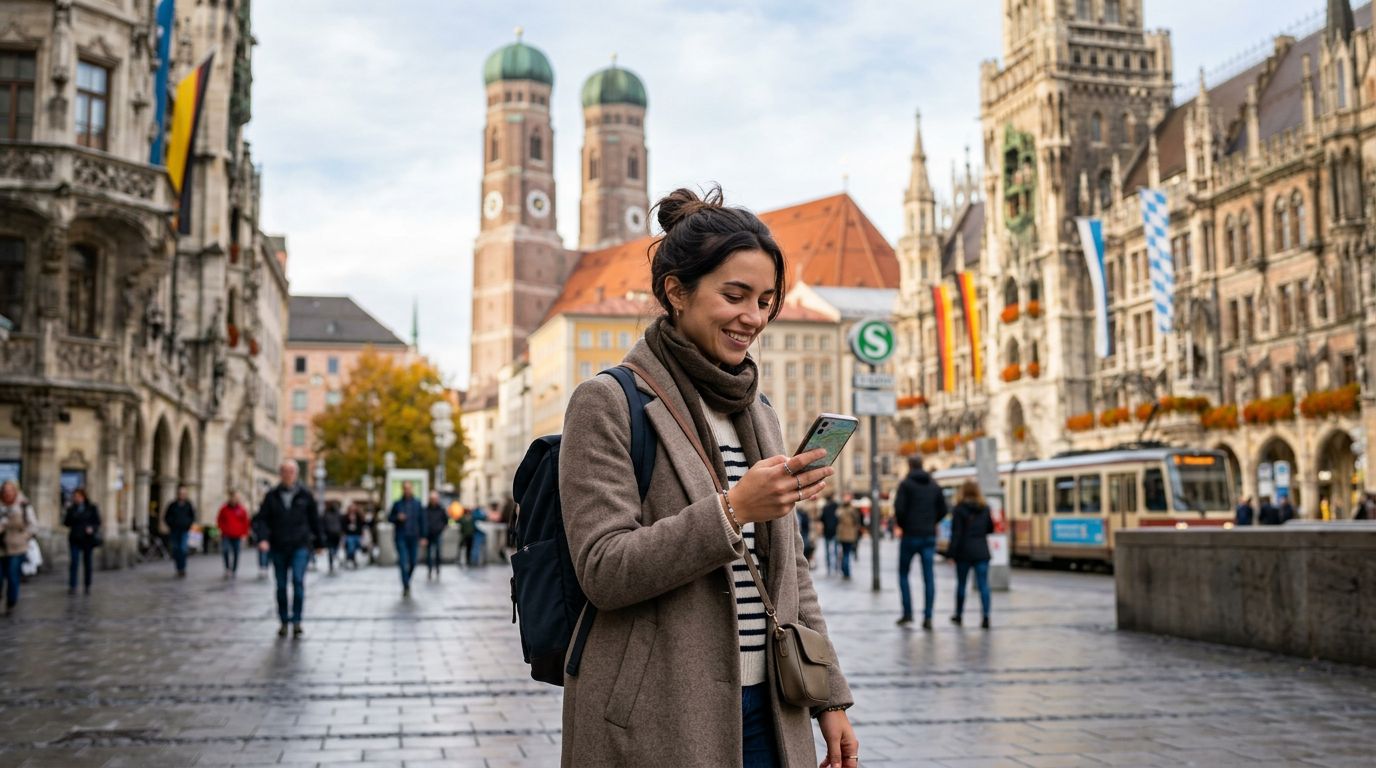
When planning a trip to Germany, staying connected is a top priority for travelers. Whether you are navigating the historic streets of Berlin, checking train schedules for a journey through the Black Forest, or sharing photos of the Bavarian Alps, a reliable internet connection is essential. Many travelers now ask, "does eSIM work in Germany?" The answer is a resounding yes. Germany has fully embraced eSIM technology, and it is widely supported by local telecommunications infrastructure and international providers alike.
An eSIM, or embedded SIM, is a digital version of the traditional physical SIM card. Instead of inserting a small plastic chip into your device, you download a digital profile that connects your phone to a mobile network. Because this technology is built directly into the hardware of modern smartphones, it allows for seamless switching between carriers without the need to visit a physical store or swap out tiny cards that are easy to lose.
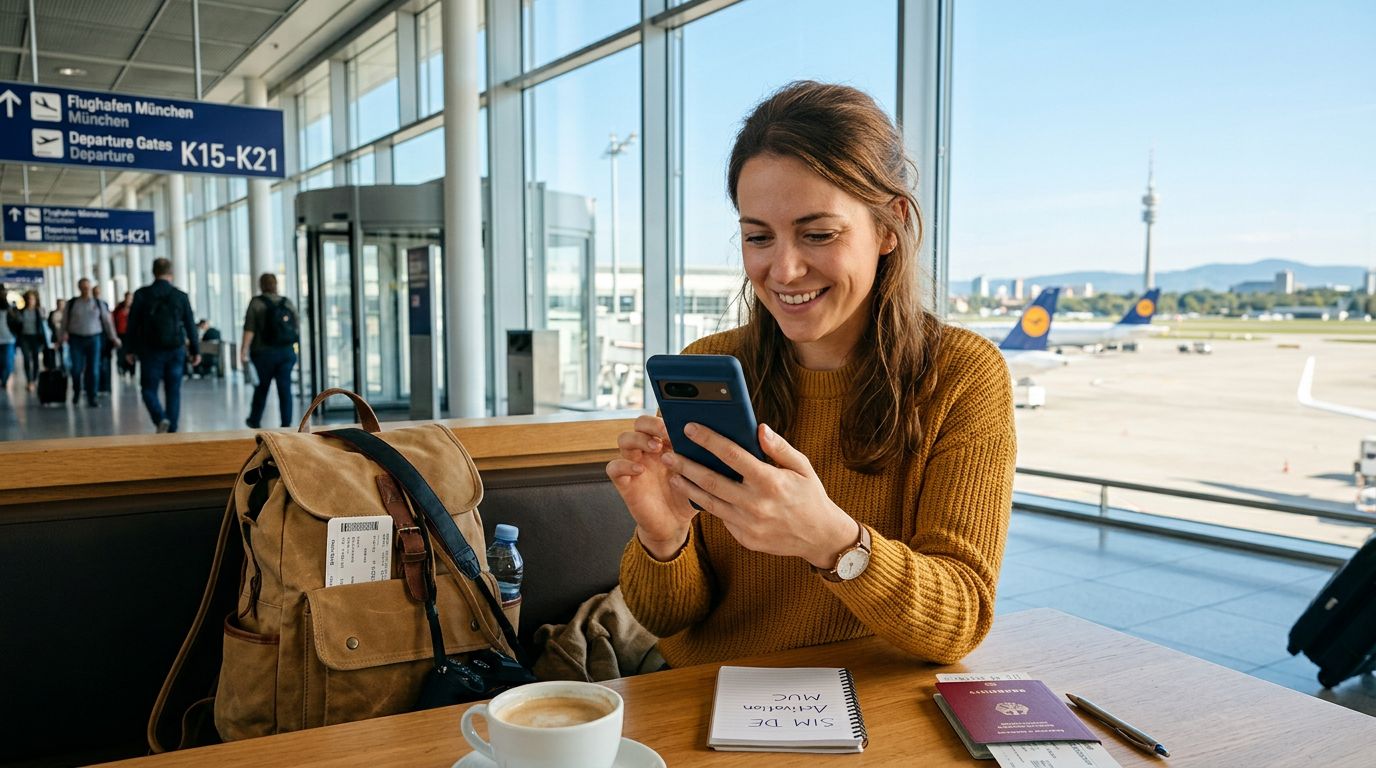
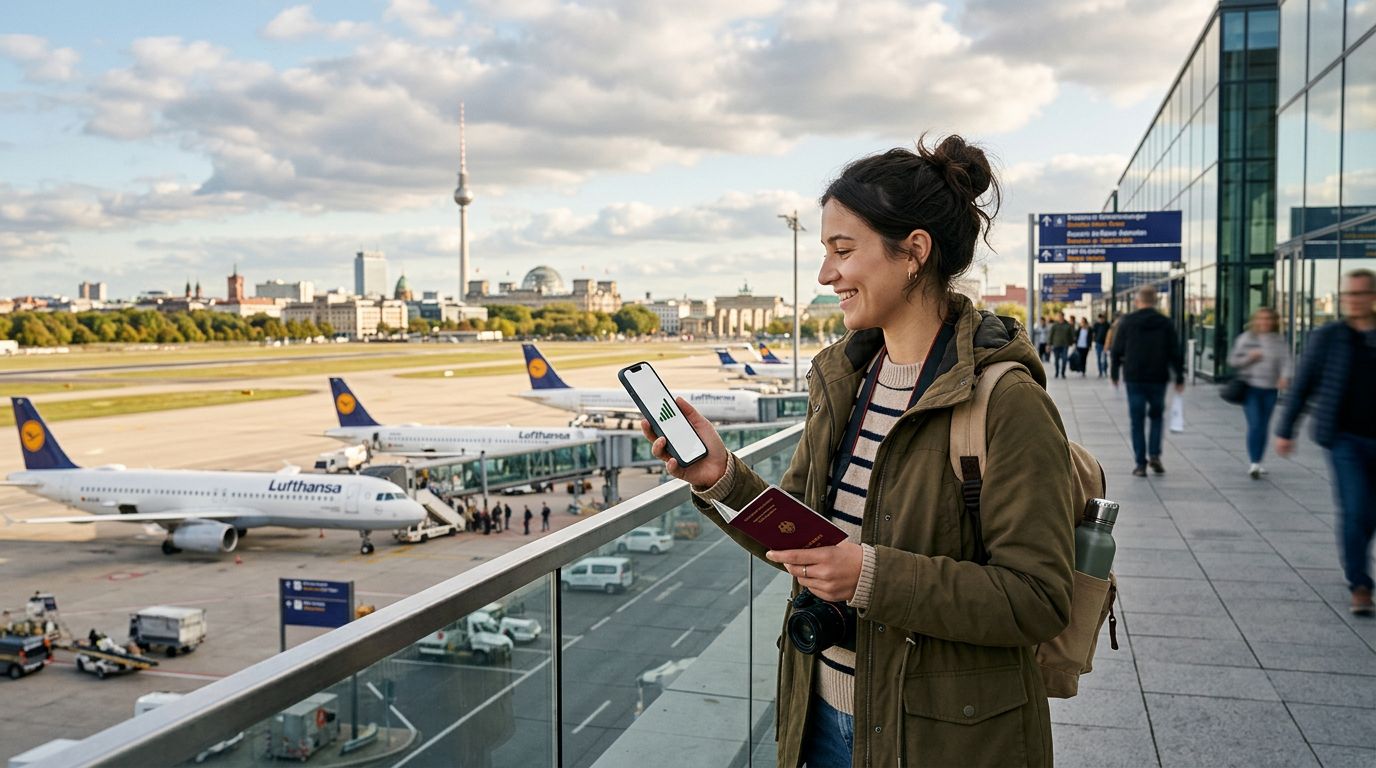
For travelers, this means you can arrive in Germany and have your mobile data ready to go the moment your plane touches down. You no longer have to hunt for a local kiosk at the airport or deal with language barriers while trying to purchase a prepaid physical SIM. As long as your device is carrier-unlocked and eSIM-compatible, you can activate your service before you even leave home.
Compatibility and Device Requirements
Before you rely on an eSIM for your German adventure, you must ensure your smartphone supports the technology. Most smartphones released within the last several years are compatible with eSIMs. This includes the latest models from major manufacturers like Apple and Google. You can verify your device's compatibility by checking the official documentation provided by the manufacturer on their support websites.
To confirm if your phone is ready, look for the "Cellular" or "Connections" settings menu on your device. If you see an option to "Add eSIM" or "Add Cellular Plan," your phone is likely equipped for the technology. It is also critical to ensure that your phone is not "locked" to a specific carrier. If you purchased your phone through a mobile service provider on a contract, it might be restricted to that provider’s network. If your device is locked, it will not accept an eSIM from a different provider, even if the hardware is compatible. You can usually contact your home carrier to request that they unlock your device before you travel.
OneTapSIM provides a straightforward way to manage your connectivity needs once you have verified that your device is compatible. By using a digital service, you avoid the physical limitations of traditional SIM cards, ensuring that your primary phone number remains active for calls or texts while your eSIM handles your data requirements in Germany. This dual-SIM capability is a significant advantage for international travelers who need to stay reachable on their home number while using local data for maps, translation apps, and web browsing.
Benefits of Using an eSIM for Your German Travels
Choosing an eSIM for your trip to Germany offers several practical advantages over traditional roaming or physical SIM cards. The most significant benefit is convenience. With an eSIM, you can manage your connectivity entirely through your phone’s settings. There is no need to carry a paperclip or a specialized tool to open your SIM tray, and you do not have to worry about storing your home SIM card in a safe place where it won't get damaged or lost.
Another major advantage is the ability to activate your service on your own schedule. You can purchase your data plan weeks in advance and activate it the moment you arrive in Germany. This provides immediate access to GPS and ride-sharing services, which are incredibly helpful when navigating a new city. Furthermore, because you are using a digital service, you can often monitor your data usage directly through your device settings or a provider’s app, helping you stay within your limits throughout your trip.
Security is also improved with eSIM technology. Physical SIM cards can be stolen or swapped out by unauthorized parties if a phone is lost. An eSIM is tied to the hardware of your device, making it much harder for someone to remove or tamper with your connection. Additionally, if you are traveling across multiple countries in Europe, many eSIM providers offer regional plans that cover Germany and its neighbors, allowing you to maintain a consistent connection without needing to purchase a new SIM card every time you cross a border.
When you choose a provider like OneTapSIM, you are opting for a streamlined experience designed specifically for the needs of international travelers. By removing the friction associated with traditional mobile connectivity, you can focus more on your itinerary and less on the technicalities of staying online. Whether you are visiting for a short weekend in Munich or a month-long tour of the country's historic landmarks, having a reliable, pre-activated data plan ensures that you can communicate, navigate, and explore with confidence.
Finally, consider the environmental impact. Traditional SIM cards require plastic manufacturing, packaging, and shipping, all of which contribute to waste. By opting for a digital-only solution, you reduce your travel footprint. The transition to eSIM technology is a modern standard that aligns with the needs of the contemporary traveler, offering a blend of efficiency, security, and ease of use that makes it the preferred choice for those visiting Germany. As long as you have a compatible device and a clear plan, you will find that staying connected in Germany is simpler than ever before.
Get an eSIM for
Plans for the destinations covered in this guide, with instant QR delivery.