Understanding Your Connectivity Options in Germany
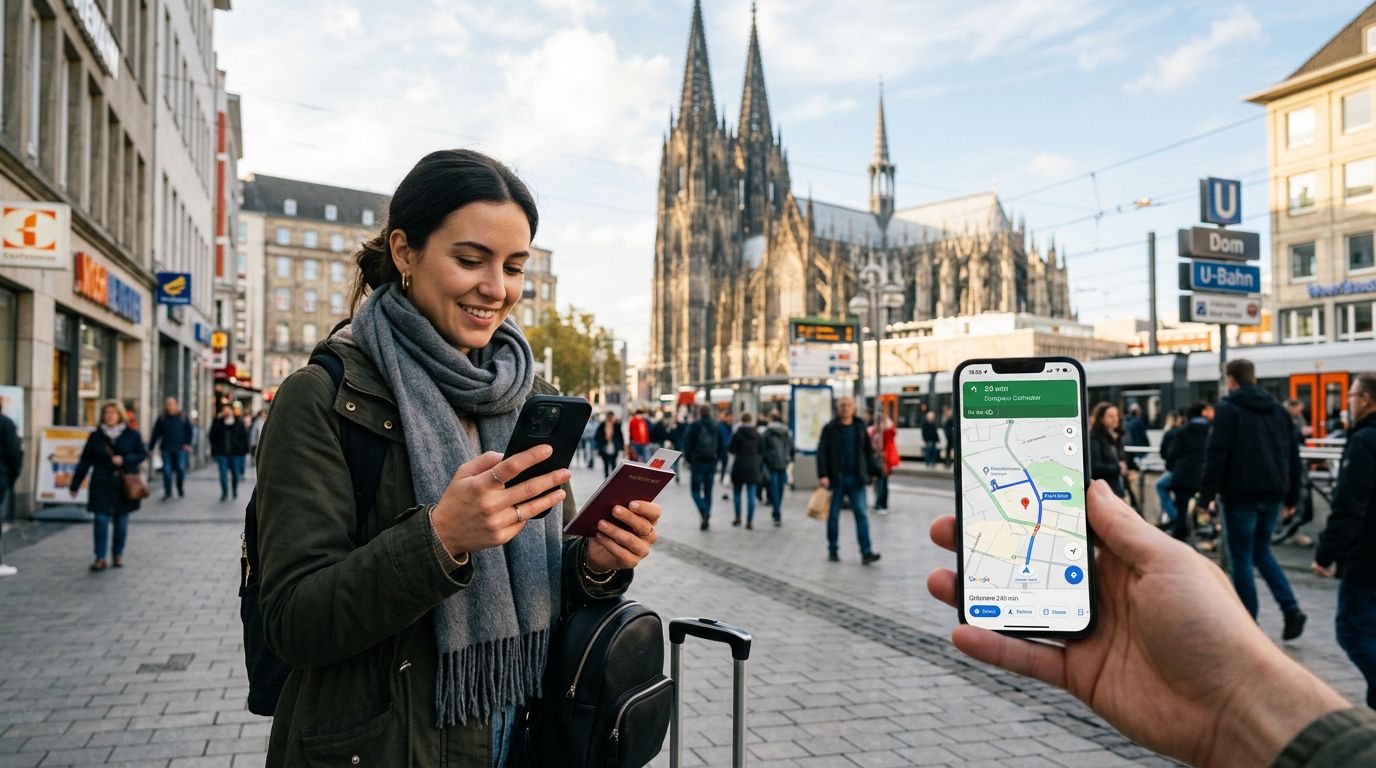
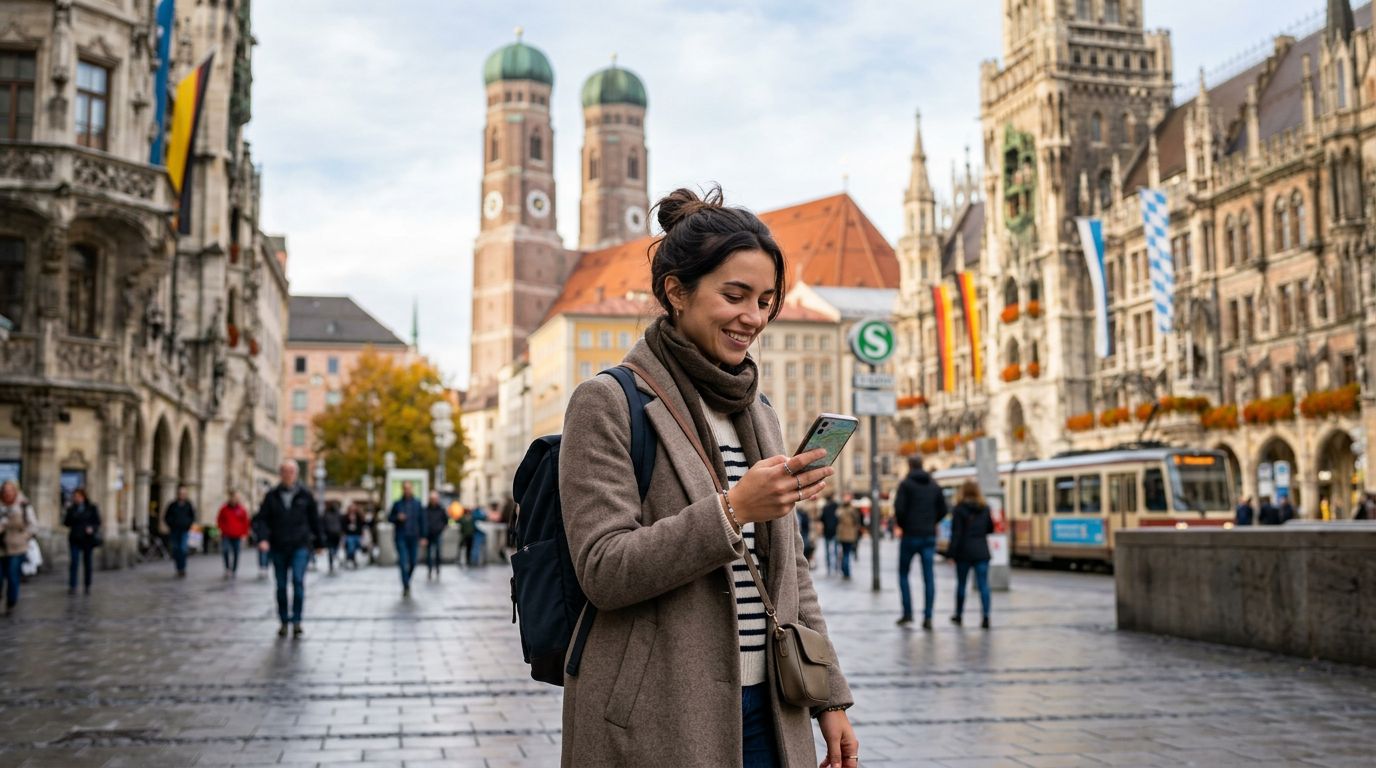
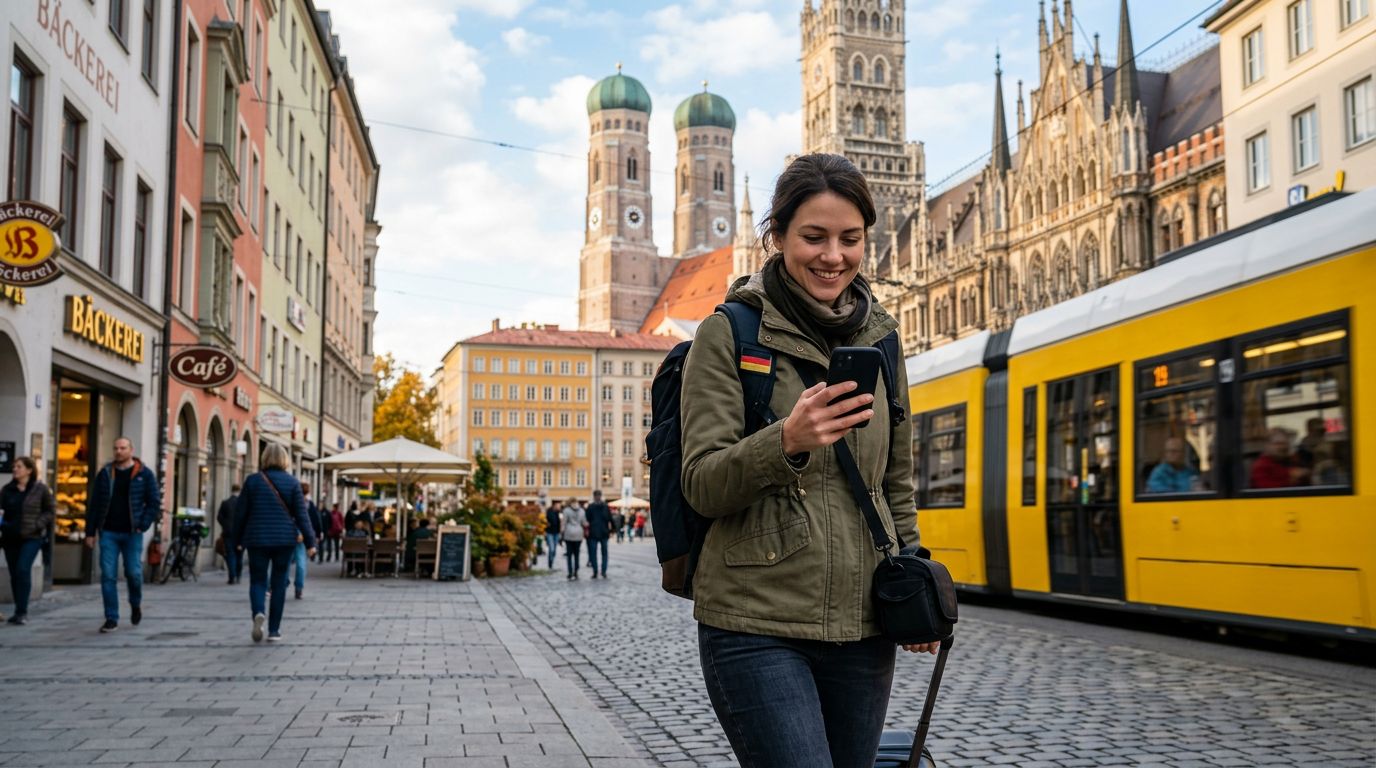
Traveling through Germany offers a blend of historic architecture, efficient public transportation, and sprawling natural landscapes. Whether you are planning to navigate the winding streets of Berlin, board a high-speed train to Munich, or explore the scenic Black Forest, staying connected is essential. Having reliable internet access allows you to use translation tools, check train schedules, and share your experiences in real time.
When arriving in a new country, many travelers search for the best way to get data in Germany. You generally have four primary options: public Wi-Fi, roaming with your home provider, purchasing a physical local SIM card, or using an eSIM.
Public Wi-Fi is available in many cafes, hotels, and train stations. While convenient for checking emails, it is rarely a reliable solution for full-time travel. Public networks can be slow, inconsistent, and often present security risks for your personal data. Relying on them means you might lose your map access exactly when you need to find your way back to your accommodation.
Roaming with your domestic carrier is often the most straightforward path, but it frequently comes with significant drawbacks. Many providers impose strict limits on data usage abroad or charge high fees for daily usage. Furthermore, you are often at the mercy of your home provider’s roaming agreements, which may not prioritize the fastest networks in the region.
The Advantages of eSIM Technology
The emergence of eSIM technology has fundamentally changed how international travelers manage connectivity. An eSIM is a digital version of a traditional physical SIM card that is embedded directly into your device’s hardware. Because it is digital, there is no need to visit a physical store, handle tiny plastic cards, or risk losing your original SIM card while swapping them out.
Most modern smartphones manufactured in recent years support eSIM functionality. To verify if your device is compatible, you can consult the official support pages for your manufacturer, such as those provided by Apple or Google.
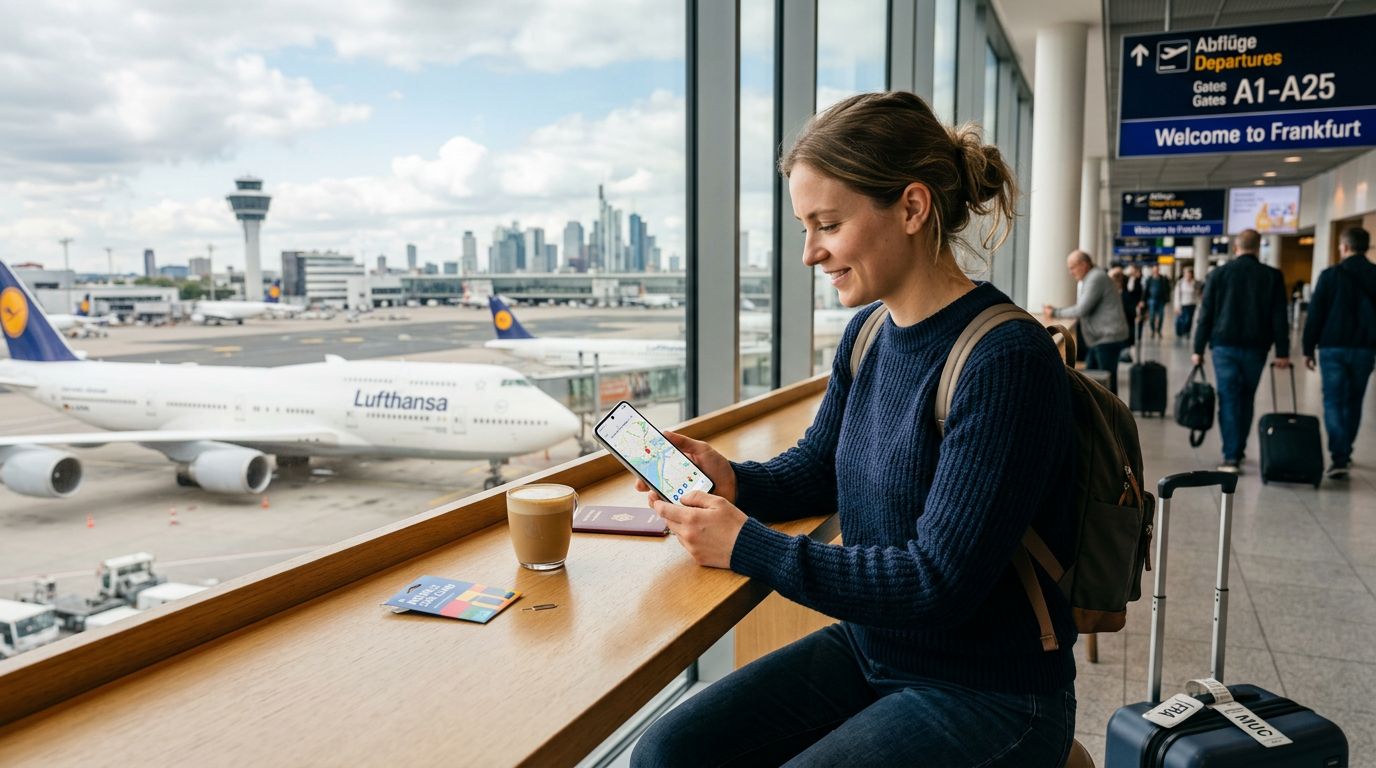
Using an eSIM is often considered the best way to get data in Germany because of the flexibility it offers. With a service like OneTapSIM, you can purchase and activate your data plan before you even board your flight. Once you land at Frankfurt or Munich, your phone connects to the local network automatically. This eliminates the frantic search for a kiosk at the airport and allows you to call an rideshare or check your transit app the moment you step off the plane.
Beyond convenience, eSIMs are environmentally friendly as they eliminate the need for physical plastic production and shipping. They also allow you to keep your primary phone number active for calls and texts while using your eSIM specifically for data, ensuring you stay reachable while avoiding the high costs associated with traditional international roaming.
How to Choose and Activate Your Data Plan
Selecting the right data plan requires a quick assessment of your typical usage habits. If you primarily use your phone for navigation, messaging, and occasional web browsing, a moderate data package will suffice. If you plan on streaming high-definition video, uploading large files, or participating in video calls while on the move, you should look for plans that offer higher data caps.
The activation process is designed to be seamless. Once you select a plan, you will typically receive a QR code or an activation link. You can add the plan to your device settings under the "Cellular" or "Mobile Data" section. Once added, you can toggle the eSIM on as soon as you arrive in Germany.
OneTapSIM simplifies this process by providing clear, step-by-step instructions that ensure your device is configured correctly before you reach your destination. By setting up your digital SIM in advance, you avoid the common pitfalls of local physical SIM cards, such as language barriers at retail counters or the need to register your identity with local authorities, which can sometimes be a cumbersome process in Germany.
When you arrive, ensure that "Data Roaming" is toggled on for your eSIM profile. This does not mean you are roaming on your home carrier; rather, it allows the eSIM to communicate with the local German towers. Your device will treat the eSIM as a local connection, providing you with stable, high-speed internet access throughout your trip.
Tips for Managing Data Usage While Traveling
Even with a robust data plan, it is helpful to manage your usage to ensure you stay connected throughout your entire stay. Many modern smartphones have built-in features that allow you to track how much data individual apps are consuming.
To extend your data, consider downloading offline maps for the cities you plan to visit. Navigation apps often allow you to save large areas for offline use, which saves significant amounts of data while you are walking or driving. Similarly, if you use music or podcast streaming services, download your content while connected to a stable hotel Wi-Fi network so you can listen without using your mobile data during your travels.
Another tip is to adjust your app settings to prevent automatic updates. Most operating systems allow you to restrict app downloads and updates to Wi-Fi only. By making these minor adjustments, you can ensure that your data plan is dedicated to the tasks that matter most, such as finding the best local restaurants or sharing photos of your journey with friends and family.
Ultimately, the best way to get data in Germany is to prepare in advance with a solution that offers reliability and ease of use. By opting for an eSIM, you gain the freedom to explore without the stress of searching for connectivity. Whether you are visiting for a weekend or an extended vacation, having a digital plan ensures that your focus remains on experiencing the culture, history, and beauty of Germany rather than worrying about your phone settings.
Get an eSIM for
Plans for the destinations covered in this guide, with instant QR delivery.