Understanding Your Connectivity Options in Georgia
Planning a trip to Georgia involves balancing ancient history, stunning mountain landscapes, and vibrant city life in Tbilisi. Whether you are trekking through the Caucasus Mountains or exploring the wine regions of Kakheti, staying connected is essential for navigation, translation, and sharing your journey. When deciding between a traditional physical SIM card and a modern eSIM, it is important to weigh the convenience of digital technology against the familiarity of physical hardware.
A physical SIM card requires you to visit a local provider, present your passport, and physically swap out your existing card. This process can be time-consuming, especially if you arrive at an airport during peak hours or late at night when kiosks might be busy or closed. You also run the risk of losing your original home SIM card, which is a small and easily misplaced item.
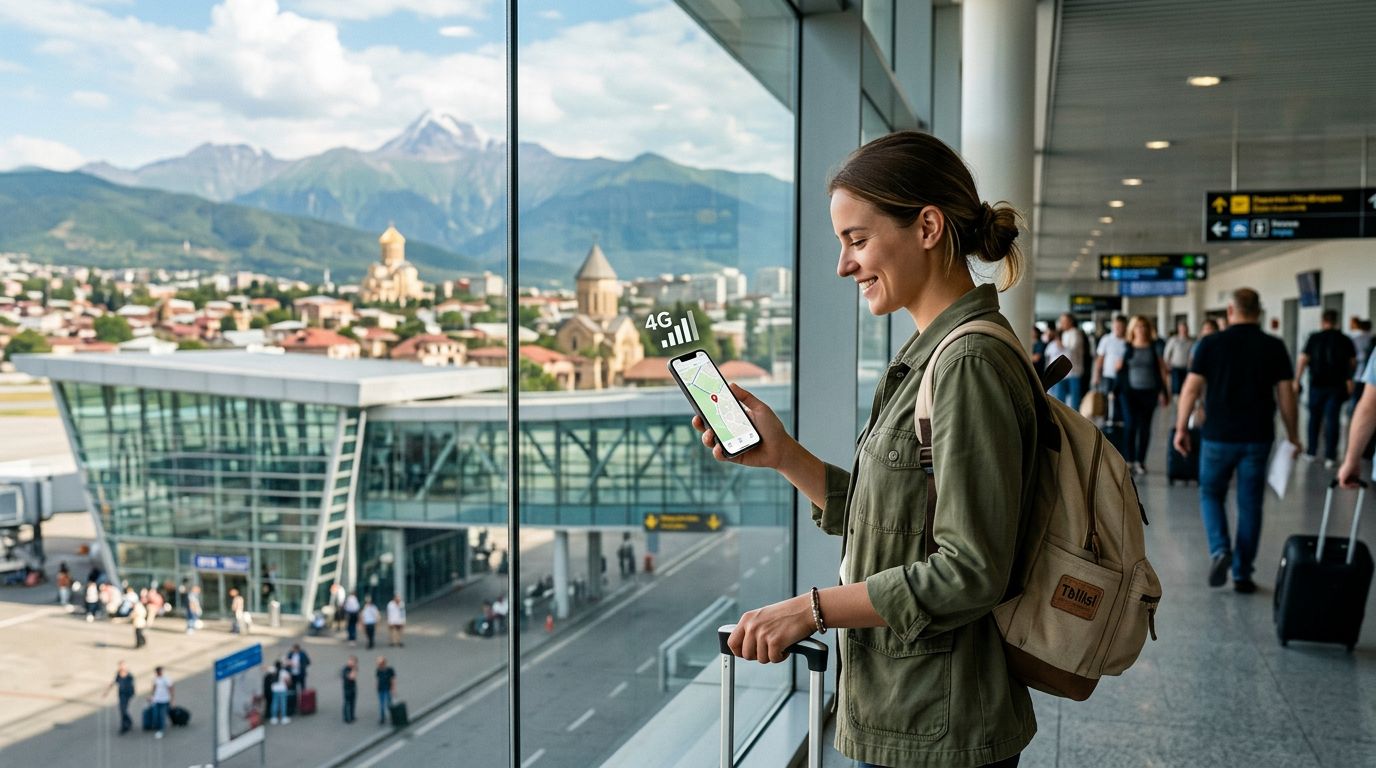
An eSIM, or embedded SIM, functions as a digital version of a physical card. It is built directly into the hardware of modern smartphones. By using a service like OneTapSIM, you can activate your data plan before you even board your plane. This eliminates the need to hunt for a store upon arrival, allowing you to step off the aircraft with immediate access to maps and ride-sharing applications.
Comparing Convenience and Reliability
The primary reason travelers choose between a Georgia SIM card vs eSIM is the difference in setup speed. With a physical SIM, you are tethered to the operating hours of local telecom shops. While Georgia has a well-developed mobile infrastructure, finding a store in a remote village or a small town can be difficult if you run out of data or experience technical issues.
eSIM technology offers a seamless experience. Once you purchase your plan, you receive a QR code or an activation link. The setup process is handled through your phone’s settings menu. Because the eSIM is digital, you do not have to worry about the physical degradation of a chip or the frustration of trying to insert a tiny card into a tray using a paperclip or a specialized tool.
Reliability is another factor. Physical SIM cards can sometimes suffer from poor contact points, leading to intermittent signal drops. An eSIM is integrated into the device's circuitry, which generally provides a more stable connection. Furthermore, using an eSIM allows you to keep your primary home SIM card active in your phone. This is a significant advantage if you need to receive important text messages or two-factor authentication codes from your bank or home service providers while traveling abroad. You can simply toggle between your home line and your travel data line within your phone settings.
Compatibility and Device Requirements
Before choosing your connectivity method, you must ensure your device is capable of supporting the technology. Most smartphones released in the last few years are compatible with eSIMs. You can verify this by checking your device manufacturer's support pages. If your phone is carrier-locked to your home provider, you may be unable to use a local physical SIM or an eSIM from a third-party provider. It is vital to ensure your device is unlocked before you depart for your trip.
If your device is older or does not support eSIM technology, a physical SIM card remains your only option. However, for those with modern hardware, the transition to eSIM is usually permanent once they experience the ease of use. OneTapSIM provides a streamlined interface that helps you manage your data usage throughout your trip, ensuring you do not run out of connectivity while navigating the winding streets of Old Tbilisi or the remote trails of Svaneti.
When you choose an eSIM, you are also opting for a more sustainable travel choice. Physical SIM cards are made of plastic and often come in large, wasteful packaging. By choosing a digital-only solution, you reduce the amount of plastic waste generated during your travels. This aligns with the growing trend of eco-conscious tourism, where travelers look for ways to minimize their environmental footprint while exploring new destinations.
Making the Final Decision
When evaluating the Georgia SIM card vs eSIM debate, consider the length of your stay and your itinerary. If you are visiting for a short period and want to maximize your time sightseeing rather than standing in line at a mobile kiosk, an eSIM is the superior choice. It provides instant connectivity, keeps your home SIM safe, and avoids the hassle of physical hardware.
If you are planning an extended stay of several months, you might find that a local contract with a physical SIM card offers specific benefits, such as a local phone number for long-term residency or specific domestic services. However, for the vast majority of tourists, digital nomads, and short-term visitors, the flexibility of an eSIM provides a better overall experience.
Ultimately, your choice should prioritize peace of mind. The ability to land in a foreign country and have your phone connect to the local network automatically is a significant benefit. By preparing your connectivity in advance with a provider like OneTapSIM, you remove one of the most common stressors of international travel. You can focus on the unique flavors of Georgian cuisine, the hospitality of the local people, and the breathtaking views of the Caucasus, knowing that your digital connection is handled efficiently and reliably. Whether you opt for the traditional route or embrace the digital shift, ensure your device is ready, your plan is active, and your phone is unlocked before you begin your adventure in Georgia.
Get an eSIM for
Plans for the destinations covered in this guide, with instant QR delivery.