Understanding eSIM Compatibility in Vietnam
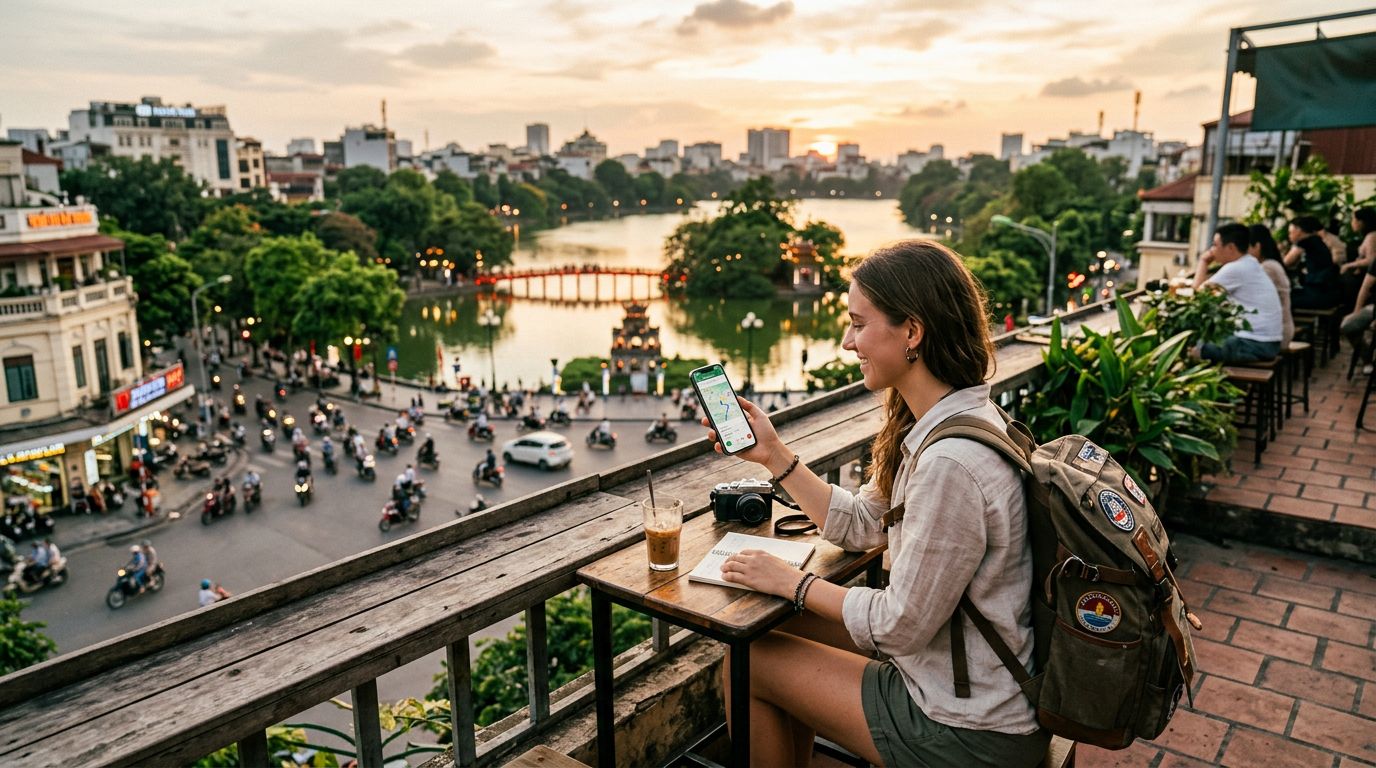
If you are planning a trip to Southeast Asia, you might be wondering, "does eSIM work in Vietnam?" The short answer is yes. Vietnam has rapidly modernized its telecommunications infrastructure, and eSIM technology is now widely supported by major local network providers. Whether you are wandering through the bustling streets of Hanoi, exploring the limestone karsts of Ha Long Bay, or relaxing on the beaches of Da Nang, staying connected is easier than ever before.
An eSIM, or embedded SIM, is a digital version of the physical plastic SIM card you have used for years. Instead of inserting a chip into your phone, you simply scan a QR code or enter activation details provided by your service provider. Because the chip is built directly into your device’s motherboard, you do not need to worry about losing a tiny piece of plastic or fumbling with a SIM ejector tool at the airport.
For travelers, this technology is particularly beneficial. You can keep your primary home number active for essential calls or texts while using a secondary eSIM profile for local data. This setup prevents the common headache of swapping cards and risking the loss of your original SIM. As long as your smartphone is carrier-unlocked and supports eSIM functionality, you can enjoy seamless connectivity the moment you touch down in Vietnam.
Checking Your Device Readiness
Before you purchase an eSIM, you must verify that your specific smartphone model is compatible. Most modern flagship devices released in the last few years support this technology. Generally, if you own a high-end smartphone from a major manufacturer produced after 2018, it is highly likely that your device is eSIM-ready.
To confirm this, you can check your phone’s settings menu. On an iPhone, navigate to the settings app, select cellular, and look for an option to add an eSIM or a cellular plan. If you see this option, your device is ready to go. Android users can typically find this information under the network or connections menu within their device settings. If you are still unsure, you can search for your specific device model on the official support pages for Apple or Google to see the technical specifications regarding eSIM support.
It is also critical to ensure that your phone is not locked to a specific carrier. Many mobile providers sell phones that are restricted to their own network. If your device is locked, it will not accept an eSIM from a different provider, even if the hardware is compatible. If you are unsure about your device's status, contact your home carrier before your trip to request an unlock. Once your device is unlocked and confirmed to be eSIM-compatible, you are ready to set up your digital connection for Vietnam.
Advantages of Using OneTapSIM in Vietnam
When traveling abroad, the convenience of having data available immediately upon arrival cannot be overstated. Relying on airport Wi-Fi or searching for a local kiosk can be stressful and time-consuming. By setting up your connection before you leave home, you ensure that you have access to navigation apps, ride-sharing services, and translation tools the second you land.
OneTapSIM offers a streamlined experience for travelers heading to Vietnam. The process is designed to be straightforward, allowing you to manage your data needs without the complexity of traditional roaming agreements. Because you are using a digital profile, you avoid the need to visit a physical store or wait in line at an airport kiosk. This is especially helpful if you arrive late at night or at a smaller regional airport where local SIM vendors might not be available.
Furthermore, using a dedicated travel eSIM helps you manage your data usage more effectively. You can monitor your consumption through your phone’s settings, ensuring you do not exceed your limits while streaming maps or uploading photos of your journey. By choosing a reliable service like OneTapSIM, you gain the peace of mind that comes with a stable connection, allowing you to focus on the sights, sounds, and flavors of Vietnam.
Tips for a Smooth Connectivity Experience
To make the most of your eSIM while traveling, there are a few best practices to follow. First, ensure you have a stable internet connection when you initially download and activate your eSIM profile. While you can often purchase the eSIM before you leave, the final activation step usually requires a brief connection to the internet. Doing this at home or at your hotel before you head out for the day is the safest approach.
Once you arrive in Vietnam, your phone should automatically detect the local network. If it does not, you may need to toggle your data roaming settings. Remember that your eSIM is for data, so ensure that your phone is configured to use the eSIM for "Cellular Data" while keeping your primary SIM for voice calls if needed. You can easily switch between these profiles in your phone’s settings menu at any time.
It is also wise to keep your physical SIM card safe if you choose to keep it in your phone. Some travelers prefer to turn off their primary SIM entirely to avoid accidental roaming charges from their home provider. If you choose this route, simply disable the primary line in your cellular settings and leave the eSIM enabled. This simple configuration ensures that you are only using the data plan you purchased, keeping your costs predictable and your connectivity consistent throughout your entire trip.
By taking these steps, you eliminate the uncertainty of international roaming and the inconvenience of physical cards. Whether you are navigating the complex streets of Ho Chi Minh City or taking a quiet boat ride in the Mekong Delta, having a reliable eSIM ensures that you stay connected to what matters most. With your device prepared and your eSIM installed, you are ready to explore Vietnam with confidence.
Get an eSIM for
Plans for the destinations covered in this guide, with instant QR delivery.