Understanding the Connectivity Landscape in Syria
Traveling to Syria requires meticulous planning, especially when it comes to staying connected. For many modern travelers, the convenience of an eSIM has become the gold standard for international roaming. However, the telecommunications infrastructure in Syria presents unique challenges that differ significantly from other popular travel destinations. When asking, "does eSIM work in Syria," the answer is nuanced. While the technology itself is supported by many modern smartphones, the availability of local carrier support for eSIM profiles is limited compared to Western markets.
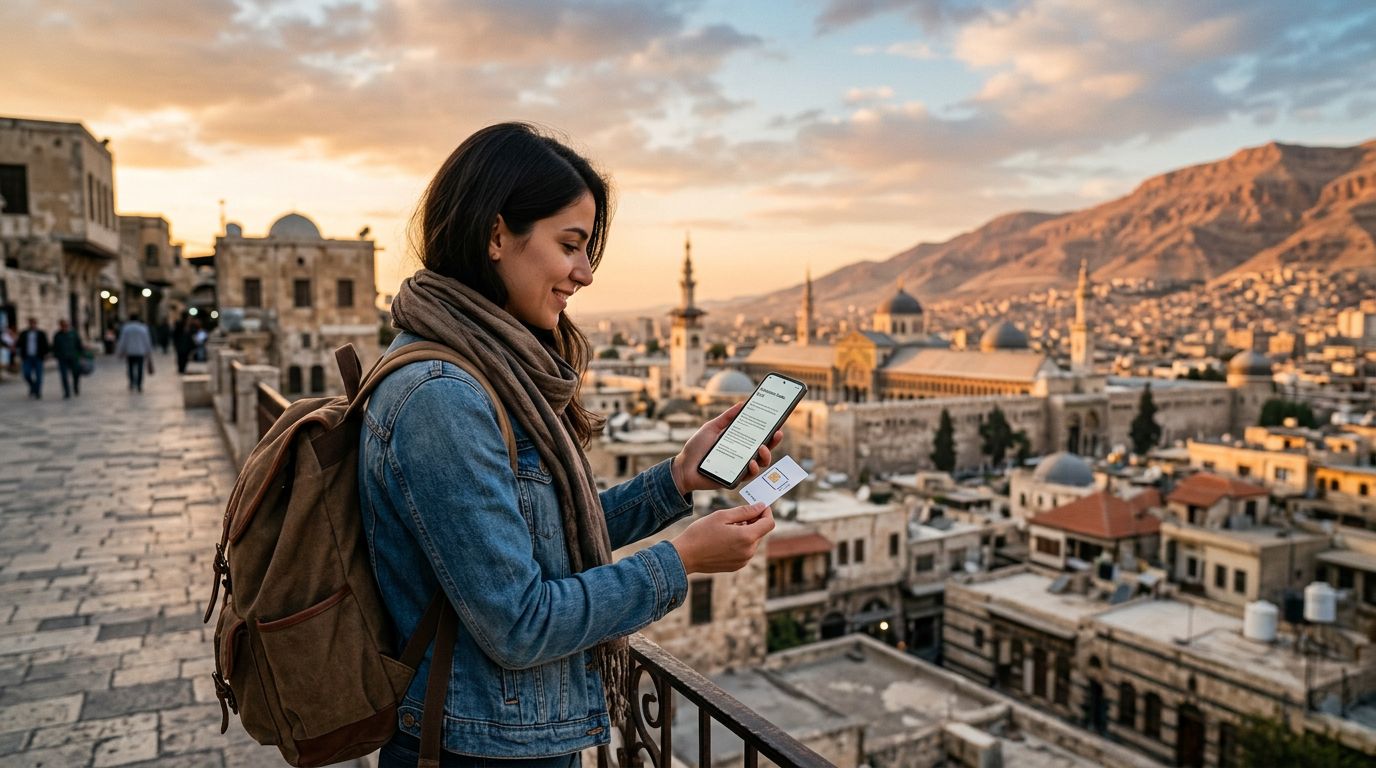
Syria’s mobile network is primarily dominated by two major state-affiliated operators. These providers have historically relied on physical SIM cards to manage their subscriber base. While there have been gradual shifts toward digital infrastructure, the widespread adoption of eSIM technology for tourists remains in its infancy. Most travelers arriving in Syria will find that purchasing a physical local SIM card at the airport or an authorized retail outlet is the most reliable method for obtaining cellular data.
If you are a traveler who relies heavily on your home carrier’s roaming capabilities, you should check your provider’s specific roaming agreements with Syrian networks before your departure. International roaming via a home-country eSIM can sometimes be activated, but it is often subject to strict limitations, high latency, or restricted access to specific data services. Because of these complexities, relying solely on your primary eSIM profile might leave you without a signal in critical moments.
Challenges for eSIM Users in the Region
The primary hurdle for using an eSIM in Syria is the lack of seamless integration between international eSIM providers and local Syrian network infrastructure. Many global eSIM platforms—including those offered by OneTapSIM—often rely on roaming agreements with major international carriers to provide coverage. In regions with complex political or economic landscapes, these roaming agreements are frequently restricted or entirely unavailable.
Furthermore, the activation process for an eSIM requires a stable internet connection to download the profile to your device’s eUICC chip. If you arrive in Syria without prior connectivity, you will be unable to download or activate a new eSIM profile. This creates a "chicken and egg" scenario where you need data to get the eSIM, but you need the eSIM to get the data. While some travelers attempt to set up their eSIM while still in their home country, the lack of roaming partners in Syria means that even a perfectly installed profile may fail to register on a local tower once you land.
Another factor to consider is the registration requirement. Syrian law often mandates that mobile subscribers register their identity using official documentation, such as a passport, when acquiring a new line. Digital eSIM platforms that operate globally may not have the legal framework or the local presence to facilitate this mandatory registration process remotely. Consequently, even if your phone is technically "eSIM ready," the local network may reject your device’s connection request because it lacks the necessary local subscriber validation.
How to Stay Connected Effectively
If you are planning a trip to Syria and want to minimize connectivity issues, the most effective strategy is to combine preparation with traditional methods. First, ensure your device is unlocked. Regardless of whether you intend to use a local physical SIM or an eSIM, a carrier-locked phone will prevent you from accessing any network other than your home provider. You can verify your device status through your manufacturer’s support resources if you are unsure.
For those who prioritize the convenience of OneTapSIM for other legs of their journey, we recommend keeping your OneTapSIM profile active for transit countries or neighboring regions where it is fully supported. However, once you cross the border into Syria, be prepared to transition to a local physical SIM card. This is currently the most robust way to ensure you have a reliable signal for navigation, messaging, and emergency communication.
When you arrive, look for official kiosks or retail shops operated by the primary local telecommunications providers. These locations are equipped to handle the necessary identity verification and can provide you with a physical SIM card that is pre-configured for the local network. While this requires a bit more effort than the "one-tap" convenience of an eSIM, it is currently the only way to guarantee consistent data access throughout the country.
Finally, consider the role of offline tools. Because connectivity can be intermittent, download offline maps, translation dictionaries, and essential travel documents before you leave your hotel or a location with reliable Wi-Fi. Many travelers find that relying on offline resources for the bulk of their daily needs reduces the pressure to maintain a constant cellular connection. By treating mobile data as a secondary utility rather than a primary requirement, you can enjoy your travels in Syria with significantly less stress.
While the technology for eSIMs is advancing globally, it is important to manage your expectations for this specific destination. Always check for the latest updates from your connectivity provider before you depart, but prioritize having a backup plan that involves local physical alternatives. By staying informed and prepared, you can navigate the connectivity landscape of Syria effectively, ensuring you remain reachable when it matters most.