Understanding Connectivity in Chad
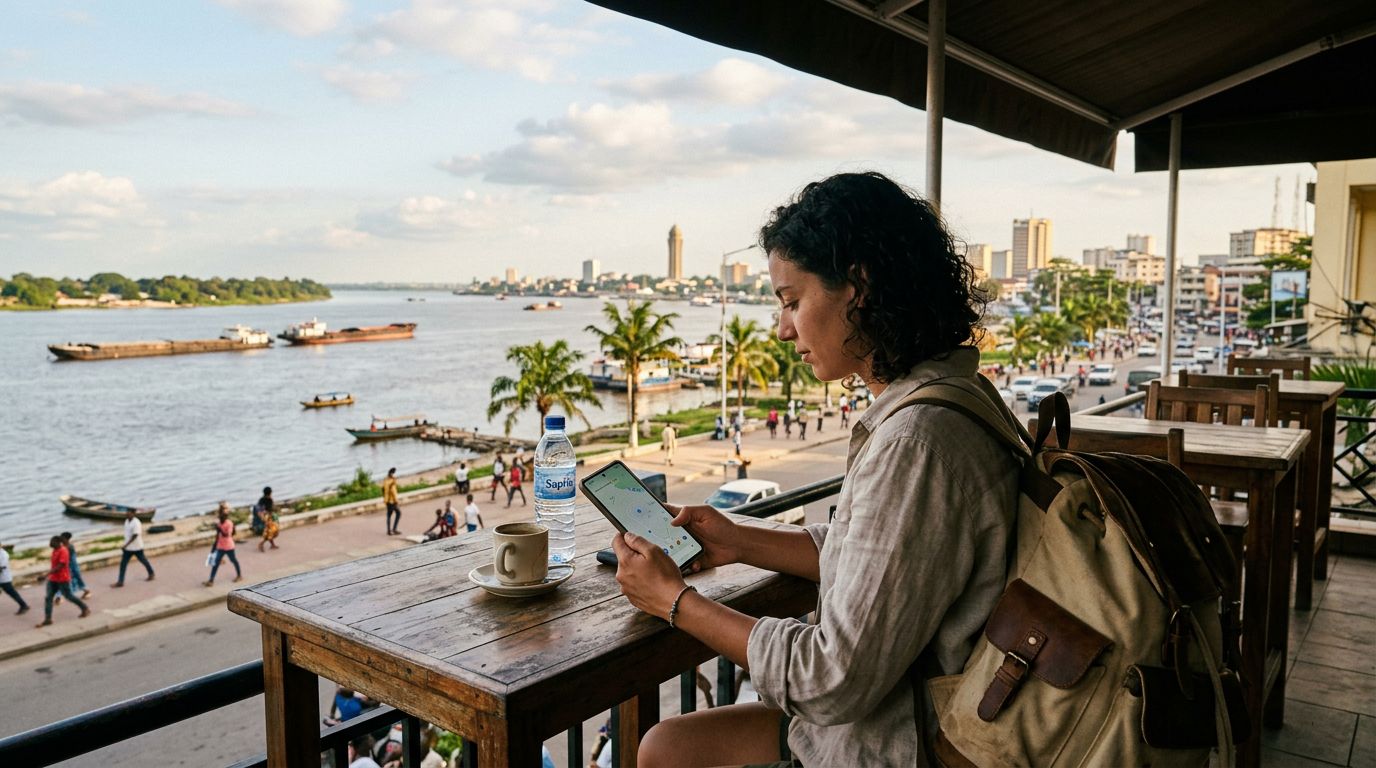
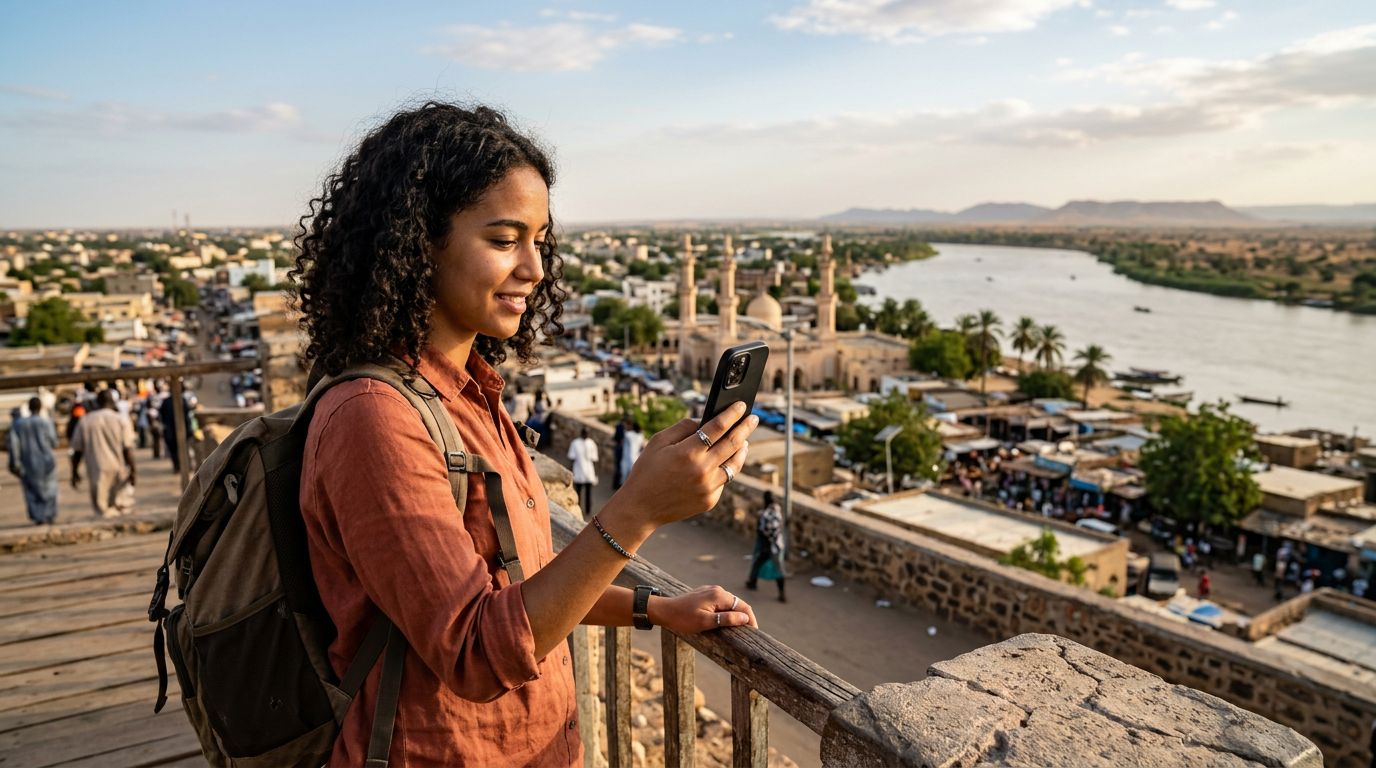
Traveling to Chad offers a unique experience, from the stunning landscapes of the Ennedi Plateau to the vibrant culture of N'Djamena. However, staying connected in a country where infrastructure is still developing requires careful planning. Many travelers often wonder: does eSIM work in Chad? The short answer is yes, but the landscape of mobile connectivity here is distinct from what you might find in Europe or North America.
Chad relies primarily on a few major telecommunications providers. While physical SIM cards have been the standard for years, the adoption of eSIM technology is gradually changing how international visitors manage their data. An eSIM, or embedded SIM, allows you to activate a cellular plan without needing to insert a physical card into your device. For travelers, this means you can switch to a local or regional data plan without removing your home SIM card, effectively keeping your primary number active for essential calls or texts while using a secondary data-only eSIM for browsing, maps, and communication apps.
When you arrive in Chad, having a reliable data connection is essential for safety and navigation. Whether you are coordinating with local guides or checking your itinerary, having a digital solution like OneTapSIM ensures that you are not left searching for a physical kiosk at the airport after a long flight. By setting up your connectivity before you depart, you gain peace of mind knowing that your device will be ready to connect the moment you land.
How eSIM Technology Functions for Travelers
To understand if an eSIM is the right choice for your trip to Chad, it helps to know how the technology integrates with your smartphone. Most modern smartphones manufactured in the last few years are equipped with eSIM capabilities. This hardware allows the phone to store multiple carrier profiles simultaneously. When you purchase a plan through a provider like OneTapSIM, you receive a digital profile that you install via a QR code or manual entry.
Once installed, your phone treats the eSIM as a separate line. You can designate which line is used for cellular data, which is particularly useful when traveling abroad. By setting your eSIM as the primary source for data, you avoid the high roaming charges often associated with using your home carrier’s network in Central Africa.
One of the primary benefits of using an eSIM in a region like Chad is the ability to manage your connectivity entirely through your device settings. You do not need to worry about finding a local shop, providing identification documents in a foreign language, or dealing with the physical fragility of a plastic SIM card. If you are traveling through multiple countries in the region, some eSIM providers offer regional plans that can cover your connectivity needs across borders, simplifying the process of staying online as you move from one location to the next.
Before you travel, it is vital to ensure your device is compatible. You can check your phone’s settings to see if it supports eSIM functionality. If you are using an iPhone, you can find this information in your device settings under the cellular section. Similarly, Android users can check their network settings to confirm if an "Add eSIM" or similar option is available. If your device is locked to a specific carrier, you may need to contact them to request an unlock before you can use an eSIM from a third-party provider.
Tips for a Seamless Connection in Chad
Connectivity in Chad can be intermittent, especially as you move away from urban centers like N'Djamena. While an eSIM provides a convenient way to access data, it is important to manage your expectations regarding network coverage. In remote areas, even the best local networks may experience signal drops. To make the most of your OneTapSIM experience, consider these practical steps.
First, download any necessary offline maps before you leave your hotel or a location with stable Wi-Fi. Applications like Google Maps allow you to save large areas for offline use, which is a lifesaver when you are traveling through the desert or rural regions where cellular towers are sparse. Having these maps ready ensures that you can still navigate even if your data connection fluctuates.
Second, be mindful of your data usage. High-definition video streaming and automatic cloud backups can consume your data allowance quickly. Adjust your phone settings to restrict background data usage for non-essential applications. By prioritizing data for navigation, messaging, and translation tools, you ensure that your eSIM plan lasts for the duration of your trip.
Third, keep a portable power bank with you. Searching for a signal can drain your phone’s battery faster than usual. Having a reliable power source ensures that your phone remains active, allowing you to stay connected when you need it most.
Finally, consider the timing of your activation. While many eSIMs can be activated upon arrival, it is often best to install the profile while you still have a stable internet connection at home or at your departure airport. Once the profile is installed, you can simply toggle it on when you land in Chad. This proactive approach removes the stress of trying to configure settings in a busy, unfamiliar airport environment.
By choosing a digital connectivity solution, you simplify the logistics of your journey. While Chad presents a unique environment for mobile users, modern technology has made it easier than ever to stay in touch with the world. With a bit of preparation and the right tools, you can enjoy your travels with the confidence that your digital connection is handled. Whether you are exploring the historical sites of the capital or venturing into the vast landscapes of the north, having a reliable data plan keeps you informed and secure throughout your adventure.
Get an eSIM for
Plans for the destinations covered in this guide, with instant QR delivery.