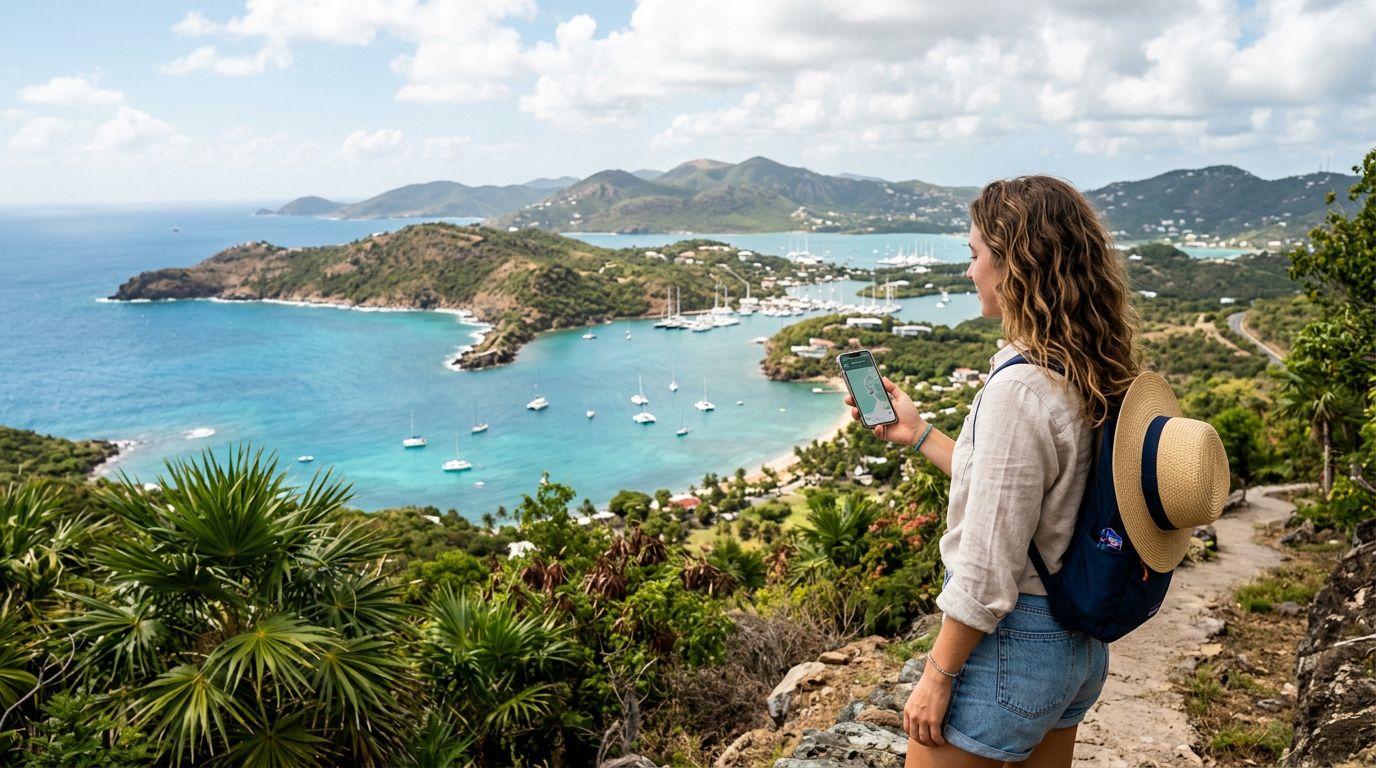
The British Virgin Islands are a dream destination for travelers seeking crystal-clear waters, white sandy beaches, and a serene Caribbean escape. Whether you are sailing between Tortola and Virgin Gorda or lounging on the shores of Jost Van Dyke, staying connected is often a priority. Many travelers wonder, does eSIM work in the British Virgin Islands? The short answer is yes, but understanding how to manage your connectivity before you arrive can save you from the frustration of expensive roaming fees or the hassle of finding a local physical SIM card upon landing.
Understanding eSIM Technology for Caribbean Travel
An eSIM, or embedded SIM, is a digital version of the traditional plastic SIM card that has been a staple of mobile technology for decades. Instead of needing to physically insert a chip into your device, an eSIM is downloaded directly to your phone’s internal hardware. This technology has revolutionized international travel because it allows you to switch between networks or add a local data plan without removing your home SIM card.
For travelers heading to the British Virgin Islands, the primary advantage of using an eSIM is convenience. When you arrive at the airport or pull into a marina, your phone can automatically connect to a local network if you have pre-installed an eSIM profile. This eliminates the need to visit a local mobile store, wait in lines, or deal with the language barriers that can sometimes occur when trying to purchase a physical card in a foreign territory.
Most modern smartphones, including recent models from major manufacturers, support eSIM functionality. Before you purchase a plan, it is essential to ensure your device is unlocked by your home carrier. If your phone is locked to a specific network provider, it will not be able to accept an eSIM from a third-party service, regardless of the destination. You can verify your device compatibility by checking the settings menu on your phone or visiting the official support pages for your device manufacturer.
Connectivity Challenges in the British Virgin Islands
The British Virgin Islands consist of over 60 islands and cays, which creates a unique challenge for mobile infrastructure. While the main islands like Tortola and Virgin Gorda have relatively robust network coverage, the more remote or uninhabited islands may experience spotty service. When you rely on traditional roaming through your home carrier, you are often at the mercy of whatever roaming agreements your provider has in place, which can lead to inconsistent speeds and unpredictable connectivity.
By choosing a dedicated travel eSIM, you are often tapping into local network partnerships that are specifically designed for data roaming. This approach typically provides a more reliable experience than standard international roaming. OneTapSIM offers profiles that are optimized for these specific regions, ensuring that your device prioritizes the strongest available signal.
Another factor to consider is the nature of your trip. If you are staying at a resort with high-speed Wi-Fi, you might find that you only need mobile data for navigation, checking ferry schedules, or sharing photos while out on the water. An eSIM allows you to manage your data usage effectively. You can keep your primary number active for essential calls or texts while using the eSIM data plan for all your internet-based activities, such as using maps or messaging apps. This "dual-SIM" setup is the gold standard for modern travelers who need to stay reachable while avoiding the high costs associated with traditional roaming.
How to Set Up Your eSIM for a Seamless Trip
Preparing your connectivity before you leave home is the most effective way to ensure a stress-free arrival. The process of setting up an eSIM is straightforward and generally takes only a few minutes. Once you have selected a plan that covers the British Virgin Islands, you will receive a QR code or an activation code.
To install the eSIM, navigate to the cellular or mobile data settings on your smartphone. Select the option to add a new plan or add an eSIM. You will be prompted to scan the QR code provided by your service provider. Once scanned, your phone will download the necessary network configuration files. It is important to note that while the installation can be done at home, the actual activation of the data plan usually occurs once your device detects a network signal in the destination country.
When you land in the British Virgin Islands, ensure that your data roaming is turned on for the eSIM profile, but keep it turned off for your primary home SIM to avoid accidental charges. You can label your plans clearly in your phone settings—for example, naming one "Home" and the other "OneTapSIM"—to make it easy to switch between them. If you find yourself in a remote area with low signal, toggling your airplane mode on and off can often force the device to re-scan for the best available tower.
Managing your data usage is also simpler with an eSIM. Most modern operating systems provide a breakdown of how much data each app is consuming. By monitoring this, you can ensure your plan lasts for the duration of your trip. If you find that you are using more data than expected, many providers allow you to purchase additional top-ups directly through their website or app, provided you have a temporary Wi-Fi connection.
Ultimately, the question of whether an eSIM works in the British Virgin Islands is answered by the flexibility and reliability the technology provides. It removes the stress of being disconnected in a beautiful, remote location and allows you to focus on the experience rather than the logistics of your mobile service. By planning ahead and choosing a reliable provider, you can ensure that your digital footprint is as seamless as your travel experience. Whether you are mapping out a route to a hidden beach or keeping in touch with friends and family back home, an eSIM is an essential tool for the modern Caribbean traveler.
Get an eSIM for
Plans for the destinations covered in this guide, with instant QR delivery.