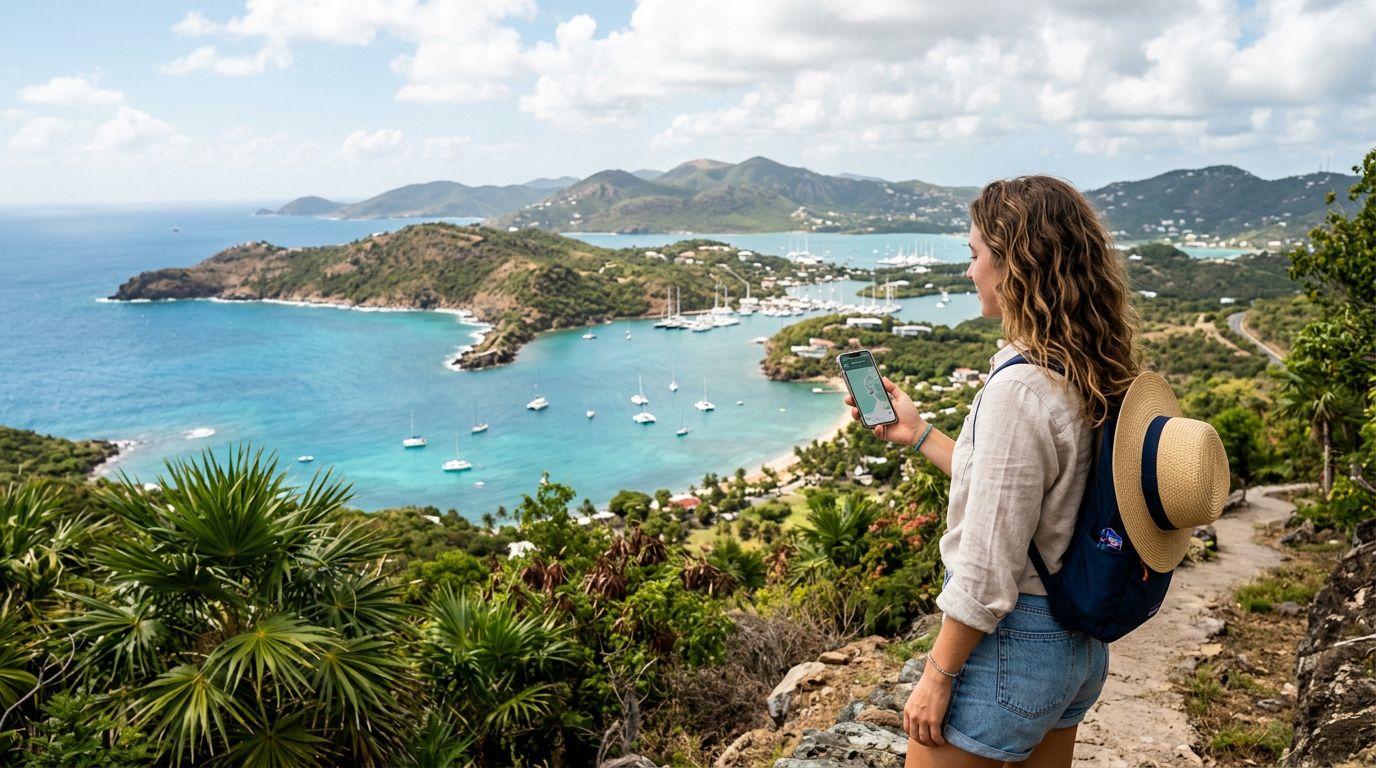
Understanding eSIM Connectivity in Nepal
Traveling to Nepal offers an incredible experience, from the bustling streets of Kathmandu to the serene trails of the Himalayas. However, staying connected while exploring this mountainous nation has historically been a challenge for international travelers. Many visitors arrive expecting their home SIM card to work seamlessly, only to find themselves facing exorbitant roaming fees or, worse, no signal at all.
The question of "does eSIM work in Nepal" is one that many travelers ask before boarding their flights. The short answer is yes, eSIM technology is functional in Nepal, provided you have a compatible device and a reliable provider. An eSIM, or embedded SIM, is a digital version of a physical SIM card that is built directly into your smartphone. Instead of needing to swap out a tiny plastic chip, you can download a profile that allows your phone to connect to local cellular networks.
For travelers, this means you can maintain your home number for essential calls while using a separate data profile for your internet needs. This dual-SIM capability is particularly useful in a country like Nepal, where you might need to use navigation apps, check flight updates, or share photos of the mountain vistas with friends and family back home. By choosing an eSIM, you bypass the need to visit a physical store in a foreign country, wait in long queues, or deal with language barriers when trying to register a traditional prepaid card.
Why Travelers Choose eSIMs for Nepal
The primary advantage of using an eSIM in Nepal is convenience. When you land at Tribhuvan International Airport, the last thing you want to do is hunt for a mobile shop, provide your passport details, and wait for a physical card to be activated. With an eSIM, you can activate your data plan before you even leave your home country. As soon as your plane touches down, your phone connects to the local network, allowing you to call a taxi or check your hotel location immediately.
Another significant benefit is the flexibility offered by services like OneTapSIM. Traditional local SIM cards often come with complex registration requirements that can be time-consuming for short-term visitors. An eSIM allows you to manage your connectivity entirely through your phone’s settings. You can monitor your data usage, add more data if you run low, and switch between networks if one provides better coverage in a specific region of the country.
Coverage is a major consideration in Nepal due to the challenging terrain. While major cities like Kathmandu and Pokhara have robust 4G coverage, mountainous regions can be more unpredictable. By using a reputable eSIM provider, you are often granted access to the best available local infrastructure. This ensures that you have the most reliable connection possible, whether you are in a busy urban center or preparing for a trek. Furthermore, because the eSIM is digital, there is no risk of losing a physical card or damaging the SIM tray of your phone while swapping cards in dusty or wet environments.
Setting Up Your eSIM for a Smooth Trip
Before you depart, it is essential to ensure your device is compatible. Most modern smartphones released in the last few years support eSIM technology. You can verify this by checking your phone’s settings menu or by visiting the official support pages for your device manufacturer, such as Apple or Google. If your phone is carrier-locked, you will need to contact your home service provider to have it unlocked before you can use an eSIM from another source.
Once you have confirmed compatibility, the setup process is straightforward. When you purchase a plan through a provider like OneTapSIM, you will receive a QR code or an activation code via email. To install the eSIM, you simply navigate to your phone’s cellular settings, select the option to add a new plan, and scan the provided QR code. The phone will then download the necessary configuration files and register the eSIM on the local network.
It is important to remember that your eSIM will only activate once it detects a signal from a supported network in Nepal. Do not worry if the plan shows as "inactive" while you are still at home. Once you arrive, ensure that data roaming is turned on for your eSIM profile. You can keep your primary SIM active for calls and texts while designating your eSIM as the primary source for cellular data. This setup prevents your home carrier from charging you for data roaming while ensuring you stay connected throughout your journey.
If you encounter any issues during the setup, most providers offer digital support guides to help you troubleshoot. Common steps include toggling airplane mode, restarting your device, or manually selecting a network provider in your cellular settings. By preparing your device in advance, you ensure that your focus remains on the beauty of Nepal rather than on technical difficulties. With the right preparation, an eSIM provides a reliable, efficient, and stress-free way to maintain internet access while you explore the peaks and valleys of this breathtaking country. Whether you are trekking through the Annapurna range or exploring the historic temples of Bhaktapur, having a consistent data connection through an eSIM allows you to navigate with confidence and share your experiences in real time.
Get an eSIM for
Plans for the destinations covered in this guide, with instant QR delivery.