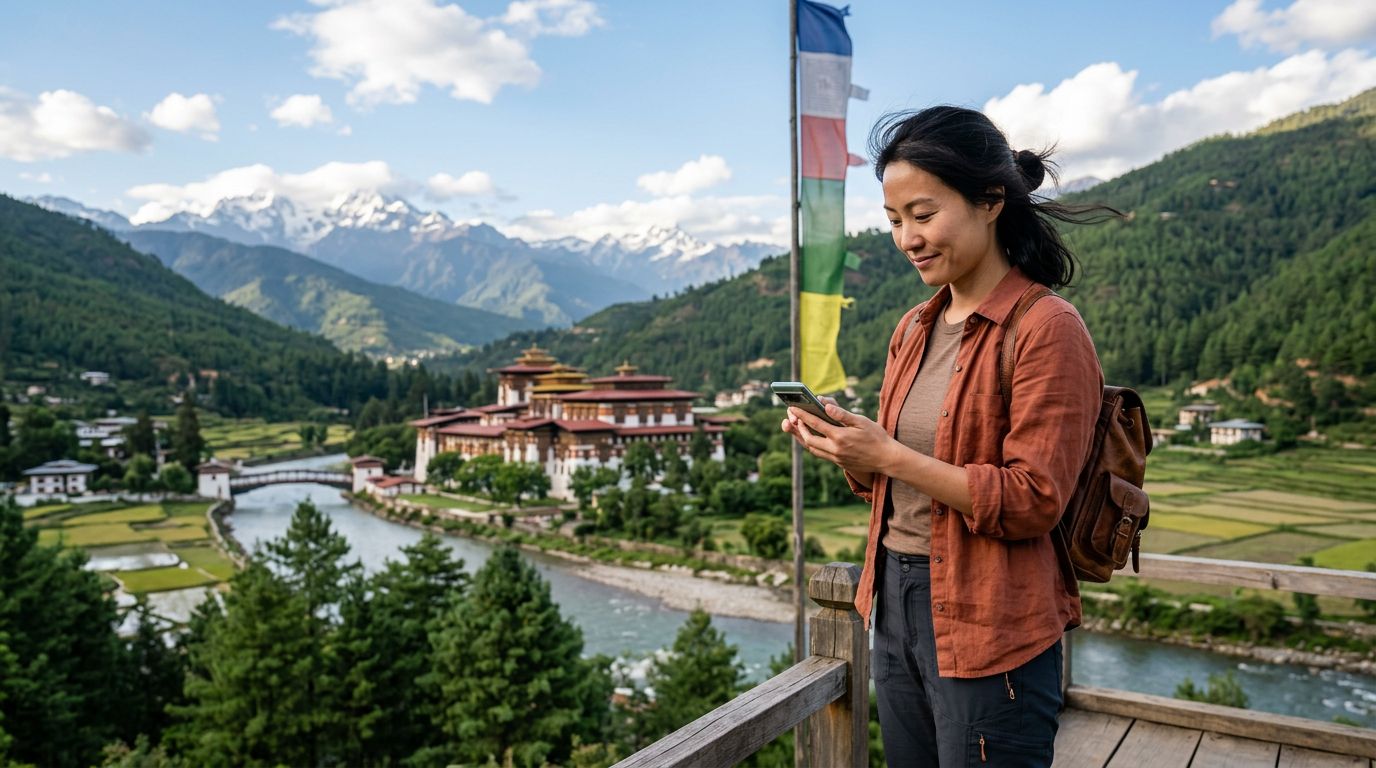
Understanding Connectivity in the Kingdom of Bhutan
Bhutan, often referred to as the Land of the Thunder Dragon, is a destination defined by its breathtaking Himalayan landscapes, ancient monasteries, and commitment to sustainable tourism. As you plan your journey to this unique country, ensuring you have reliable internet access is likely a top priority. Many travelers ask, "does eSIM work in Bhutan?" The short answer is yes, but the landscape of mobile connectivity in Bhutan is distinct from many other parts of the world.
To understand how to stay connected, it is important to recognize that Bhutan’s telecommunications infrastructure is managed by a few key local providers. Historically, tourists relied heavily on physical SIM cards purchased at the airport or in town. However, the adoption of eSIM technology has simplified this process significantly. By using a digital SIM, you can bypass the need to visit a physical store or swap out your fragile home SIM card, which minimizes the risk of losing your primary card during your travels.
OneTapSIM provides a streamlined way to access these networks without the typical administrative hurdles. Instead of navigating local registration forms or dealing with language barriers at a kiosk, you can prepare your device before you even board your flight. This ensures that as soon as you touch down in Paro or cross the border, your phone is ready to connect to the local towers, allowing you to use navigation apps, translation tools, or messaging services immediately.
Why eSIMs Are the Preferred Choice for Travelers
The transition from physical SIM cards to eSIMs has changed how international travelers manage their data. An eSIM is a virtual version of a physical SIM card that is embedded directly into your phone’s hardware. Because it is digital, it offers unparalleled flexibility. You do not need to hunt for a shop that sells tourist SIMs, nor do you need to worry about whether your phone is compatible with the specific size of a local plastic card.
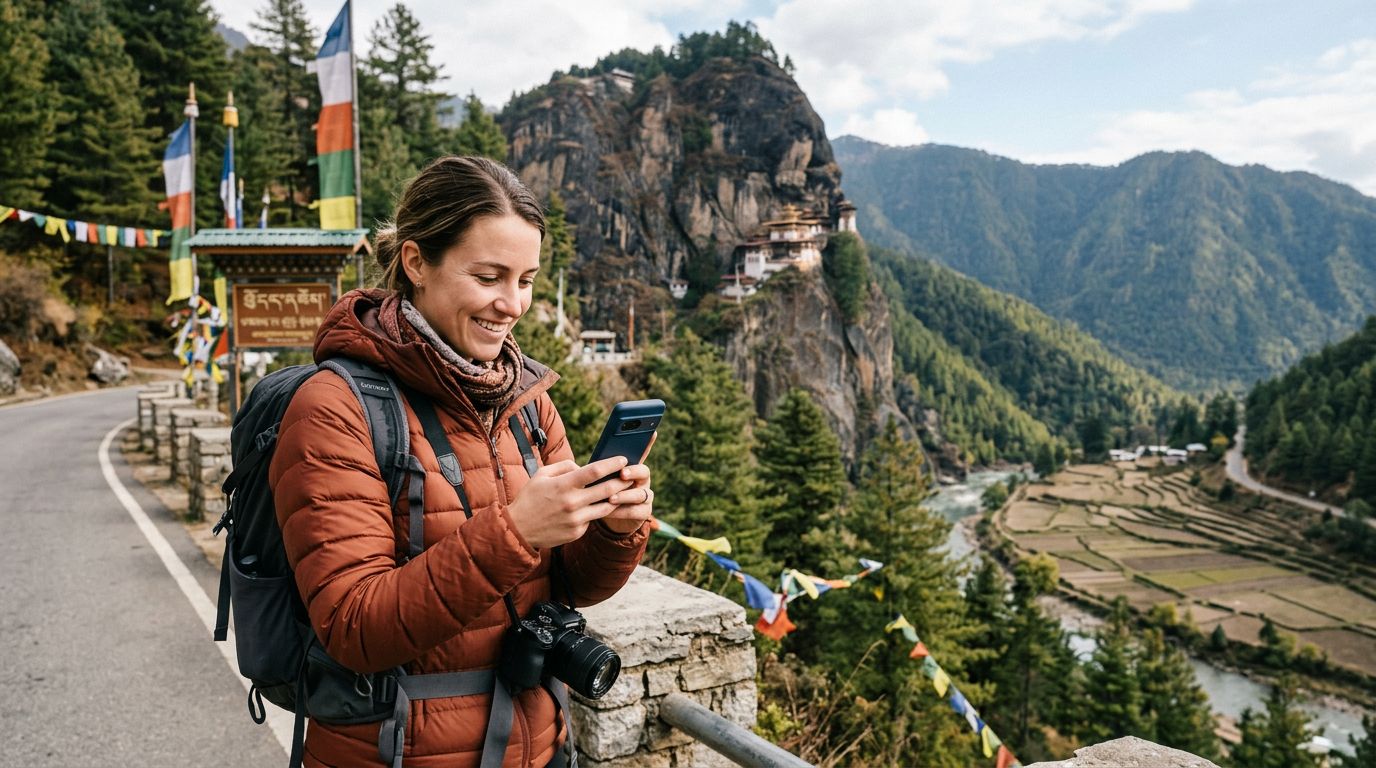
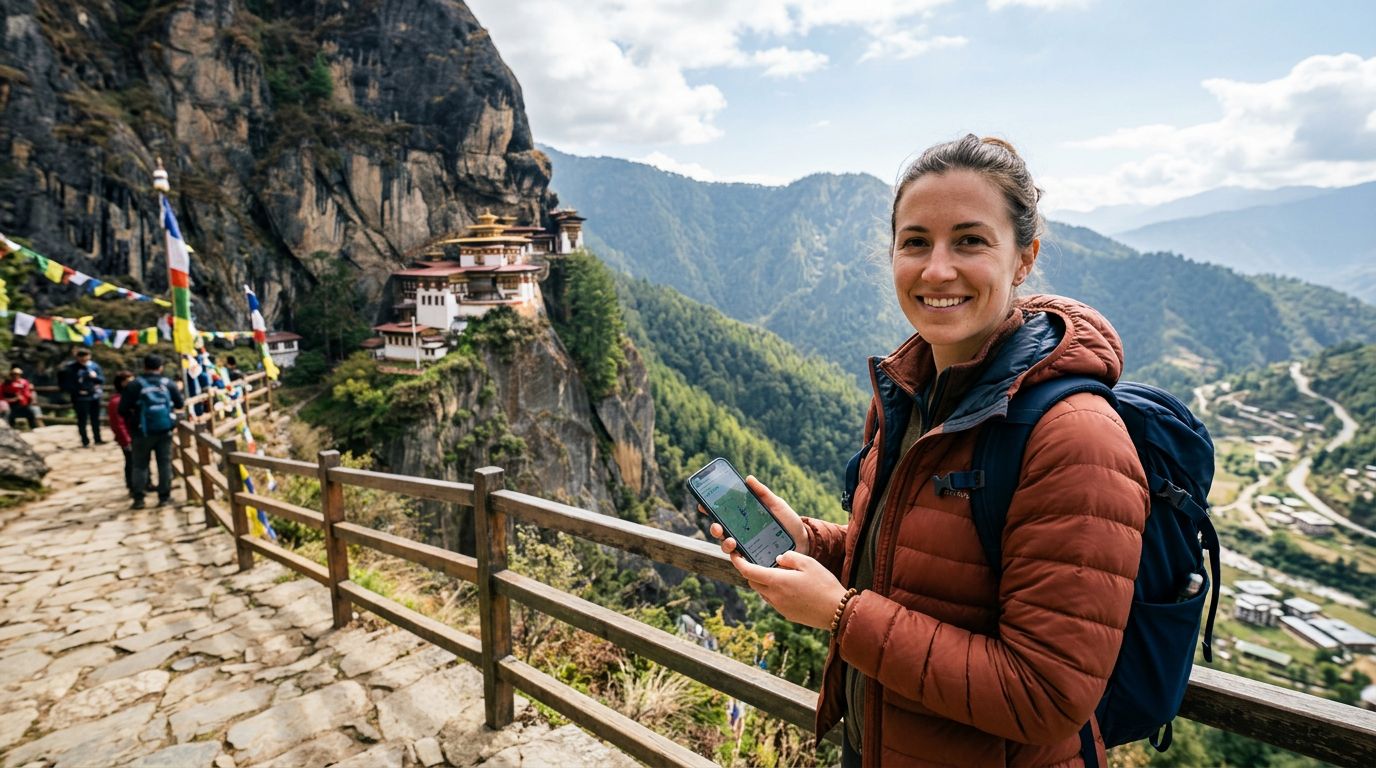
One of the primary advantages of using a service like OneTapSIM is the ability to maintain your home number while simultaneously using local data. Most modern smartphones allow for dual-SIM functionality, where you can keep your primary line active for calls or texts from home while dedicating your eSIM to data usage. This is particularly useful in Bhutan, where you might want to upload photos of the Tiger’s Nest Monastery or check your emails without incurring the high roaming charges often associated with international plans.
Furthermore, managing your data usage becomes much more transparent. With a physical SIM, it is easy to lose track of how much data you have consumed or how much credit remains on your account. With an eSIM, you have a clear overview of your connection status. If you are traveling through remote valleys or high-altitude mountain passes, having a stable data connection via a reliable eSIM provider ensures that you can always look up information about the local culture, check weather patterns, or contact your guide if your plans shift unexpectedly.
Preparing Your Device and Ensuring Compatibility
Before you rely on an eSIM for your trip to Bhutan, you must verify that your device is compatible. Most smartphones released in the last few years support eSIM technology. It is also critical to ensure that your phone is carrier-unlocked. If your device is locked to a specific network provider from your home country, it will not be able to accept an eSIM from a different provider, regardless of whether the technology is supported.
To check if your device is ready, you can consult the official support pages provided by major manufacturers like Apple or Google. Generally, you can find this information within your phone’s settings menu under the cellular or mobile data section. If you see an option to "Add eSIM" or "Add Cellular Plan," your device is likely equipped to handle the technology.
Once you have confirmed compatibility, the setup process is straightforward. When you purchase an eSIM through OneTapSIM, you will receive instructions on how to activate your plan. This usually involves scanning a QR code or entering a set of activation details provided in your confirmation email. It is advisable to complete this setup while you still have a stable Wi-Fi connection, such as at your home or in your hotel before leaving for the airport.
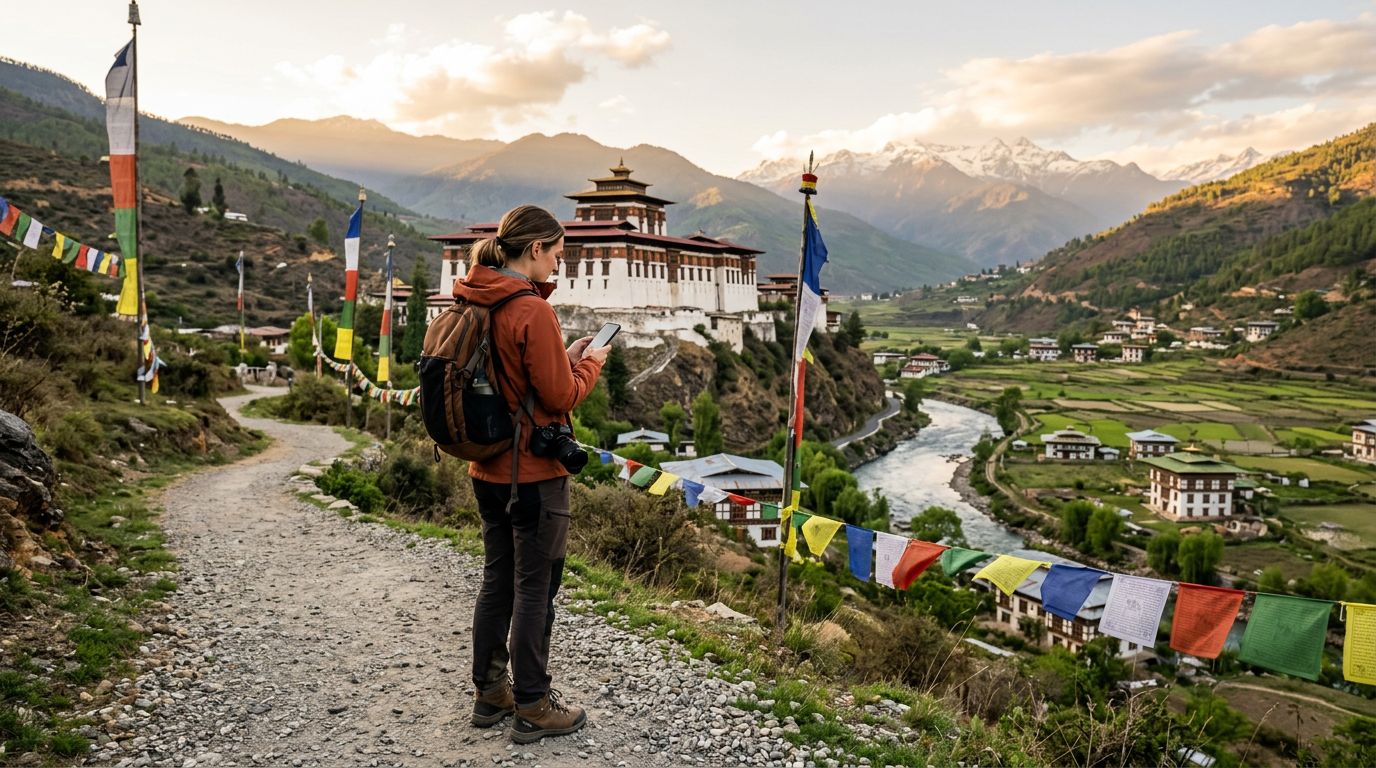
Once you arrive in Bhutan, you simply need to toggle your settings to ensure that your eSIM is selected as the primary source for cellular data. If you encounter any issues, most modern operating systems provide clear prompts to help you troubleshoot the connection. Because Bhutan is a mountainous country, signal strength can vary depending on your elevation and proximity to urban centers like Thimphu or Punakha. Having a reliable data plan ensures that you have the best possible chance of staying connected even as you traverse the diverse terrain of the Himalayas.
By preparing your device in advance and choosing a reputable provider, you can focus on the spiritual and natural beauty of Bhutan rather than worrying about your mobile connectivity. Whether you are trekking through the highlands or exploring the vibrant markets of the capital, having a digital connection allows you to share your experiences in real-time and navigate your journey with confidence.
Get an eSIM for
Plans for the destinations covered in this guide, with instant QR delivery.