Understanding Connectivity in the Kingdom of Bhutan
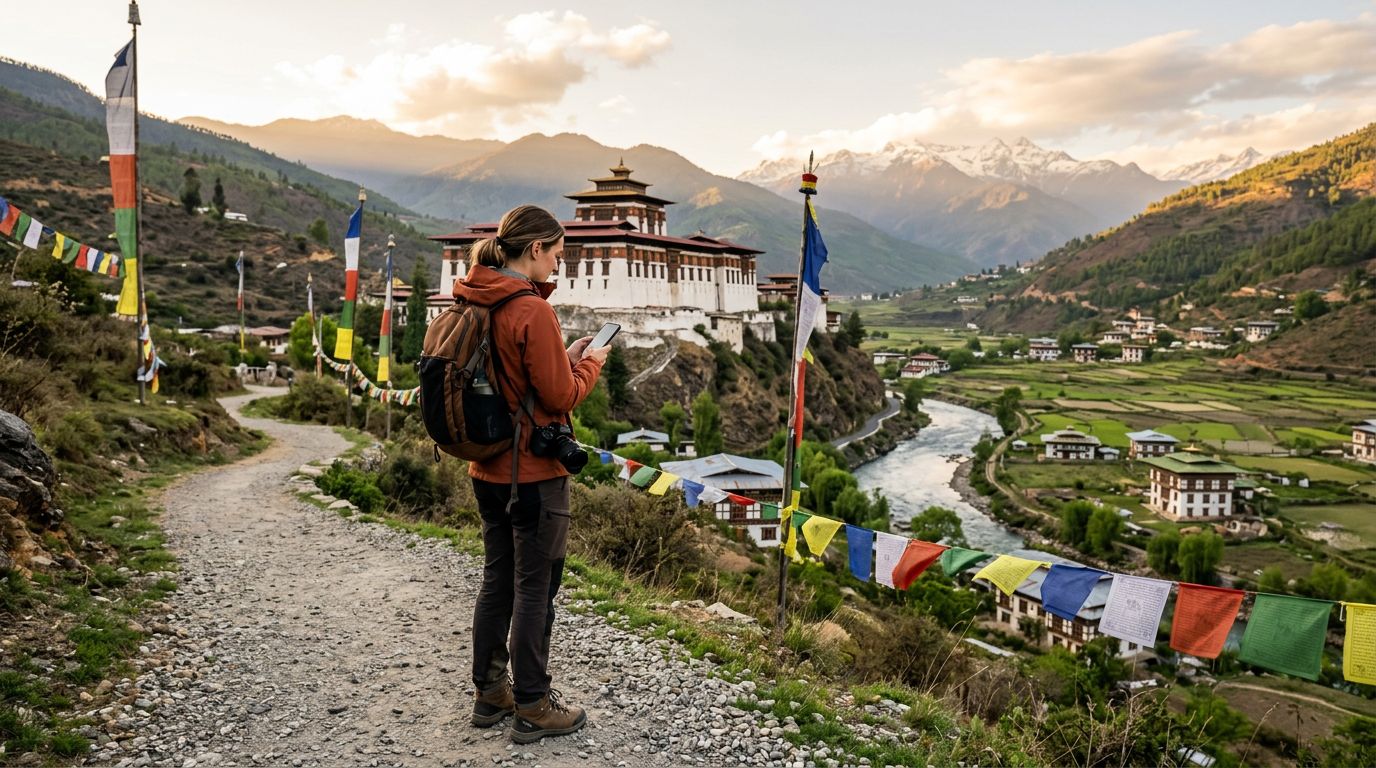
Bhutan is a destination like no other. Nestled in the heart of the Himalayas, this kingdom prioritizes high-value, low-impact tourism, ensuring that its pristine landscapes and unique cultural heritage remain preserved. For travelers, this means a journey through rugged mountain passes, ancient monasteries, and vibrant festivals. However, the very geography that makes Bhutan so breathtaking—its deep valleys and towering peaks—can make staying connected a unique challenge.
When planning your trip, you might wonder about the best way to get data in Bhutan. While the country has made significant strides in telecommunications infrastructure, the terrain often dictates the strength and availability of signals. In urban hubs like Thimphu and Paro, you will generally find reliable coverage. As you venture further into the remote districts or embark on high-altitude treks, connectivity becomes more intermittent.
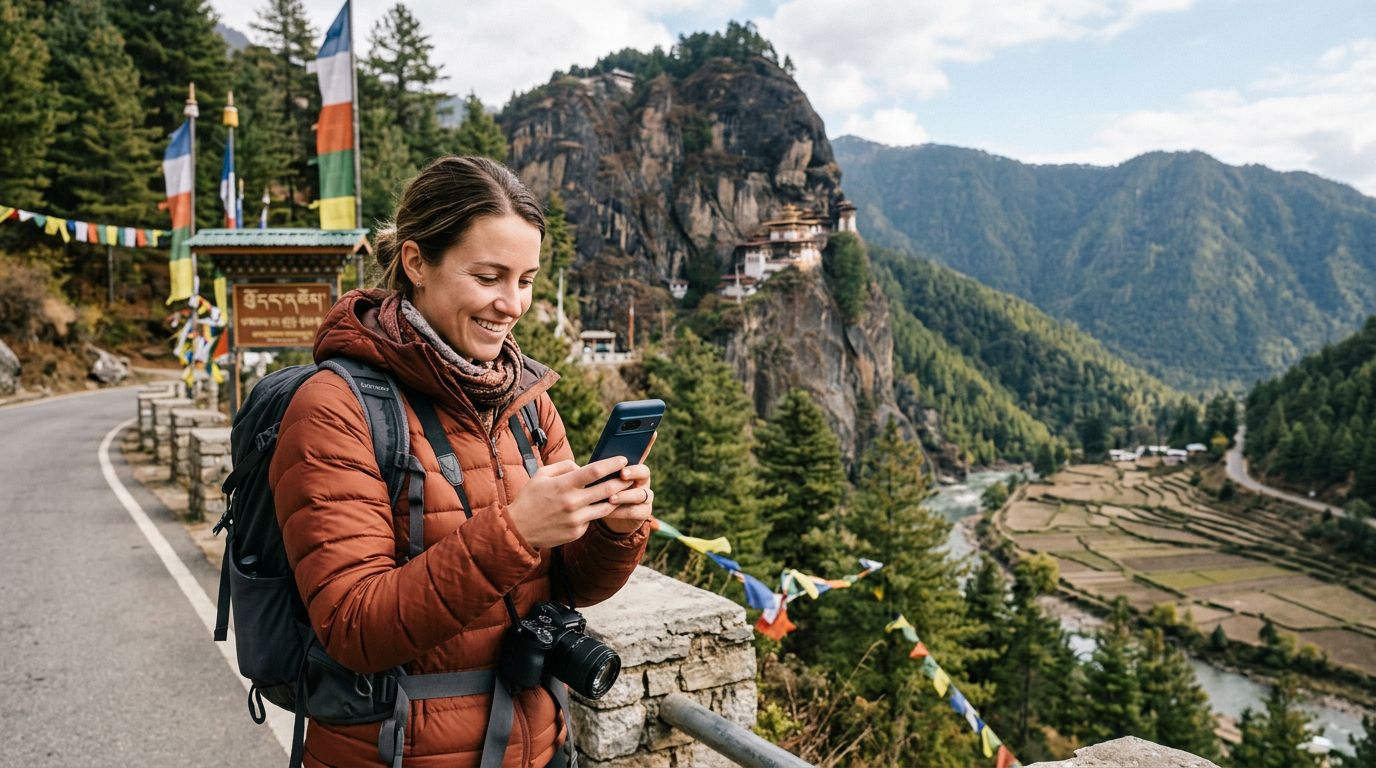
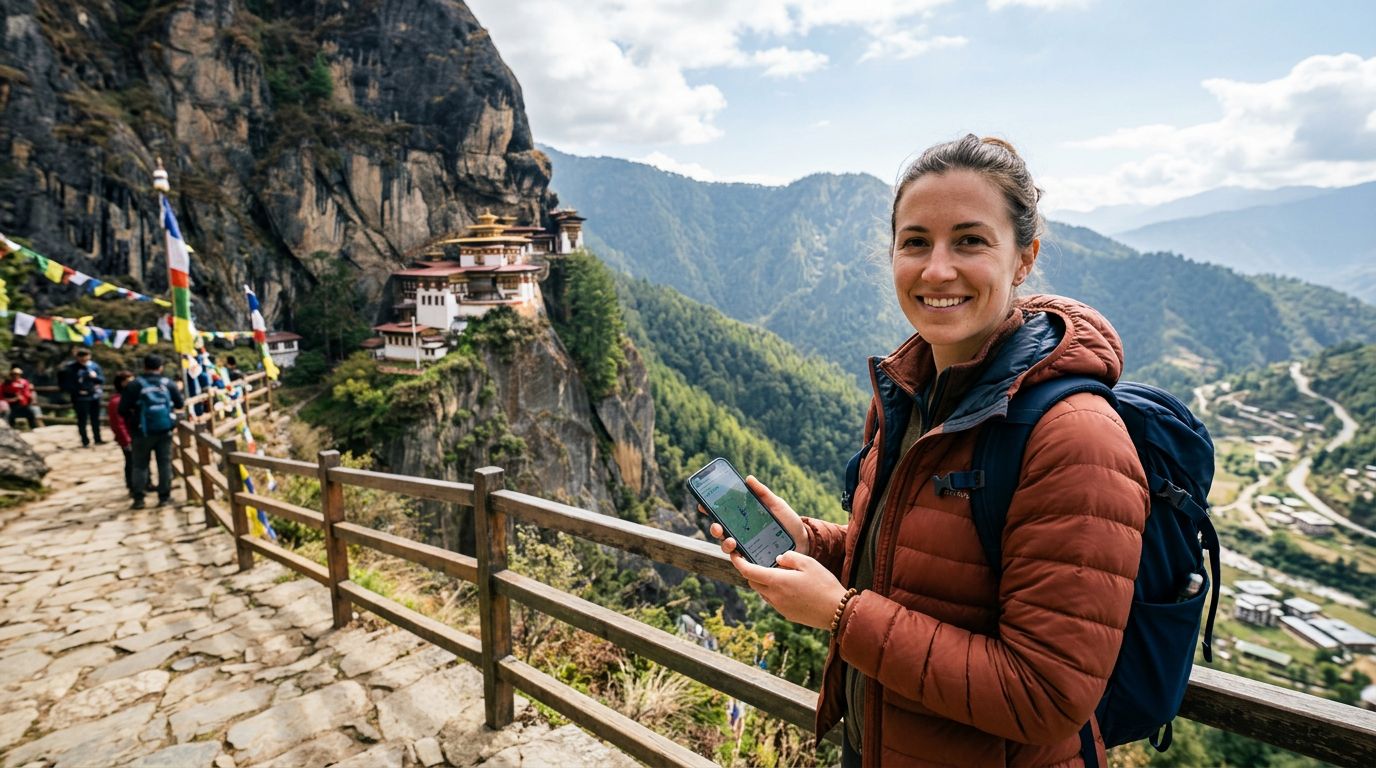
Understanding your connectivity options before you arrive is essential for a smooth journey. Whether you need to share photos of the Tiger’s Nest Monastery, check your navigation apps, or stay in touch with family, having a reliable data plan is a top priority. Relying solely on hotel Wi-Fi can be limiting, especially if you are traveling between regions or spending time outdoors. By preparing your mobile data strategy in advance, you ensure that you are never left without a map or a way to communicate when you need it most.
Comparing Your Mobile Data Options
Travelers visiting Bhutan typically choose between three primary methods for mobile data: local physical SIM cards, international roaming, and eSIM technology. Each has its own set of advantages and drawbacks depending on your travel style and the duration of your stay.
Local physical SIM cards are a traditional choice. Upon arrival at the airport or by visiting a local provider’s office in the city, you can purchase a SIM card. This requires presenting your passport and often filling out registration forms. While this provides a local number and direct access to domestic networks, it involves finding a store, waiting in line, and physically swapping out your home SIM card—which carries the risk of losing your original chip.
International roaming is the most convenient option for those who do not want to change any settings on their phone. You simply turn on your device, and it connects to a local partner network. However, this is frequently the most expensive route, and many travelers find that their home carrier’s coverage in remote Himalayan regions is inconsistent or subject to strict data caps.
The modern alternative is the eSIM. An eSIM is a digital version of a physical SIM card that is embedded directly into your smartphone’s hardware. Because it is entirely digital, you can purchase and activate your data plan before you even leave home. This is where a service like OneTapSIM becomes highly effective. By setting up your eSIM ahead of time, you avoid the need to hunt for a kiosk at the airport or deal with physical cards. Once you land in Bhutan, your device connects to the local network automatically, allowing you to start using your data immediately. This seamless transition is ideal for travelers who value efficiency and want to avoid the logistical hurdles of traditional SIM cards.
Tips for Maximizing Your Data Usage
Once you have secured your data plan, managing your usage is key to ensuring you stay connected throughout your entire trip. Bhutan’s mobile networks are robust, but they are not always as fast as what you might be accustomed to in major metropolitan areas. To make the most of your data, consider a few practical habits.
First, adjust your smartphone settings to restrict background data usage. Many apps automatically sync, update, or upload photos to the cloud when they detect a connection. By disabling "Background App Refresh" for non-essential applications, you can save a significant amount of data for the things that matter, like messaging apps or digital maps.
Second, download offline maps and essential documents before you depart. While you will likely have data in most towns, having a cached version of your route or your hotel reservation details ensures that you can navigate even if you enter a "dead zone" in a mountain pass. Google Maps allows you to download large areas for offline use, which is a lifesaver when traveling through the winding roads of the Himalayas.
Third, be mindful of video streaming and high-resolution media. Bhutan is a place meant to be experienced in person, and while you may want to share your journey, uploading high-definition videos or streaming content can consume your data allowance very quickly. If you need to upload large files, wait until you are back at your accommodation where you can utilize the local Wi-Fi.
Finally, ensure your device is compatible with eSIM technology before you travel. Most modern smartphones support this feature, but it is always a good idea to verify your specific model’s capabilities. If your phone is unlocked and eSIM-ready, you can enjoy the flexibility of switching between your home line and your travel data plan with just a few taps.
By choosing the right data solution and managing your usage wisely, you can focus on the true purpose of your trip: immersing yourself in the serenity and beauty of Bhutan. Whether you are trekking to a remote village or exploring the bustling markets of Thimphu, having a reliable connection ensures that your adventure is as stress-free as it is memorable. With the right preparation, you can capture every moment and share your experiences without ever worrying about losing your digital lifeline.
Get an eSIM for
Plans for the destinations covered in this guide, with instant QR delivery.