Understanding eSIM Technology for Your Belgian Trip
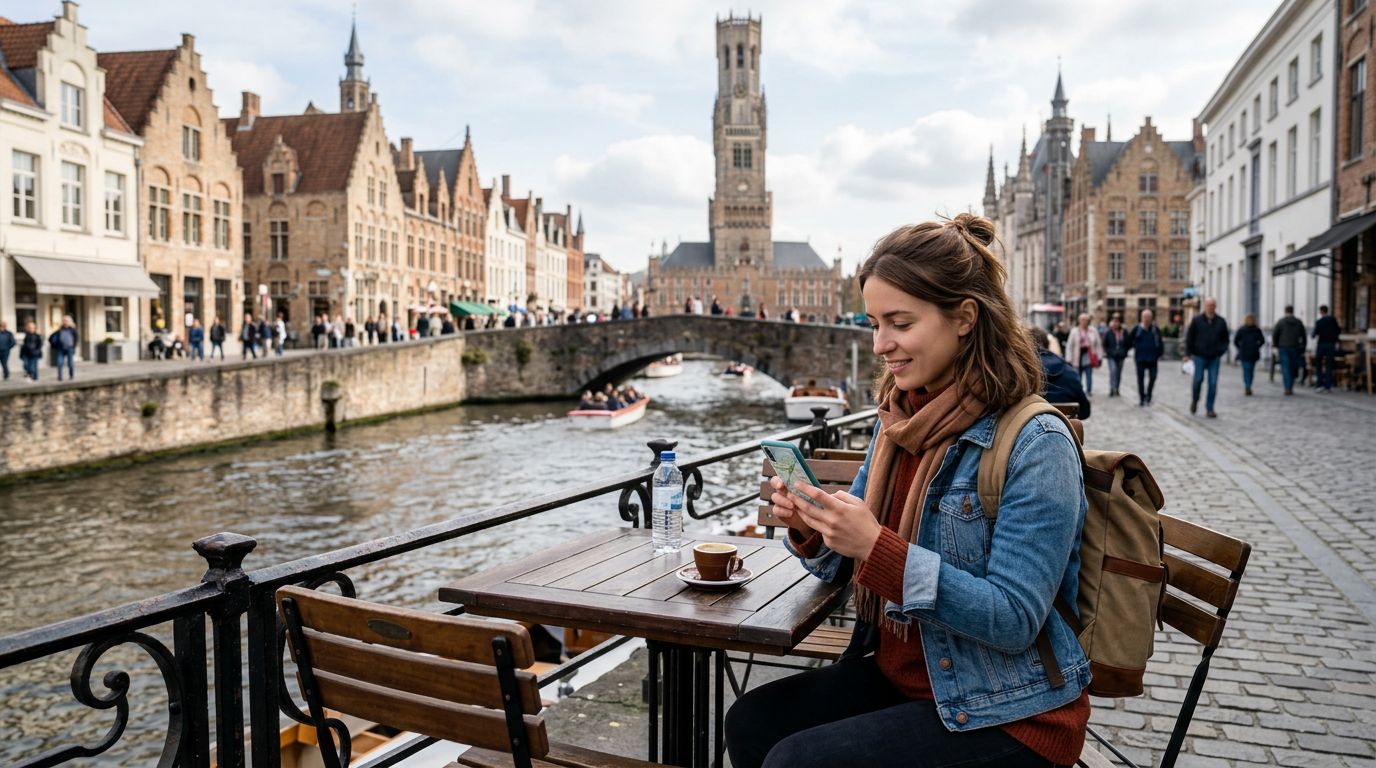
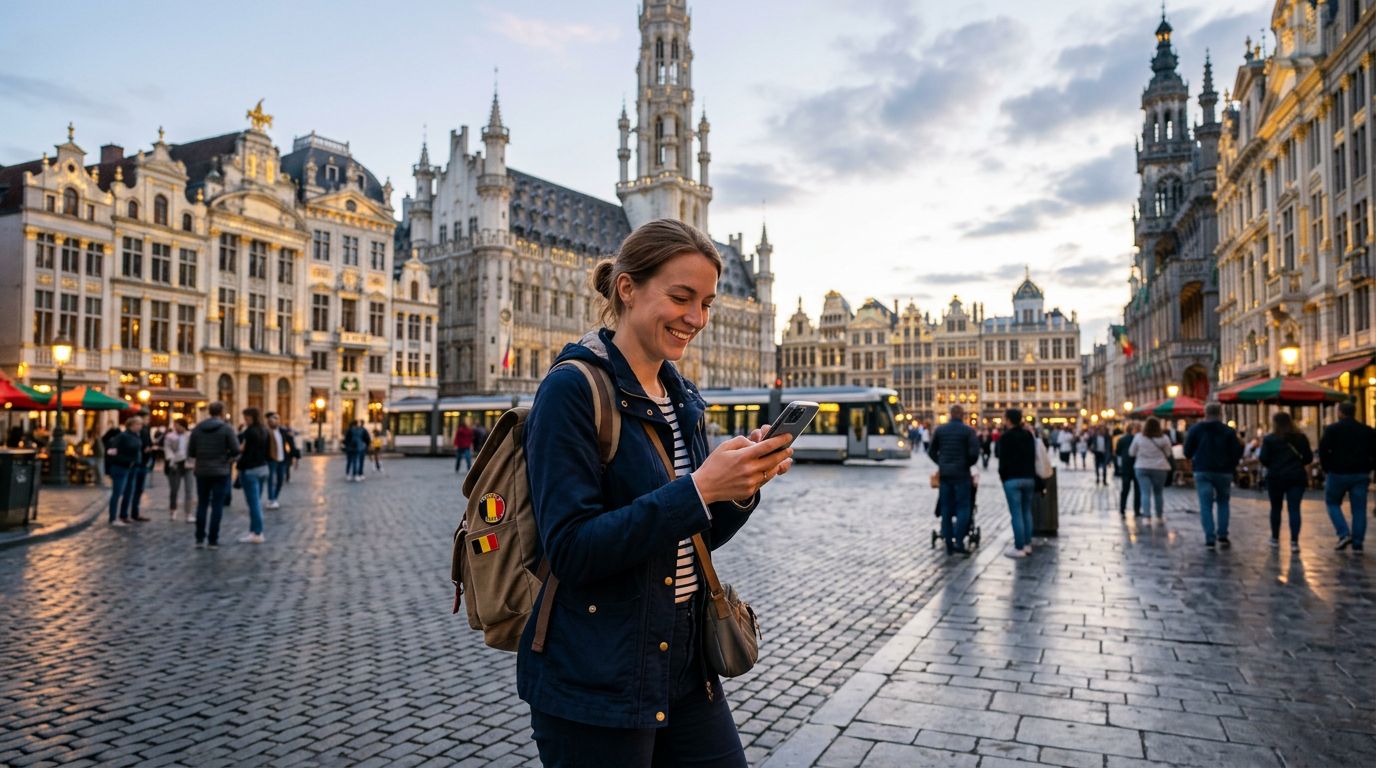
When planning a trip to Belgium, staying connected is a top priority. Whether you are navigating the historic streets of Bruges, finding the best chocolate shops in Brussels, or checking train schedules to Antwerp, reliable internet access is essential. Many travelers now prefer eSIM technology over traditional physical SIM cards because it removes the need to swap out tiny chips or visit local stores upon arrival.
An eSIM, or embedded SIM, is a digital version of a standard SIM card. It is built directly into the hardware of modern smartphones. Because it is digital, you can download a data plan remotely, activate it through your device settings, and connect to local networks without needing a physical card slot. If you are wondering, "does eSIM work in Belgium," the answer is a definitive yes. Belgium has a robust telecommunications infrastructure that fully supports eSIM technology, allowing international visitors to enjoy high-speed connectivity as soon as they land.
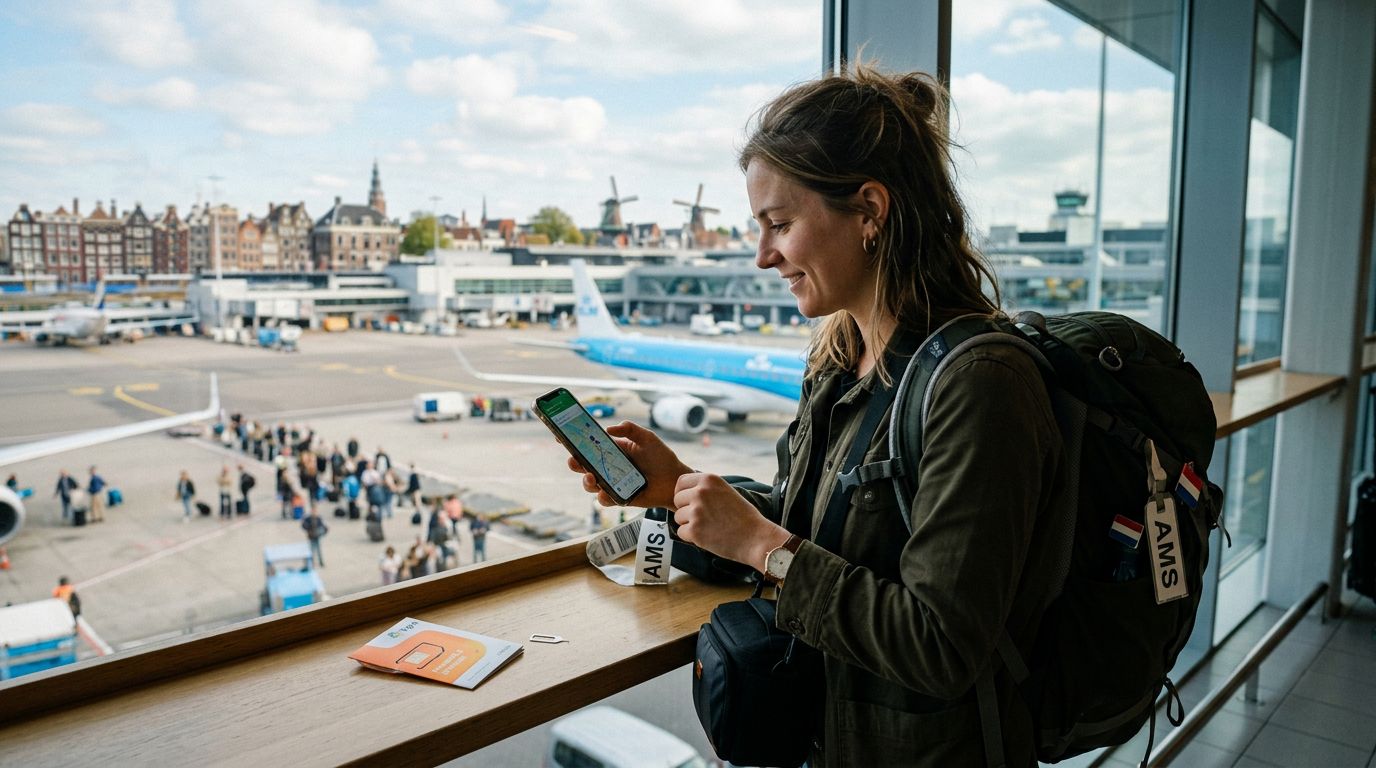
Using an eSIM is particularly convenient for travelers who want to avoid high roaming fees from their home carrier. By switching to a local or regional data plan, you can enjoy the same level of service you are used to at home without the unexpected costs that often appear on your monthly statement. With a provider like OneTapSIM, you can manage your connectivity needs efficiently, ensuring your device is ready for the Belgian network before you even leave the airport.
How to Check if Your Phone Supports eSIM
Before you commit to an eSIM plan, you must verify that your device is compatible. Most smartphones released within the last few years support this technology, but it is always best to confirm before your departure.
To check if your device is eSIM-ready, you can consult the official documentation provided by the manufacturer. For iPhone users, you can find detailed information on the official Apple support website. Generally, most models from the iPhone XR and newer support eSIM functionality. For Android users, the landscape is slightly more varied, but most flagship devices from major manufacturers released after 2019 include this feature. You can verify your specific model’s capabilities through the official Google support pages or your phone’s settings menu.
Beyond hardware compatibility, you must ensure your phone is carrier-unlocked. If your device is locked to a specific mobile provider, it will not be able to connect to a different network, even with an eSIM. If you are unsure about your device's status, contact your home carrier to request an unlock. Once your phone is unlocked and confirmed to support eSIMs, you are ready to proceed with selecting a data plan for your Belgian adventure.
Benefits of Using an eSIM in Belgium
The primary advantage of using an eSIM in Belgium is the sheer convenience of the activation process. Instead of searching for a kiosk at Brussels Airport or trying to communicate with a shop clerk in a language you might not speak, you can set up your connection from the comfort of your home. By purchasing a plan from a service like OneTapSIM, you receive a QR code or an activation link that allows you to add the Belgian data plan to your phone in minutes.
Another significant benefit is the ability to keep your primary phone number active. Many travelers worry that using a local SIM will mean losing access to their home number for calls or important text messages. With an eSIM, you can often keep your primary physical SIM card active for calls while using the eSIM exclusively for data. This setup allows you to use GPS, social media, and travel apps without interruption, while still being reachable on your main number if an emergency arises.
Furthermore, eSIMs are environmentally friendly. By eliminating the need for plastic SIM cards and the packaging required to ship them, you are reducing your travel footprint. The digital nature of the service also means there is no risk of losing a tiny physical card while you are on the move. If you decide to extend your trip or travel to neighboring countries like France or the Netherlands, you can often manage your data usage or add new regions directly through your phone, providing a level of flexibility that traditional SIM cards simply cannot match.
Tips for a Seamless Connection in Belgium
Once you have your eSIM installed, there are a few best practices to ensure your connectivity remains stable throughout your trip. First, make sure you have your data roaming turned on for the eSIM profile specifically. While "roaming" sounds like a term that incurs high costs, when you are using a dedicated travel eSIM, it is the mechanism that allows your phone to connect to the local partner network in Belgium.
It is also wise to monitor your data usage. While many plans offer generous amounts of data, streaming high-definition video or downloading large files can consume your allowance quickly. Most modern smartphones have a built-in data usage tracker in the settings menu, which allows you to see exactly how much data each app is using. If you find yourself running low, you can often purchase a top-up or a new data package through your provider’s app or website.
Finally, keep your original SIM card safe. Even though you are using an eSIM for your data, your physical SIM card is still your link to your home network. If you have a dual-SIM phone, you can label your SIMs in your settings—for example, naming one "Home" and the other "Belgium"—to avoid any confusion when making calls or sending messages. By following these simple steps, you can enjoy a stress-free experience, knowing that your connection is secure and reliable as you explore the historic architecture and vibrant culture of Belgium. Whether you are in the heart of Brussels or the quiet countryside, your digital connection will be ready to support your journey.
Get an eSIM for
Plans for the destinations covered in this guide, with instant QR delivery.