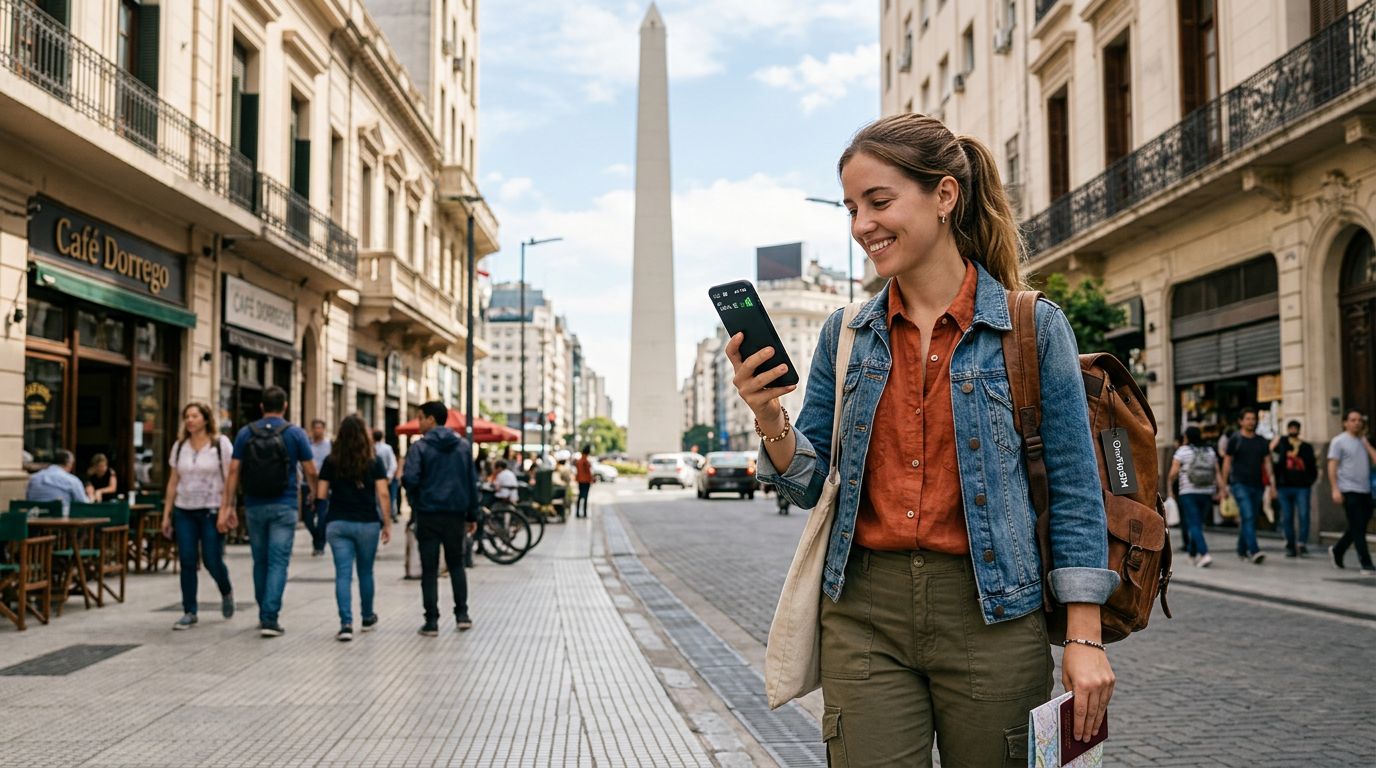
Understanding Connectivity Options for Your Argentina Trip
Planning a trip to Argentina involves mapping out vast landscapes, from the bustling streets of Buenos Aires to the remote peaks of Patagonia. As you prepare your itinerary, staying connected is likely a top priority for navigation, translation, and sharing your journey. Many travelers ask, "does eSIM work in Argentina?" The short answer is yes, and it is rapidly becoming the preferred method for international visitors to maintain reliable mobile data access without the hassle of physical hardware.
An eSIM, or embedded SIM, is a digital version of the traditional plastic SIM card. It is built directly into the hardware of modern smartphones. Instead of visiting a local kiosk or waiting for a physical card to arrive by mail, you can activate a digital plan remotely. For travelers heading to Argentina, this means you can arrive at Ezeiza International Airport or cross land borders with your connection already established.
Argentina has a well-developed telecommunications infrastructure, and the major local carriers support eSIM technology. However, trying to navigate local store procedures, language barriers, and registration requirements upon arrival can be time-consuming. Using a service like OneTapSIM allows you to bypass these logistical hurdles. By setting up your digital profile before you leave home, you ensure that your phone connects to the local network as soon as you land, allowing you to call for a ride, check your hotel details, or look up directions immediately.
Why eSIM is the Superior Choice for Argentina Travel
The primary advantage of using an eSIM in Argentina is the seamless transition between your home number and your travel data. Most modern devices allow you to keep your primary SIM active for calls or texts while dedicating the eSIM to high-speed data. This prevents the common anxiety of losing your physical SIM card or having to manage multiple tiny pieces of plastic while on the move.
Physical SIM cards can be fragile and easy to misplace. If you are traveling through multiple regions, the risk of losing your connection is higher if you are constantly swapping cards. With an eSIM, your connection is software-based. You can manage your data usage through your phone’s settings, monitor your consumption, and add more data if necessary without needing to visit a physical shop. This is particularly useful in Argentina, where you might spend days in areas with limited access to retail outlets, such as the wine regions of Mendoza or the national parks in the south.
Reliability is another factor to consider. Local physical SIMs often require identity verification, which can sometimes be a cumbersome process for tourists. An eSIM provider streamlines this, providing a ready-to-use connection that is optimized for international travelers. Whether you are using a mapping application to find a hidden gem in a neighborhood or checking the status of a domestic flight, having a dedicated data plan ensures you are not dependent on unpredictable public Wi-Fi networks. Public Wi-Fi in Argentina can be insecure or spotty, making it a poor choice for sensitive tasks like checking bank accounts or booking travel tickets.
How to Check Your Device Compatibility and Set Up Your eSIM
Before you commit to an eSIM for your trip, you must ensure your device is compatible. Most flagship smartphones released in the last few years support this technology. You can verify your device's capabilities by checking your phone’s settings menu under the cellular or mobile data section. If you see an option to "Add eSIM" or "Add Cellular Plan," your device is ready to go. You can also consult the official support pages for your device manufacturer—such as the resources provided by Apple or Google—to confirm that your specific model is unlocked and eSIM-capable.
It is critical to ensure your phone is carrier-unlocked. Many phones purchased through a mobile carrier are locked to that specific provider. If your phone is locked, it will not accept an eSIM from a third-party provider or a local carrier. If you are unsure about your device's status, contact your home carrier before your trip to request an unlock. This simple step can save you significant frustration once you arrive in South America.
The installation process is straightforward. Once you purchase your eSIM plan from OneTapSIM, you will receive a QR code or a set of manual instructions. You scan the code or enter the details provided, and your phone will download the necessary profile. You can usually install this profile days before your trip, but you should wait until you reach Argentina to activate it. Once you land, simply toggle the eSIM on in your settings, and your phone will automatically search for the best available local network.
Remember that while an eSIM provides excellent data coverage, it is primarily designed for mobile internet. If you rely heavily on traditional SMS or voice calls, you might want to use apps that function over data, such as messaging platforms or VoIP services. These apps work perfectly over an eSIM connection and allow you to stay in touch with family and friends back home without incurring high roaming fees from your home provider.
By preparing your digital connectivity in advance, you remove one of the biggest points of friction in modern travel. Argentina offers an incredible variety of experiences, from the cultural heart of Buenos Aires to the natural wonders of the Andes. Having a reliable, always-on connection ensures that you can focus on the journey rather than worrying about finding a signal or navigating a foreign mobile store. With your eSIM configured, you are ready to explore everything this vibrant country has to offer with confidence and convenience.
Get an eSIM for
Plans for the destinations covered in this guide, with instant QR delivery.