Understanding Your Connectivity Options in Argentina
Planning a trip to Argentina involves managing a variety of logistics, from booking internal flights between Patagonia and Buenos Aires to securing reliable internet access. When it comes to staying connected, travelers generally face a choice between the traditional physical SIM card and the modern eSIM technology. Understanding the differences between these two is essential for a smooth travel experience.
A physical SIM card is the standard plastic chip that has been the industry norm for decades. To use one, you must physically insert it into your device’s SIM tray. This process often requires a small tool to open the tray, and you must safely store your home SIM card to avoid losing it. In Argentina, travelers typically purchase these at kiosks, convenience stores, or mobile carrier storefronts upon arrival.
An eSIM, or embedded SIM, is a digital version of that same technology. It is built directly into the hardware of modern smartphones. Instead of swapping a physical card, you activate an eSIM by scanning a QR code or entering details provided by your service provider. This allows you to switch between networks or activate a new plan without ever opening your phone or handling tiny pieces of plastic. For many international travelers, the convenience of setting up connectivity before even landing in Buenos Aires is the primary advantage of choosing an eSIM over a local physical card.
Comparing Convenience and Practicality
The primary debate regarding an Argentina SIM card vs eSIM centers on the ease of use. When you choose a physical SIM card, you are often required to find a store shortly after arrival. This can be time-consuming, especially if you land at an international airport during peak hours or late at night. Language barriers at local retail outlets can also complicate the registration process, as some Argentinian carriers require specific identification documents to activate a prepaid line.
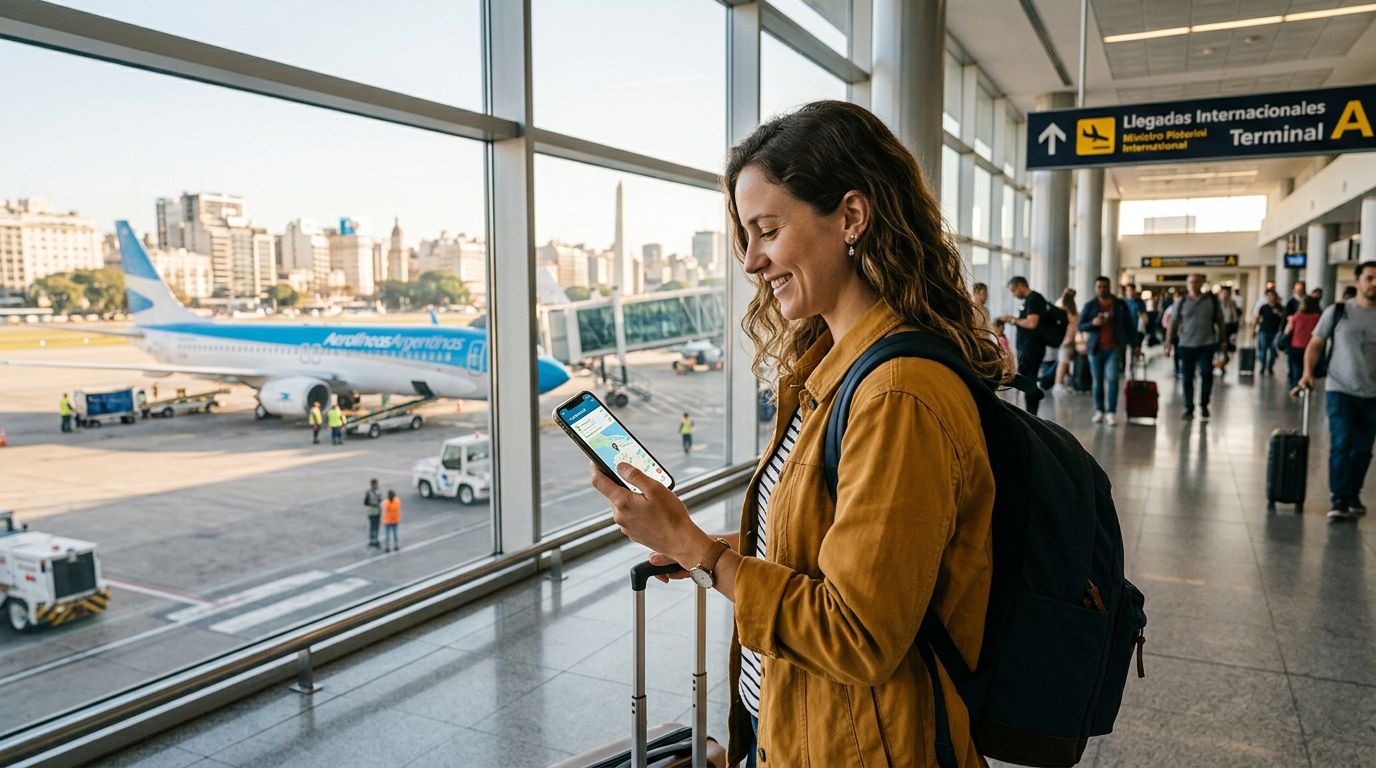
Conversely, an eSIM offers a seamless transition. By using a service like OneTapSIM, you can configure your device before you leave home. As soon as your plane touches down at Ezeiza International Airport, your phone is ready to connect to the local network. You do not need to hunt for a shop, stand in line, or worry about whether your phone is compatible with the specific size of a local plastic card.
However, it is important to verify device compatibility. Most flagship smartphones released in the last few years support eSIM technology. You can check your device settings or consult the manufacturer’s support pages to confirm if your specific model is eSIM-capable. If your phone is locked to a specific carrier in your home country, you must ensure it is unlocked before you can add an eSIM from a different provider. If your device does not support eSIM, a physical SIM card remains your only viable option for local connectivity.
Performance, Coverage, and Reliability
When traveling across a country as vast as Argentina, network coverage is a major concern. Whether you are exploring the urban sprawl of Buenos Aires, the vineyards of Mendoza, or the remote trails of Tierra del Fuego, you need a connection that remains stable.
Both physical SIM cards and eSIMs generally utilize the same local mobile network infrastructure. The quality of your signal depends on the carrier you choose rather than the format of the SIM itself. If you buy a local physical SIM, you are tied to that specific carrier's coverage map. With an eSIM provider, you often gain the advantage of roaming agreements that allow your device to switch between multiple local networks to find the strongest signal. This flexibility can be a significant benefit in rural areas where one carrier might have a dead zone while another maintains a functional signal.
Another factor to consider is data management. Physical SIM cards are often sold as standalone prepaid packages. If you run out of data, you may need to find a store to "top up" or buy a new card. With an eSIM, you can often monitor your data usage directly through your phone’s settings or a dedicated app. If you find yourself needing more data, many digital providers allow you to purchase and activate additional packages instantly without needing to swap hardware.
OneTapSIM focuses on providing a user-friendly digital experience that removes the stress of finding a local store upon arrival. By opting for an eSIM, you maintain the ability to keep your primary phone number active for calls or texts from home while using the eSIM specifically for data. This dual-SIM functionality is a major advantage for travelers who need to stay reachable for work or family emergencies while navigating a foreign country.
Ultimately, the choice between an Argentina SIM card vs eSIM comes down to your personal comfort with technology and your specific travel needs. If you prefer a traditional, tactile approach and have a device that may not support new standards, a physical SIM card is a reliable, time-tested solution. If you value efficiency, want to avoid the hassle of local retail shops, and possess a modern, unlocked smartphone, an eSIM is almost certainly the superior choice for your Argentinian adventure. By preparing your connectivity in advance, you can spend less time searching for a signal and more time enjoying the diverse landscapes and vibrant culture that Argentina has to offer.
Get an eSIM for
Plans for the destinations covered in this guide, with instant QR delivery.