Understanding Connectivity Options for Your Costa Rican Adventure
Planning a trip to Costa Rica often involves balancing the desire for off-the-grid adventure with the practical need to stay connected. Whether you are trekking through the cloud forests of Monteverde, surfing the waves in Santa Teresa, or navigating the bustling streets of San José, having reliable mobile data is essential. When comparing a Costa Rica SIM card vs eSIM, you are essentially choosing between a traditional physical approach and a modern, digital-first method.
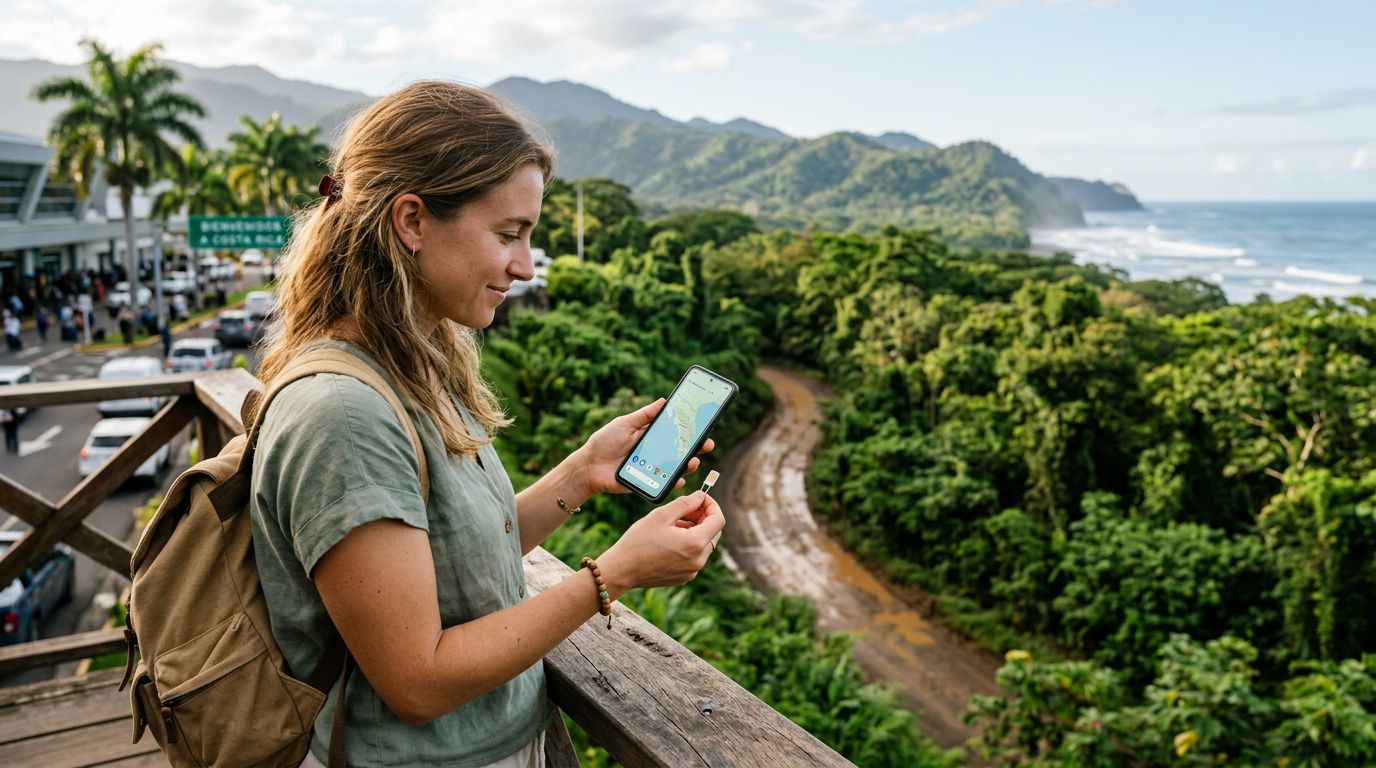
A physical SIM card has been the standard for decades. It requires you to purchase a small plastic chip, insert it into your phone’s SIM tray, and ensure your device is unlocked by your home carrier. While this method is time-tested, it comes with physical inconveniences. You have to handle tiny, fragile cards, store your original SIM safely so you do not lose it, and often spend time at a kiosk in the airport or a local electronics shop upon arrival.
On the other hand, an eSIM—or embedded SIM—is a digital version of that same technology. It is built directly into the hardware of modern smartphones. Instead of swapping out a physical component, you download a profile that activates your mobile data plan instantly. This shift toward digital connectivity is changing how travelers manage their logistics, allowing for a more seamless transition from your home country to your destination.
The Practical Differences: Convenience and Installation
The most significant distinction between a physical SIM card and an eSIM lies in the installation process. When you opt for a local Costa Rican SIM card, you are often at the mercy of store hours and queues. If your flight lands late at night or you arrive on a weekend, finding an open shop can be a challenge. Furthermore, there is a language barrier to consider when explaining your data needs to a local clerk. If the card is faulty or the activation process hits a snag, you are left without a reliable point of contact to resolve the issue.
An eSIM offers a vastly different experience. With a provider like OneTapSIM, you can purchase and install your data plan before you even leave your house. As soon as your plane touches down in San José or Liberia, you can toggle your data settings and connect to the local network immediately. This eliminates the need to hunt for a store, exchange currency for a physical card, or fumble with a SIM ejection tool while standing in a busy terminal.
Another advantage of the digital approach is the ability to keep your primary number active. Many travelers worry about missing important calls or two-factor authentication codes from their bank while abroad. With a physical SIM, you have to remove your home card, which effectively disables your primary phone number. With an eSIM, most modern devices allow you to run your home SIM and your travel eSIM simultaneously. You can set your phone to use your home SIM for voice calls and SMS, while designating your eSIM as the primary source for cellular data. This dual-active setup ensures you remain reachable while enjoying the benefits of local data rates.
Reliability and Network Coverage Across Costa Rica
Costa Rica’s geography is diverse, ranging from dense rainforests and volcanic ranges to expansive coastlines. Because of this, network coverage can vary significantly depending on where you are. When you purchase a local SIM card, you are tethered to the specific provider that owns that card. If that carrier has poor reception in a remote area like the Osa Peninsula, you are stuck with that signal until you find another store to purchase a different provider’s card.
eSIM technology often provides a more flexible approach to network stability. Many eSIM providers partner with multiple local carriers to ensure that your device can hop onto the strongest available signal. This is a major benefit when traveling through regions where one carrier might be dominant, but another provides better coverage in the valleys. By utilizing an eSIM, you are not necessarily locked into the infrastructure of a single retail store’s stock.
It is important to note that your device must be compatible with eSIM technology to take advantage of this. While most smartphones released in the last few years support this feature, it is always a good idea to check your specific device settings or consult the official support pages for Apple or Google devices to confirm compatibility. If your phone is carrier-locked, you will need to contact your home service provider to have it unlocked before you travel. Once you have confirmed that your device is ready, the transition to a digital plan is straightforward.
When you weigh the pros and cons, the choice between a Costa Rica SIM card vs eSIM comes down to how much you value your time and convenience. If you enjoy the traditional process of visiting local shops and do not mind the physical handling of hardware, a standard SIM might suit you. However, for those who prefer to have their connectivity sorted before departure and want to avoid the stress of airport logistics, an eSIM is the superior choice. By removing the physical barriers to entry, you can focus on what really matters: enjoying the biodiversity and beauty of Costa Rica without the worry of being disconnected. Whether you are using a map to find a hidden waterfall or sharing photos of your journey with family back home, having a reliable, pre-installed data plan ensures your trip remains smooth and stress-free.
Get an eSIM for
Plans for the destinations covered in this guide, with instant QR delivery.